Now Reading: Blood Tests: A Key Tool for Detecting Heart Failure
-
01
Blood Tests: A Key Tool for Detecting Heart Failure
Blood Tests: A Key Tool for Detecting Heart Failure

Heart failure (HF) is a complex clinical syndrome characterized by the heart’s inability to pump sufficient blood to meet the body’s metabolic demands. This condition can arise from various etiologies, including coronary artery disease, hypertension, valvular heart disease, and cardiomyopathies. The pathophysiology of heart failure involves a series of compensatory mechanisms that initially maintain cardiac output but eventually lead to further myocardial damage and systemic congestion.
Patients may present with symptoms such as dyspnea, fatigue, edema, and reduced exercise tolerance, which can significantly impair their quality of life. The classification of heart failure is typically divided into two main categories: heart failure with reduced ejection fraction (HFrEF) and heart failure with preserved ejection fraction (HFpEF). HFrEF is characterized by a left ventricular ejection fraction (LVEF) of less than 40%, while HFpEF has an LVEF of 50% or greater.
Understanding these distinctions is crucial for tailoring appropriate therapeutic strategies and improving patient outcomes. The prevalence of heart failure is alarmingly high, affecting approximately 6.2 million adults in the United States alone, with projections indicating a continued rise due to aging populations and increasing rates of cardiovascular risk factors.
Key Takeaways
- Heart failure is a condition where the heart is unable to pump enough blood to meet the body’s needs.
- Early detection of heart failure is crucial for effective management and improved outcomes.
- Blood tests play a key role in diagnosing heart failure by measuring biomarkers such as B-type natriuretic peptide (BNP) and troponin.
- Biomarkers like BNP and troponin help in assessing the severity of heart failure and guiding treatment decisions.
- Integrating blood tests into routine health check-ups can aid in early detection and monitoring of heart failure progression.
Importance of Early Detection
Early detection of heart failure is paramount for effective management and improved prognosis. Timely identification allows for the initiation of appropriate interventions that can slow disease progression, alleviate symptoms, and enhance the overall quality of life for patients. Delayed diagnosis often leads to advanced disease states, which are associated with higher morbidity and mortality rates.
Moreover, early intervention can reduce hospitalizations, which are a significant burden on healthcare systems. Screening for heart failure should be integrated into routine health assessments, particularly for individuals at high risk, such as those with a history of cardiovascular disease, diabetes, or hypertension.
The implementation of educational programs aimed at both patients and healthcare professionals can also enhance awareness regarding the early signs and symptoms of heart failure, promoting prompt medical attention.
Role of Blood Tests in Diagnosing Heart Failure
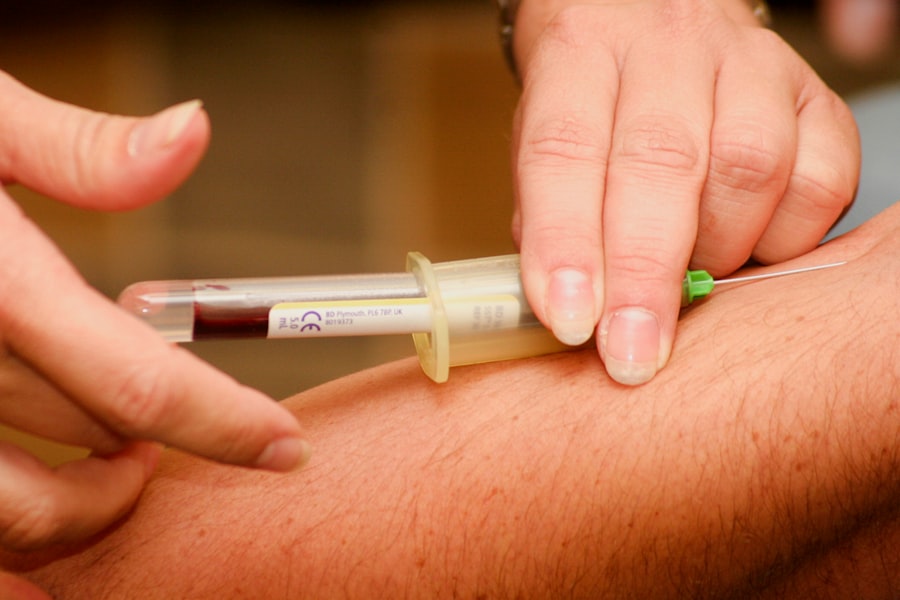
Blood tests play a critical role in the diagnosis and management of heart failure. They provide valuable information regarding the underlying causes of the condition, assess the severity of heart failure, and help differentiate it from other potential causes of similar symptoms. The use of biomarkers in blood tests has revolutionized the diagnostic process, allowing for more accurate and timely identification of heart failure.
One of the most widely used biomarkers in heart failure diagnosis is B-type natriuretic peptide (BNP) or its amino-terminal prohormone (NT-proBNP). Elevated levels of these peptides indicate increased myocardial wall stress and are strongly correlated with the presence and severity of heart failure. The incorporation of these biomarkers into clinical practice has significantly improved diagnostic accuracy, enabling healthcare providers to make informed decisions regarding patient management.
Biomarkers for Heart Failure
| Biomarker | Role | Diagnostic Value |
|---|---|---|
| NT-proBNP | Indicator of cardiac stress | High levels indicate heart failure |
| Troponin | Indicator of heart muscle damage | Elevated levels suggest heart failure |
| ST2 | Marker of cardiac fibrosis and remodeling | Higher levels associated with heart failure severity |
Biomarkers are biological indicators that can provide insights into the pathophysiological processes occurring in heart failure. In addition to BNP and NT-proBNP, several other biomarkers have been investigated for their potential utility in diagnosing and managing heart failure. These include troponins, which are markers of myocardial injury; galectin-3, which is associated with fibrosis; and ST2, a marker related to myocardial stress and inflammation.
The use of multiple biomarkers can enhance diagnostic precision and prognostic stratification in heart failure patients.
By integrating these biomarkers into clinical practice, healthcare providers can develop a more comprehensive understanding of each patient’s unique pathophysiology, leading to personalized treatment approaches.
Types of Blood Tests for Heart Failure
Several types of blood tests are utilized in the evaluation of heart failure. The most common tests include complete blood count (CBC), comprehensive metabolic panel (CMP), liver function tests, renal function tests, and specific cardiac biomarkers such as BNP and troponins. Each test serves a distinct purpose in assessing various aspects of cardiac function and overall health.
The CBC provides information on hemoglobin levels and white blood cell counts, which can indicate anemia or infection—conditions that may exacerbate heart failure symptoms. The CMP assesses electrolyte levels, kidney function, and liver enzymes, all of which are crucial for evaluating a patient’s overall health status. Cardiac biomarkers like BNP and troponins are essential for diagnosing heart failure and determining the presence of myocardial injury or stress.
Accuracy and Reliability of Blood Tests
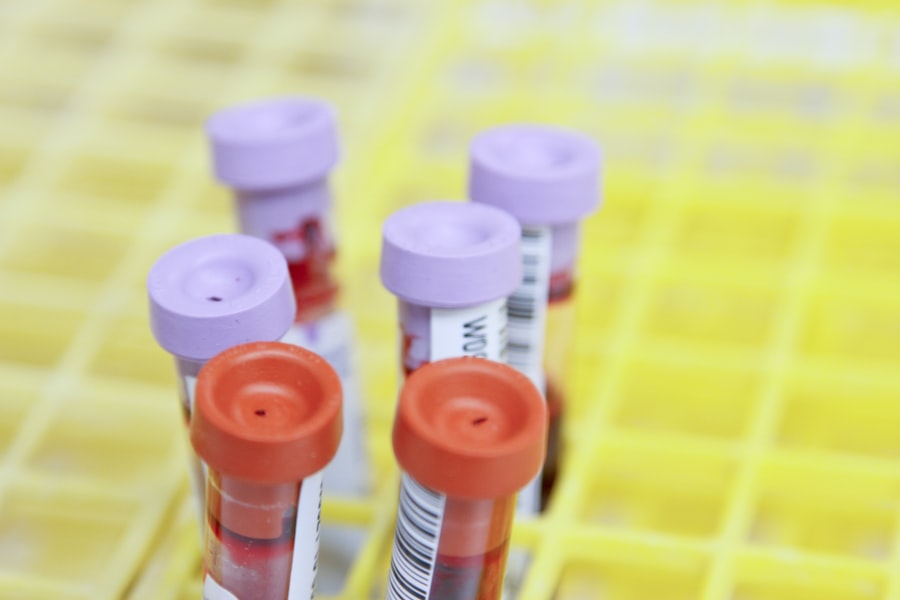
The accuracy and reliability of blood tests in diagnosing heart failure are critical factors influencing clinical decision-making. Studies have demonstrated that BNP and NT-proBNP levels correlate well with echocardiographic findings and clinical symptoms, making them reliable indicators for diagnosing heart failure. However, it is essential to consider factors that may affect biomarker levels, such as age, renal function, and comorbidities.
While these biomarkers are highly sensitive and specific for heart failure diagnosis, they should not be used in isolation. A comprehensive clinical assessment that includes patient history, physical examination findings, and imaging studies is necessary to confirm the diagnosis accurately. The integration of blood tests with other diagnostic modalities enhances overall diagnostic accuracy and ensures that patients receive appropriate treatment based on their individual needs.
Monitoring Heart Failure Progression
Monitoring the progression of heart failure is vital for optimizing treatment strategies and improving patient outcomes. Regular blood tests can provide insights into changes in biomarker levels over time, reflecting the patient’s response to therapy and disease progression. For instance, rising levels of BNP or NT-proBNP may indicate worsening heart failure or inadequate treatment response.
In addition to biomarker monitoring, healthcare providers should assess clinical parameters such as weight changes, functional capacity, and symptom burden during routine follow-up visits. This comprehensive approach allows for timely adjustments to treatment plans based on individual patient needs. Furthermore, telehealth technologies can facilitate remote monitoring of patients with heart failure, enabling healthcare providers to intervene promptly when necessary.
Blood Tests for Assessing Treatment Effectiveness
Blood tests are instrumental in evaluating the effectiveness of treatment strategies for heart failure. By measuring biomarker levels before and after initiating therapy, healthcare providers can gauge the impact of medications on cardiac function and overall health status. For example, a significant reduction in BNP or NT-proBNP levels following treatment initiation may indicate improved cardiac function and symptom relief.
In addition to biomarkers, regular assessment of renal function and electrolyte levels is essential when managing patients on diuretics or other medications that may affect kidney function. Monitoring these parameters helps prevent complications associated with treatment while ensuring optimal therapeutic outcomes.
Potential Future Developments in Blood Testing for Heart Failure
The field of blood testing for heart failure is rapidly evolving, with ongoing research aimed at identifying novel biomarkers that could enhance diagnostic accuracy and prognostic stratification. Advances in proteomics, genomics, and metabolomics hold promise for discovering new biomarkers that may provide insights into disease mechanisms and treatment responses. Additionally, point-of-care testing technologies are being developed to facilitate rapid biomarker assessment in various clinical settings.
These innovations could enable healthcare providers to make timely decisions regarding patient management without waiting for laboratory results. As research continues to uncover new biomarkers and testing methodologies, the future landscape of heart failure diagnosis and management will likely become more precise and personalized.
Integrating Blood Tests into Routine Health Check-ups
Integrating blood tests into routine health check-ups is essential for early detection and effective management of heart failure. Healthcare providers should consider incorporating biomarker assessments as part of standard evaluations for high-risk populations or individuals presenting with symptoms suggestive of heart failure. Educating patients about the importance of regular health check-ups and biomarker testing can empower them to take an active role in their health management.
Furthermore, healthcare systems should prioritize access to blood testing services to ensure timely diagnosis and intervention for patients at risk for heart failure.
The Role of Blood Tests in Managing Heart Failure
In conclusion, blood tests play a pivotal role in diagnosing, monitoring, and managing heart failure. The integration of biomarkers such as BNP and NT-proBNP into clinical practice has revolutionized the approach to this complex condition, allowing for more accurate diagnoses and tailored treatment strategies. As research continues to advance our understanding of heart failure pathophysiology and biomarker development, the future holds promise for even more effective diagnostic tools.
By prioritizing early detection through routine health check-ups and leveraging blood tests as part of comprehensive patient assessments, healthcare providers can significantly improve outcomes for individuals living with heart failure. Ultimately, a proactive approach to monitoring and managing this condition will lead to enhanced quality of life for patients while reducing the burden on healthcare systems worldwide.
If you are interested in learning more about heart health and the importance of blood tests for heart failure, check out this informative article on honoring veterans and celebrating the Nov. 11 holiday. This article discusses the significance of recognizing and supporting our veterans, which ties into the importance of taking care of our overall health, including monitoring our heart health through regular blood tests.
FAQs
What are blood tests for heart failure?
Blood tests for heart failure are laboratory tests that can help diagnose and monitor heart failure by measuring certain substances in the blood that indicate heart function and overall health.
What do blood tests for heart failure measure?
Blood tests for heart failure may measure levels of B-type natriuretic peptide (BNP) and N-terminal pro-B-type natriuretic peptide (NT-proBNP), which are hormones released by the heart in response to stress and can indicate heart failure. Other tests may measure electrolyte levels, kidney function, liver function, and cholesterol levels.
How are blood tests for heart failure used in diagnosis and monitoring?
Blood tests for heart failure can help diagnose heart failure by identifying elevated levels of BNP or NT-proBNP. These tests can also be used to monitor the progression of heart failure and the effectiveness of treatment.
Are blood tests for heart failure invasive?
Blood tests for heart failure are minimally invasive and involve a simple blood draw, similar to other routine blood tests.
Are there any risks or side effects associated with blood tests for heart failure?
The risks and side effects associated with blood tests for heart failure are minimal and typically include mild discomfort or bruising at the site of the blood draw.