Now Reading: Nasopharyngeal Cancer: Understanding Symptoms and Treatment
-
01
Nasopharyngeal Cancer: Understanding Symptoms and Treatment
Nasopharyngeal Cancer: Understanding Symptoms and Treatment

Nasopharyngeal cancer (NPC) is a malignant neoplasm that arises in the nasopharynx, the upper part of the throat located behind the nose. This region serves as a critical passageway for air and food, making it essential for normal respiratory and digestive functions. NPC is classified as a type of head and neck cancer and is notably distinct from other cancers due to its unique histological characteristics and epidemiological patterns.
The most common histological subtype of NPC is undifferentiated carcinoma, which is often associated with the Epstein-Barr virus (EBV), a member of the herpesvirus family. The incidence of nasopharyngeal cancer varies significantly across different geographical regions, with higher prevalence rates observed in Southeast Asia, particularly in countries such as Malaysia and China. In contrast, NPC is relatively rare in Western countries.
The etiology of this malignancy is multifactorial, involving genetic predispositions, environmental exposures, and viral infections. Understanding the pathophysiology of NPC is crucial for developing effective prevention strategies and treatment modalities.
Key Takeaways
- Nasopharyngeal cancer is a rare type of head and neck cancer that affects the nasopharynx, the area behind the nose and above the back of the throat.
- Common symptoms of nasopharyngeal cancer include a lump in the neck, nosebleeds, hearing loss, and difficulty breathing or speaking.
- Risk factors for nasopharyngeal cancer include being of Asian descent, exposure to the Epstein-Barr virus, and a family history of the disease.
- Diagnosing nasopharyngeal cancer involves a physical exam, imaging tests, and a biopsy to confirm the presence of cancer cells.
- Treatment options for nasopharyngeal cancer may include surgery, radiation therapy, chemotherapy, and immunotherapy, depending on the stage and severity of the cancer.
Common Symptoms of Nasopharyngeal Cancer
Patients with nasopharyngeal cancer may present with a variety of symptoms, which can often be nonspecific and easily mistaken for other conditions. One of the hallmark signs is the presence of a persistent nasal obstruction or congestion, which may be accompanied by epistaxis (nosebleeds). Additionally, individuals may experience otitis media due to Eustachian tube dysfunction, leading to hearing loss or a sensation of fullness in the ear.
Other common symptoms include sore throat, difficulty swallowing (dysphagia), and changes in voice quality. As the disease progresses, patients may develop cervical lymphadenopathy, characterized by swollen lymph nodes in the neck. This can lead to further complications such as pain or discomfort in the affected areas.
It is essential for individuals experiencing these symptoms to seek medical evaluation promptly, as early detection significantly improves treatment outcomes.
Risk Factors for Nasopharyngeal Cancer

Several risk factors have been identified that contribute to the development of nasopharyngeal cancer. One of the most significant is the association with the Epstein-Barr virus (EBV), which has been implicated in the pathogenesis of NPIndividuals with a history of EBV infection are at an increased risk, particularly those who develop infectious mononucleosis during adolescence. Other notable risk factors include genetic predisposition, particularly among individuals of Southern Chinese descent, who exhibit a higher incidence of NPEnvironmental factors such as exposure to certain chemicals, including formaldehyde and wood dust, have also been linked to an elevated risk.
Additionally, dietary habits, particularly the consumption of preserved foods high in nitrates and salt, may contribute to the development of this malignancy. Lifestyle choices such as tobacco use and excessive alcohol consumption further exacerbate the risk profile for nasopharyngeal cancer. Understanding these risk factors is crucial for implementing preventive measures and educating at-risk populations about potential lifestyle modifications.
Diagnosing Nasopharyngeal Cancer
| Diagnostic Test | Sensitivity | Specificity | Accuracy |
|---|---|---|---|
| Biopsy | 85% | 95% | 90% |
| Imaging (MRI/CT) | 80% | 85% | 82% |
| Blood tests (EBV DNA) | 70% | 75% | 72% |
The diagnostic process for nasopharyngeal cancer typically begins with a thorough clinical evaluation, including a detailed medical history and physical examination. Healthcare providers often utilize endoscopic techniques to visualize the nasopharynx directly. Nasopharyngoscopy allows for the identification of abnormal lesions and facilitates biopsy procedures to obtain tissue samples for histopathological analysis.
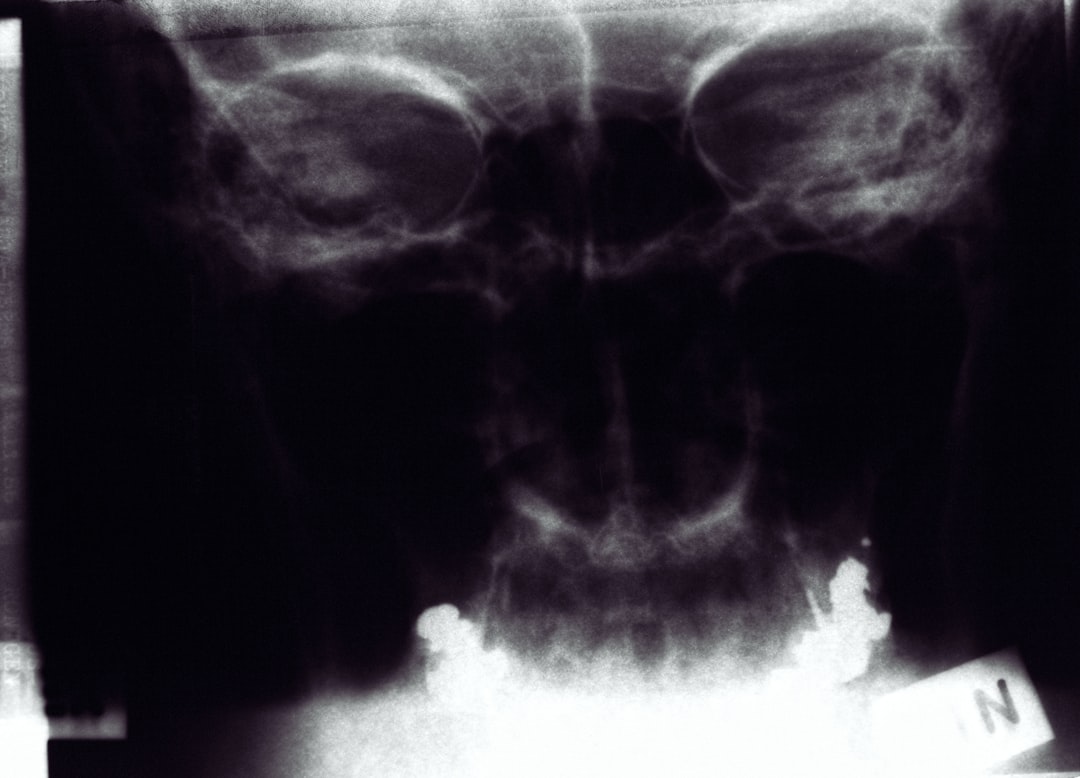
Imaging studies play a pivotal role in diagnosing NPC and assessing its extent. Magnetic resonance imaging (MRI) is particularly valuable due to its superior soft tissue contrast, enabling accurate evaluation of tumor invasion into surrounding structures. Computed tomography (CT) scans are also employed to assess lymph node involvement and distant metastasis.
Additionally, serological tests for EBV antibodies can provide supportive evidence for diagnosis.
Stages of Nasopharyngeal Cancer
Staging is a critical component in the management of nasopharyngeal cancer, as it determines treatment strategies and prognostic outcomes. The American Joint Committee on Cancer (AJCC) staging system is commonly utilized, categorizing NPC into four stages based on tumor size, lymph node involvement, and distant metastasis.
– Stage II: The tumor has spread to nearby lymph nodes but remains localized.
– Stage III: The tumor has invaded deeper structures or more extensive lymph node involvement.
– Stage IV: The cancer has metastasized to distant organs or tissues.
Accurate staging is essential for tailoring treatment approaches and providing patients with realistic prognostic information.
Treatment Options for Nasopharyngeal Cancer

The management of nasopharyngeal cancer typically involves a multidisciplinary approach that may include surgery, radiation therapy, chemotherapy, and immunotherapy. The choice of treatment depends on various factors such as tumor stage, location, patient health status, and individual preferences. For early-stage NPC (stages I and II), radiation therapy is often the primary treatment modality due to its effectiveness in targeting localized tumors while preserving surrounding healthy tissue.
In more advanced stages (stages III and IV), a combination of chemotherapy and radiation therapy may be employed to enhance treatment efficacy and improve survival rates.
Surgery for Nasopharyngeal Cancer
Surgical intervention for nasopharyngeal cancer is generally reserved for specific cases where tumors are resectable or when there is a need to alleviate obstructive symptoms. Surgical techniques may include transoral resection or more extensive approaches such as craniofacial resection for larger tumors invading adjacent structures. While surgery can provide significant benefits in terms of symptom relief and tumor removal, it carries inherent risks such as bleeding, infection, and potential damage to surrounding anatomical structures.
Therefore, careful patient selection and preoperative assessment are crucial to optimize surgical outcomes.
Radiation Therapy for Nasopharyngeal Cancer
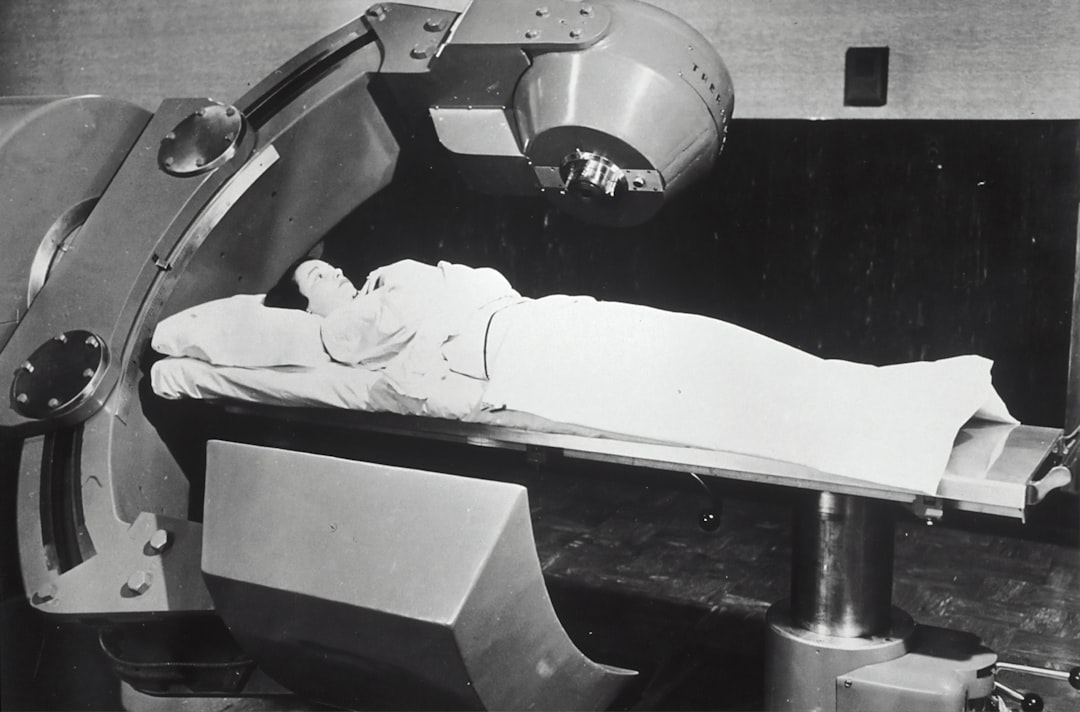
Radiation therapy remains a cornerstone in the treatment of nasopharyngeal cancer due to its ability to target malignant cells effectively while minimizing damage to adjacent healthy tissues. External beam radiation therapy (EBRT) is commonly utilized, delivering high doses of radiation precisely to the tumor site. In some cases, intensity-modulated radiation therapy (IMRT) may be employed to further enhance treatment precision by modulating radiation intensity across different areas of the tumor.
This technique allows for higher doses to be delivered to the tumor while sparing critical structures such as salivary glands and spinal cord. Radiation therapy can lead to acute side effects such as mucositis, xerostomia (dry mouth), and fatigue. Long-term complications may include changes in taste perception and potential dental issues.
Supportive care measures are essential to manage these side effects effectively.
Chemotherapy for Nasopharyngeal Cancer
Chemotherapy plays a vital role in the management of nasopharyngeal cancer, particularly in advanced stages where systemic treatment is necessary. Commonly used chemotherapeutic agents include cisplatin, fluorouracil, and carboplatin. These agents work by targeting rapidly dividing cancer cells, inhibiting their growth and proliferation.
Chemotherapy can be administered as neoadjuvant therapy prior to radiation or as adjuvant therapy following radiation treatment to enhance overall efficacy. Combination regimens are often employed to maximize therapeutic outcomes while minimizing resistance development. Patients undergoing chemotherapy may experience side effects such as nausea, vomiting, hair loss, and myelosuppression leading to increased susceptibility to infections.
Close monitoring and supportive care are essential components of chemotherapy management.
Immunotherapy for Nasopharyngeal Cancer
Immunotherapy represents an emerging frontier in the treatment landscape for nasopharyngeal cancer. This innovative approach harnesses the body’s immune system to recognize and attack cancer cells more effectively. Immune checkpoint inhibitors such as pembrolizumab and nivolumab have shown promise in clinical trials for patients with recurrent or metastatic NPC.
These agents work by blocking inhibitory pathways that prevent T-cells from attacking tumor cells, thereby enhancing anti-tumor immune responses.
Ongoing research continues to explore combination strategies involving immunotherapy with traditional modalities like chemotherapy and radiation therapy to improve outcomes further.
Prognosis and Survival Rates for Nasopharyngeal Cancer
The prognosis for nasopharyngeal cancer varies significantly based on several factors including stage at diagnosis, histological subtype, and response to treatment. Overall survival rates have improved over recent decades due to advancements in early detection and treatment modalities. According to recent statistics, the five-year survival rate for localized nasopharyngeal cancer can exceed 80%, while advanced stages may present lower survival rates ranging from 30% to 50%.
Continuous follow-up care is essential for monitoring potential recurrence and managing long-term effects of treatment. In summary, nasopharyngeal cancer is a complex malignancy with distinct characteristics that necessitate a comprehensive understanding of its symptoms, risk factors, diagnostic methods, staging systems, and treatment options. Early detection remains paramount in improving patient outcomes through tailored therapeutic strategies that may include surgery, radiation therapy, chemotherapy, or immunotherapy.
Ongoing research efforts aim to enhance our understanding of this disease further while exploring innovative treatment avenues that could lead to improved survival rates and quality of life for affected individuals.
If you or a loved one has been diagnosed with nasopharyngeal cancer, it is important to seek legal advice to understand your rights and options. Choosing the right lawyer can make a significant difference in navigating the complexities of a cancer diagnosis. For more information on how to choose a lawyer for your needs in 2025, check out this helpful article.
FAQs
What is nasopharyngeal cancer?
Nasopharyngeal cancer is a type of cancer that occurs in the nasopharynx, which is the upper part of the throat behind the nose.
What are the symptoms of nasopharyngeal cancer?
Symptoms of nasopharyngeal cancer may include a lump in the neck, nosebleeds, hearing loss, ringing in the ears, difficulty breathing or speaking, and frequent headaches.
What are the risk factors for nasopharyngeal cancer?
Risk factors for nasopharyngeal cancer include infection with the Epstein-Barr virus, a family history of the disease, consumption of salt-cured foods, and exposure to certain chemicals.
How is nasopharyngeal cancer diagnosed?
Nasopharyngeal cancer is typically diagnosed through a physical examination, imaging tests such as MRI or CT scans, and a biopsy to examine tissue for cancer cells.
What are the treatment options for nasopharyngeal cancer?
Treatment for nasopharyngeal cancer may include surgery, radiation therapy, chemotherapy, or a combination of these treatments, depending on the stage and location of the cancer.
What is the prognosis for nasopharyngeal cancer?
The prognosis for nasopharyngeal cancer depends on the stage of the cancer at the time of diagnosis, as well as the individual’s overall health and response to treatment. Early detection and treatment can improve the prognosis.