Now Reading: Advancements in Liver Cancer Treatment
-
01
Advancements in Liver Cancer Treatment
Advancements in Liver Cancer Treatment
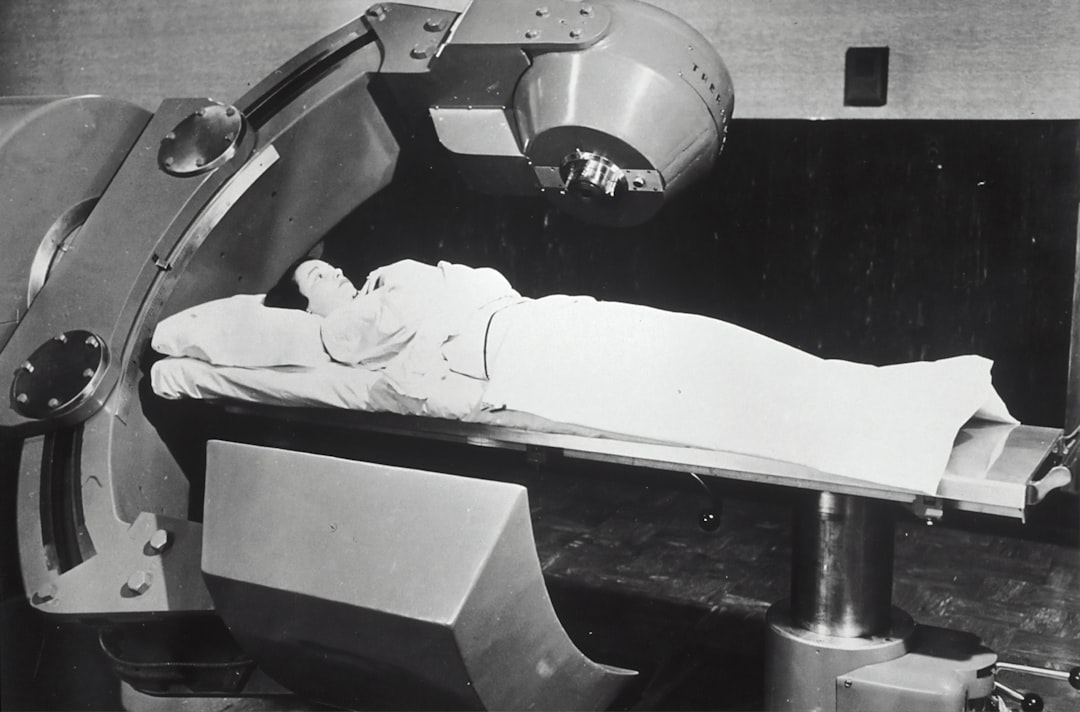
Liver cancer, or hepatocellular carcinoma (HCC), is a malignancy that originates in the liver cells, accounting for approximately 75% of all primary liver cancers. Globally, it ranks as the sixth most prevalent cancer and the fourth leading cause of cancer-related mortality, with an estimated 905,677 new cases and 830,180 deaths reported in 2020 alone. The incidence of liver cancer is notably higher in regions with endemic hepatitis B and C infections, cirrhosis, and chronic liver disease.
Risk factors include excessive alcohol consumption, obesity, diabetes, and exposure to aflatoxins. The liver plays a crucial role in various metabolic processes, including detoxification, protein synthesis, and the production of biochemicals necessary for digestion. When cancer develops in this vital organ, it can lead to significant morbidity and mortality.
Early detection is often challenging due to the asymptomatic nature of the disease in its initial stages. Consequently, understanding the pathophysiology, risk factors, and clinical manifestations of liver cancer is essential for timely diagnosis and effective management.
Key Takeaways
- Liver cancer is a serious and potentially life-threatening disease that requires prompt and effective treatment.
- Traditional treatment methods for liver cancer include surgery, chemotherapy, and radiation therapy.
- Advancements in surgical techniques, such as laparoscopic and robotic-assisted surgery, have improved outcomes for liver cancer patients.
- Targeted therapy and immunotherapy are promising new treatment options for liver cancer, targeting specific cancer cells and boosting the body’s immune response.
- Radioembolization, chemoembolization, and liver transplantation are also important treatment options for liver cancer, offering hope for patients with advanced disease.
Traditional Treatment Methods for Liver Cancer
Traditional treatment modalities for liver cancer primarily include surgical resection and ablation techniques. Surgical resection involves the excision of the tumor along with a margin of healthy tissue. This approach is typically reserved for patients with localized tumors and preserved liver function.
The five-year survival rate post-resection can be as high as 50% to 70% in selected patients; however, this option is not viable for those with advanced disease or significant underlying liver dysfunction. Ablation techniques, such as radiofrequency ablation (RFA) and microwave ablation (MWA), are minimally invasive procedures that destroy cancer cells through thermal energy. RFA utilizes high-frequency radio waves to generate heat, while MWA employs microwave energy.
These methods are particularly beneficial for small tumors (generally less than 3 cm) and can be performed percutaneously or laparoscopically. Both techniques have shown promising outcomes with low complication rates and can be repeated if necessary.
Advancements in Surgical Techniques for Liver Cancer

Recent advancements in surgical techniques have significantly improved outcomes for patients with liver cancer. Laparoscopic liver resection has emerged as a less invasive alternative to traditional open surgery, offering reduced postoperative pain, shorter hospital stays, and quicker recovery times. This technique allows for precise tumor excision while minimizing damage to surrounding healthy tissue.
Moreover, the development of intraoperative imaging technologies, such as fluorescence-guided surgery, enhances the surgeon’s ability to visualize tumors during resection.
This technique utilizes fluorescent dyes that selectively accumulate in cancerous tissues, allowing for real-time identification and removal of malignant cells.
Additionally, robotic-assisted surgery has gained traction in liver cancer treatment, providing enhanced dexterity and precision during complex resections.
Targeted Therapy for Liver Cancer
| Treatment | Success Rate | Side Effects |
|---|---|---|
| Sorafenib | 30-40% | Fatigue, diarrhea, hand-foot skin reaction |
| Lenvatinib | 40% | Hypertension, fatigue, diarrhea |
| Regorafenib | 27% | Fatigue, hand-foot skin reaction, diarrhea |
Targeted therapy represents a paradigm shift in the treatment of liver cancer by focusing on specific molecular targets associated with tumor growth and progression. Sorafenib, a multi-kinase inhibitor, was the first targeted therapy approved for advanced HCIt works by inhibiting tumor cell proliferation and angiogenesis through the blockade of various signaling pathways, including the Raf/MEK/ERK pathway. Other targeted agents under investigation include regorafenib and lenvatinib, which have demonstrated efficacy in patients who have progressed on sorafenib.
Regorafenib targets multiple kinases involved in tumor growth and angiogenesis, while lenvatinib inhibits vascular endothelial growth factor (VEGF) receptors and fibroblast growth factor (FGF) receptors.
Immunotherapy for Liver Cancer
Immunotherapy has emerged as a promising treatment modality for liver cancer, harnessing the body’s immune system to combat malignant cells. Immune checkpoint inhibitors, such as nivolumab and pembrolizumab, have shown efficacy in advanced HCC by blocking proteins that inhibit immune responses against tumors. These agents target programmed cell death protein 1 (PD-1) and its ligand (PD-L1), enhancing T-cell activation and promoting anti-tumor immunity.
Combination therapies involving immunotherapy and targeted agents are currently being explored in clinical trials to improve treatment outcomes further. For instance, the combination of atezolizumab (an anti-PD-L1 antibody) and bevacizumab (an anti-VEGF antibody) has demonstrated promising results in terms of overall survival and progression-free survival in patients with unresectable HCC.
Radioembolization and Chemoembolization for Liver Cancer

Treating Liver Tumors with Targeted Therapies
Radioembolization and chemoembolization are innovative interventional radiology techniques used to treat liver tumors by delivering therapeutic agents directly into the blood supply of the tumor. This targeted approach allows for effective treatment while minimizing harm to surrounding healthy tissue.
Transarterial Chemoembolization (TACE): A Combination Therapy
Transarterial chemoembolization (TACE) involves the injection of chemotherapy drugs mixed with embolic agents that block blood flow to the tumor, leading to ischemia and subsequent cell death. This combination therapy has shown promising results in controlling tumor growth and improving patient outcomes.
Radioembolization: A Precise and Effective Treatment Option
Radioembolization, on the other hand, utilizes radioactive microspheres to deliver localized radiation therapy directly to the tumor while sparing surrounding healthy tissue. This technique is particularly beneficial for patients with unresectable HCC or those who are not candidates for surgery.
Advances in Radiation Therapy for Liver Cancer
Advancements in radiation therapy have revolutionized the management of liver cancer by providing more precise targeting of tumors while minimizing damage to adjacent healthy structures. Stereotactic body radiation therapy (SBRT) delivers high doses of radiation to localized tumors over a limited number of sessions, resulting in improved local control rates. Additionally, intensity-modulated radiation therapy (IMRT) allows for the modulation of radiation beams to conform to the shape of the tumor, reducing exposure to surrounding organs at risk.
These advancements have led to improved outcomes in terms of local control and reduced toxicity compared to conventional radiation therapy.
Liver Transplantation as a Treatment Option for Liver Cancer
Liver transplantation is a curative treatment option for patients with early-stage liver cancer who meet specific criteria, such as the Milan criteria (single tumor ≤5 cm or up to three tumors each ≤3 cm without extrahepatic spread). This approach addresses both the malignancy and underlying liver disease simultaneously. The success of liver transplantation hinges on careful patient selection and timely intervention.
Post-transplant recurrence rates are relatively low compared to other treatment modalities, with five-year survival rates exceeding 70%. However, organ availability remains a significant challenge; thus, bridging therapies such as TACE or RFA may be employed while patients await transplantation.
Emerging Therapies and Clinical Trials for Liver Cancer
The landscape of liver cancer treatment is rapidly evolving with ongoing research into emerging therapies and clinical trials. Novel agents targeting specific molecular pathways involved in HCC pathogenesis are under investigation, including inhibitors of the Wnt/β-catenin pathway and agents targeting metabolic dysregulation within tumor cells. Additionally, combination therapies that integrate immunotherapy with targeted agents or traditional treatments are being explored to enhance therapeutic efficacy.
Clinical trials play a crucial role in advancing our understanding of liver cancer management and identifying optimal treatment strategies tailored to individual patient profiles.
Multidisciplinary Approach to Liver Cancer Treatment
A multidisciplinary approach is essential for optimizing outcomes in liver cancer management. Collaboration among hepatologists, oncologists, surgeons, radiologists, and pathologists ensures comprehensive care tailored to each patient’s unique needs. This team-based strategy facilitates timely diagnosis, staging, treatment planning, and follow-up care.
Regular tumor board meetings allow healthcare professionals to discuss complex cases collaboratively, ensuring that all available treatment options are considered. This integrated approach not only enhances patient outcomes but also fosters ongoing research initiatives aimed at improving therapeutic strategies.
Future Directions in Liver Cancer Treatment
The future of liver cancer treatment lies in personalized medicine, where therapies are tailored based on individual genetic profiles and tumor characteristics. Advances in genomic sequencing technologies enable the identification of specific mutations driving tumor growth, paving the way for targeted therapies that address these alterations. Furthermore, ongoing research into biomarkers may facilitate early detection and monitoring of treatment response, ultimately improving patient outcomes.
As our understanding of liver cancer biology continues to evolve, innovative therapeutic strategies will emerge, offering hope for improved survival rates and quality of life for patients affected by this challenging disease. In summary, liver cancer remains a significant global health challenge characterized by high morbidity and mortality rates. Traditional treatment methods such as surgical resection and ablation continue to play a vital role; however, advancements in targeted therapy, immunotherapy, interventional radiology techniques, and radiation therapy have expanded treatment options significantly.
A multidisciplinary approach ensures comprehensive care tailored to individual patient needs while ongoing research into emerging therapies holds promise for future advancements in liver cancer management.
Liver cancer treatment is a crucial topic that requires attention and research. One related article that delves into this subject is “Advancements in Liver Cancer Treatment” from Boogger.com. This article discusses the latest developments in the field of liver cancer treatment, including innovative therapies and promising research findings. It sheds light on the importance of early detection and personalized treatment plans for patients battling this disease.
FAQs
What are the common treatment options for liver cancer?
The common treatment options for liver cancer include surgery, liver transplant, ablation therapy, embolization therapy, radiation therapy, and targeted drug therapy.
How is the treatment option determined for liver cancer?
The treatment option for liver cancer is determined based on the stage of the cancer, the patient’s overall health, and the location and size of the tumor.
What is the goal of liver cancer treatment?
The goal of liver cancer treatment is to remove or destroy the cancerous cells, prevent the cancer from spreading, and improve the patient’s quality of life.
Is chemotherapy used in the treatment of liver cancer?
Chemotherapy is not commonly used as a primary treatment for liver cancer, but it may be used in combination with other treatments in certain cases.
What are the potential side effects of liver cancer treatment?
The potential side effects of liver cancer treatment may include fatigue, nausea, vomiting, loss of appetite, hair loss, and changes in liver function. The specific side effects depend on the type of treatment used.