Now Reading: Improving Access: Bellevue Transit Center Upgrades
-
01
Improving Access: Bellevue Transit Center Upgrades
Improving Access: Bellevue Transit Center Upgrades
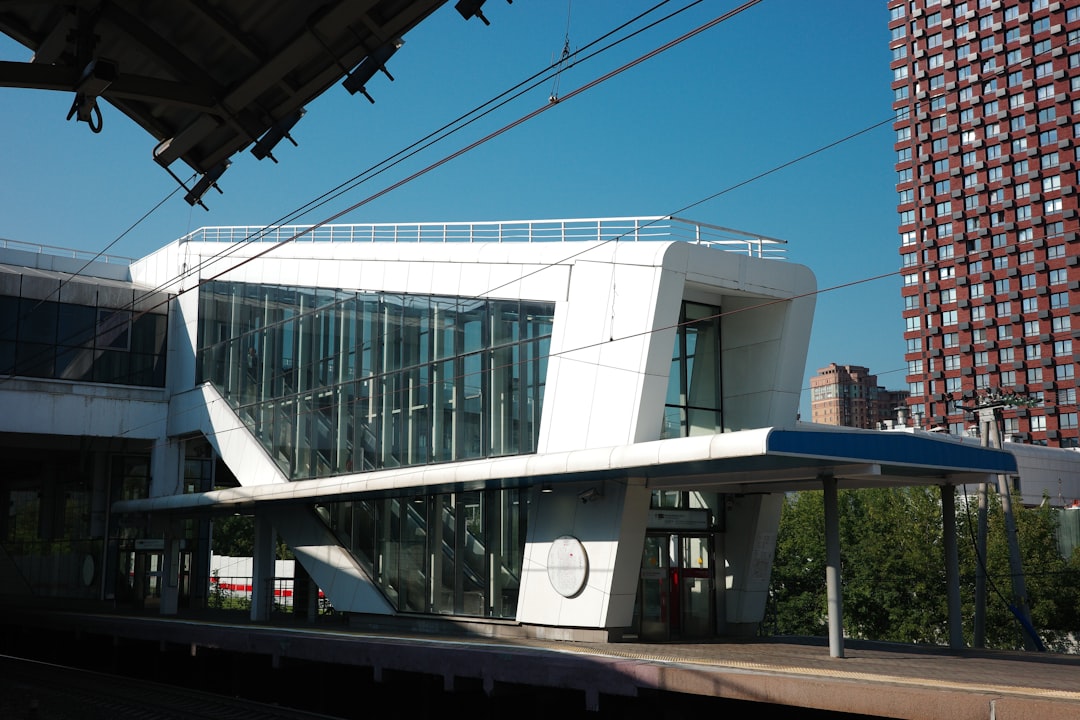
The Bellevue Transit Center is a major public transportation facility located in downtown Bellevue, Washington. The center connects multiple transportation modes, including bus services, light rail, and pedestrian access routes. It serves thousands of daily commuters and functions as a key component of the regional transit network, supporting efforts to provide alternatives to private vehicle transportation and manage traffic volume in the area.
The facility features contemporary infrastructure and various passenger services designed to accommodate growing ridership demands in the expanding urban area. The center incorporates modern technology systems and passenger amenities to provide transportation services for both local residents and visitors to the region. This analysis examines the development history, operational challenges, planned infrastructure improvements, and future expansion plans for the Bellevue Transit Center within the context of regional public transportation planning.
Key Takeaways
- Bellevue Transit Center is undergoing significant upgrades to improve access and user experience.
- Expansion includes more bus bays, platforms, pedestrian pathways, and bike lanes.
- New lighting, security features, and digital signage will enhance safety and information availability.
- Passenger amenities like seating and shelters are being upgraded for comfort.
- Coordination with local government aims for timely completion with minimal disruption to transit users.
History of Bellevue Transit Center
The Bellevue Transit Center was established in the early 1990s as part of a broader initiative to improve public transportation in the Puget Sound region. Initially designed to accommodate a limited number of bus routes, the center has evolved significantly over the years to meet the increasing demands of a growing population. The original design focused on basic functionality, providing essential services such as ticketing and waiting areas.
However, as Bellevue transformed into a bustling urban center, the need for a more comprehensive transit solution became evident. In 2003, significant renovations were undertaken to expand the facility and enhance its capabilities. These upgrades included the addition of new bus bays, improved passenger amenities, and better accessibility features.
The center’s design reflects a commitment to sustainability, incorporating eco-friendly materials and energy-efficient systems. Over the years, Bellevue Transit Center has become a model for other transit facilities in the region, showcasing how thoughtful design can improve public transportation experiences.
Current challenges with access at Bellevue Transit Center
Despite its many advantages, the Bellevue Transit Center faces several challenges related to accessibility and user experience. One of the primary issues is congestion during peak hours, which can lead to delays and frustration for commuters. The limited number of bus bays often results in overcrowding, making it difficult for passengers to board and alight safely.
Additionally, the existing pedestrian pathways are sometimes inadequate for accommodating the high volume of foot traffic, leading to potential safety hazards. Another significant challenge is the lack of comprehensive bike infrastructure in and around the transit center. As more individuals opt for cycling as a mode of transportation, the absence of dedicated bike lanes and secure parking facilities can deter potential users from utilizing this eco-friendly option.
Furthermore, inadequate lighting and security measures have raised concerns among commuters regarding personal safety during early morning or late evening travel. Addressing these challenges is essential for enhancing the overall functionality and appeal of the Bellevue Transit Center.
Planned upgrades and improvements
In response to these challenges, local authorities have outlined an ambitious plan for upgrades and improvements at the Bellevue Transit Center. These enhancements aim to create a more efficient and user-friendly environment for all transit users. Key components of the planned upgrades include expanding bus bays and platforms, improving pedestrian pathways and bike lanes, enhancing lighting and security features, implementing digital signage for real-time information, and upgrading passenger amenities.
The overarching goal of these improvements is to create a transit center that not only meets current demands but also anticipates future growth. By investing in infrastructure that prioritizes safety, accessibility, and convenience, local officials hope to encourage greater use of public transportation while reducing reliance on personal vehicles. The planned upgrades represent a significant commitment to enhancing urban mobility in Bellevue.
Expansion of bus bays and platforms
| Metric | Data |
|---|---|
| Location | Bellevue, Washington |
| Number of Bus Bays | 12 |
| Daily Ridership | Approximately 15,000 passengers |
| Served Transit Agencies | King County Metro, Sound Transit |
| Number of Routes | 15 |
| Facilities | Indoor waiting area, restrooms, ticket vending machines |
| Accessibility | Fully ADA compliant |
| Parking Spaces | 200 (nearby park and ride) |
| Opened | 1985 (original), renovated 2019 |
One of the most critical aspects of the planned upgrades at Bellevue Transit Center is the expansion of bus bays and platforms. Currently, the limited number of bus bays often leads to congestion during peak travel times, causing delays for both passengers and drivers. The proposed expansion will increase the number of bus bays available, allowing for more efficient boarding and alighting processes.
This expansion will also include larger platforms that can accommodate more passengers comfortably.
Additionally, improved signage will guide passengers to their respective buses more effectively, minimizing confusion during busy periods.
Overall, expanding bus bays and platforms is a crucial step toward creating a more efficient transit environment.
Addition of pedestrian pathways and bike lanes
To further enhance accessibility at Bellevue Transit Center, plans include the addition of dedicated pedestrian pathways and bike lanes. Currently, many commuters face challenges navigating through crowded areas due to insufficient walkways. The proposed pathways will provide safe routes for pedestrians traveling to and from the transit center, ensuring that all users can navigate the area with ease.
Moreover, dedicated bike lanes will encourage cycling as a viable mode of transportation for commuters. With an increasing emphasis on sustainability and reducing carbon footprints, providing secure bike parking facilities will further incentivize this eco-friendly option. By integrating pedestrian and cycling infrastructure into the transit center’s design, local authorities aim to create a holistic transportation network that accommodates diverse commuting preferences.
Installation of new lighting and security features
Safety is paramount in any public transportation facility, and Bellevue Transit Center is no exception. To address concerns regarding personal safety during early morning or late evening travel, plans include installing new lighting and security features throughout the transit center. Enhanced lighting will illuminate walkways, bus bays, and waiting areas, creating a safer environment for all users.
In addition to improved lighting, security measures such as surveillance cameras and emergency call stations will be implemented to provide an added layer of protection for commuters. These features will not only deter potential criminal activity but also instill confidence in users who may have previously hesitated to utilize public transportation due to safety concerns. By prioritizing security enhancements, local authorities aim to foster a sense of safety and well-being among all transit users.
Implementation of digital signage and real-time arrival information
In an increasingly digital world, providing real-time information is essential for enhancing user experience at transit centers. The planned upgrades at Bellevue Transit Center include implementing digital signage that displays real-time arrival information for buses and light rail services. This technology will allow commuters to stay informed about service schedules and any potential delays.
Digital signage will also provide important announcements regarding service changes or disruptions, ensuring that passengers are well-informed throughout their journey. By integrating technology into the transit experience, local authorities aim to streamline communication with users while reducing uncertainty associated with public transportation schedules.
Upgrades to passenger amenities such as seating and shelters
Comfortable amenities play a crucial role in enhancing the overall experience at any transit center. The planned upgrades at Bellevue Transit Center include significant improvements to passenger amenities such as seating areas and shelters. Currently, limited seating options can lead to discomfort during wait times; therefore, new seating arrangements will be designed with user comfort in mind.
Additionally, weather-resistant shelters will be installed at bus bays to protect passengers from inclement weather conditions while they wait for their rides. These enhancements will create a more inviting atmosphere at the transit center, encouraging greater use of public transportation among residents and visitors alike.
Coordination with local government and community stakeholders
Successful implementation of these planned upgrades requires effective coordination with local government agencies and community stakeholders. Collaboration among various entities ensures that all perspectives are considered during the planning process. Engaging with community members allows authorities to gather valuable feedback regarding their needs and preferences related to public transportation.
Local government officials are committed to fostering transparency throughout this process by hosting public meetings and forums where residents can voice their opinions on proposed changes. This collaborative approach not only strengthens community ties but also ensures that improvements align with the broader goals of urban development in Bellevue.
Timeline for completion and impact on transit users
The timeline for completing these planned upgrades at Bellevue Transit Center is projected over several phases spanning multiple years. Initial construction is expected to begin within the next year, with specific milestones set for each component of the project. Local authorities are dedicated to minimizing disruptions during construction while ensuring that transit services remain operational throughout the process.
Once completed, these enhancements are anticipated to have a profound impact on transit users in Bellevue. Improved accessibility, safety features, real-time information systems, and upgraded amenities will collectively create a more efficient public transportation experience. As a result, local officials hope to see increased ridership levels while contributing positively to overall urban mobility in the region.
In summary, the Bellevue Transit Center stands as a vital hub for public transportation in Washington State’s growing urban landscape.
Through strategic upgrades focused on accessibility, safety, technology integration, and community engagement, local authorities aim to enhance user experiences significantly while promoting sustainable transportation options in Bellevue’s vibrant community.
The Bellevue Transit Center serves as a crucial hub for public transportation in the region, facilitating easy access to various destinations. For those interested in understanding the broader implications of infrastructure on community development, you might find the article on the benefits of hiring a local lawyer insightful, as it discusses how legal expertise can aid in navigating local regulations and projects. You can read more about it in this article.
FAQs
What is the Bellevue Transit Center?
The Bellevue Transit Center is a major public transportation hub located in Bellevue, Washington. It serves as a central point for bus routes and other transit services in the region.
Where is the Bellevue Transit Center located?
The Bellevue Transit Center is situated in downtown Bellevue, near the intersection of Northeast 6th Street and 108th Avenue Northeast.
Which transit services operate at the Bellevue Transit Center?
The transit center is served by King County Metro Transit buses, Sound Transit Express buses, and other regional transit providers.
What facilities are available at the Bellevue Transit Center?
Facilities at the transit center include covered bus shelters, seating areas, real-time arrival information displays, ticket vending machines, and accessibility features for people with disabilities.
Is the Bellevue Transit Center connected to other transportation modes?
Yes, the transit center connects to local bus routes, regional express buses, and is planned to be integrated with future light rail services as part of the Sound Transit expansion.
Are there parking options available at or near the Bellevue Transit Center?
While the transit center itself does not have dedicated parking, there are several nearby parking garages and lots in downtown Bellevue where commuters can park.
Is the Bellevue Transit Center accessible for people with disabilities?
Yes, the transit center is designed to be fully accessible, with features such as ramps, tactile paving, audible announcements, and accessible boarding areas.
What are the operating hours of the Bellevue Transit Center?
The transit center operates in alignment with the schedules of the buses serving it, generally from early morning until late at night, seven days a week.
How can I find bus schedules and routes for the Bellevue Transit Center?
Bus schedules and route information can be found on the King County Metro Transit website, Sound Transit website, or through transit apps that provide real-time updates.
Are there any future development plans for the Bellevue Transit Center?
Yes, the Bellevue Transit Center is part of ongoing regional transit development plans, including integration with the East Link light rail extension, which will enhance connectivity and transit options in the area.