Now Reading: Discover Croatia’s Stunning Coastline
-
01
Discover Croatia’s Stunning Coastline
Discover Croatia’s Stunning Coastline
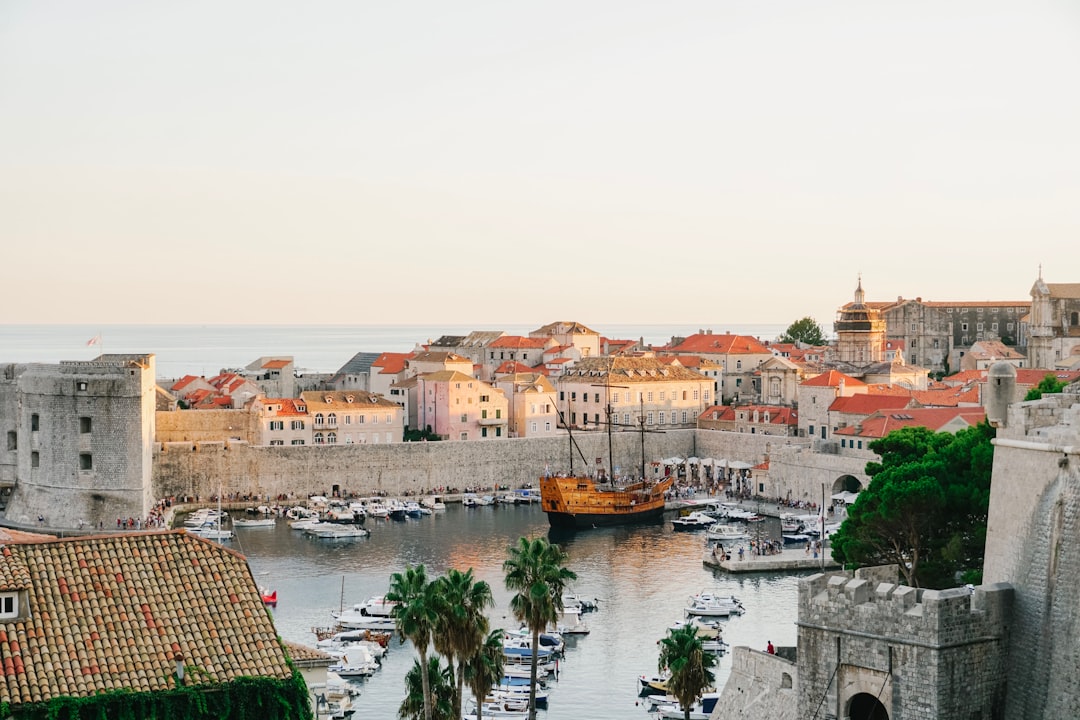
Croatia’s coastline extends over 1,700 kilometers along the Adriatic Sea, featuring diverse natural landscapes, historical sites, and vibrant communities. The shoreline is characterized by clear waters, numerous islands, and dramatic coastal cliffs. With more than 1,200 islands scattered throughout the Adriatic, Croatia offers varied environments and experiences for visitors seeking both leisure and exploration.
The region benefits from a Mediterranean climate with warm summers and mild winters, supporting diverse ecosystems and wildlife. Several national parks and protected areas have been established along the coast to preserve its natural resources and biodiversity. Croatia’s coastal environment represents a significant ecological asset in the Mediterranean basin, balancing tourism development with conservation efforts.
Key Takeaways
- Croatia’s coastline offers a rich blend of history, culture, and natural beauty with picturesque towns and hidden beach gems.
- Visitors can enjoy diverse marine life through activities like diving, sailing, and hiking along the scenic coast.
- The region is renowned for its delicious seafood and distinctive local cuisine, reflecting its coastal heritage.
- Unique architecture and landmarks provide cultural insights, while vibrant nightlife ensures entertainment for all.
- Sustainable tourism and conservation efforts are key to preserving Croatia’s stunning coastline for future generations.
The history and culture of the Croatian coastline
The Croatian coastline is steeped in a rich tapestry of history that dates back to ancient times. The region has been influenced by various civilizations, including the Romans, Venetians, and Austro-Hungarians, each leaving an indelible mark on the culture and architecture of the area. Ancient Roman ruins can be found in cities like Pula, where the well-preserved amphitheater stands as a testament to the grandeur of Roman engineering.
Similarly, the medieval towns of Dubrovnik and Split showcase stunning examples of Gothic and Renaissance architecture that reflect the region’s storied past. Cultural traditions are deeply rooted in the coastal communities, where local customs and festivals celebrate the region’s heritage. The annual Feast of St.
Blaise in Dubrovnik, for instance, draws thousands of visitors who come to witness the vibrant processions and traditional performances. Additionally, the coastal cuisine reflects a blend of influences from neighboring countries, with seafood playing a central role in local dishes. The rich history and cultural diversity of Croatia’s coastline create a unique atmosphere that enchants visitors and fosters a sense of connection to the past.
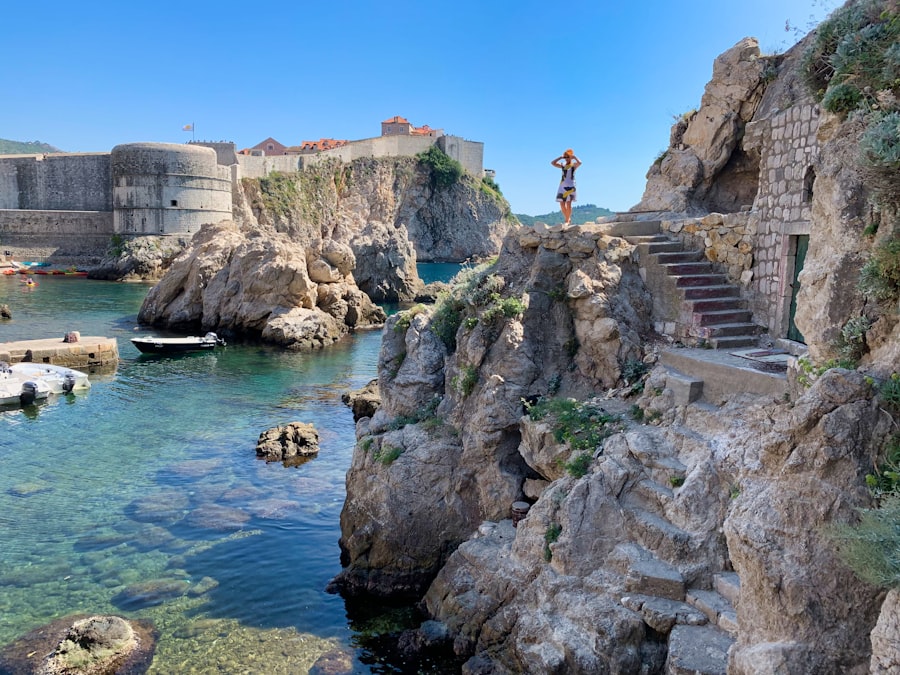
Croatia’s coastline is renowned for its stunning beaches, each offering a unique experience for sun-seekers and water enthusiasts alike. Among the most famous is Zlatni Rat Beach on Brač Island, known for its distinctive triangular shape that changes with the tides. This beach is a hotspot for windsurfing and other water sports, attracting both beginners and seasoned athletes.
Another popular destination is Punta Rata Beach in Brela, celebrated for its soft pebbles and crystal-clear waters framed by lush pine trees. Beyond the well-known beaches lie hidden gems waiting to be discovered. One such treasure is Stiniva Beach on Vis Island, often regarded as one of the most beautiful beaches in Europe.
Accessible only by foot or boat, this secluded cove is surrounded by towering cliffs and offers a tranquil escape from the bustling tourist crowds. Similarly, Sakarun Beach on Dugi Otok boasts powdery white sand and shallow turquoise waters, making it an ideal spot for families with children. These hidden beaches provide an opportunity to experience the unspoiled beauty of Croatia’s coastline away from the more commercialized areas.
Exploring the picturesque towns and villages
The Croatian coastline is dotted with charming towns and villages that exude character and charm. One such town is Rovinj, known for its cobblestone streets and vibrant waterfront filled with colorful fishing boats. The town’s historic center features a stunning baroque church perched atop a hill, offering panoramic views of the Adriatic Sea.
Rovinj’s lively atmosphere is complemented by numerous art galleries, boutiques, and cafes that invite visitors to immerse themselves in local culture. Another picturesque destination is Trogir, a UNESCO World Heritage Site that boasts a well-preserved medieval core. The town’s narrow streets are lined with stone buildings adorned with intricate carvings, showcasing a blend of Romanesque and Renaissance architecture.
Trogir’s waterfront promenade is perfect for leisurely strolls while enjoying views of the nearby islands. Each town along the coast has its own unique story to tell, providing travelers with an opportunity to connect with local traditions and experience authentic Croatian hospitality.
The diverse marine life and underwater activities
| Metric | Value |
|---|---|
| Capital | Zagreb |
| Population | 3.9 million (2024 estimate) |
| Area | 56,594 km² |
| Official Language | Croatian |
| Currency | Euro (EUR) |
| GDP (Nominal) | Approximately 70 billion |
| Major Industries | Tourism, Shipbuilding, Agriculture, Pharmaceuticals |
| Life Expectancy | 78 years |
| Internet Penetration | 80% |
| UN Membership | Member since 1992 |
The Adriatic Sea is home to an astonishing array of marine life, making it a prime destination for diving enthusiasts and nature lovers alike. The underwater ecosystems are teeming with vibrant coral reefs, schools of colorful fish, and even larger species such as dolphins and sea turtles. National parks like Kornati Islands National Park offer divers an opportunity to explore underwater caves and unique rock formations while encountering diverse marine species.
For those seeking adventure above water, snorkeling is a popular activity along the coastline. Many tour operators offer guided snorkeling excursions to pristine locations where visitors can observe marine life up close without needing extensive diving experience. Kayaking along the coast also provides an opportunity to explore hidden coves and secluded beaches while enjoying breathtaking views of the shoreline.
The diverse marine life and abundant recreational activities make Croatia’s coastline a paradise for aquatic exploration.
The best ways to experience the coastline, from sailing to hiking
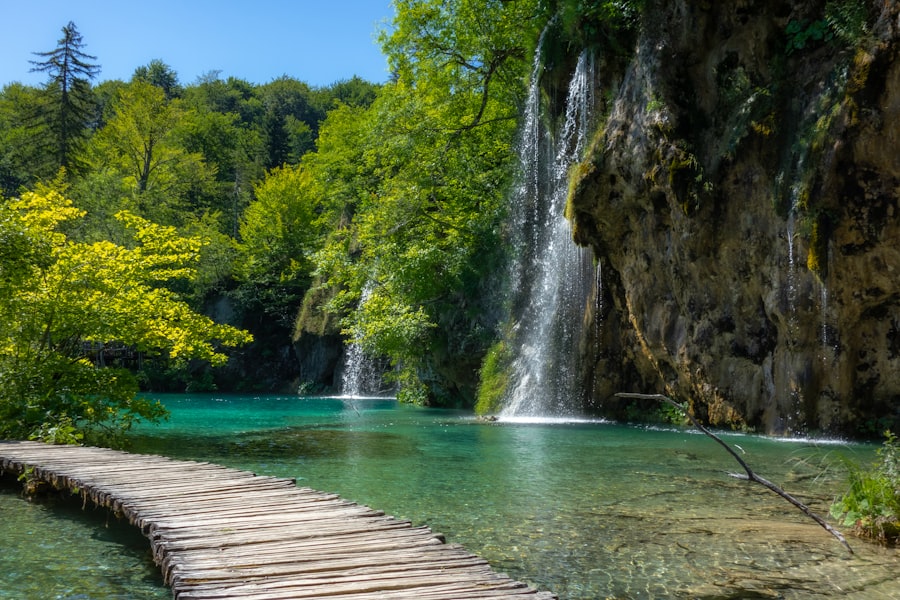
Experiencing Croatia’s coastline can be done in various ways, each offering a unique perspective on this stunning region. Sailing is one of the most popular methods to explore the numerous islands dotting the Adriatic Sea. Chartering a yacht or joining a sailing tour allows travelers to navigate between islands at their own pace while enjoying breathtaking views of secluded beaches and hidden bays.
Many sailing tours also include opportunities for swimming, snorkeling, and exploring charming coastal towns. For those who prefer land-based adventures, hiking along the coastal trails provides an exhilarating way to experience Croatia’s natural beauty. The Velebit Mountain range offers numerous hiking routes that lead to stunning viewpoints overlooking the sea.
The Paklenica National Park features well-marked trails suitable for all skill levels, allowing hikers to immerse themselves in lush forests and rugged landscapes while enjoying panoramic vistas. Whether sailing or hiking, each mode of exploration reveals new facets of Croatia’s captivating coastline.
Sampling the delicious seafood and local cuisine
Croatian coastal cuisine is a delightful fusion of flavors influenced by Mediterranean traditions. Seafood takes center stage in many dishes, with fresh catches from local fishermen gracing menus across coastal towns. Grilled fish served with olive oil and herbs is a staple dish that showcases the simplicity and quality of ingredients used in Croatian cooking.
Octopus salad, prepared with fresh vegetables and drizzled with lemon juice, is another popular dish that highlights the region’s culinary heritage. In addition to seafood, local specialties such as pršut (cured ham) and paški sir (sheep cheese) are must-try delicacies that reflect the agricultural traditions of the region. Wine lovers will also find plenty to savor in Croatia’s coastal vineyards, where indigenous grape varieties produce exceptional wines that pair beautifully with local dishes.
Dining along the coast offers not only delicious food but also an opportunity to enjoy stunning views of the Adriatic Sea while experiencing authentic Croatian hospitality.
The unique architecture and landmarks along the coast
The architectural landscape along Croatia’s coastline is a testament to its rich history and cultural influences. From ancient Roman ruins to medieval fortresses, each structure tells a story of the region’s past. The iconic city walls of Dubrovnik are perhaps one of the most recognizable landmarks in Croatia, encircling the historic Old Town with impressive fortifications that date back to the 13th century.
Visitors can walk along these walls for breathtaking views of the city and sea. In addition to Dubrovnik’s walls, other notable architectural sites include Diocletian’s Palace in Split, which serves as both a historical monument and a vibrant living space filled with shops and restaurants. The Cathedral of St.
James in Šibenik showcases stunning Renaissance architecture and intricate stonework that reflects the craftsmanship of its builders. Each landmark along the coast contributes to a rich tapestry of history that captivates visitors while providing insight into Croatia’s diverse cultural heritage.
The vibrant nightlife and entertainment options
As the sun sets over Croatia’s coastline, vibrant nightlife comes alive in many coastal towns. Cities like Hvar are renowned for their lively party scene, attracting both locals and tourists eager to dance the night away at beach clubs and bars overlooking the sea. The island’s nightlife offers everything from laid-back beach parties to upscale nightclubs featuring international DJs.
In contrast, towns like Zadar provide a more relaxed evening atmosphere with waterfront promenades lined with cafes where visitors can enjoy live music while sipping cocktails under starlit skies. Cultural events such as open-air concerts and traditional folk performances also take place throughout the summer months, allowing visitors to immerse themselves in local culture while enjoying entertainment options that cater to diverse tastes.
Sustainable tourism initiatives and conservation efforts along the coast
As tourism continues to grow along Croatia’s coastline, sustainable practices have become increasingly important to preserve its natural beauty for future generations. Various initiatives focus on promoting eco-friendly tourism by encouraging responsible travel behaviors among visitors. Many coastal towns have implemented waste reduction programs aimed at minimizing plastic pollution while promoting recycling efforts.
Organizations work tirelessly to monitor marine life populations while educating tourists about responsible snorkeling and diving practices that minimize environmental impact. By fostering awareness about sustainability among travelers, Croatia aims to strike a balance between tourism development and environmental preservation.
Tips for planning a trip to Croatia’s stunning coastline
Planning a trip to Croatia’s coastline requires careful consideration to ensure an unforgettable experience. First and foremost, travelers should determine their preferred travel season; summer months offer warm weather but can be crowded with tourists, while spring or early fall provides milder temperatures with fewer crowds.
Additionally, renting a car or utilizing public transportation can enhance mobility along the coast while allowing exploration of hidden gems off the beaten path. Lastly, embracing local customs—such as trying traditional dishes or participating in cultural festivals—can enrich one’s travel experience while fostering connections with locals who are eager to share their heritage. In summary, Croatia’s coastline presents an extraordinary blend of natural beauty, rich history, vibrant culture, delectable cuisine, and sustainable tourism initiatives that make it an ideal destination for travelers seeking adventure or relaxation alike.
From exploring picturesque towns to indulging in fresh seafood while enjoying stunning views over crystal-clear waters—each moment spent along this enchanting coast leaves an indelible mark on visitors’ hearts.
Croatia, known for its stunning coastline and rich cultural heritage, is a popular destination for travelers seeking both relaxation and adventure. The country’s vibrant festivals and celebrations add to its charm, making it an ideal place to experience local traditions. For those interested in understanding the significance of holidays and how they shape cultural identity, you might find this article on Good Friday particularly insightful. It explores the importance of federal holidays and their impact on communities, which can be paralleled with the various celebrations found in Croatia.
FAQs
Where is Croatia located?
Croatia is a country located in Southeast Europe, bordered by Slovenia, Hungary, Serbia, Bosnia and Herzegovina, Montenegro, and the Adriatic Sea.
What is the capital of Croatia?
The capital city of Croatia is Zagreb.
What language is spoken in Croatia?
The official language of Croatia is Croatian.
What currency is used in Croatia?
Croatia uses the Croatian kuna (HRK) as its official currency.
Is Croatia a member of the European Union?
Yes, Croatia became a member of the European Union on July 1, 2013.
What is Croatia known for?
Croatia is known for its beautiful Adriatic coastline, historic cities like Dubrovnik and Split, numerous islands, national parks, and rich cultural heritage.
What is the climate like in Croatia?
Croatia has a Mediterranean climate along the coast with hot, dry summers and mild, wet winters, while the inland areas experience a continental climate with colder winters and hotter summers.
What are some popular tourist destinations in Croatia?
Popular tourist destinations include Dubrovnik, Split, Plitvice Lakes National Park, Hvar Island, and the capital city Zagreb.
What is the population of Croatia?
As of recent estimates, Croatia has a population of approximately 4 million people.
What is the time zone of Croatia?
Croatia is in the Central European Time (CET) zone, which is UTC+1, and observes Daylight Saving Time, switching to Central European Summer Time (CEST), UTC+2, in the summer months.