Now Reading: Federal Holidays in the United States: A Complete List – New Year’s Day – Martin Luther King Jr. Day – Presidents’ Day – Memorial Day – Independence Day – Labor Day – Columbus Day – Veterans Day – Thanksgiving Day – Christmas Day
-
01
Federal Holidays in the United States: A Complete List – New Year’s Day – Martin Luther King Jr. Day – Presidents’ Day – Memorial Day – Independence Day – Labor Day – Columbus Day – Veterans Day – Thanksgiving Day – Christmas Day
Federal Holidays in the United States: A Complete List – New Year’s Day – Martin Luther King Jr. Day – Presidents’ Day – Memorial Day – Independence Day – Labor Day – Columbus Day – Veterans Day – Thanksgiving Day – Christmas Day

New Year’s Day, celebrated on January 1st, marks the beginning of the calendar year and is recognized as the first federal holiday in the United States. This day is steeped in tradition and is often associated with new beginnings, resolutions, and celebrations. As the clock strikes midnight, people across the nation engage in various festivities, from fireworks displays to family gatherings.
The holiday serves as a moment for reflection on the past year while looking forward to the opportunities that lie ahead. In many cultures, New Year’s Day is a time for rituals and customs aimed at ensuring good fortune in the coming year.
Parades, such as the famous Rose Parade in Pasadena, California, showcase vibrant floats and community spirit, while football fans eagerly anticipate the college bowl games that have become a staple of this holiday. New Year’s Day encapsulates a sense of hope and renewal, making it a cherished occasion for many.
Martin Luther King Jr. Day, observed on the third Monday of January, is a federal holiday dedicated to honoring the legacy of one of America’s most influential civil rights leaders. This day serves as a reminder of King’s tireless efforts to promote equality and justice through nonviolent activism during a tumultuous period in American history.
His famous “I Have a Dream” speech continues to resonate with people today, inspiring generations to strive for a more just society. The observance of Martin Luther King Jr. Day is not only a time for reflection but also an opportunity for community service and activism.
Many Americans participate in volunteer activities, embodying King’s spirit of service and commitment to social change. Schools and organizations often hold events that educate individuals about civil rights history and the ongoing struggle for equality. By engaging in these activities, people honor King’s legacy while also working towards a more inclusive future.
Presidents’ Day: Celebrating the Birthdays of Washington and Lincoln
Presidents’ Day, celebrated on the third Monday of February, is a federal holiday that honors all U.S. presidents, with particular emphasis on George Washington and Abraham Lincoln. Originally established to commemorate Washington’s birthday on February 22nd, the holiday has evolved to recognize the contributions of all individuals who have held the office.
This day serves as an opportunity for Americans to reflect on the leadership and sacrifices made by these influential figures throughout history. The significance of Presidents’ Day extends beyond mere celebration; it also serves as a reminder of the democratic principles upon which the nation was founded. Many schools and communities organize events that focus on presidential history, encouraging discussions about leadership qualities and civic responsibility.
Retailers often take advantage of this holiday with sales and promotions, making it a popular shopping day as well. Ultimately, Presidents’ Day fosters a sense of national pride and encourages citizens to engage with their country’s history.
Memorial Day: Honoring the Nation’s Fallen Heroes

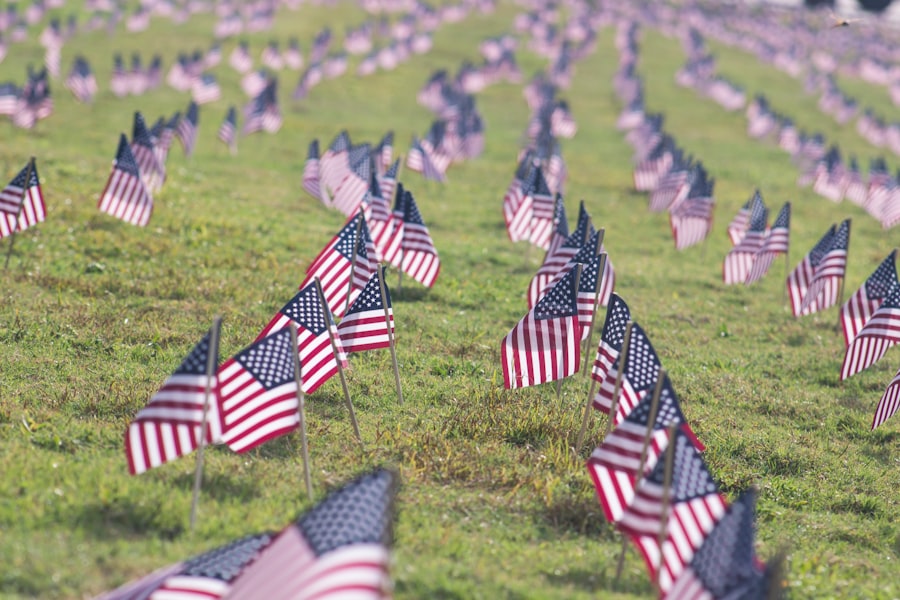
Memorial Day, observed on the last Monday of May, is a solemn federal holiday dedicated to honoring the men and women who have died while serving in the U.S. military. This day serves as a poignant reminder of the sacrifices made by countless individuals who fought for freedom and democracy.
Originally known as Decoration Day, it emerged after the Civil War as a way to commemorate fallen soldiers and has since evolved into a nationwide observance. On Memorial Day, Americans participate in various activities to pay tribute to those who have made the ultimate sacrifice. Many visit cemeteries to place flags or flowers on graves, while others attend parades or memorial services that honor veterans and active-duty military personnel.
The holiday also serves as an opportunity for reflection on the cost of war and the importance of peace. By remembering those who have served, Memorial Day reinforces a collective commitment to honor their legacy through acts of service and gratitude.
Independence Day: Commemorating the Declaration of Independence
| Year | Date | Location | Significance |
|---|---|---|---|
| 1776 | July 4th | United States | Adoption of the Declaration of Independence |
| 2021 | July 4th | United States | Celebration of American independence |
| 2022 | July 4th | United States | Annual national holiday |
Independence Day, celebrated on July 4th, marks one of the most significant events in American history: the adoption of the Declaration of Independence in 1776. This federal holiday symbolizes the birth of the United States as an independent nation and is celebrated with great enthusiasm across the country. Fireworks displays, barbecues, parades, and patriotic music fill the air as Americans come together to commemorate their freedom.
The significance of Independence Day extends beyond mere festivities; it serves as a reminder of the values enshrined in the Declaration of Independence—life, liberty, and the pursuit of happiness. Communities often organize events that highlight American history and culture, fostering a sense of national pride among citizens. The day also provides an opportunity for individuals to reflect on their rights and responsibilities as members of a democratic society.
Independence Day encapsulates the spirit of unity and resilience that defines the American experience.
Labor Day: Recognizing the Contributions of American Workers
Labor Day, observed on the first Monday in September, is a federal holiday dedicated to honoring the contributions of American workers and the labor movement. Established in the late 19th century during a time of significant industrial growth and labor unrest, this holiday serves as a recognition of workers’ rights and their vital role in shaping the nation’s economy. It is a day to celebrate achievements in labor rights while acknowledging ongoing challenges faced by workers.
The observance of Labor Day often includes parades, picnics, and various community events that bring people together to celebrate their hard work and dedication. Many families take advantage of this long weekend to enjoy outdoor activities or travel before summer officially comes to an end. Additionally, Labor Day serves as a reminder of the importance of fair labor practices and workers’ rights, encouraging discussions about workplace conditions and social justice issues that continue to affect many Americans today.
Columbus Day: Controversy and Celebration
Columbus Day, celebrated on the second Monday in October, commemorates Christopher Columbus’s arrival in the Americas in 1492. While initially established as a federal holiday to honor Columbus’s exploration, it has become a subject of controversy due to its implications for Indigenous peoples and their histories. Many view Columbus’s arrival as a catalyst for colonization and oppression, leading to calls for reevaluation of how this day is observed.
In recent years, some states and communities have opted to replace Columbus Day with Indigenous Peoples’ Day as a way to honor Native American cultures and acknowledge their experiences throughout history. This shift reflects a growing awareness of social justice issues and an effort to promote inclusivity in historical narratives. While some still celebrate Columbus Day with parades and festivities highlighting Italian-American heritage, others advocate for education about Indigenous histories and contributions.
The ongoing debate surrounding this holiday underscores the complexities of history and cultural representation in contemporary society.
Veterans Day: Honoring Those Who Served
Veterans Day, observed on November 11th each year, is a federal holiday dedicated to honoring all military veterans who have served in the United States Armed Forces. Originally established as Armistice Day to commemorate the end of World War I, it was later expanded to recognize all veterans from various conflicts and peacetime service. This day serves as an opportunity for Americans to express gratitude for the sacrifices made by those who have defended their country.
On Veterans Day, numerous ceremonies take place across the nation to honor veterans’ service and sacrifice. Many communities host parades featuring veterans from different branches of the military, while schools often hold programs that educate students about military history and service. Additionally, various organizations offer support services for veterans and their families during this time.
Veterans Day not only acknowledges individual contributions but also fosters a sense of unity among citizens in recognizing their shared responsibility to support those who have served.
Thanksgiving Day: A Time for Gratitude and Family
Thanksgiving Day, celebrated on the fourth Thursday in November, is a cherished federal holiday that emphasizes gratitude, family gatherings, and feasting. Rooted in early colonial traditions where settlers gave thanks for bountiful harvests, Thanksgiving has evolved into a national celebration that brings people together around shared meals and cherished traditions. Families across America come together to express gratitude for their blessings while enjoying classic dishes such as turkey, stuffing, and pumpkin pie.
The essence of Thanksgiving lies not only in its culinary delights but also in its emphasis on togetherness and reflection. Many families take time before their meals to share what they are thankful for, fostering an atmosphere of appreciation and connection. Additionally, Thanksgiving has become synonymous with acts of kindness; many individuals volunteer at shelters or donate food to those in need during this time.
The holiday serves as a reminder of community spirit and compassion while encouraging individuals to reflect on their values and relationships.
Christmas Day: Celebrating the Birth of Christ
Christmas Day, celebrated on December 25th, is one of the most widely recognized federal holidays in America and around the world. This day commemorates the birth of Jesus Christ and is marked by various religious observances as well as secular traditions that have developed over centuries. For many Christians, Christmas holds profound spiritual significance; it is a time for worship, reflection, and celebration within families and communities.
The festive atmosphere surrounding Christmas is characterized by decorations such as Christmas trees adorned with lights and ornaments, festive music echoing through homes and public spaces, and gift-giving traditions that symbolize love and generosity. Families often gather for special meals that include traditional dishes passed down through generations. Additionally, Christmas encourages acts of kindness; many engage in charitable activities or volunteer their time during this season to help those less fortunate.
Ultimately, Christmas embodies themes of hope, love, and unity that resonate deeply within society during this special time of year.
If you are interested in learning more about federal holidays, you may want to check out this article on boogger.com that provides a comprehensive list of all federal holidays in the United States. This article can be a helpful resource for understanding the significance of each holiday and how they are celebrated across the country.
FAQs
What are federal holidays?
Federal holidays are holidays recognized by the United States government, during which federal offices and many businesses are closed. These holidays are established by law and apply to all federal employees.
How many federal holidays are there in the United States?
There are currently 10 federal holidays in the United States. These holidays are established by federal law and apply to all federal employees.
What are the federal holidays in the United States?
The federal holidays in the United States are New Year’s Day, Martin Luther King Jr. Day, Washington’s Birthday (Presidents’ Day), Memorial Day, Independence Day, Labor Day, Columbus Day, Veterans Day, Thanksgiving Day, and Christmas Day.
Do all states recognize federal holidays?
While federal holidays are recognized by the United States government and apply to federal employees, they are not mandatory for states to observe. However, most states do recognize and observe federal holidays.
Do federal holidays apply to all workers in the United States?
Federal holidays apply to federal employees and many businesses and organizations choose to observe these holidays as well. However, private employers are not required by law to provide paid time off for federal holidays.