Now Reading: Juneteenth: America’s Newest Federal Holiday
-
01
Juneteenth: America’s Newest Federal Holiday
Juneteenth: America’s Newest Federal Holiday
Juneteenth, celebrated on June 19th each year, marks a pivotal moment in American history—the day when enslaved African Americans in Texas learned of their freedom. This event occurred two and a half years after President Abraham Lincoln issued the Emancipation Proclamation on January 1, 1863, which declared that all enslaved people in Confederate states were to be set free. However, the enforcement of this proclamation was limited, particularly in areas still under Confederate control.
It wasn’t until Union soldiers arrived in Galveston, Texas, on June 19, 1865, that the news of emancipation finally reached the last holdout of enslaved individuals in the United States. The significance of this date extends beyond mere liberation; it symbolizes the long and arduous journey toward equality and justice for African Americans. The name “Juneteenth” is a portmanteau of “June” and “nineteenth,” and it has become a day of reflection, celebration, and education about the struggles and triumphs of Black Americans.
Over the years, Juneteenth has evolved from a local Texas celebration into a nationwide observance, highlighting the importance of freedom and the ongoing fight against racial injustice.
The Significance of Juneteenth as a Federal Holiday
In June 2021, Juneteenth was officially recognized as a federal holiday, becoming the first new federal holiday since Martin Luther King Jr. Day was established in 1983. This recognition is significant not only as a formal acknowledgment of the end of slavery but also as a commitment to addressing the historical injustices faced by African Americans.
By designating Juneteenth as a federal holiday, the government has taken a step toward fostering a deeper understanding of America’s complex history and the ongoing impact of systemic racism. The establishment of Juneteenth as a federal holiday serves multiple purposes. It provides an opportunity for education about the history of slavery and its lasting effects on American society.
Furthermore, it encourages communities to engage in discussions about race, equity, and justice. By commemorating this day on a national scale, it invites all Americans to reflect on their shared history and to consider how they can contribute to a more equitable future.
Celebrating Juneteenth Across the United States
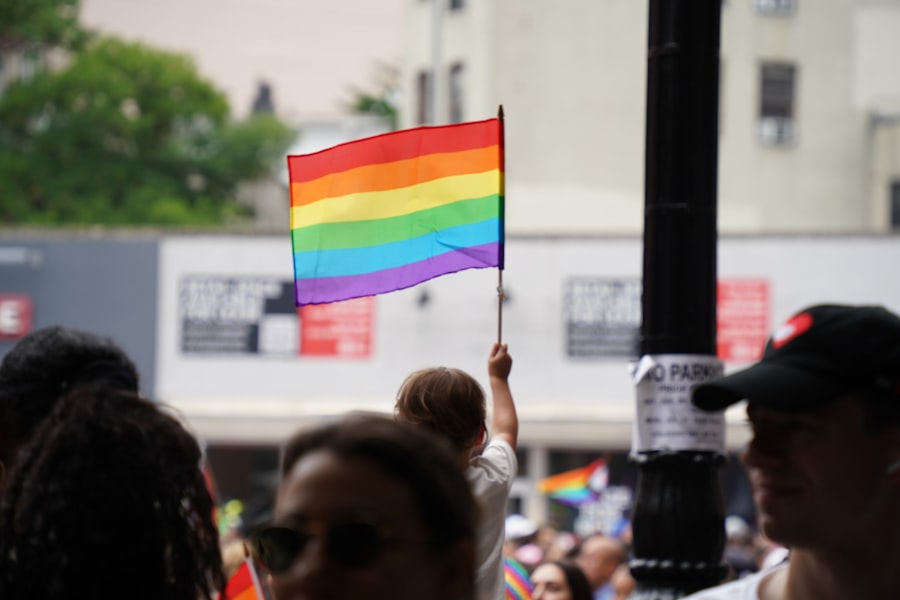
Celebrations of Juneteenth vary widely across the United States, reflecting the diverse cultural heritage of African Americans. In many cities, festivities include parades, music festivals, and community gatherings that showcase African American culture through art, food, and storytelling. Traditional foods such as barbecue, red velvet cake, and watermelon often feature prominently in these celebrations, symbolizing both heritage and resilience.
In addition to festive activities, many communities use Juneteenth as an opportunity for education and reflection. Workshops, lectures, and panel discussions are organized to delve into topics such as the history of slavery, civil rights movements, and contemporary issues facing African Americans today. These events not only celebrate freedom but also encourage dialogue about the ongoing struggle for equality and justice in America.
The Movement to Recognize Juneteenth as a National Holiday
| Year | Event | Impact |
|---|---|---|
| 1865 | Juneteenth is established | Emancipation of enslaved African Americans in Texas |
| 1980s | Juneteenth gains recognition | Celebrated in more states and cities |
| 2021 | Juneteenth becomes a federal holiday | National recognition and celebration |
The movement to recognize Juneteenth as a national holiday gained momentum over several decades, driven by grassroots activism and advocacy from various organizations. Activists have long argued that acknowledging Juneteenth at the federal level is essential for recognizing the contributions and sacrifices of African Americans throughout history. The push for recognition intensified following high-profile incidents of racial injustice, which brought issues of systemic racism to the forefront of national discourse.
In 2020, following the murder of George Floyd and subsequent protests against police brutality, there was renewed urgency to address racial inequality in America. This climate of activism prompted lawmakers to take action on issues related to racial justice, including the recognition of Juneteenth as a federal holiday. The bipartisan support for this legislation demonstrated a collective acknowledgment of the need for healing and reconciliation in a nation grappling with its past.
Juneteenth’s Impact on American Culture
Juneteenth has had a profound impact on American culture, serving as a catalyst for discussions about race and identity. The holiday has inspired artistic expressions across various mediums—literature, music, visual arts—that reflect the experiences and histories of African Americans. Artists often use their platforms to highlight themes of freedom, resilience, and social justice, contributing to a broader cultural narrative that seeks to uplift marginalized voices.
Moreover, Juneteenth has influenced contemporary movements advocating for racial equity and justice. As more people become aware of its significance, there is an increasing emphasis on incorporating discussions about Juneteenth into educational curricula and public discourse.
The Importance of Educating Others About Juneteenth
Education plays a crucial role in ensuring that the significance of Juneteenth is understood by future generations.
By teaching students about the struggles faced by enslaved individuals and their descendants, educators can foster empathy and awareness regarding ongoing issues related to race and inequality.
Community organizations also play an essential role in promoting education about Juneteenth through workshops, seminars, and public events. These initiatives aim to engage individuals from all backgrounds in conversations about race relations and social justice. By creating spaces for dialogue and learning, communities can work together to dismantle stereotypes and foster understanding among diverse populations.
Juneteenth’s Connection to the Black Lives Matter Movement
The Black Lives Matter movement has brought renewed attention to issues of racial injustice and inequality in America, making Juneteenth even more relevant in contemporary discussions about race. The movement’s emphasis on systemic racism aligns with the historical significance of Juneteenth as a reminder that the fight for equality is far from over. Activists often use this day to highlight ongoing struggles against police brutality, economic disparity, and social injustice faced by Black communities.
Juneteenth celebrations frequently incorporate themes from the Black Lives Matter movement, emphasizing solidarity and collective action toward achieving racial equity. Events may include marches or rallies that call for justice while honoring the legacy of those who fought for freedom in the past. This connection reinforces the idea that Juneteenth is not just a celebration of emancipation but also a call to action for continued advocacy against systemic oppression.
Honoring the Legacy of Juneteenth Through Community Events and Activities
Communities across the nation honor the legacy of Juneteenth through various events and activities that promote unity and understanding. Local organizations often host festivals featuring music performances, art exhibitions, and cultural showcases that celebrate African American heritage. These gatherings serve as both a celebration of freedom and an opportunity for community members to come together in solidarity.
In addition to festive activities, many communities organize service projects or educational initiatives aimed at addressing current social issues. These efforts may include food drives for underserved populations or workshops focused on financial literacy and empowerment within Black communities. By engaging in meaningful activities that honor the spirit of Juneteenth, individuals can contribute to building a more equitable society while celebrating their shared history.
In conclusion, Juneteenth stands as a powerful symbol of freedom and resilience within American history. Its recognition as a federal holiday marks an important step toward acknowledging past injustices while fostering dialogue about race relations today. Through celebrations across the country, educational initiatives, and connections to contemporary movements like Black Lives Matter, Juneteenth continues to inspire individuals to reflect on their shared history and work toward a more just future for all.
Juneteenth, also known as Freedom Day or Emancipation Day, is a federal holiday commemorating the end of slavery in the United States. This significant day is celebrated on June 19th each year, marking the day in 1865 when Union soldiers arrived in Galveston, Texas to announce the end of the Civil War and the emancipation of enslaved African Americans. To learn more about the history and significance of Juneteenth, check out this insightful article on boogger.com.
FAQs
What is Juneteenth?
Juneteenth, also known as Freedom Day or Emancipation Day, is a holiday in the United States that commemorates the emancipation of enslaved African Americans. It is celebrated on June 19th.
Why is Juneteenth significant?
Juneteenth is significant because it marks the day when Union soldiers arrived in Galveston, Texas in 1865 and announced the end of the Civil War and the emancipation of enslaved individuals, even though the Emancipation Proclamation had been issued two years earlier.
Is Juneteenth a federal holiday?
Juneteenth was established as a federal holiday in the United States on June 17, 2021, when President Joe Biden signed it into law. It is the first new federal holiday since Martin Luther King Jr. Day was established in 1983.
How is Juneteenth celebrated?
Juneteenth is celebrated with various events such as parades, cookouts, music, and readings of the Emancipation Proclamation. It is a time for reflection, education, and community gatherings to honor the history and contributions of African Americans.
What is the significance of making Juneteenth a federal holiday?
Making Juneteenth a federal holiday acknowledges the importance of the day in American history and provides an opportunity for national recognition and reflection on the impact of slavery and the ongoing struggle for civil rights. It also allows for the celebration and commemoration of African American culture and heritage.