Now Reading: Exploring the Timeless Beauty of Anthropologie Rock
-
01
Exploring the Timeless Beauty of Anthropologie Rock
Exploring the Timeless Beauty of Anthropologie Rock

Anthropologie Rock, a geological marvel, has captivated the attention of historians and geologists alike for centuries. Its origins can be traced back to ancient civilizations that revered the rock formation as a sacred site. Archaeological evidence suggests that Indigenous peoples utilized the area for ceremonial purposes, leaving behind artifacts that provide insight into their cultural practices.
The rock has served as a natural landmark, guiding travelers and explorers through the rugged terrain of the region. As time progressed, Anthropologie Rock became a focal point for scientific study. In the 19th century, geologists began to explore its unique formations, leading to significant discoveries about the Earth’s geological history.
The rock’s stratification and mineral composition have provided valuable data for understanding the processes that shaped the landscape over millions of years. Today, Anthropologie Rock stands not only as a testament to natural history but also as a symbol of human connection to the environment.
Key Takeaways
- Anthropologie Rock has a rich history dating back to ancient civilizations and has been a significant cultural and spiritual site for many centuries.
- The formation of Anthropologie Rock is a result of geological processes over millions of years, creating a unique and stunning landscape.
- The flora and fauna surrounding Anthropologie Rock are diverse and adapted to the harsh conditions, making it a haven for nature enthusiasts and researchers.
- Anthropologie Rock holds great cultural significance for indigenous communities and has been a site for rituals, ceremonies, and storytelling for generations.
- Visitors to Anthropologie Rock can engage in various activities such as hiking, rock climbing, and birdwatching, making it a popular destination for outdoor enthusiasts.
Geology and Formation of Anthropologie Rock
The geological composition of Anthropologie Rock is a fascinating subject that reveals the intricate processes of Earth’s evolution. Formed primarily from sedimentary rock, it showcases layers of limestone, sandstone, and shale, each representing different epochs in geological time. The rock’s formation is attributed to a combination of tectonic activity and erosion, which has sculpted its distinctive features over millennia.
The stratification observed in Anthropologie Rock is particularly noteworthy. Each layer tells a story of environmental conditions that prevailed during its formation. Fossils embedded within these layers provide crucial evidence of ancient marine life, indicating that this area was once submerged under a vast ocean.
The interplay of natural forces has resulted in the creation of unique formations such as arches, spires, and cliffs, making Anthropologie Rock a geological wonder.
Flora and Fauna of Anthropologie Rock
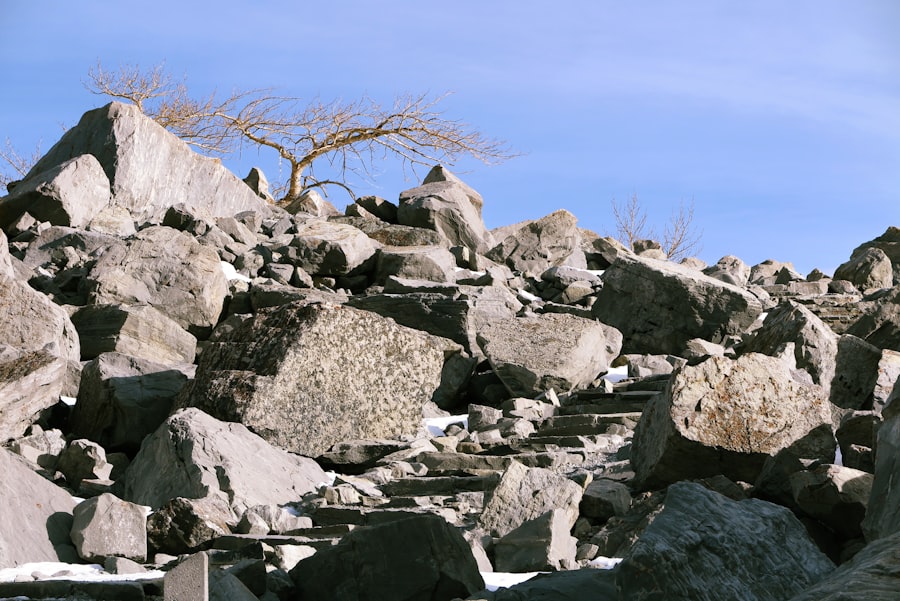
The biodiversity surrounding Anthropologie Rock is remarkable, with a variety of flora and fauna thriving in its unique microclimate. The rock’s elevation and exposure to sunlight create distinct habitats that support numerous plant species. From hardy shrubs to vibrant wildflowers, the vegetation is adapted to withstand the region’s climatic variations.
In addition to plant life, Anthropologie Rock is home to diverse animal species. Birds such as peregrine falcons and golden eagles can be spotted soaring above the cliffs, while smaller mammals like foxes and rabbits inhabit the lower elevations.
The rock’s crevices provide shelter for reptiles and amphibians, creating a balanced ecosystem that showcases the interconnectedness of life in this unique environment.
Cultural Significance of Anthropologie Rock
| Aspect | Metric |
|---|---|
| Historical Importance | Age of the rock formation |
| Archaeological Significance | Number of artifacts found in the vicinity |
| Cultural Relevance | Number of indigenous tribes with connections to the rock |
| Artistic Inspiration | Number of artworks or literature inspired by the rock |
Anthropologie Rock holds profound cultural significance for various communities. For Indigenous peoples, it is not merely a geological formation but a sacred site imbued with spiritual meaning. Oral traditions passed down through generations recount stories of creation and connection to the land, emphasizing the importance of preserving this natural heritage.
Rituals and ceremonies conducted at the rock serve to honor ancestors and foster a sense of belonging. In contemporary society, Anthropologie Rock has become a symbol of environmental stewardship and cultural identity. Artists, writers, and musicians draw inspiration from its majestic presence, using it as a backdrop for creative expression.
The rock has also become a focal point for conservation efforts aimed at protecting both its natural beauty and cultural significance. Community initiatives promote awareness of the rock’s history and encourage sustainable practices that honor its legacy.
Activities and Recreation at Anthropologie Rock
Visitors to Anthropologie Rock are greeted with a plethora of recreational opportunities that cater to various interests. Hiking trails wind through the surrounding landscape, offering breathtaking views of the rock formation and its diverse ecosystems. These trails range from easy walks suitable for families to challenging hikes for seasoned adventurers seeking an adrenaline rush.
For those interested in climbing, Anthropologie Rock presents an array of routes that attract both novice and experienced climbers. The rock’s unique features provide thrilling challenges while ensuring safety through established climbing guidelines. Additionally, birdwatching enthusiasts can enjoy observing avian species in their natural habitat, making it an ideal destination for nature lovers seeking tranquility and adventure.
Preservation and Conservation Efforts at Anthropologie Rock
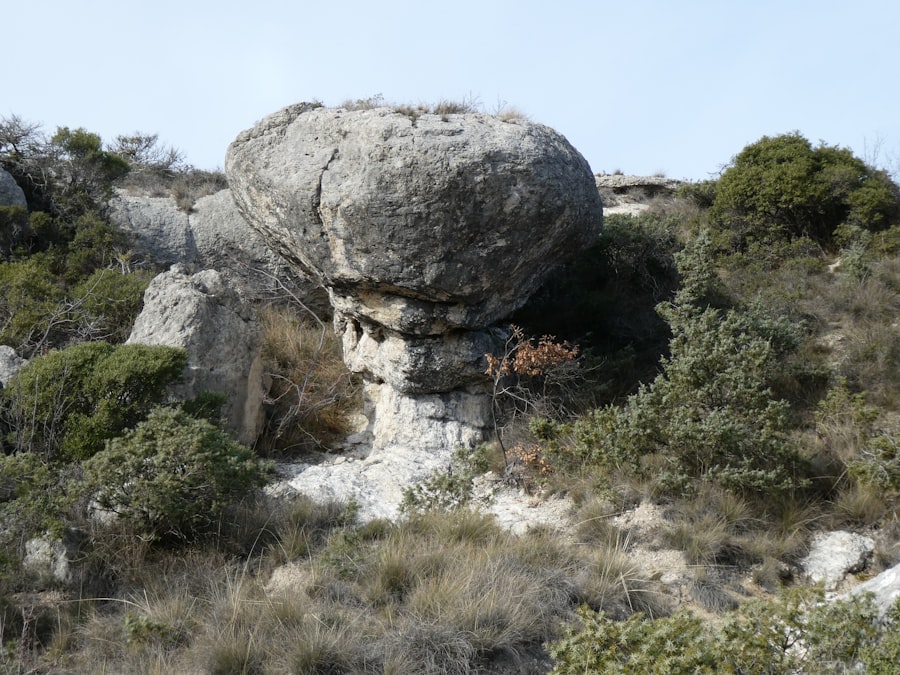
Recognizing the ecological and cultural importance of Anthropologie Rock, various organizations have initiated preservation and conservation efforts aimed at safeguarding this natural treasure. Collaborative projects involving local communities, environmental groups, and government agencies focus on habitat restoration and sustainable tourism practices. These initiatives aim to mitigate human impact while promoting awareness about the significance of preserving such unique geological formations.
Education plays a crucial role in these conservation efforts. Guided tours and interpretive programs educate visitors about the rock’s history, geology, and ecology, fostering a sense of responsibility towards its preservation. By engaging with local communities and encouraging stewardship, these efforts ensure that future generations can continue to appreciate the beauty and significance of Anthropologie Rock.
The Unique Aesthetics of Anthropologie Rock
The aesthetic appeal of Anthropologie Rock is undeniable, characterized by its striking formations and vibrant colors that change with the shifting light throughout the day. The interplay between shadows and sunlight creates a dynamic visual experience that captivates photographers and artists alike. The rock’s rugged texture adds depth to its appearance, inviting exploration and contemplation.
The unique aesthetics of Anthropologie Rock make it a popular destination for those seeking inspiration or simply wishing to immerse themselves in nature’s artistry.
Photography and Artistic Inspiration at Anthropologie Rock
Anthropologie Rock has long served as a muse for photographers and artists drawn to its breathtaking landscapes. The dramatic vistas provide endless opportunities for capturing stunning images that showcase both the grandeur of nature and intricate details within the rock formations. Photographers often visit during golden hours—early morning or late afternoon—when soft light enhances textures and colors.
Artists find inspiration in the rock’s unique shapes and patterns, translating their experiences into paintings, sculptures, or mixed media works. The interplay between light and shadow creates an ever-changing canvas that invites creative expression. Workshops and art retreats held in proximity to Anthropologie Rock encourage collaboration among artists while fostering appreciation for this natural wonder.
Exploring the Caves and Crevices of Anthropologie Rock
The exploration of caves and crevices within Anthropologie Rock offers an exhilarating adventure for those willing to venture off the beaten path. These natural formations provide insight into geological processes while serving as habitats for various species. Caving enthusiasts can discover hidden chambers adorned with stalactites and stalagmites, showcasing nature’s artistry in subterranean environments.
Safety precautions are essential when exploring these areas; visitors should equip themselves with proper gear such as helmets, headlamps, and sturdy footwear. Guided tours led by experienced spelunkers offer valuable insights into the geology and ecology of these hidden spaces while ensuring a safe experience for all participants.
The Spiritual and Healing Qualities of Anthropologie Rock
Many visitors to Anthropologie Rock report experiencing profound spiritual connections while in its presence. The serene environment fosters introspection and contemplation, allowing individuals to connect with nature on a deeper level. For some, the rock serves as a place for meditation or reflection, providing solace amidst life’s challenges.
Additionally, certain communities believe in the healing properties associated with natural formations like Anthropologie Rock. Practices such as grounding—where individuals connect physically with the earth—are thought to promote emotional well-being and reduce stress levels. This spiritual aspect adds another layer of significance to Anthropologie Rock, making it not only a geological wonder but also a sanctuary for those seeking peace.
Tips for Visiting Anthropologie Rock: What to Bring and What to Expect
When planning a visit to Anthropologie Rock, preparation is key to ensuring an enjoyable experience. Essential items include sturdy hiking boots for navigating uneven terrain, plenty of water to stay hydrated during outdoor activities, sunscreen for protection against UV rays, and a camera to capture stunning vistas. Visitors should also be aware of weather conditions before embarking on their journey; temperatures can vary significantly throughout the day.
It’s advisable to dress in layers to accommodate changing climates while bringing along snacks for energy during hikes or explorations. In summary, Anthropologie Rock stands as a testament to nature’s artistry and cultural significance. Its rich history, diverse ecosystems, recreational opportunities, and spiritual qualities make it an invaluable destination for adventurers seeking connection with both nature and heritage.
Through ongoing conservation efforts, we can ensure that this remarkable site remains preserved for future generations to appreciate its beauty and significance.
Anthropologie Rock is a fascinating subject that delves into the cultural and historical significance of rock formations and their impact on human societies. While exploring this topic, it’s interesting to consider how different cultures celebrate and honor their heritage through various holidays and traditions. For instance, the article on Celebrating Columbus Day 2022: Honoring the Explorer’s Legacy provides insight into how societies commemorate historical figures and events, much like how certain rock formations are revered for their historical and cultural importance. This connection highlights the diverse ways in which people around the world recognize and celebrate their past.
FAQs
What is Anthropologie Rock?
Anthropologie Rock is a type of rock that is often used in home decor and landscaping. It is known for its unique and natural appearance, with a variety of colors and textures.
Where is Anthropologie Rock typically found?
Anthropologie Rock can be found in various locations around the world, including quarries and natural rock formations. It is often sourced from regions with rich geological diversity, such as the American Southwest and parts of Europe.
How is Anthropologie Rock used in home decor?
Anthropologie Rock is commonly used in home decor for a variety of purposes, including as decorative accents, bookends, and paperweights. It can also be used as a base for candles or as a unique centerpiece.
Can Anthropologie Rock be used in landscaping?
Yes, Anthropologie Rock is often used in landscaping to create natural-looking features such as rock gardens, pathways, and retaining walls. Its unique appearance and durability make it a popular choice for outdoor design projects.
Is Anthropologie Rock expensive?
The cost of Anthropologie Rock can vary depending on factors such as size, quality, and rarity. While some pieces may be more expensive, there are also more affordable options available for those on a budget.