Now Reading: Conquering the Gridiron: The Vikings’ Football Legacy
-
01
Conquering the Gridiron: The Vikings’ Football Legacy
Conquering the Gridiron: The Vikings’ Football Legacy
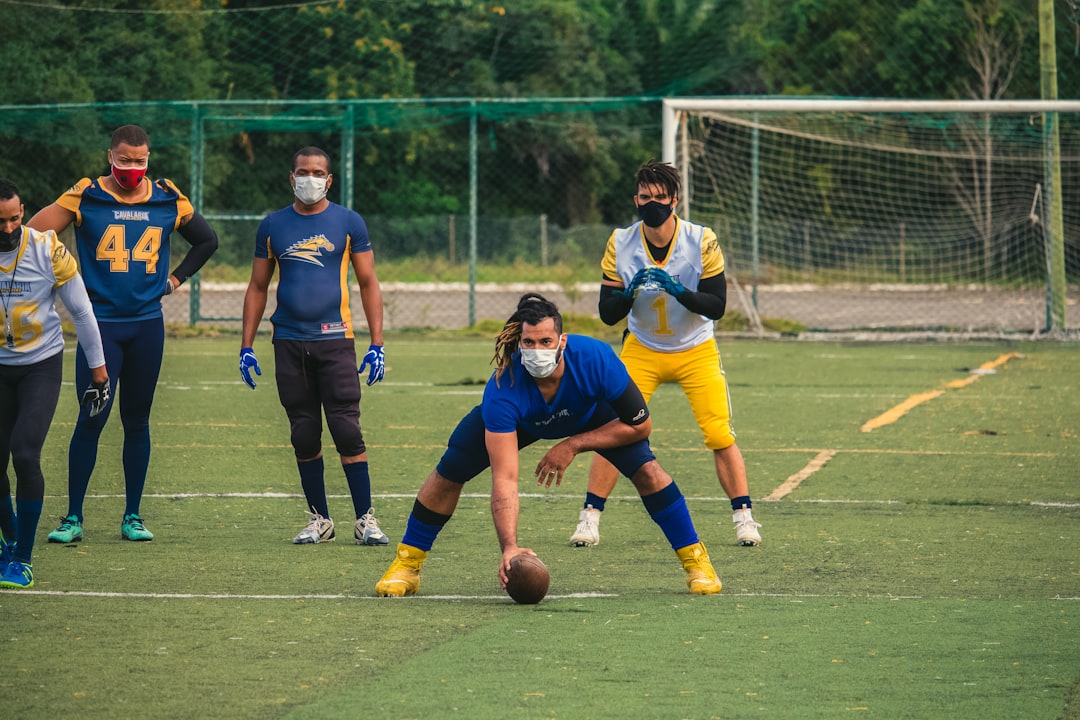
The Minnesota Vikings, an iconic franchise in the National Football League (NFL), trace their origins back to 1960 when they were established as an expansion team. The franchise was named after the Norse explorers, reflecting the Scandinavian heritage prevalent in Minnesota. The Vikings’ colors, purple and gold, were chosen to symbolize royalty and excellence, setting a tone of ambition and aspiration from the outset.
The team’s first head coach, Norm Van Brocklin, was a former NFL quarterback who brought a wealth of experience and a competitive spirit to the organization. His leadership laid the groundwork for a culture of resilience and determination that would define the franchise for decades. In their inaugural season, the Vikings faced numerous challenges typical of a new team, including establishing a cohesive roster and developing a competitive strategy.
Despite these hurdles, they managed to secure their first victory against the Chicago Bears, marking a significant milestone in their early history. The franchise’s commitment to building a strong foundation was evident as they began to attract talented players and develop a loyal fan base. This initial phase set the stage for what would become a storied legacy in professional football.
Key Takeaways
- The Vikings’ football legacy can be traced back to their origins as an expansion team in 1961, representing the state of Minnesota in the NFL.
- Early successes and championships, including four Super Bowl appearances, solidified the Vikings’ rise to prominence in the football world.
- Legendary players such as Fran Tarkenton, Alan Page, and Randy Moss have left an indelible mark on the Vikings’ legacy with their exceptional skills and contributions to the team.
- Coaches and management have played a significant role in shaping the Vikings’ legacy, with figures like Bud Grant and Mike Zimmer leaving a lasting impact on the team’s success.
- Memorable moments and milestones, such as the “Minneapolis Miracle” and the induction of players into the Hall of Fame, have added to the rich history of the Vikings’ franchise.
The Rise to Prominence: Early Successes and Championships
The Vikings quickly ascended to prominence in the late 1960s and early 1970s, establishing themselves as a formidable force in the NFL. Their first major success came in 1969 when they clinched the NFL Championship, earning a spot in Super Bowl
Although they faced defeat against the Kansas City Chiefs, this appearance marked the beginning of a competitive era for the franchise. The Vikings’ defense, known as the “Purple People Eaters,” became legendary during this time, featuring Hall of Famers like Alan Page and Carl Eller. Their aggressive style of play and ability to stifle opposing offenses garnered national attention and respect.
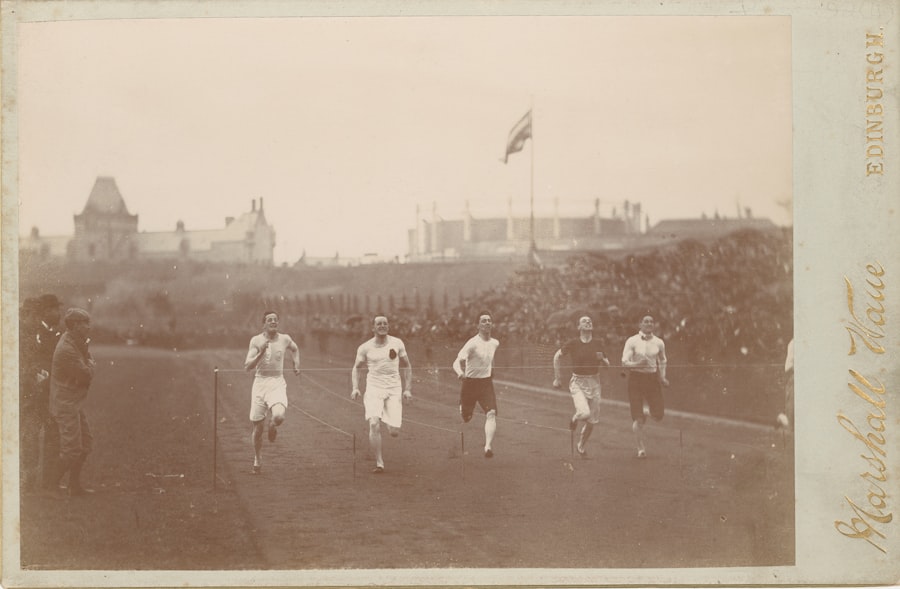
Throughout the 1970s, the Vikings continued to build on their success, reaching three more Super Bowls (VIII, IX, and XI) during the decade. Although they fell short in each of these championship games, their consistent performance solidified their reputation as one of the league’s elite teams. The combination of a powerful running game led by stars like Chuck Foreman and a tenacious defense created a winning formula that resonated with fans and established a strong identity for the franchise.
The Legendary Players Who Shaped the Vikings’ Legacy
| Player Name | Position | Years with Vikings | Accomplishments |
|---|---|---|---|
| Alan Page | Defensive Tackle | 1967-1978 | NFL MVP, 9x Pro Bowl, Hall of Fame |
| Randy Moss | Wide Receiver | 1998-2004, 2010 | 7x Pro Bowl, NFL Offensive Rookie of the Year |
| Adrian Peterson | Running Back | 2007-2016 | 7x Pro Bowl, NFL MVP, 2x NFL Rushing Yards Leader |
| Carl Eller | Defensive End | 1964-1978 | 6x Pro Bowl, Hall of Fame |
The Minnesota Vikings’ legacy is intricately woven with the contributions of numerous legendary players who have donned the purple and gold. Among them, Fran Tarkenton stands out as one of the most influential quarterbacks in NFL history. Known for his improvisational skills and ability to extend plays, Tarkenton revolutionized the quarterback position during his tenure with the team.
His leadership on and off the field inspired teammates and fans alike, making him an enduring symbol of Viking pride. Another key figure in shaping the franchise’s legacy is wide receiver Randy Moss. Drafted in 1998, Moss quickly became one of the most electrifying players in NFL history.
His combination of speed, size, and exceptional catching ability transformed the Vikings’ offense and left an indelible mark on the league. Moss’s impact extended beyond statistics; he redefined how defenses approached covering wide receivers, forcing teams to adapt their strategies to account for his unique skill set.
The Impact of Coaches and Management on the Vikings’ Legacy
Coaching has played a pivotal role in shaping the Minnesota Vikings’ identity and success over the years. Bud Grant, who served as head coach from 1967 to 1983 and again in 1992, is perhaps the most iconic figure in this regard. Grant’s disciplined approach and emphasis on teamwork fostered a culture of excellence that permeated throughout the organization.
His ability to motivate players and instill a winning mentality contributed significantly to the team’s sustained success during his tenure. In addition to Grant, other coaches have left their mark on the franchise’s legacy. Dennis Green, who led the team from 1992 to 2001, was instrumental in modernizing the Vikings’ offensive strategies.
Under his guidance, Minnesota became known for its high-octane offense, culminating in an impressive 15-1 season in 1998. The management’s commitment to hiring innovative coaches has allowed the Vikings to adapt to changing trends in football while maintaining their competitive edge.
Memorable Moments and Milestones in Vikings’ History
The Minnesota Vikings’ history is rich with memorable moments that have captivated fans and defined the franchise’s legacy. One such moment occurred during the 1975 NFC Championship Game when the Vikings faced off against the Dallas Cowboys. In a thrilling contest that went down to the wire, Minnesota secured victory with a last-minute touchdown pass from Tarkenton to tight end Bob Tucker.
This dramatic win propelled them to Super Bowl IX, further solidifying their status as a powerhouse in professional football. Another unforgettable moment came during the 1998 season when Randy Moss made his debut as a rookie against the Tampa Bay Buccaneers. Moss’s spectacular performance included two touchdown receptions that showcased his incredible athleticism and playmaking ability.
This game not only marked the beginning of Moss’s illustrious career but also signaled a new era for the Vikings as they embraced an explosive offensive style that would captivate fans for years to come.
The Vikings’ Rivalries: Battles on the Gridiron
Rivalries are an integral part of any sports franchise, and for the Minnesota Vikings, few rivalries are as intense as those with the Green Bay Packers and Chicago Bears. The longstanding rivalry with Green Bay dates back to 1961 and has produced countless memorable matchups that have captivated fans on both sides. The fierce competition between these two teams has often had significant implications for playoff positioning and division titles, heightening the stakes for each encounter.
Similarly, the rivalry with the Chicago Bears is steeped in history and tradition. These two teams have faced off over 100 times since their inception, creating a fierce competition that embodies the spirit of NFC North football. Each matchup is characterized by hard-hitting play and passionate fan support, making it one of the most anticipated games on both teams’ schedules every season.
The Evolution of the Vikings’ Playing Style and Strategies
Over the years, the Minnesota Vikings have evolved their playing style and strategies to adapt to changes within the NFL landscape. In their early years, they relied heavily on a dominant running game led by star running backs like Chuck Foreman and later Adrian Peterson. This ground-and-pound approach allowed them to control games while utilizing their formidable defense to stifle opposing offenses.
As football evolved into a more pass-oriented game in recent decades, so too did the Vikings’ offensive philosophy. The introduction of innovative passing schemes under coaches like Brad Childress and Norv Turner allowed Minnesota to diversify its offensive attack.
The Vikings’ Influence on Football Culture and Community
The Minnesota Vikings have made significant contributions beyond just football; they have become an integral part of Minnesota’s cultural fabric. The team’s commitment to community engagement is evident through various initiatives aimed at supporting local charities and youth programs. The Vikings Foundation focuses on promoting health and wellness among young people while providing resources for education and sports development.
Moreover, U.S. Bank Stadium has become a landmark not only for its architectural significance but also for its role as a gathering place for fans and community members alike. The stadium hosts various events throughout the year, fostering a sense of unity among supporters while showcasing Minnesota’s vibrant culture.
Challenges and Setbacks: How the Vikings Overcame Adversity
Like any storied franchise, the Minnesota Vikings have faced their share of challenges and setbacks throughout their history. One notable example occurred during Super Bowl IV when they lost to the Kansas City Chiefs despite entering as favorites. This defeat marked a painful chapter in their quest for championship glory but also served as motivation for future generations of players.
In more recent years, injuries have posed significant challenges for key players such as Adrian Peterson and Teddy Bridgewater. However, through resilience and determination, the organization has consistently found ways to adapt and overcome adversity. The development of young talent through strong scouting efforts has allowed them to remain competitive even during difficult seasons.
The Modern Era: Sustaining the Vikings’ Legacy in a Changing NFL
As we enter an era characterized by rapid changes within professional football, sustaining a legacy becomes increasingly complex for franchises like the Minnesota Vikings. The advent of advanced analytics has transformed how teams evaluate talent and develop strategies on both sides of the ball. In response, Minnesota has embraced these innovations while remaining true to its core values of teamwork and discipline.
The hiring of head coach Kevin O’Connell in 2022 marked a new chapter for the franchise as he brought fresh ideas and perspectives from his time with successful teams like the Los Angeles Rams. O’Connell’s vision emphasizes creativity on offense while maintaining a strong defensive identity—an approach that aligns with Minnesota’s historical strengths.
Looking to the Future: The Next Chapter in the Vikings’ Football Legacy
As we look ahead to what lies beyond today’s challenges, it is clear that there is much potential for growth within this storied franchise. With emerging talents like Justin Jefferson leading an exciting young core alongside seasoned veterans committed to excellence, there is optimism surrounding future seasons. Moreover, continued investment in player development through scouting efforts will be crucial as they navigate an increasingly competitive landscape within professional football.
By fostering a culture rooted in resilience while embracing innovation at every level—from coaching staff down through player personnel—the Minnesota Vikings are poised not only to sustain their legacy but also elevate it further into uncharted territory. In summary, from their origins as an expansion team to becoming one of football’s most respected franchises today—the Minnesota Vikings have built an enduring legacy characterized by remarkable players, passionate rivalries, memorable moments—and above all—a commitment towards excellence both on-field & off-field alike!
The Minnesota Vikings have been a staple in the NFL, known for their passionate fan base and storied history. As the team continues to strive for success on the field, fans are always eager to learn more about the strategies and players that make up this dynamic team. For those interested in exploring more about the Vikings and their impact on the sports world, you might find it intriguing to read about the broader cultural and economic influences of sports teams. While not directly related to football, the article on top affiliate programs for content creators and marketers can provide insights into how sports teams, including the Vikings, might leverage marketing strategies to enhance their brand and engage with fans.
FAQs
What is the history of the Minnesota Vikings football team?
The Minnesota Vikings are a professional American football team based in Minneapolis. They were established in 1960 and joined the NFL as an expansion team in 1961.
What is the home stadium of the Minnesota Vikings?
The Vikings play their home games at U.S. Bank Stadium, which is located in downtown Minneapolis, Minnesota.
How many Super Bowl championships have the Minnesota Vikings won?
The Vikings have not won a Super Bowl championship. They have appeared in four Super Bowls (IV, VIII, IX, and XI) but have not secured a victory.
Who are some notable players in the history of the Minnesota Vikings?
Some notable players in the history of the Minnesota Vikings include Fran Tarkenton, Randy Moss, Adrian Peterson, Cris Carter, and Alan Page.
What are some of the team’s notable achievements?
The Minnesota Vikings have won 20 division championships and have made 30 playoff appearances. They have also had numerous players inducted into the Pro Football Hall of Fame.