Now Reading: Exploring Africa: A Continent of Rich Culture and Diversity
-
01
Exploring Africa: A Continent of Rich Culture and Diversity
Exploring Africa: A Continent of Rich Culture and Diversity
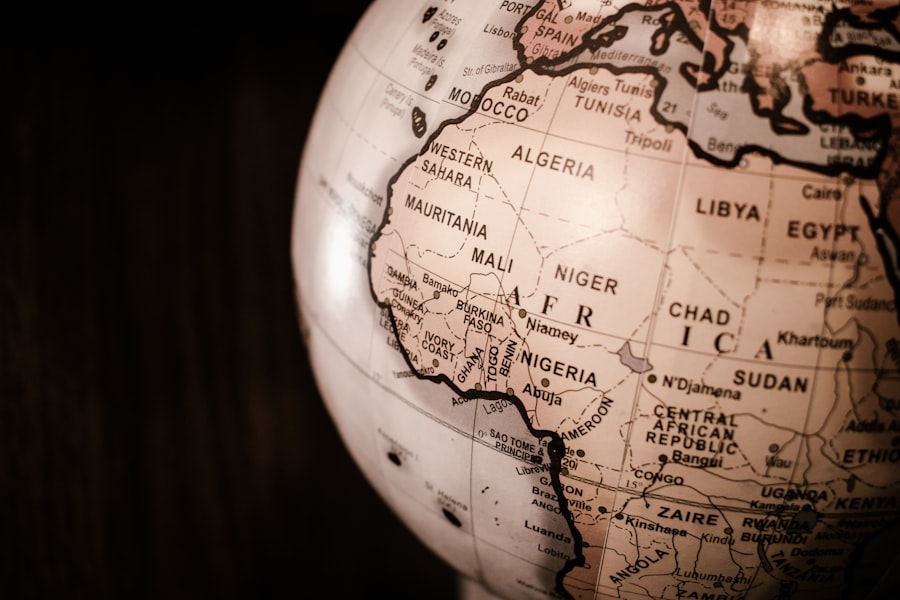
Africa is the second-largest continent by both land area and population, comprising 54 recognized countries and over 1.2 billion inhabitants. The continent encompasses approximately 30.3 million square kilometers and contains significant geographical variations, from the Sahara Desert covering much of North Africa to the Congo Basin rainforest in Central Africa. This geographical diversity corresponds to extensive cultural variation across different regions.
The continent’s cultural landscape reflects multiple historical influences, including indigenous African societies, periods of colonial administration by European powers, and contemporary global interactions. Archaeological evidence indicates that Africa contains some of humanity’s earliest civilizations, with documented societies dating back thousands of years. These historical foundations continue to influence contemporary cultural practices across the continent.
Africa’s population speaks over 2,000 languages from four major language families: Afroasiatic, Niger-Congo, Nilo-Saharan, and Khoisan. This linguistic diversity reflects the continent’s complex ethnic composition and varied cultural traditions. Each region maintains distinct social structures, religious practices, artistic expressions, and economic systems that have developed through centuries of local adaptation and cross-cultural exchange.
Modern African societies demonstrate ongoing cultural evolution as traditional practices interact with contemporary global influences. This dynamic process shapes current social, economic, and political developments across the continent while maintaining connections to historical cultural foundations.
Key Takeaways
- Africa is a continent known for its rich cultural diversity and vibrant traditions.
- It boasts a vast array of languages, music, dance, and culinary delights unique to its many regions.
- The continent has a deep historical legacy with ancient civilizations and remarkable art and craftsmanship.
- African festivals, fashion, and natural wonders highlight the continent’s dynamic cultural and environmental heritage.
- African culture significantly influences global pop culture and efforts are ongoing to preserve and celebrate this heritage.
The Diversity of African Languages and Dialects
Africa is a linguistic treasure trove, with over 2,000 distinct languages spoken across the continent. These languages belong to several major language families, including Afro-Asiatic, Nilo-Saharan, Niger-Congo, and Khoisan. The sheer number of languages reflects the continent’s ethnic diversity, with each language serving as a vessel for cultural expression and identity.
For instance, Swahili, spoken by millions in East Africa, serves as a lingua franca that bridges various ethnic groups, while languages like Zulu and Xhosa are integral to the cultural identity of their respective communities in Southern Africa. Dialects further enrich the linguistic landscape, as regional variations often emerge within a single language. This phenomenon highlights the dynamic nature of communication in Africa, where language evolves alongside cultural practices.
Efforts to document and preserve these languages are crucial, as many are endangered due to globalization and urbanization. Initiatives such as language revitalization programs and educational resources aim to promote linguistic diversity and ensure that future generations can connect with their heritage.
Traditional African Music and Dance
Music and dance are integral components of African culture, serving as expressions of identity, spirituality, and community cohesion.
Each region boasts unique musical styles that reflect local traditions and histories.
For example, West African drumming ensembles are renowned for their intricate polyrhythms, while the mbira (thumb piano) of the Shona people in Zimbabwe creates haunting melodies that resonate with spiritual significance. Dance accompanies music in various cultural ceremonies, celebrations, and rituals. It serves as a means of storytelling, social commentary, and spiritual connection.
Traditional dances often involve elaborate costumes and movements that convey specific meanings or emotions. Festivals celebrating music and dance are common throughout Africa, showcasing the continent’s rich artistic heritage while fostering community bonds. These events not only preserve traditional practices but also promote cultural exchange among diverse groups.
African Cuisine: A Culinary Adventure
African cuisine is a delightful exploration of flavors, ingredients, and cooking techniques that vary widely across regions. The continent’s culinary diversity is influenced by geography, climate, and cultural interactions. Staple foods such as maize, rice, cassava, and millet form the foundation of many dishes, while spices and herbs add depth to flavors.
For instance, North African cuisine is known for its aromatic spices like cumin and coriander, while East African dishes often feature fresh vegetables and seafood. Each country boasts signature dishes that reflect local traditions. In Nigeria, jollof rice—a one-pot dish made with tomatoes and spices—has become a beloved staple at celebrations.
In Ethiopia, injera (a sourdough flatbread) serves as both a plate and utensil for various stews known as wot. The communal aspect of dining is also significant in African culture; meals are often shared among family and friends, fostering connections and reinforcing social bonds.
The Rich History and Ancient Civilizations of Africa
| Metric | Value | Notes |
|---|---|---|
| Population | 1.4 billion | As of 2023, Africa is the second most populous continent. |
| Area | 30.37 million km² | Second largest continent by land area. |
| GDP (Nominal) | 2.6 trillion | Approximate total GDP in 2023. |
| Life Expectancy | 64 years | Average life expectancy across the continent. |
| Urbanization Rate | 43% | Percentage of population living in urban areas. |
| Literacy Rate | 70% | Average adult literacy rate. |
| Internet Penetration | 43% | Percentage of population with internet access. |
| Major Languages | Arabic, Swahili, English, French | Widely spoken languages across different regions. |
Africa’s history is marked by the rise and fall of ancient civilizations that have shaped the continent’s cultural landscape. The Kingdom of Egypt stands out as one of the most iconic civilizations, known for its monumental architecture, advanced writing systems (hieroglyphics), and contributions to mathematics and medicine. Other notable civilizations include the Kingdom of Kush in present-day Sudan, which thrived alongside Egypt; the Mali Empire in West Africa, renowned for its wealth and centers of learning; and Great Zimbabwe in Southern Africa, famous for its impressive stone ruins.
These ancient societies laid the groundwork for contemporary African cultures by establishing trade routes, fostering artistic expression, and developing complex social structures. The legacies of these civilizations continue to influence modern African societies in various ways. Understanding this rich history is essential for appreciating the depth of African culture and recognizing the resilience of its people throughout centuries of change.
African Art and Craftsmanship
African art is a vibrant reflection of the continent’s diverse cultures and traditions. It encompasses a wide range of forms, including sculpture, painting, textiles, pottery, and beadwork. Traditional African art often serves functional purposes while also conveying spiritual or social messages.
For example, masks used in rituals are not only artistic expressions but also embody ancestral spirits or represent specific cultural narratives. Craftsmanship is highly valued across Africa, with artisans honing their skills through generations. Techniques such as wood carving, pottery making, and textile weaving are passed down within families or communities.
Each piece of art tells a story—whether it be a carved figure representing fertility or a woven basket symbolizing community unity. Contemporary African artists continue to innovate while drawing inspiration from traditional practices, creating a dynamic art scene that resonates globally.
Celebrating African Festivals and Traditions
Festivals play a vital role in African culture by celebrating community identity, religious beliefs, agricultural cycles, and historical events. These vibrant gatherings often feature music, dance, food, and traditional rituals that bring people together in joyous celebration. For instance, the Timkat festival in Ethiopia commemorates the Epiphany with colorful processions and reenactments of Christ’s baptism.
In West Africa, the Durbar festival showcases equestrian displays in honor of Islamic holidays. Such events not only reinforce cultural pride but also serve as platforms for intergenerational knowledge transfer as elders pass down stories and traditions to younger generations. Festivals foster social cohesion by uniting diverse groups within communities while attracting visitors from around the world who seek to experience Africa’s rich cultural heritage firsthand.
Exploring Africa’s Natural Wonders and Wildlife
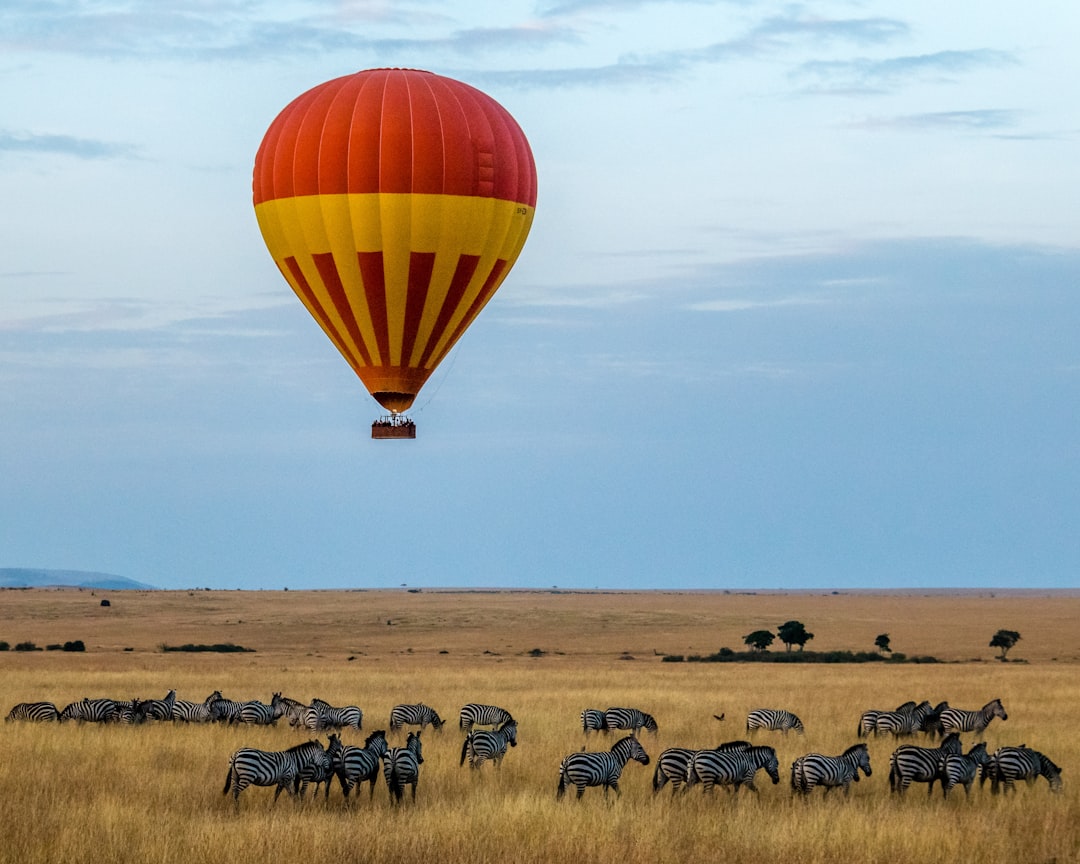
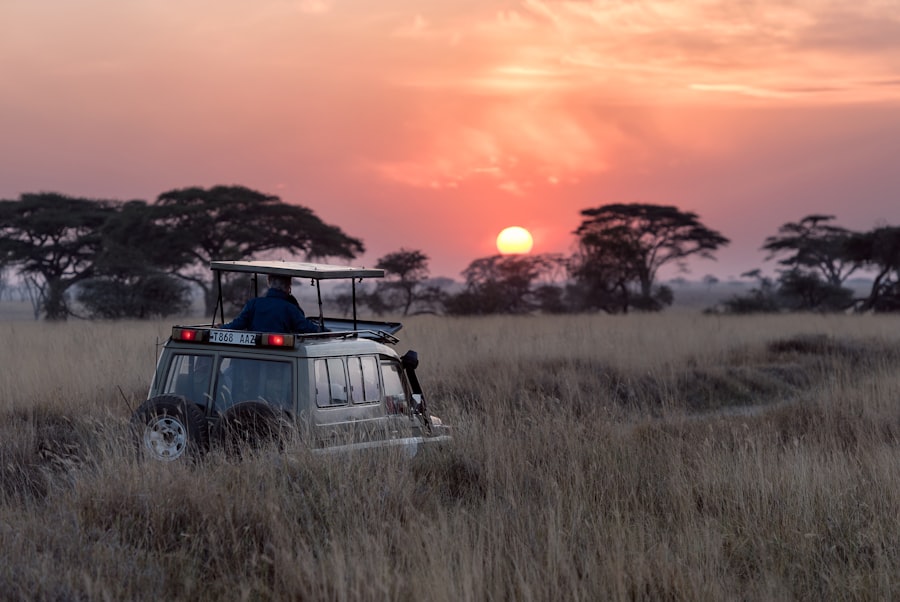
Africa is renowned for its breathtaking natural landscapes and diverse wildlife that inhabit its various ecosystems. From the vast savannas of the Serengeti to the dense rainforests of the Congo Basin, the continent boasts an array of habitats that support an incredible variety of flora and fauna. Iconic species such as elephants, lions, giraffes, and rhinoceroses roam freely in national parks and reserves across the continent.
Conservation efforts are crucial for protecting Africa’s natural heritage amid threats such as habitat loss and poaching. Organizations work tirelessly to preserve endangered species while promoting sustainable tourism practices that benefit local communities. Ecotourism initiatives allow visitors to experience Africa’s natural wonders responsibly while contributing to conservation efforts that safeguard wildlife for future generations.
African Fashion and Textiles: A Tapestry of Colors and Patterns
African fashion is a vibrant expression of cultural identity characterized by bold colors, intricate patterns, and unique designs. Traditional garments often reflect regional styles influenced by local customs and materials. For instance, kente cloth from Ghana features bright colors woven into geometric patterns that convey specific meanings related to social status or historical events.
Contemporary African fashion designers are gaining international recognition for their innovative approaches that blend traditional aesthetics with modern trends. Fashion shows celebrating African creativity showcase diverse styles that challenge stereotypes while promoting cultural pride. Textiles play a significant role in these designs; fabrics such as Ankara (wax print) are celebrated for their versatility and ability to tell stories through visual motifs.
The Influence of African Culture on Global Pop Culture
African culture has made significant contributions to global pop culture across various domains such as music, film, fashion, and art. Genres like Afrobeat—a fusion of traditional African rhythms with jazz—have gained international acclaim through artists like Fela Kuti and Burna Boy. Similarly, hip-hop artists draw inspiration from African storytelling traditions while incorporating local languages into their lyrics.
In film, African narratives are increasingly being represented on global platforms through works by directors like Wanuri Kahiu and Abderrahmane Sissako. These films challenge stereotypes while showcasing authentic stories from diverse perspectives. The influence extends to fashion as well; designers like Ozwald Boateng have brought African aesthetics to high fashion runways worldwide.
Preserving and Celebrating Africa’s Cultural Heritage
Preserving Africa’s cultural heritage is essential for maintaining its rich diversity amid rapid globalization. Efforts to document languages, traditional practices, art forms, and historical sites are crucial for ensuring that future generations can connect with their roots. Organizations dedicated to cultural preservation work collaboratively with local communities to promote awareness about their heritage while fostering pride in their identities.
Education plays a pivotal role in this endeavor; integrating cultural studies into school curricula helps instill appreciation for local traditions among young people. Additionally, initiatives promoting intercultural dialogue encourage understanding between different ethnic groups within Africa itself as well as with global audiences seeking to learn about its vibrant cultures. In summary, Africa stands as a testament to human creativity and resilience through its rich tapestry of cultures spanning languages, music traditions, culinary delights, historical legacies artistry festivals natural wonders fashion influences on global pop culture preservation efforts celebrating heritage amidst change—each facet contributing uniquely towards shaping our understanding not just about this remarkable continent but also about humanity itself at large.
While exploring various cultural celebrations, it’s interesting to note how different regions observe their holidays. For instance, in Africa, the diversity of traditions and festivities is remarkable. If you’re curious about how national observances shape community life, you might find this article on federal holidays insightful: Federal Holidays: A Guide to National Observances. It provides a broader context that can enhance our understanding of how holidays are celebrated around the world, including in African nations.
FAQs
What is Africa?
Africa is the second-largest continent on Earth, both in terms of land area and population. It is located south of Europe and bordered by the Mediterranean Sea to the north, the Atlantic Ocean to the west, the Indian Ocean to the southeast, and the Red Sea to the northeast.
How many countries are there in Africa?
Africa is made up of 54 recognized sovereign countries, each with its own government and distinct cultural identities.
What is the population of Africa?
As of recent estimates, Africa has a population of over 1.4 billion people, making it the second most populous continent after Asia.
What are the major languages spoken in Africa?
Africa is linguistically diverse, with over 2,000 languages spoken. Major languages include Arabic, Swahili, Hausa, Yoruba, Amharic, French, English, and Portuguese, among others.
What are some of the major geographical features of Africa?
Africa features diverse geography including the Sahara Desert (the largest hot desert in the world), the Nile River (the longest river), the Congo Rainforest, the Great Rift Valley, Mount Kilimanjaro (the highest peak in Africa), and vast savannas.
What is the climate like in Africa?
Africa has a wide range of climates, from tropical rainforests near the equator to arid deserts in the north and south. The continent experiences wet and dry seasons, with some regions having temperate climates.
What are the main economic activities in Africa?
Africa’s economy is diverse, including agriculture, mining, oil production, manufacturing, and services. Many countries rely on natural resources such as minerals, oil, and agricultural products.
What is the historical significance of Africa?
Africa is considered the cradle of humankind, with evidence of some of the earliest human ancestors found there. It has a rich history of ancient civilizations, including Egypt, Carthage, Mali, and Great Zimbabwe.
What are some major challenges facing Africa?
Challenges include poverty, political instability, health issues such as infectious diseases, infrastructure development, and environmental concerns like desertification and climate change.
What are some popular tourist destinations in Africa?
Popular destinations include the Pyramids of Giza in Egypt, Victoria Falls on the Zambia-Zimbabwe border, the Maasai Mara National Reserve in Kenya, Table Mountain in South Africa, and the Sahara Desert.