Now Reading: Federal Holidays: A Guide to National Observances
-
01
Federal Holidays: A Guide to National Observances
Federal Holidays: A Guide to National Observances

Federal holidays in the United States serve as designated days of observance, allowing citizens to pause and reflect on significant historical events, cultural milestones, and the contributions of various individuals and groups to the nation’s fabric. These holidays are established by federal law and are recognized nationwide, providing a uniform schedule for public employees and many private sector workers. The importance of these holidays extends beyond mere days off; they foster a sense of community, encourage civic engagement, and promote national unity.
The concept of federal holidays is deeply rooted in the American tradition of commemorating pivotal moments in history. From Independence Day to Thanksgiving, these holidays encapsulate the values and ideals that define the nation. They offer opportunities for families and friends to come together, engage in celebrations, and participate in various activities that honor the spirit of the day.
As such, federal holidays play a crucial role in shaping the American identity and reinforcing the collective memory of the nation.
History and Significance of Federal Holidays
The establishment of federal holidays can be traced back to the early years of the United States when certain days were set aside to commemorate significant events or figures. The first federal holiday, Independence Day, was declared in 1870, marking the anniversary of the signing of the Declaration of Independence. Over time, additional holidays were added to the calendar, reflecting the evolving values and priorities of American society.
For instance, Labor Day was introduced in 1894 to honor the contributions of workers, while Martin Luther King Jr. Day was established in 1983 to recognize the civil rights leader’s impact on American history. The significance of federal holidays extends beyond their historical origins; they serve as reminders of the principles upon which the nation was founded.
These days encourage reflection on themes such as freedom, equality, and justice. They also provide an opportunity for citizens to engage with their communities through various activities, such as parades, ceremonies, and volunteer work. By commemorating these events, federal holidays help to instill a sense of pride and belonging among Americans, reinforcing their connection to the nation’s past and its ongoing journey toward a more inclusive future.
List of Federal Holidays in the United States
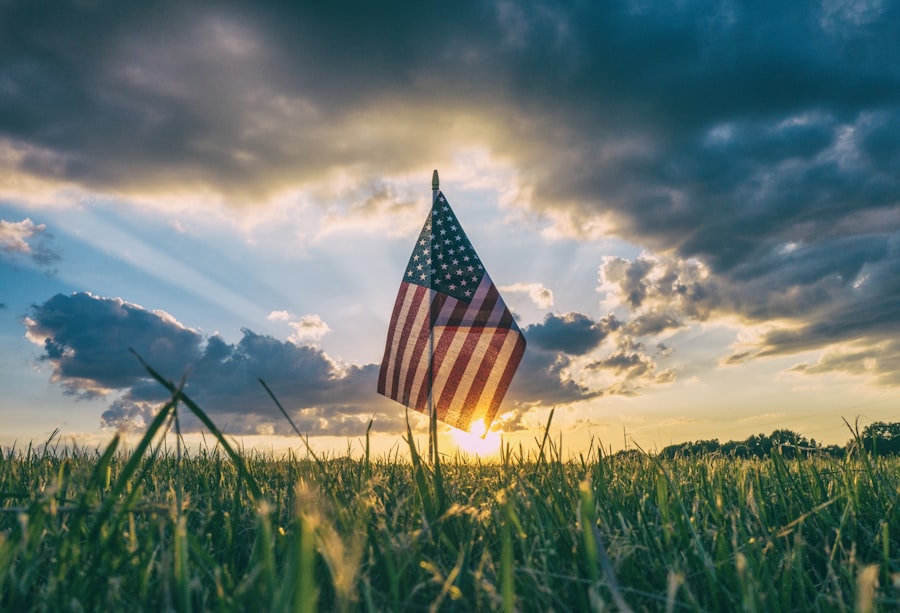
The United States recognizes eleven federal holidays, each with its own unique significance and traditions. New Year’s Day, celebrated on January 1st, marks the beginning of the calendar year and is often associated with resolutions and new beginnings. Martin Luther King Jr. Day, observed on the third Monday in January, honors the legacy of the civil rights leader and encourages community service. Presidents’ Day, celebrated on the third Monday in February, pays tribute to all U.S. presidents, particularly George Washington and Abraham Lincoln. Memorial Day, observed on the last Monday in May, honors those who have died while serving in the military. Independence Day, celebrated on July 4th, marks the adoption of the Declaration of Independence and is characterized by fireworks and patriotic displays. Labor Day, observed on the first Monday in September, recognizes the contributions of American workers. Columbus Day, celebrated on the second Monday in October, commemorates Christopher Columbus’s arrival in the Americas.
S. Armed Forces. Thanksgiving Day, celebrated on the fourth Thursday in November, is a time for families to gather and give thanks for their blessings. Finally, Christmas Day, observed on December 25th, celebrates the birth of Jesus Christ and is marked by various cultural traditions.
How Federal Holidays are Celebrated
| Holiday | Celebration |
|---|---|
| New Year’s Day | Fireworks, parties, and parades |
| Independence Day | Barbecues, picnics, and fireworks |
| Thanksgiving | Family gatherings and feasting |
| Christmas | Decorating, gift-giving, and religious observances |
Celebrations surrounding federal holidays vary widely across the United States, reflecting regional customs and individual family traditions.
Many cities host elaborate firework shows that draw large crowds, while families often celebrate with picnics and outdoor activities.
The day serves as a reminder of national pride and unity. Thanksgiving is another holiday steeped in tradition, where families come together to share a meal that typically includes turkey, stuffing, and various side dishes. Many people take time to reflect on their blessings and express gratitude for their loved ones.
Additionally, Thanksgiving has become synonymous with charitable giving; many individuals volunteer at food banks or participate in community service projects to help those less fortunate.
Differences in Federal Holidays across States
While federal holidays are recognized nationwide, individual states often have their own unique observances that reflect local history and culture. For example, some states celebrate state-specific holidays that are not recognized at the federal level. Texas observes San Jacinto Day on April 21st to commemorate its victory over Mexico in 1836, while Hawaii celebrates Discoverers’ Day on the second Monday in October to honor Polynesian voyagers.
Moreover, some states may choose to emphasize certain federal holidays more than others. For instance, states with significant military populations may hold larger Veterans Day parades or events compared to those with fewer veterans. Similarly, states with strong labor movements may celebrate Labor Day with more fervor through parades and public demonstrations.
Controversies and Debates Surrounding Federal Holidays
Federal holidays are not without their controversies and debates. One significant point of contention revolves around Columbus Day. While some view it as a celebration of exploration and discovery, others argue that it overlooks the negative impact of colonization on Indigenous peoples.
This has led several states and cities to replace Columbus Day with Indigenous Peoples’ Day as a way to honor Native American history and culture. Another area of debate concerns the commercialization of certain holidays. For instance, Christmas has increasingly become associated with consumerism rather than its religious significance for many people.
Critics argue that this shift detracts from the holiday’s original meaning and promotes materialism over meaningful connections with family and community.
The Impact of Federal Holidays on Businesses and the Economy
Federal holidays have a significant impact on businesses and the economy as they influence consumer behavior and workforce dynamics. Many businesses close or operate on reduced hours during federal holidays, which can lead to decreased productivity but also provides employees with much-needed time off to recharge. This time off can enhance employee morale and job satisfaction.
On the consumer side, federal holidays often spur increased spending as people engage in shopping sprees or travel plans. For example, Black Friday follows Thanksgiving Day and has become one of the busiest shopping days of the year as retailers offer significant discounts. This surge in consumer activity can provide a substantial boost to local economies but can also lead to challenges such as overcrowding and supply chain issues.
Future of Federal Holidays in the United States
As society continues to evolve, so too will the observance of federal holidays in the United States. There is an ongoing conversation about which events should be commemorated at a national level and how these holidays should be celebrated. Some advocates argue for additional holidays that recognize marginalized groups or significant historical events that have been overlooked.
Moreover, as cultural awareness grows regarding issues such as social justice and environmental sustainability, there may be shifts in how existing holidays are celebrated or even redefined. The future may see a greater emphasis on inclusivity and representation within holiday observances as communities seek to honor diverse histories and experiences. In conclusion, federal holidays play an essential role in American society by providing opportunities for reflection, celebration, and community engagement.
As we look ahead, it is crucial to consider how these observances can continue to evolve while remaining true to their historical significance and fostering a sense of unity among all Americans.
If you’re interested in learning more about Federal Holidays, you may want to check out this article on the history and significance of Memorial Day on boogger.com. Memorial Day is one of the many Federal Holidays observed in the United States, and this article provides insight into its origins and how it is celebrated today. It’s a fascinating read for anyone looking to deepen their understanding of the holidays that hold special importance in our country.
FAQs
What are federal holidays?
Federal holidays are holidays recognized by the United States government, during which federal offices and many businesses are closed. These holidays are established by law and apply to all federal employees.
How many federal holidays are there in the United States?
There are 10 federal holidays in the United States. These include New Year’s Day, Martin Luther King Jr. Day, Presidents’ Day, Memorial Day, Independence Day, Labor Day, Columbus Day, Veterans Day, Thanksgiving Day, and Christmas Day.
Do all states observe federal holidays?
While federal holidays are recognized nationwide, it is up to individual states to decide whether to observe these holidays. Most states do observe federal holidays, but there may be variations in how they are celebrated or which additional holidays are recognized at the state level.
Do federal holidays apply to all workers?
Federal holidays apply specifically to federal employees and the federal government. Private businesses and organizations are not required to observe federal holidays, although many choose to do so as a matter of custom or to align with the closure of federal offices.
Are federal holidays paid holidays for employees?
For federal employees, federal holidays are typically paid holidays. However, for employees in the private sector, whether a federal holiday is a paid holiday depends on the company’s policies and the terms of the employee’s contract or employment agreement.