Now Reading: Complete Protection: Full Coverage Insurance Explained
-
01
Complete Protection: Full Coverage Insurance Explained
Complete Protection: Full Coverage Insurance Explained
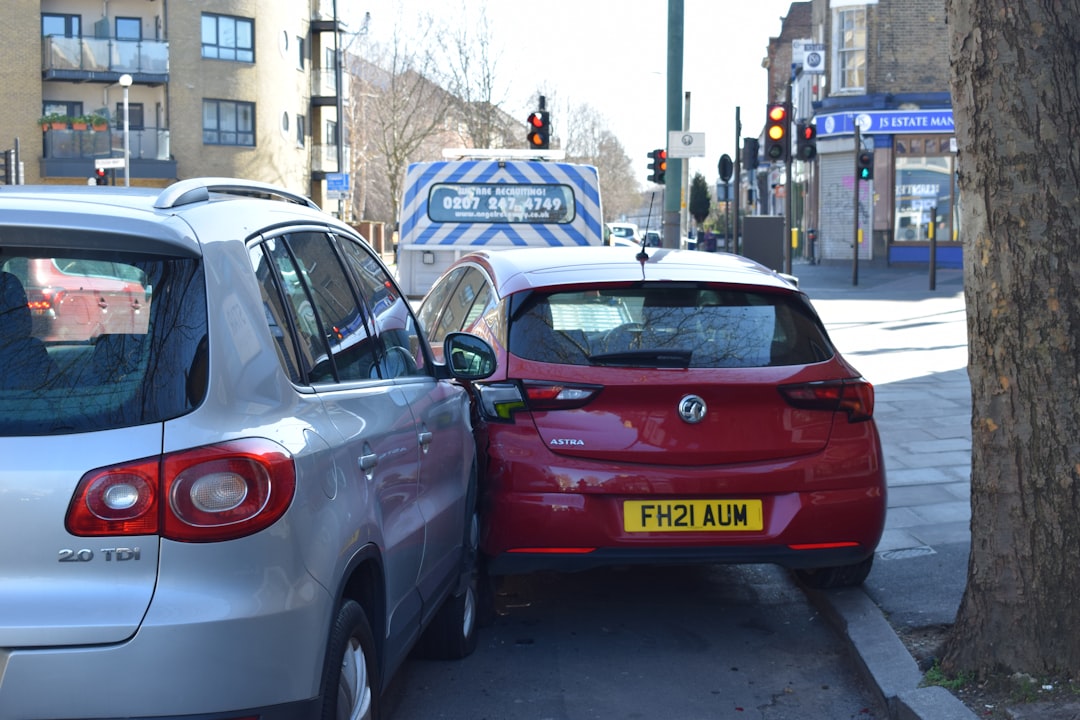
Full coverage insurance is a term commonly used in the realm of auto insurance, referring to a policy that encompasses a wide array of protections for vehicle owners. While the term itself can be somewhat misleading, as no insurance can be deemed entirely comprehensive, full coverage typically includes liability, collision, and comprehensive coverage. Liability coverage protects against damages inflicted on others in an accident where the policyholder is at fault, while collision coverage addresses damages to the policyholder’s vehicle resulting from a collision, regardless of fault.
Comprehensive coverage, on the other hand, safeguards against non-collision-related incidents such as theft, vandalism, or natural disasters. The allure of full coverage insurance lies in its ability to provide peace of mind to vehicle owners. By encompassing multiple facets of protection, it allows individuals to navigate the uncertainties of driving with greater confidence.
However, it is essential to understand that full coverage does not equate to unlimited protection; rather, it serves as a robust safety net that can mitigate financial losses in various scenarios.
Key Takeaways
- Full coverage insurance provides comprehensive protection for your vehicle, including liability, collision, and comprehensive coverage.
- Components of full coverage insurance include bodily injury liability, property damage liability, collision coverage, comprehensive coverage, and uninsured/underinsured motorist coverage.
- Benefits of full coverage insurance include financial protection in the event of an accident, coverage for damage to your own vehicle, and peace of mind while driving.
- Common misconceptions about full coverage insurance include the belief that it covers everything and that it is always the most expensive option.
- To determine if full coverage insurance is right for you, consider factors such as the value of your vehicle, your driving habits, and your financial situation.
Understanding the Components of Full Coverage Insurance
To fully grasp the concept of full coverage insurance, one must delve into its core components. The primary elements include liability coverage, collision coverage, and comprehensive coverage. Liability coverage is often mandated by law and serves as a financial safeguard against claims made by other parties involved in an accident.
It typically consists of two parts: bodily injury liability and property damage liability. Bodily injury liability covers medical expenses and lost wages for injured parties, while property damage liability addresses repairs or replacement costs for damaged property. Collision coverage is designed to cover damages to the policyholder’s vehicle resulting from a collision with another vehicle or object.
This type of coverage is particularly beneficial for those who own newer or more valuable vehicles, as it ensures that repair costs are covered regardless of fault. Comprehensive coverage complements collision coverage by addressing damages incurred from non-collision events. This includes incidents such as theft, fire, vandalism, or natural disasters like floods or hailstorms.
Together, these components create a comprehensive safety net for vehicle owners.
The Benefits of Full Coverage Insurance
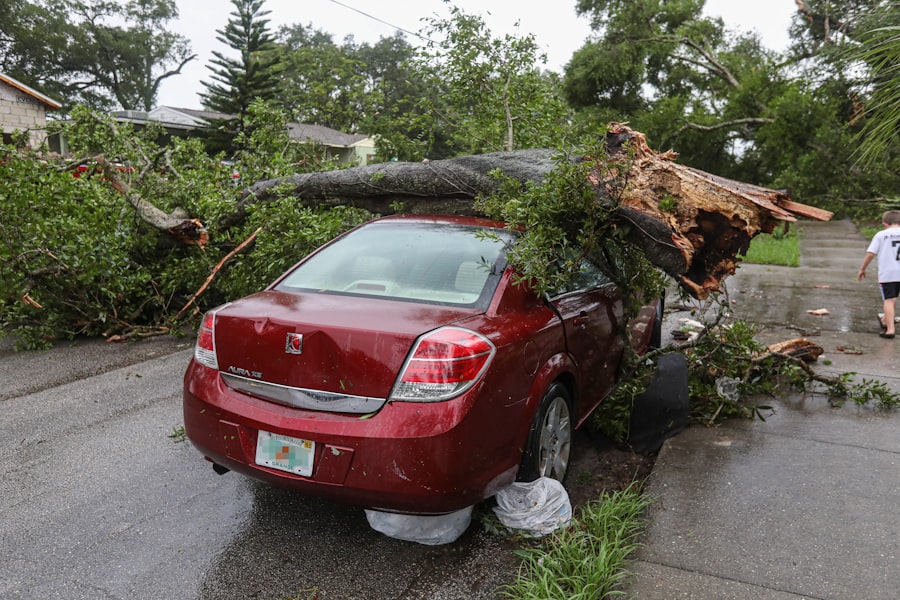
The advantages of full coverage insurance are manifold and can significantly impact a policyholder’s financial stability and peace of mind. One of the most notable benefits is the extensive protection it offers against a variety of risks. In the event of an accident or unforeseen incident, having full coverage can alleviate the financial burden associated with repairs, medical expenses, and legal fees.
This level of protection is particularly crucial for individuals who rely heavily on their vehicles for daily activities or employment. Moreover, full coverage insurance can enhance the resale value of a vehicle. When potential buyers see that a car has been well-protected with comprehensive insurance, they may feel more confident in its condition and reliability.
Additionally, many lenders require full coverage for financed vehicles to protect their investment until the loan is paid off. This requirement underscores the importance of having adequate insurance in place to safeguard both personal assets and financial obligations.
Common Misconceptions about Full Coverage Insurance
| Common Misconceptions about Full Coverage Insurance | Explanation |
|---|---|
| It covers everything | Full coverage insurance typically includes comprehensive and collision coverage, but it may not cover every possible scenario or expense. |
| It’s too expensive | While full coverage insurance may have higher premiums, it can provide valuable protection in the event of an accident or other covered event. |
| It’s not necessary for older cars | Even older cars can benefit from full coverage insurance, especially if they still hold significant value or are financed. |
| It’s the same for every driver | Full coverage insurance can vary based on factors such as driving record, age, and the type of vehicle being insured. |
Despite its many benefits, full coverage insurance is often surrounded by misconceptions that can lead to confusion among consumers. One prevalent myth is that full coverage insurance provides complete protection against all possible risks. In reality, while it offers extensive coverage, there are still exclusions and limitations that policyholders should be aware of.
For instance, full coverage does not typically cover personal belongings stolen from a vehicle or damages resulting from driving under the influence. Another common misconception is that full coverage insurance is synonymous with lower out-of-pocket expenses in all situations. While it can reduce financial liability in the event of an accident, policyholders may still face deductibles before their insurance kicks in.
Understanding these nuances is crucial for making informed decisions about insurance needs and expectations.
How to Determine if Full Coverage Insurance is Right for You
Deciding whether full coverage insurance is appropriate requires careful consideration of individual circumstances and risk tolerance. Factors such as the age and value of your vehicle play a significant role in this decision-making process. For instance, if you own a newer or high-value car, investing in full coverage may be prudent to protect your asset from potential losses.
Conversely, if you drive an older vehicle with minimal resale value, opting for liability-only coverage might be more financially sensible. Additionally, evaluating your driving habits and lifestyle can provide insight into your insurance needs. Frequent long-distance travel or commuting in high-traffic areas may increase your risk exposure, making full coverage a more attractive option.
Conversely, if you primarily use your vehicle for short trips in low-traffic areas, you may feel comfortable with less extensive coverage.
The Cost of Full Coverage Insurance

The cost associated with full coverage insurance can vary significantly based on several factors. These include the type of vehicle being insured, the driver’s age and driving history, geographic location, and the specific coverages selected within the policy. On average, full coverage insurance can cost anywhere from $1,200 to $2,500 annually; however, this figure can fluctuate based on individual circumstances.
Younger drivers or those with a history of accidents may face higher premiums due to perceived risk factors. Additionally, urban areas often have higher rates due to increased traffic density and higher likelihoods of accidents or thefts. To mitigate costs while maintaining adequate protection, individuals should consider shopping around for quotes from multiple insurers and exploring available discounts for safe driving records or bundling policies.
Comparing Full Coverage Insurance with Other Types of Insurance
When evaluating full coverage insurance against other types of auto insurance policies, it becomes evident that each option serves distinct purposes tailored to varying needs. Liability-only insurance is often the most affordable option but provides limited protection solely against damages inflicted on others in an accident where the policyholder is at fault. This type of policy may suffice for older vehicles with low market value but leaves drivers vulnerable to significant out-of-pocket expenses in case of an accident.
Conversely, full coverage insurance offers a more comprehensive safety net by combining liability, collision, and comprehensive coverages into one policy. This holistic approach ensures that drivers are protected from a wide range of risks associated with vehicle ownership. Ultimately, the choice between these options hinges on individual circumstances such as vehicle value, financial situation, and risk tolerance.
Tips for Finding the Best Full Coverage Insurance Policy
Finding the ideal full coverage insurance policy requires diligent research and consideration of various factors. Start by assessing your specific needs based on your vehicle’s value and your driving habits. Once you have a clear understanding of your requirements, begin gathering quotes from multiple insurers to compare rates and coverages.
Look for companies with strong financial ratings and positive customer feedback regarding claims handling and customer service. Furthermore, inquire about available discounts that could lower your premium costs—many insurers offer reductions for safe driving records or bundling multiple policies.
What to Look for in a Full Coverage Insurance Policy
When evaluating potential full coverage insurance policies, several key factors should be prioritized to ensure comprehensive protection tailored to your needs. First and foremost, examine the limits of liability coverage offered within each policy; higher limits provide greater financial security in case of severe accidents resulting in significant damages or injuries. Next, consider the deductibles associated with collision and comprehensive coverages; lower deductibles may result in higher premiums but can provide peace of mind during unexpected incidents.
Additionally, review any exclusions or limitations outlined in the policy documents to avoid surprises when filing claims.
The Claims Process for Full Coverage Insurance
Understanding the claims process associated with full coverage insurance is crucial for ensuring a smooth experience when filing a claim after an incident occurs. Typically, the process begins with notifying your insurer about the accident or event as soon as possible—most companies have dedicated claims hotlines available 24/7. After reporting the incident, an adjuster will be assigned to assess damages and determine liability based on provided evidence such as police reports or witness statements.
It’s essential to document all relevant information during this stage to facilitate a thorough investigation. Once approved, claims payments will be issued according to the terms outlined in your policy.
Additional Considerations for Full Coverage Insurance
In addition to understanding core components and processes associated with full coverage insurance, several additional considerations warrant attention when selecting a policy. For instance, consider whether rental car reimbursement is included; this feature can provide financial support for temporary transportation while your vehicle undergoes repairs after an accident. Furthermore, evaluate whether roadside assistance services are offered within your policy; this can be invaluable during emergencies such as breakdowns or flat tires.
Lastly, keep abreast of any changes in state laws regarding minimum insurance requirements—staying informed ensures compliance while optimizing your protection strategy. In summary, full coverage insurance provides extensive protection encompassing liability, collision, and comprehensive coverages tailored to individual needs. Understanding its components and benefits allows consumers to make informed decisions about their insurance requirements while dispelling common misconceptions surrounding this type of policy.
By carefully evaluating personal circumstances and comparing options from various insurers, individuals can secure optimal protection that aligns with their financial goals and risk tolerance levels.
If you’re looking to protect your holiday decorations, consider investing in full coverage insurance. This type of insurance can provide financial protection in case your custom ornaments or pre-lit Christmas trees are damaged or stolen. For more tips on how to safeguard your holiday decor, check out this article on custom ornaments for a festive holiday.
FAQs
What is full coverage insurance?
Full coverage insurance is a term used to describe an insurance policy that includes a combination of liability, collision, and comprehensive coverage. It provides a higher level of protection for the insured individual and their vehicle.
What does full coverage insurance typically include?
Full coverage insurance typically includes liability coverage, which covers the costs of damage or injury to others in an accident, as well as collision coverage, which covers the costs of damage to the insured individual’s vehicle in a collision. It also includes comprehensive coverage, which covers the costs of damage to the insured individual’s vehicle from non-collision incidents such as theft, vandalism, or natural disasters.
Is full coverage insurance required by law?
While liability insurance is typically required by law in most states, full coverage insurance is not mandatory. However, it is often recommended for individuals who want to protect their own vehicle from damage and have additional peace of mind.
How much does full coverage insurance cost?
The cost of full coverage insurance can vary depending on factors such as the insured individual’s driving record, the type of vehicle being insured, and the insurance company. Generally, full coverage insurance tends to be more expensive than basic liability coverage due to the higher level of protection it provides.
Is full coverage insurance worth it?
Whether full coverage insurance is worth it depends on the individual’s specific needs and circumstances. It can provide additional protection and peace of mind, especially for individuals with newer or more valuable vehicles. However, it is important to weigh the cost of the insurance premiums against the potential benefits and consider factors such as the age and condition of the vehicle.