Now Reading: Find Cardiovascular Near Me: A Guide to Local Heart Health
-
01
Find Cardiovascular Near Me: A Guide to Local Heart Health
Find Cardiovascular Near Me: A Guide to Local Heart Health

Cardiovascular health encompasses the well-being of the heart and blood vessels, which are crucial for maintaining overall health. The cardiovascular system is responsible for transporting oxygen, nutrients, hormones, and waste products throughout the body. A well-functioning cardiovascular system is vital for sustaining life, as it ensures that all organs receive the necessary substances to function optimally.
Cardiovascular diseases (CVDs) are a leading cause of morbidity and mortality worldwide, with conditions such as coronary artery disease, hypertension, and heart failure significantly impacting public health. The risk factors associated with cardiovascular health are multifaceted and include lifestyle choices, genetic predispositions, and environmental influences. Common risk factors include obesity, sedentary behavior, smoking, excessive alcohol consumption, and poor dietary habits.
Understanding these factors is essential for both prevention and management of cardiovascular diseases. Regular monitoring of blood pressure, cholesterol levels, and blood glucose can help identify individuals at risk and facilitate early intervention.
Key Takeaways
- Understanding Cardiovascular Health:
- Cardiovascular health is crucial for overall well-being and involves the heart and blood vessels.
- Regular check-ups are important for maintaining cardiovascular health and catching any issues early on.
- Importance of Regular Cardiovascular Check-ups:
- Regular check-ups can help identify risk factors and prevent cardiovascular diseases.
- It is recommended to have a cardiovascular check-up at least once a year, especially for individuals with a family history of heart disease.
- Finding a Cardiovascular Specialist Near You:
- Researching and asking for referrals from primary care physicians can help in finding a qualified cardiovascular specialist.
- Consider factors such as location, hospital affiliation, and patient reviews when choosing a specialist.
- Tips for Choosing the Right Cardiovascular Doctor:
- Look for a doctor who is board-certified and has experience in treating specific cardiovascular conditions.
- Consider the doctor’s communication style and how comfortable you feel discussing your concerns with them.
- Local Resources for Cardiovascular Care:
- Local hospitals, clinics, and health centers may offer cardiovascular care services and support groups for patients and their families.
- Utilize online directories and community resources to find local cardiovascular care options.
Importance of Regular Cardiovascular Check-ups
Regular cardiovascular check-ups are paramount for early detection and management of potential heart-related issues. These evaluations typically involve a comprehensive assessment of an individual’s medical history, physical examination, and diagnostic tests such as electrocardiograms (ECGs), echocardiograms, and stress tests. By identifying risk factors and existing conditions early on, healthcare providers can implement preventive measures or initiate treatment plans that may significantly improve patient outcomes.
Moreover, routine check-ups foster a proactive approach to health management. They provide an opportunity for patients to engage in discussions about lifestyle modifications, medication adherence, and symptom management. For individuals with pre-existing conditions or a family history of heart disease, these appointments become even more critical.
Regular follow-ups can help track the effectiveness of treatment strategies and adjust them as necessary to ensure optimal cardiovascular health.
Finding a Cardiovascular Specialist Near You

Locating a qualified cardiovascular specialist is essential for individuals seeking expert care for heart-related issues. Various resources can assist in this endeavor, including online directories, hospital websites, and professional organizations such as the American College of Cardiology (ACC) or the American Heart Association (AHA). These platforms often provide information on board-certified cardiologists, their areas of expertise, and patient reviews.
When searching for a specialist, consider factors such as the physician’s credentials, experience, and subspecialties. Some cardiologists focus on specific areas like interventional cardiology or electrophysiology, while others may have expertise in heart failure or preventive cardiology. Additionally, seeking recommendations from primary care physicians or trusted friends can lead to valuable insights into the quality of care provided by local specialists.
Tips for Choosing the Right Cardiovascular Doctor
| Factors to Consider | Importance |
|---|---|
| Board Certification | High |
| Experience | High |
| Specialization | High |
| Reputation | High |
| Communication Style | Medium |
| Location | Medium |
| Insurance Coverage | Low |
Selecting the right cardiovascular doctor is a critical decision that can significantly impact your health journey. Start by verifying the physician’s board certification in cardiology, which ensures they have met rigorous standards in education and training. It is also beneficial to assess their experience in treating specific conditions relevant to your health needs.
Communication style is another vital aspect to consider. A good cardiovascular doctor should be approachable and willing to listen to your concerns. During your initial consultation, evaluate how well they explain complex medical concepts and whether they encourage questions.
Additionally, consider logistical factors such as office location, availability for appointments, and whether they accept your insurance plan. A supportive and accessible healthcare provider can make a substantial difference in your overall experience.
Local Resources for Cardiovascular Care
Accessing local resources for cardiovascular care can enhance your ability to manage heart health effectively. Many communities offer specialized clinics focused on cardiovascular wellness that provide screenings, educational programs, and support services. Local hospitals often have dedicated cardiology departments equipped with advanced diagnostic tools and treatment options.
In addition to clinical resources, community organizations may host events aimed at promoting heart health awareness. These initiatives can include free health fairs offering blood pressure screenings or educational seminars on nutrition and exercise. Engaging with local resources not only provides access to essential services but also fosters a sense of community support in your journey toward better cardiovascular health.
Common Cardiovascular Conditions and Treatments
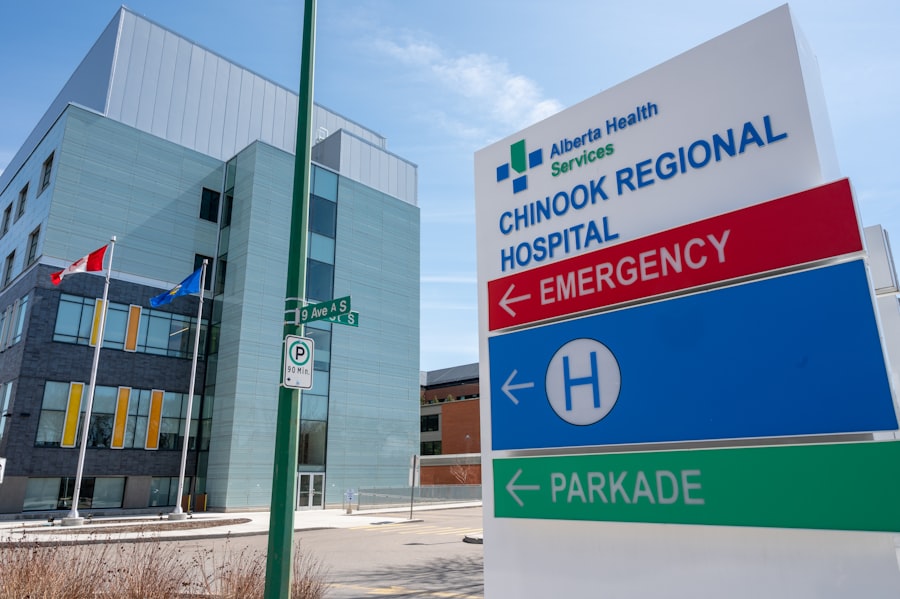
Cardiovascular diseases encompass a wide range of conditions that affect the heart and blood vessels. Some of the most prevalent include coronary artery disease (CAD), which occurs when plaque builds up in the coronary arteries, leading to reduced blood flow to the heart muscle. Treatment options for CAD may involve lifestyle changes, medications such as statins or antiplatelet agents, and interventional procedures like angioplasty or coronary artery bypass grafting (CABG).
Management typically includes lifestyle modifications such as dietary changes and increased physical activity, along with pharmacological interventions like diuretics or ACE inhibitors. Heart failure is a chronic condition where the heart cannot pump effectively; treatment may involve medications like beta-blockers or diuretics and lifestyle adjustments to alleviate symptoms.
Lifestyle Changes for Improved Cardiovascular Health
Implementing lifestyle changes is one of the most effective strategies for enhancing cardiovascular health. A balanced diet rich in fruits, vegetables, whole grains, lean proteins, and healthy fats can significantly reduce the risk of developing heart disease. The Mediterranean diet is often recommended due to its emphasis on nutrient-dense foods that promote heart health.
Regular physical activity is equally important; engaging in at least 150 minutes of moderate-intensity aerobic exercise per week can improve cardiovascular fitness and lower blood pressure. Activities such as walking, cycling, swimming, or dancing can be enjoyable ways to incorporate exercise into daily routines. Additionally, managing stress through mindfulness practices like yoga or meditation can positively impact heart health by reducing cortisol levels and promoting relaxation.
Support Groups and Community Programs for Heart Health
Support groups play a crucial role in providing emotional support and education for individuals dealing with cardiovascular conditions. These groups offer a safe space for patients to share experiences, discuss challenges, and learn from one another. Many hospitals and community organizations facilitate these gatherings, often led by healthcare professionals who can provide valuable insights into managing heart disease.
Community programs focused on heart health may include workshops on nutrition education, exercise classes tailored for individuals with cardiovascular concerns, or initiatives aimed at promoting smoking cessation. Participating in these programs not only enhances knowledge but also fosters connections with others who share similar health journeys.
Integrative Approaches to Cardiovascular Care
Integrative approaches to cardiovascular care combine conventional medical treatments with complementary therapies to enhance overall well-being. This holistic perspective recognizes that emotional and psychological factors can significantly influence heart health. Techniques such as acupuncture, massage therapy, or nutritional counseling may be incorporated alongside traditional treatments to address the multifaceted nature of cardiovascular diseases.
Moreover, lifestyle interventions such as mindfulness-based stress reduction (MBSR) have shown promise in improving cardiovascular outcomes by reducing stress levels and promoting healthier behaviors. Collaborating with healthcare providers who embrace integrative approaches can empower patients to take an active role in their care while exploring various avenues for improving their cardiovascular health.
Telemedicine Options for Cardiovascular Consultations
Telemedicine has revolutionized healthcare delivery by providing patients with convenient access to specialists without the need for in-person visits. For individuals managing chronic cardiovascular conditions or those seeking preventive care, telehealth consultations offer flexibility while ensuring continuity of care. Patients can engage in virtual appointments from the comfort of their homes while receiving expert guidance on medication management, lifestyle changes, or symptom monitoring.
This mode of care is particularly beneficial for those living in rural areas or facing mobility challenges that make travel difficult. Telemedicine platforms often utilize secure video conferencing technology that allows for real-time communication between patients and healthcare providers while maintaining confidentiality.
Taking Control of Your Cardiovascular Health
Taking control of your cardiovascular health involves proactive engagement in your well-being through education, regular check-ups, and lifestyle modifications. Understanding personal risk factors empowers individuals to make informed decisions about their health journey. Establishing a partnership with healthcare providers fosters open communication about concerns and treatment options.
Additionally, setting achievable goals related to diet, exercise, and stress management can lead to significant improvements in cardiovascular health over time. Utilizing available resources—such as support groups or community programs—can further enhance motivation and accountability in maintaining a heart-healthy lifestyle.
By understanding common conditions and treatment options while embracing integrative approaches and telemedicine solutions, individuals can take proactive steps toward managing their heart health effectively. Engaging with local resources and support networks fosters a sense of community that enhances motivation on this journey toward improved cardiovascular wellness.
If you are interested in learning more about cardiovascular health near you, check out this informative article on the magic of the Christmas market. This article provides valuable insights into how festive events can impact your overall well-being and cardiovascular health. It’s important to stay informed and educated about ways to take care of your heart, especially during the holiday season.
FAQs
What is cardiovascular disease?
Cardiovascular disease refers to a group of conditions that affect the heart and blood vessels, including heart disease, stroke, and high blood pressure.
What are the symptoms of cardiovascular disease?
Symptoms of cardiovascular disease can include chest pain, shortness of breath, dizziness, fatigue, and irregular heartbeat.
What are the risk factors for cardiovascular disease?
Risk factors for cardiovascular disease include high blood pressure, high cholesterol, smoking, diabetes, obesity, and a sedentary lifestyle.
How is cardiovascular disease diagnosed?
Cardiovascular disease can be diagnosed through physical exams, blood tests, imaging tests (such as echocardiograms or CT scans), and cardiac catheterization.
What are the treatment options for cardiovascular disease?
Treatment for cardiovascular disease may include lifestyle changes, medication, and in some cases, surgical procedures such as angioplasty or bypass surgery.
Where can I find cardiovascular care near me?
You can find cardiovascular care near you by searching for cardiologists, heart hospitals, or cardiovascular clinics in your area. You can also ask for recommendations from your primary care physician.