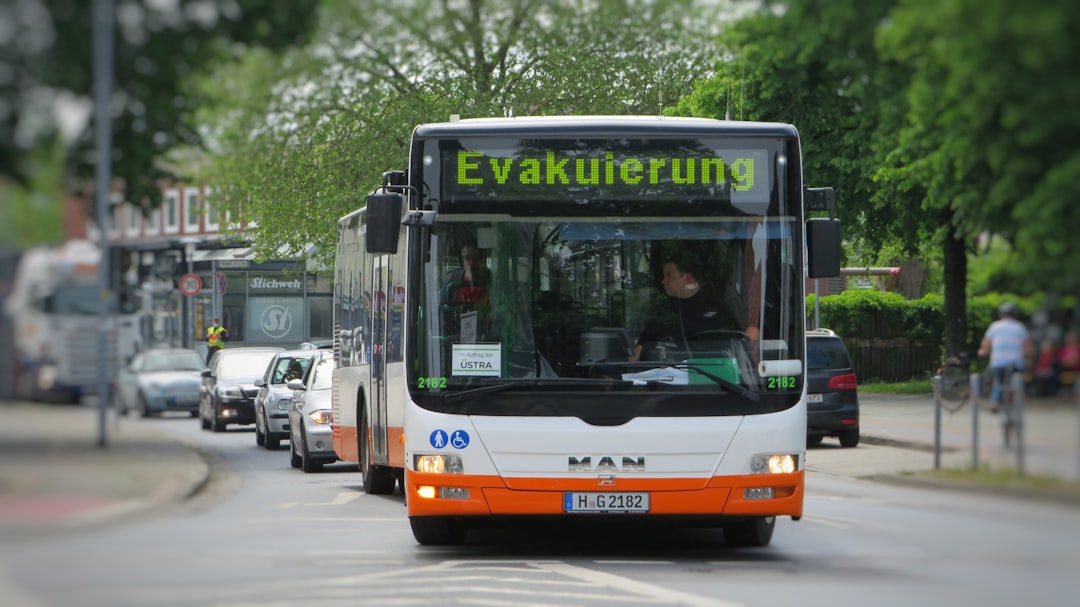
Now Reading: Bus Accident at Liljeholmen: What You Need to Know
-
01
Bus Accident at Liljeholmen: What You Need to Know
Bus Accident at Liljeholmen: What You Need to Know
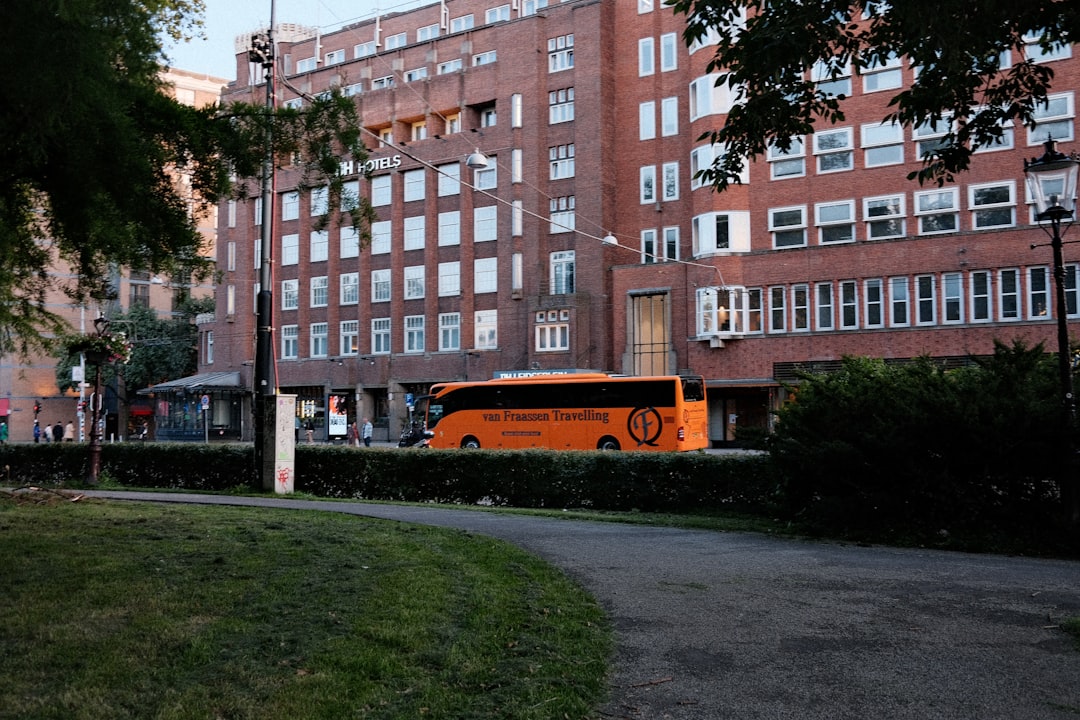
On a routine day in Liljeholmen, a busy district in Stockholm, Sweden, a serious bus accident occurred during rush hour. The public transport vehicle was carrying many passengers when the incident happened. This event raised significant safety concerns and exposed weaknesses in urban transit systems.
As information about the accident became available, it was clear that the consequences would go beyond immediate physical injuries. The Liljeholmen bus accident demonstrates the real dangers of public transportation. Given that millions depend on buses for daily travel, it is essential to understand what causes such incidents.
This article provides a detailed examination of the accident, including specific information, emergency response efforts, and the broader effects on traffic safety and community resources.
Key Takeaways
- A serious bus accident occurred at Liljeholmen, resulting in multiple casualties and injuries.
- Emergency services responded promptly, providing medical aid and managing the accident scene.
- The incident caused significant disruptions to traffic and public transportation in the area.
- Investigations are underway to determine the causes, with legal and compensation processes initiated for victims.
- Local authorities and the community have shown strong support, emphasizing improved safety measures for future bus travel.
Details of the Accident
The bus accident at Liljeholmen occurred on a busy intersection during the morning rush hour, a time when pedestrian and vehicular traffic is at its peak. Eyewitness accounts describe a chaotic scene as the bus collided with a stationary vehicle before veering off course and striking a nearby lamppost. The impact was significant, leading to extensive damage to both the bus and the surrounding infrastructure.
Reports indicate that the bus was operating within its scheduled route, and initial assessments suggest that weather conditions were clear at the time of the incident. Investigators have begun to piece together the sequence of events leading up to the crash. Preliminary findings indicate that mechanical failure may have played a role, with witnesses noting that the bus appeared to be traveling at an unusually high speed before the collision.
The driver, who was among those injured, has been cooperative with authorities, providing crucial information that may assist in determining the cause of the accident. As investigations continue, authorities are focusing on gathering data from traffic cameras and interviewing passengers to gain a clearer understanding of what transpired.
Number of Casualties and Injuries

The aftermath of the Liljeholmen bus accident revealed a tragic toll on human life and well-being. Initial reports confirmed that there were multiple casualties, with several individuals sustaining serious injuries. Emergency medical personnel quickly arrived on the scene to assess and treat those affected.
A total of 15 individuals were reported injured, with varying degrees of severity ranging from minor bruises to critical conditions requiring immediate hospitalization.
The local hospital reported an influx of patients, necessitating a coordinated response from medical staff to ensure that all victims received timely care.
Tragically, two individuals succumbed to their injuries shortly after arrival at the hospital, underscoring the devastating consequences of this incident. The emotional toll on families and friends of those involved cannot be overstated, as they grapple with loss and uncertainty in the wake of this tragedy.
Response from Emergency Services
Emergency services responded swiftly to the scene of the accident, demonstrating remarkable coordination and efficiency in managing a complex situation. Firefighters worked diligently to extricate trapped passengers from the wreckage while paramedics provided immediate medical attention to those injured. The rapid deployment of resources included multiple ambulances and specialized rescue teams trained for mass casualty incidents.
In addition to medical personnel, law enforcement officers were dispatched to secure the area and facilitate traffic management. Their presence was crucial in ensuring that emergency responders could operate without obstruction while also directing onlookers away from the scene.
Impact on Traffic and Public Transportation
| Date | Location | Number of Vehicles Involved | Number of Injuries | Cause | Response Time (minutes) | Traffic Impact |
|---|---|---|---|---|---|---|
| 2024-04-15 | Liljeholmen, Stockholm | 3 | 5 | Slippery road conditions | 8 | Severe delays, partial road closure |
| 2023-11-02 | Liljeholmen, Stockholm | 2 | 2 | Driver distraction | 6 | Moderate delays |
| 2023-07-19 | Liljeholmen, Stockholm | 4 | 3 | Brake failure | 10 | Severe delays, road closure for 1 hour |
The bus accident at Liljeholmen had immediate repercussions for traffic flow in the area, leading to significant disruptions during peak commuting hours. Major thoroughfares were closed off as investigators worked to gather evidence and clear debris from the scene. Commuters faced delays and detours as public transportation services were temporarily suspended in response to safety concerns.
The incident raised questions about the reliability of public transportation systems and their ability to ensure passenger safety. Many individuals expressed apprehension about using buses in light of this tragedy, prompting discussions about potential reforms in transportation policies. Local authorities are now tasked with evaluating existing safety protocols and considering enhancements to prevent similar incidents in the future.
Investigation and Possible Causes of the Accident

As investigations into the Liljeholmen bus accident progressed, authorities focused on several potential causes that could have contributed to this tragic event. Mechanical failure emerged as a primary area of inquiry, with experts examining the bus’s maintenance records and conducting thorough inspections of its braking system and other critical components. Additionally, investigators are analyzing data from onboard systems that may provide insights into speed and driver behavior leading up to the collision.
Human factors are also being scrutinized as part of the investigation. The driver’s experience, training, and adherence to safety protocols will be evaluated to determine if any lapses occurred. Furthermore, environmental factors such as road conditions and visibility will be assessed to ascertain their potential influence on the accident’s outcome.
The comprehensive nature of this investigation aims to uncover all contributing factors to ensure accountability and enhance future safety measures.
Support and Counseling for Victims and Witnesses
In light of the traumatic nature of the bus accident at Liljeholmen, support services have been mobilized to assist victims and witnesses grappling with emotional distress. Local mental health professionals have been deployed to provide counseling services for those affected by the incident. This includes not only passengers on the bus but also bystanders who witnessed the event unfold.
Counseling sessions focus on addressing feelings of anxiety, grief, and trauma that may arise following such a harrowing experience. Support groups have been established to foster community solidarity among those impacted by the accident, allowing individuals to share their experiences in a safe environment. The importance of mental health support cannot be overstated, as it plays a critical role in helping individuals navigate their recovery journey.
Legal Ramifications and Compensation for Victims
The legal implications stemming from the Liljeholmen bus accident are complex and multifaceted. Victims may seek compensation for medical expenses, lost wages, and emotional distress resulting from their injuries. Legal experts are advising affected individuals on their rights and potential avenues for pursuing claims against responsible parties.
In cases where negligence is established—whether it be due to mechanical failure or driver error—victims may be entitled to significant compensation through civil litigation. Insurance companies will likely play a pivotal role in determining settlements for those affected by this tragedy. Legal proceedings can be lengthy; however, they are essential for ensuring accountability and providing financial relief for victims as they navigate their recovery.
Safety Measures and Precautions for Future Bus Travel
In response to this tragic incident, local authorities are prioritizing safety measures aimed at preventing future accidents involving public transportation vehicles. Recommendations include enhanced training programs for drivers focusing on defensive driving techniques and emergency response protocols. Additionally, regular maintenance checks will be mandated for all public transport vehicles to ensure they meet safety standards.
Public awareness campaigns will also be launched to educate commuters about safe practices while using buses, such as remaining seated while in motion and being vigilant when boarding or disembarking. These initiatives aim not only to improve safety but also to restore public confidence in using public transportation systems.
Reactions from Local Authorities and Public Officials
Local authorities have expressed deep condolences for those affected by the Liljeholmen bus accident while emphasizing their commitment to investigating its causes thoroughly. Public officials have pledged support for victims’ families and are actively engaging with community members to address concerns regarding transportation safety. Statements from city leaders highlight a collective resolve to implement necessary changes within public transportation systems to prevent similar tragedies in the future.
They have called for collaboration among various stakeholders—including transportation agencies, law enforcement, and mental health professionals—to create a comprehensive approach toward enhancing safety measures.
Community Support and Solidarity after the Accident
In the wake of this devastating event, community support has emerged as a powerful force for healing among those affected by the Liljeholmen bus accident. Local organizations have rallied together to provide assistance to victims’ families through fundraising efforts aimed at covering medical expenses and funeral costs for those who lost their lives. Community vigils have been organized as a means of honoring victims while fostering solidarity among residents grappling with grief.
These gatherings serve as poignant reminders of shared humanity during times of crisis, allowing individuals to come together in support of one another as they navigate their collective loss. In summary, the bus accident at Liljeholmen has left an indelible mark on both victims and the broader community. As investigations continue into its causes, local authorities are committed to implementing safety measures aimed at preventing future tragedies while providing essential support services for those affected by this heartbreaking event.
In light of the recent bussolycka in Liljeholmen, it’s essential to consider the implications of such incidents on insurance coverage. For those looking to understand how car insurance can help in the aftermath of an accident, you can refer to this informative article on car insurance quotes. This resource provides valuable insights into securing the right coverage to protect yourself and your vehicle in case of unforeseen events.
FAQs
What happened in the bus accident at Liljeholmen?
The bus accident at Liljeholmen involved a collision or crash that occurred in the Liljeholmen area. Specific details about the cause, number of vehicles involved, and injuries may vary depending on the incident date.
When did the Liljeholmen bus accident occur?
The exact date of the bus accident at Liljeholmen depends on the specific incident being referenced. News sources or official reports provide the precise date and time.
Were there any injuries or fatalities in the Liljeholmen bus accident?
Information about injuries or fatalities resulting from the Liljeholmen bus accident depends on the severity of the crash. Official emergency services or news reports typically provide updates on casualties.
What caused the bus accident at Liljeholmen?
The cause of the bus accident at Liljeholmen can vary and may include factors such as driver error, mechanical failure, road conditions, or other external circumstances. Investigations by authorities determine the exact cause.
How did emergency services respond to the Liljeholmen bus accident?
Emergency services, including police, ambulance, and fire departments, usually respond promptly to bus accidents to provide medical assistance, secure the scene, and investigate the incident.
Is public transportation affected in Liljeholmen after the bus accident?
Bus accidents can lead to temporary disruptions or rerouting of public transportation services in the Liljeholmen area until the scene is cleared and safety is ensured.
Where can I find official updates about the Liljeholmen bus accident?
Official updates can be found through local news outlets, the transportation authority’s website, or social media channels of emergency services involved in the Liljeholmen area.
What safety measures are in place to prevent bus accidents in Liljeholmen?
Safety measures include regular vehicle maintenance, driver training, traffic regulations, and infrastructure improvements aimed at reducing the risk of accidents in Liljeholmen and surrounding areas.