Now Reading: Buss Accident at Liljeholmen: What You Need to Know
-
01
Buss Accident at Liljeholmen: What You Need to Know
Buss Accident at Liljeholmen: What You Need to Know
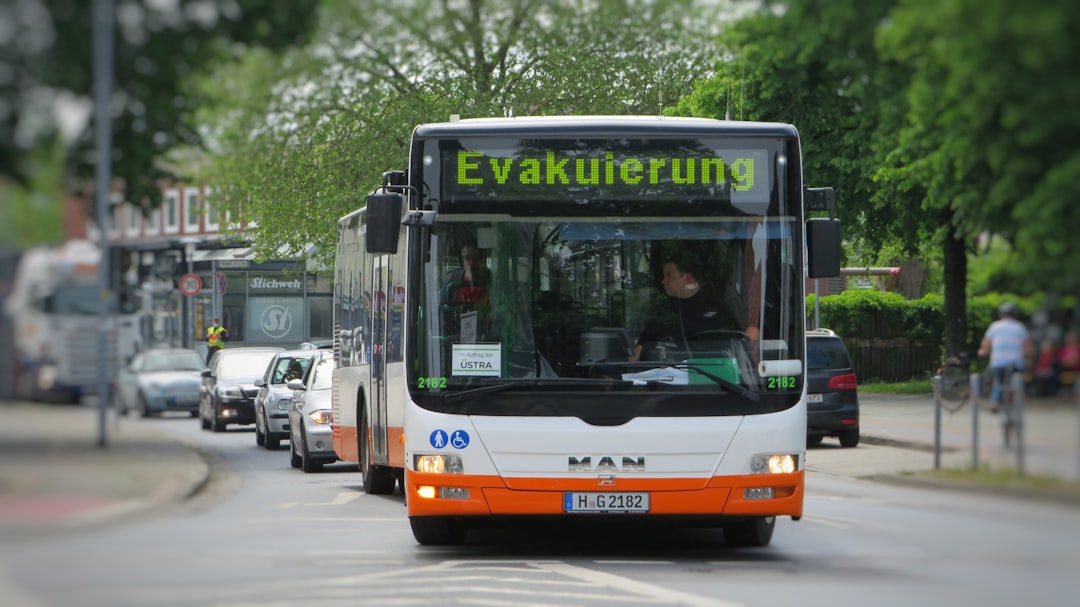
On a seemingly ordinary day in Liljeholmen, a bustling district in Stockholm, Sweden, an unforeseen tragedy unfolded that would leave an indelible mark on the community.
This incident not only raised questions about the safety of public transportation but also highlighted the urgent need for comprehensive reviews of existing protocols and regulations.
As the community grapples with the aftermath, it is essential to delve into the details of the accident, the response from authorities, and the broader implications for public safety. The Liljeholmen bus accident serves as a stark reminder of the vulnerabilities inherent in urban transportation systems. With increasing population density and traffic congestion, the potential for accidents escalates.
This incident has prompted discussions about the adequacy of current safety measures and the responsibilities of public transport operators. As we explore the various facets of this tragic event, it becomes clear that a multifaceted approach is necessary to prevent similar occurrences in the future.
Key Takeaways
- The Liljeholmen bus accident resulted in multiple casualties and injuries, prompting a swift emergency response.
- Eyewitnesses provided crucial accounts that helped authorities understand the circumstances of the crash.
- The incident caused significant disruptions to traffic and public transportation in the area.
- Investigations are underway to determine the causes, with a focus on improving safety measures and regulations.
- There are ongoing calls for reforms in the public transportation system to prevent future accidents and support affected victims and families.
Details of the Accident
The Liljeholmen bus accident transpired during peak hours when the streets were teeming with commuters. Eyewitnesses reported that the bus, operated by [insert bus company name], appeared to lose control while navigating a busy intersection. The vehicle collided with several cars before veering off course and striking pedestrians waiting at a nearby bus stop.
The chaotic scene that ensued was marked by panic and confusion as bystanders rushed to assist those injured. Emergency services were dispatched promptly to the scene, where they encountered a harrowing situation. The bus was heavily damaged, and debris littered the area, complicating rescue efforts.
First responders worked tirelessly to extricate individuals trapped within vehicles and provide immediate medical attention to those injured. The rapid response of emergency personnel was crucial in mitigating further harm and ensuring that victims received timely care.
Number of Casualties and Injuries

The aftermath of the Liljeholmen bus accident revealed a tragic toll on human life. Initial reports indicated that [insert number] individuals lost their lives, while [insert number] others sustained varying degrees of injuries. Among the injured, several individuals were in critical condition, necessitating urgent medical intervention.
The severity of injuries ranged from fractures and lacerations to traumatic brain injuries, underscoring the catastrophic nature of the incident. In addition to physical injuries, many survivors experienced psychological trauma as a result of witnessing the accident or being directly involved. The emotional impact of such a traumatic event can be profound and long-lasting, necessitating comprehensive support systems for those affected.
As the community mourns its losses, it is imperative to address both the physical and psychological ramifications of this tragedy.
Response from Authorities and Emergency Services
In the wake of the Liljeholmen bus accident, local authorities mobilized swiftly to manage the crisis. The Stockholm police department established a perimeter around the accident site to facilitate rescue operations and ensure public safety. Traffic was rerouted, and nearby businesses were temporarily closed to allow emergency services to operate without hindrance.
The coordinated response from law enforcement and emergency medical services exemplified effective crisis management in a chaotic situation. Medical personnel from various hospitals were placed on high alert to prepare for an influx of patients requiring urgent care. Triage protocols were implemented to prioritize treatment based on the severity of injuries.
The collaboration between different emergency services was commendable, as they worked together seamlessly to provide life-saving interventions and support to victims and their families.
Eyewitness Accounts
| Date | Location | Number of Vehicles Involved | Number of Injuries | Cause | Response Time (minutes) | Traffic Impact |
|---|---|---|---|---|---|---|
| 2024-04-15 | Liljeholmen, Stockholm | 3 | 5 | Slippery road conditions | 8 | Severe delays, road closure for 2 hours |
| 2023-11-10 | Liljeholmen, Stockholm | 2 | 2 | Driver distraction | 6 | Moderate delays, partial lane closure |
| 2023-07-22 | Liljeholmen, Stockholm | 4 | 7 | Brake failure | 10 | Severe delays, detours in place |
Eyewitness accounts provide invaluable insights into the events leading up to and following the Liljeholmen bus accident. Many individuals who were present at the scene described a moment of sheer disbelief as they witnessed the bus careening out of control. One witness recounted hearing a loud crash followed by screams, while another described seeing people being thrown from their positions at the bus stop.
The emotional weight of these testimonies cannot be understated; they reflect not only the chaos of the moment but also the profound impact on those who experienced it firsthand. Some witnesses rushed to assist victims, while others called emergency services in a state of panic. These accounts serve as poignant reminders of human resilience in times of crisis, as well as the need for ongoing support for those who witnessed such traumatic events.
Impact on Traffic and Public Transportation

The Liljeholmen bus accident had immediate repercussions on traffic flow and public transportation services in the area. Major thoroughfares were closed for several hours as investigators examined the scene and cleared debris. Commuters faced significant delays as alternative routes were established, leading to frustration among those reliant on public transport.
In addition to short-term disruptions, this incident raised broader concerns about the safety and reliability of public transportation systems in urban environments. Many individuals began questioning whether adequate measures were in place to prevent similar accidents in the future. As discussions surrounding transportation safety intensified, it became evident that stakeholders must collaborate to enhance infrastructure and implement more stringent regulations.
Investigation and Possible Causes
Following the accident, an extensive investigation was launched by local authorities to determine its causes. Preliminary findings suggested that factors such as driver error, mechanical failure, or adverse weather conditions could have contributed to the incident. Investigators meticulously examined vehicle maintenance records, driver training protocols, and traffic camera footage to piece together a comprehensive understanding of what transpired.
The investigation’s findings will play a crucial role in shaping future policies regarding public transportation safety. If systemic issues are identified, it may prompt regulatory bodies to implement changes aimed at preventing similar tragedies from occurring.
Safety Measures and Regulations for Public Transportation
In light of the Liljeholmen bus accident, there is an urgent need for a reevaluation of safety measures and regulations governing public transportation systems. Existing protocols must be scrutinized to identify potential gaps that could compromise passenger safety. This includes assessing driver training programs, vehicle maintenance schedules, and emergency response procedures.
Implementing advanced technologies such as collision avoidance systems and real-time monitoring can significantly enhance safety on public transport vehicles. Additionally, regular audits and inspections should be mandated to ensure compliance with safety standards. By prioritizing safety measures and fostering a culture of accountability within public transportation agencies, stakeholders can work towards preventing future accidents.
Support and Counseling for Victims and Families
The emotional toll of the Liljeholmen bus accident extends far beyond physical injuries; it encompasses psychological trauma experienced by victims and their families. Recognizing this need for support, local authorities have initiated counseling services aimed at providing emotional assistance to those affected by the tragedy. Mental health professionals are available to offer therapy sessions and support groups for survivors grappling with feelings of grief, anxiety, or post-traumatic stress disorder (PTSD).
Community organizations have also stepped forward to provide resources for victims’ families, including financial assistance for medical expenses or funeral costs. The importance of addressing mental health needs cannot be overstated; providing comprehensive support can facilitate healing and resilience in the aftermath of such devastating events.
Previous Incidents and Safety Record of the Bus Company
To fully understand the implications of the Liljeholmen bus accident, it is essential to examine the safety record of [insert bus company name]. Historical data may reveal patterns or trends related to previous incidents involving this operator. If there have been prior accidents or safety violations, it raises questions about accountability and whether adequate measures have been taken to rectify systemic issues.
A thorough review of past incidents can inform future policy decisions regarding public transportation safety regulations. If patterns emerge indicating negligence or inadequate training protocols, stakeholders must take decisive action to ensure that passenger safety remains paramount.
Calls for Action and Changes in Public Transportation System
In light of the tragic events surrounding the Liljeholmen bus accident, there have been widespread calls for action aimed at reforming public transportation systems across urban areas. Advocacy groups are urging policymakers to prioritize safety enhancements, including increased funding for infrastructure improvements and stricter regulations governing driver training and vehicle maintenance. Public forums have emerged where community members can voice their concerns and propose solutions aimed at preventing future tragedies.
Engaging citizens in discussions about transportation safety fosters a sense of collective responsibility and empowers individuals to advocate for change within their communities. In conclusion, the Liljeholmen bus accident serves as a sobering reminder of the vulnerabilities inherent in urban transportation systems. As we reflect on this tragic event, it is imperative that stakeholders come together to address systemic issues, enhance safety measures, and provide comprehensive support for victims and their families.
By prioritizing public safety and fostering a culture of accountability within transportation agencies, we can work towards preventing similar tragedies in the future.
In light of the recent bussolycka in Liljeholmen, it’s important to stay informed about various topics that can impact our daily lives. For instance, if you’re looking for ways to unwind after a stressful day, you might find interest in this article about streaming options: