Now Reading: Advancements in Brain Tumor Surgery
-
01
Advancements in Brain Tumor Surgery
Advancements in Brain Tumor Surgery
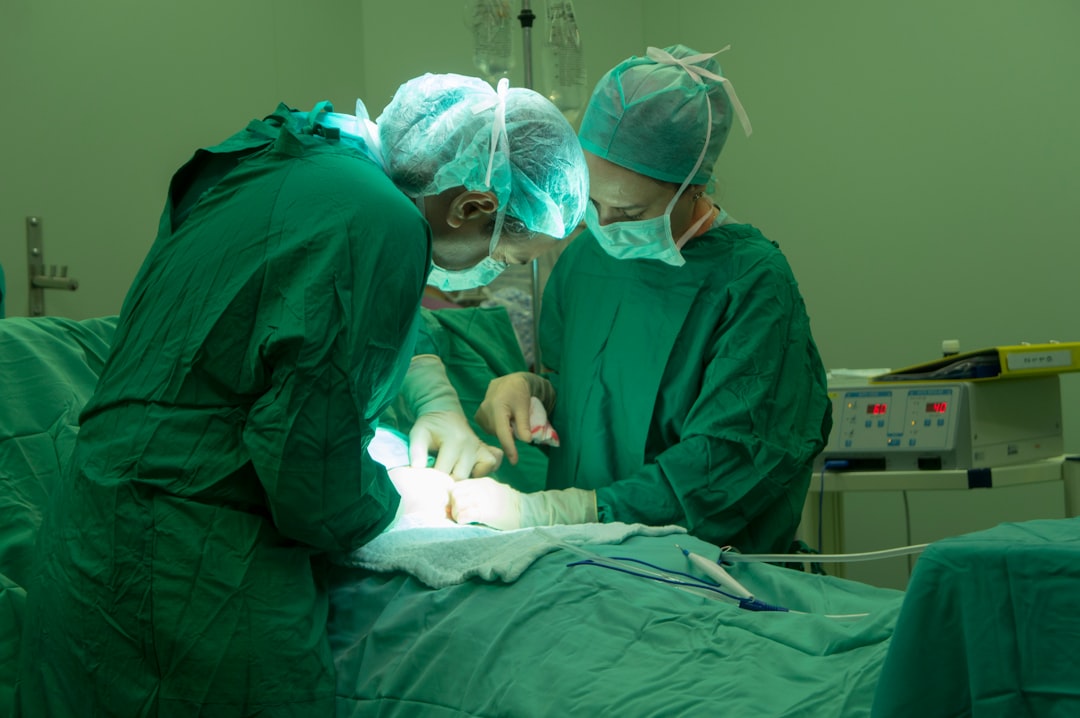
Brain tumor surgery represents a critical intervention in the management of various intracranial neoplasms, ranging from benign growths to malignant tumors. The primary objective of surgical intervention is to excise the tumor while preserving surrounding healthy brain tissue and maintaining neurological function. The complexity of brain anatomy necessitates a multidisciplinary approach, involving neurosurgeons, oncologists, radiologists, and pathologists.
Surgical techniques have evolved significantly over the past few decades, driven by advancements in technology and a deeper understanding of neuroanatomy and tumor biology. The decision to proceed with surgical intervention is influenced by several factors, including tumor type, size, location, and the patient’s overall health status. Surgical options may include craniotomy, endoscopic procedures, or stereotactic surgery.
Each method has its own set of indications, benefits, and risks. The ultimate goal remains the same: to achieve maximal tumor resection while minimizing complications and preserving quality of life.
Key Takeaways
- Brain tumor surgery has evolved significantly over the years, leading to improved outcomes and reduced risks for patients.
- Minimally invasive approaches are increasingly being used in brain tumor surgery, resulting in shorter recovery times and reduced trauma to the brain.
- Advancements in imaging technology have revolutionized preoperative planning, allowing for more precise and personalized surgical strategies.
- Intraoperative neuro-navigation systems have greatly enhanced the precision of brain tumor surgery, leading to better tumor removal and preservation of healthy brain tissue.
- The integration of robotics in brain tumor surgery has the potential to further improve surgical precision and outcomes for patients.
Evolution of Surgical Techniques for Brain Tumor Removal
Historically, brain tumor surgery was fraught with significant risks and complications due to the limited understanding of brain anatomy and the rudimentary surgical tools available. Early neurosurgical techniques often resulted in high morbidity and mortality rates. However, the advent of modern surgical practices has transformed the landscape of neurosurgery.
Techniques such as craniotomy have been refined to enhance safety and efficacy. The introduction of microsurgical techniques in the late 20th century marked a pivotal moment in neurosurgery. Utilizing high-powered microscopes, surgeons can now visualize intricate structures within the brain, allowing for more precise tumor resections.
This advancement has significantly reduced the incidence of postoperative complications and improved patient outcomes. Furthermore, the development of intraoperative imaging modalities has enabled real-time assessment of tumor margins during surgery, facilitating more complete excision.
Use of Minimally Invasive Approaches in Brain Tumor Surgery
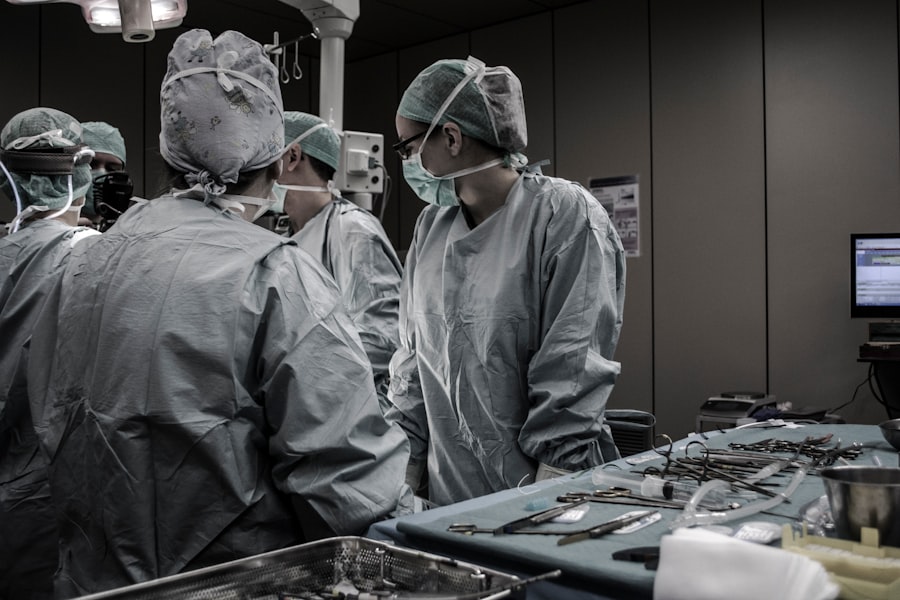
Minimally invasive techniques have gained prominence in brain tumor surgery due to their potential to reduce recovery time and postoperative complications. These approaches typically involve smaller incisions and less disruption of surrounding tissues compared to traditional open surgeries. Endoscopic techniques, for instance, allow surgeons to access tumors through natural openings or small ports, minimizing trauma to the brain.
One notable minimally invasive technique is stereotactic surgery, which employs three-dimensional imaging to guide precise needle placement for biopsy or tumor ablation. This method is particularly beneficial for deep-seated tumors that are difficult to access through conventional means. The reduced recovery time associated with minimally invasive procedures often translates to shorter hospital stays and quicker return to normal activities for patients.
Advancements in Imaging Technology for Preoperative Planning
| Imaging Technology | Advancements |
|---|---|
| MRI | Higher resolution and faster scanning times |
| CT Scan | Improved 3D imaging and reduced radiation exposure |
| Ultrasound | Enhanced image quality and real-time 3D imaging |
| X-ray | Digital radiography for clearer images and lower radiation doses |
Preoperative imaging plays a crucial role in the surgical management of brain tumors. Advanced imaging modalities such as magnetic resonance imaging (MRI), computed tomography (CT), and positron emission tomography (PET) provide detailed anatomical information that aids in surgical planning. These technologies allow neurosurgeons to visualize tumor size, location, and relationship to critical brain structures.
Functional MRI (fMRI) has emerged as a valuable tool in preoperative assessment, enabling surgeons to map functional areas of the brain before surgery. This information is vital for preserving essential functions such as speech and motor skills during tumor resection. Additionally, diffusion tensor imaging (DTI) provides insights into white matter tracts, helping surgeons navigate around critical pathways during surgery.
Intraoperative neuro-navigation systems have revolutionized the precision of brain tumor surgeries. These systems utilize real-time imaging data to guide surgeons during procedures, ensuring accurate localization of tumors and critical brain structures. By integrating preoperative imaging with intraoperative navigation, surgeons can make informed decisions throughout the surgical process.
The use of neuro-navigation technology enhances the safety and efficacy of tumor resections by minimizing damage to surrounding healthy tissue. Surgeons can visualize their instruments’ position relative to the tumor and adjacent structures on a computer screen, allowing for meticulous dissection and resection. This technology has been shown to improve surgical outcomes and reduce complication rates significantly.
Integration of Robotics in Brain Tumor Surgery
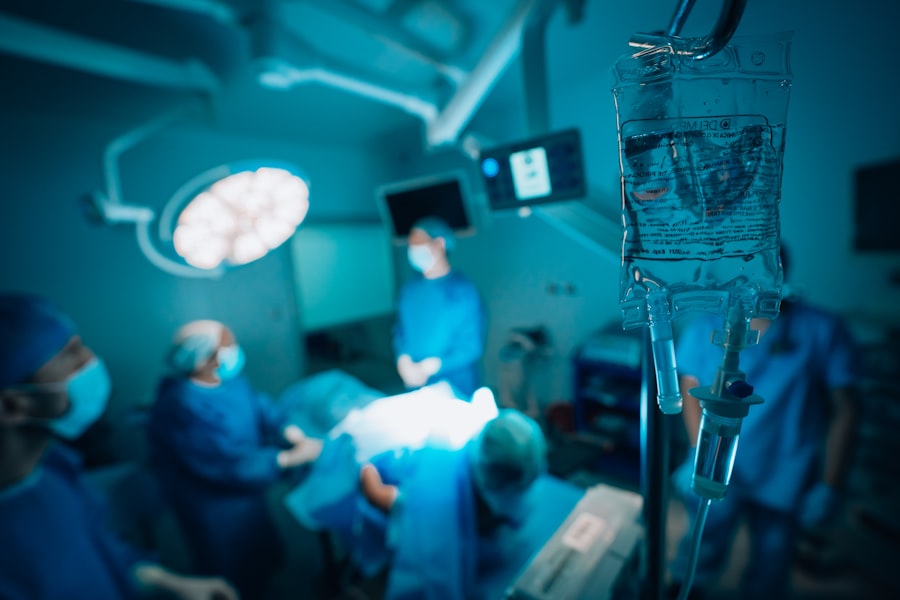
The integration of robotic systems into neurosurgery represents a significant advancement in surgical precision and control. Robotic-assisted surgery allows for enhanced dexterity and stability during delicate procedures, enabling surgeons to perform complex maneuvers with greater accuracy. These systems can be particularly beneficial in accessing tumors located in challenging anatomical regions.
Robotic platforms equipped with advanced imaging capabilities provide real-time feedback during surgery, allowing for dynamic adjustments based on intraoperative findings. The precision offered by robotic systems can lead to improved tumor resection rates while minimizing damage to surrounding healthy tissue. As technology continues to evolve, the role of robotics in brain tumor surgery is expected to expand further.
Use of Laser Technology for Tumor Ablation
Laser technology has emerged as a promising tool for tumor ablation in neurosurgery. Laser interstitial thermal therapy (LITT) utilizes focused laser energy to precisely target and destroy tumor cells while preserving surrounding healthy tissue.
The precision of laser technology allows for controlled thermal ablation, reducing the risk of collateral damage to adjacent structures. Additionally, LITT can be performed using minimally invasive techniques, resulting in shorter recovery times and reduced postoperative complications. As research continues into optimizing laser parameters and techniques, its application in brain tumor surgery is likely to expand.
Advances in Brain Mapping and Functional Neurosurgery
Brain mapping techniques have significantly advanced our understanding of functional neuroanatomy and have become integral to modern neurosurgical practice. Techniques such as intraoperative electrical stimulation allow surgeons to identify critical functional areas during surgery, ensuring their preservation during tumor resection. Functional neurosurgery has evolved beyond traditional approaches to include innovative techniques such as awake craniotomy, where patients are kept awake during surgery to provide real-time feedback on motor and language functions.
This approach allows surgeons to navigate around essential areas while maximizing tumor removal. The integration of advanced mapping techniques enhances surgical precision and improves patient outcomes.
Development of Targeted Drug Delivery Systems for Brain Tumors
Targeted drug delivery systems represent a promising avenue for enhancing therapeutic efficacy in brain tumors. Traditional systemic chemotherapy often faces challenges due to the blood-brain barrier (BBB), limiting drug penetration into the central nervous system. Innovative delivery methods such as convection-enhanced delivery (CED) allow for direct infusion of therapeutic agents into the tumor site.
These targeted systems aim to maximize drug concentration at the tumor site while minimizing systemic side effects.
Role of Immunotherapy in Brain Tumor Treatment
Immunotherapy has emerged as a groundbreaking approach in the treatment of various malignancies, including brain tumors. This therapeutic strategy harnesses the body’s immune system to recognize and attack cancer cells more effectively. Immune checkpoint inhibitors, such as pembrolizumab and nivolumab, have shown promise in clinical trials for certain types of brain tumors.
Additionally, personalized cancer vaccines are being developed to stimulate an immune response specifically targeting tumor-associated antigens. These innovative therapies aim to enhance patient outcomes by improving survival rates and reducing recurrence rates. Ongoing research continues to explore combination therapies that integrate immunotherapy with traditional modalities such as surgery and radiation therapy.
Future Directions in Brain Tumor Surgery and Research
The future of brain tumor surgery is poised for continued innovation driven by technological advancements and a deeper understanding of tumor biology. Ongoing research into novel surgical techniques, imaging modalities, and therapeutic strategies will likely yield improved outcomes for patients diagnosed with brain tumors. Emerging fields such as artificial intelligence (AI) are expected to play a significant role in enhancing surgical planning and decision-making processes.
AI algorithms can analyze vast amounts of data from imaging studies and patient outcomes, providing valuable insights that can inform treatment strategies. Furthermore, collaborative efforts between researchers, clinicians, and industry partners will be essential in translating scientific discoveries into clinical practice. As we move forward, a multidisciplinary approach will be crucial in addressing the complexities associated with brain tumors and improving patient care.
In summary, brain tumor surgery has undergone remarkable advancements over recent decades, driven by innovations in surgical techniques, imaging technologies, and therapeutic strategies. Minimally invasive approaches have transformed patient experiences while enhancing surgical precision through neuro-navigation systems and robotic assistance. The integration of laser technology and targeted drug delivery systems offers new avenues for treatment, while immunotherapy represents a promising frontier in brain tumor management.
As research continues to evolve, future directions will focus on harnessing emerging technologies and collaborative efforts to improve outcomes for patients facing this challenging diagnosis.
If you or a loved one is facing brain tumor surgery, it is important to be well-informed about the procedure and potential outcomes. One helpful resource is an article on the common mistakes to avoid when working with a lawyer in 2025. This article provides valuable insights on how to navigate complex legal situations, which can be crucial when dealing with medical procedures such as brain tumor surgery. By being prepared and informed, you can ensure the best possible outcome for yourself or your loved one.
FAQs
What is brain tumor surgery?
Brain tumor surgery is a procedure to remove abnormal growth of cells in the brain. It is performed to treat brain tumors that can be cancerous (malignant) or non-cancerous (benign).
Who is a candidate for brain tumor surgery?
Candidates for brain tumor surgery are individuals who have been diagnosed with a brain tumor that is causing symptoms or is at risk of causing harm to the brain. The decision to undergo surgery is based on the type, size, location, and overall health of the patient.
What are the different types of brain tumor surgery?
There are several types of brain tumor surgery, including craniotomy, endoscopic surgery, and stereotactic radiosurgery. The specific type of surgery recommended depends on the size, location, and type of tumor.
What are the risks associated with brain tumor surgery?
Risks associated with brain tumor surgery include infection, bleeding, neurological deficits, and potential damage to healthy brain tissue. The specific risks depend on the location and size of the tumor, as well as the overall health of the patient.
What is the recovery process after brain tumor surgery?
Recovery after brain tumor surgery varies depending on the type of surgery and the individual patient. Some patients may need to stay in the hospital for a few days or longer, while others may be able to go home shortly after the procedure. Rehabilitation and follow-up care are often necessary to aid in recovery.
What are the potential outcomes of brain tumor surgery?
The potential outcomes of brain tumor surgery depend on the type, size, and location of the tumor, as well as the overall health of the patient. In some cases, surgery may successfully remove the tumor and lead to a full recovery, while in other cases, the tumor may be only partially removed or may recur.