Now Reading: Stay Healthy: Get Your Flu Shot Now
-
01
Stay Healthy: Get Your Flu Shot Now
Stay Healthy: Get Your Flu Shot Now

Influenza, commonly referred to as the flu, is a highly contagious viral infection that can lead to severe health complications, particularly in vulnerable populations. The Centers for Disease Control and Prevention (CDC) estimates that flu-related hospitalizations can range from 140,000 to 810,000 annually in the United States alone. Given these alarming statistics, the significance of receiving an annual flu shot cannot be overstated.
Vaccination serves as a primary preventive measure, reducing the risk of contracting the virus and mitigating its spread within communities. The flu vaccine not only protects individuals but also contributes to herd immunity, which is crucial for safeguarding those who cannot be vaccinated due to medical reasons. By achieving a high vaccination rate, the overall incidence of influenza decreases, thereby protecting the most vulnerable members of society, including infants, elderly individuals, and those with chronic health conditions.
The flu shot is a simple yet effective tool in public health strategies aimed at reducing morbidity and mortality associated with influenza.
Key Takeaways
- Getting a flu shot is important for protecting yourself and others from the flu virus
- Everyone over the age of 6 months should get a flu shot, especially those at high risk for complications
- The flu shot works by stimulating the immune system to produce antibodies that can fight off the flu virus
- Common misconceptions about the flu shot include it causing the flu and being ineffective
- Flu shots are available at doctor’s offices, pharmacies, and flu shot clinics
- It is recommended to get a flu shot before the start of flu season, typically in the fall
- Side effects of the flu shot are usually mild and temporary, such as soreness at the injection site
- Benefits of getting a flu shot include reducing the severity of the flu and preventing hospitalization
- The flu can have a significant impact on public health, leading to hospitalizations and even deaths
- The flu is different from a cold in that it can cause more severe symptoms and complications
- Tips for staying healthy during flu season include washing hands frequently and avoiding close contact with sick individuals
Who Should Get a Flu Shot
The CDC recommends that everyone aged six months and older receive an annual flu vaccination. This broad recommendation encompasses various demographics, including children, adults, and seniors. However, certain groups are particularly encouraged to prioritize vaccination due to their heightened risk of severe illness.
These groups include pregnant women, individuals with chronic health conditions such as asthma or diabetes, and those aged 65 years and older. Healthcare workers and caregivers are also strongly advised to get vaccinated to protect themselves and their patients. By immunizing those who are in close contact with high-risk populations, the likelihood of transmission decreases significantly.
Additionally, individuals living in communal settings, such as nursing homes or dormitories, should consider vaccination as a proactive measure against outbreaks.
How the Flu Shot Works
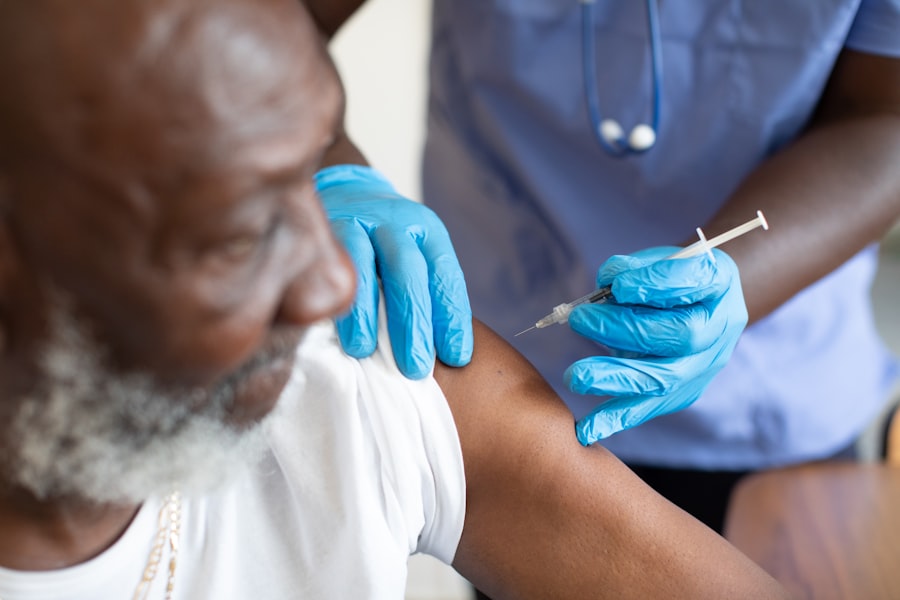
The flu vaccine functions by stimulating the immune system to produce antibodies against specific strains of the influenza virus. Each year, the vaccine is formulated based on predictions of which virus strains will be most prevalent during the upcoming flu season. The vaccine typically contains inactivated (killed) viruses or weakened live viruses that cannot cause illness but can elicit an immune response. Once administered, the body begins to recognize these antigens as foreign invaders and mounts an immune response. This process usually takes about two weeks to develop full immunity.
If an individual is later exposed to the actual influenza virus, their immune system is prepared to respond more effectively, significantly reducing the severity of symptoms or preventing illness altogether.
Common Misconceptions about the Flu Shot
| Misconception | Percentage of People Believing |
|---|---|
| The flu shot can give you the flu | 40% |
| The flu shot is not effective | 30% |
| You don’t need a flu shot every year | 25% |
| The flu shot is only for the elderly | 20% |
Despite the overwhelming evidence supporting the efficacy and safety of flu vaccinations, several misconceptions persist. One prevalent myth is that receiving a flu shot can cause the flu. In reality, the vaccine contains either inactivated viruses or weakened strains that do not have the capacity to cause illness.
Some individuals may experience mild side effects such as soreness at the injection site or low-grade fever, but these are not indicative of contracting the virus. Another common misconception is that healthy individuals do not need a flu shot. This belief undermines the importance of community immunity.
Even healthy individuals can contract and transmit the virus, contributing to outbreaks that can severely impact vulnerable populations. Vaccination is a collective responsibility that extends beyond personal health.
Where to Get a Flu Shot
Flu shots are widely available at various locations, making it convenient for individuals to receive their vaccinations. Primary care physicians and pediatricians typically offer flu vaccines during routine check-ups or dedicated vaccination clinics. Additionally, many pharmacies and grocery stores have established partnerships with healthcare providers to administer flu shots on-site.
Community health centers and public health departments also provide vaccinations, often at reduced costs or even free for eligible individuals. Employers may offer flu shot clinics as part of workplace wellness programs, further increasing accessibility. It is advisable to check local resources for specific availability and scheduling options.
When to Get a Flu Shot

Timing is crucial when it comes to receiving a flu shot. The CDC recommends getting vaccinated before the onset of flu season, ideally by the end of October. This timing allows for adequate immune response development before exposure to circulating viruses becomes more likely.
However, vaccination can still be beneficial later in the season, as flu activity can persist into spring.
Individuals should consult their healthcare providers for personalized recommendations based on their health status and local epidemiological data.
Side Effects of the Flu Shot
While most individuals tolerate the flu shot well, some may experience mild side effects. Common reactions include soreness at the injection site, low-grade fever, fatigue, and muscle aches. These symptoms typically resolve within a few days and are indicative of the body’s immune response rather than an adverse reaction to the vaccine itself.
Severe allergic reactions are rare but can occur in individuals with a history of hypersensitivity to components of the vaccine, such as egg proteins or gelatin. It is essential for individuals with known allergies to consult their healthcare provider before vaccination. Overall, the benefits of receiving a flu shot far outweigh the potential risks associated with side effects.
Benefits of Getting a Flu Shot
The advantages of receiving an annual flu vaccination extend beyond individual protection. Vaccination significantly reduces the risk of hospitalization and severe complications associated with influenza, including pneumonia and exacerbation of chronic conditions like asthma or heart disease.
Moreover, widespread vaccination contributes to herd immunity, protecting those who are unable to receive vaccines due to medical contraindications or age restrictions. This collective immunity helps prevent outbreaks within communities and reduces overall healthcare costs associated with treating influenza-related illnesses.
The Impact of the Flu on Public Health
Influenza poses a significant burden on public health systems worldwide. The World Health Organization (WHO) estimates that seasonal influenza epidemics result in approximately 3 to 5 million cases of severe illness and between 290,000 to 650,000 respiratory deaths annually. The economic impact is also substantial, with billions spent on healthcare costs and lost productivity due to illness.
The cyclical nature of influenza outbreaks necessitates ongoing public health efforts focused on vaccination campaigns and education about preventive measures. By prioritizing flu vaccinations and promoting awareness about influenza’s impact on public health, communities can work together to mitigate its effects.
The Difference Between the Flu and a Cold
While both influenza and the common cold are respiratory illnesses caused by viruses, they differ significantly in terms of severity and symptoms. Influenza typically presents with sudden onset fever, chills, body aches, fatigue, and cough. In contrast, colds usually manifest gradually with milder symptoms such as runny nose, sneezing, and sore throat.
Understanding these differences is crucial for appropriate management and treatment decisions. Influenza can lead to serious complications requiring medical intervention, while colds are generally self-limiting and managed with symptomatic relief measures.
Tips for Staying Healthy During Flu Season
In addition to getting vaccinated, several strategies can help individuals stay healthy during flu season: 1. **Practice Good Hygiene**: Regular handwashing with soap and water or using hand sanitizer can reduce virus transmission.
2. **Avoid Close Contact**: Limit exposure to sick individuals and maintain distance in crowded settings.
3.
**Maintain a Healthy Lifestyle**: A balanced diet rich in fruits and vegetables supports immune function.
4. **Stay Hydrated**: Adequate fluid intake helps maintain overall health.
5. **Get Plenty of Rest**: Sufficient sleep is essential for optimal immune response.
6.
**Consider Antiviral Medications**: In some cases, antiviral medications may be prescribed for prevention or treatment if exposed to influenza. In summary, receiving an annual flu shot is vital for individual protection and community health. Vaccination is recommended for everyone aged six months and older, particularly those at higher risk for severe illness.
Understanding how the flu shot works dispels common misconceptions surrounding its safety and efficacy. With widespread availability at various locations and recommendations for timely administration, individuals can easily access this critical preventive measure. Awareness of potential side effects and benefits further emphasizes the importance of vaccination in combating influenza’s impact on public health while distinguishing between influenza and common colds aids in appropriate management strategies during flu season.
By adopting healthy practices alongside vaccination efforts, communities can work together to minimize the burden of influenza each year.
If you are considering getting a flu shot this year, it’s important to stay informed about the benefits and potential side effects. According to a recent article on federal holidays in October, many healthcare providers recommend getting vaccinated during the fall months to protect against the flu virus. It’s always a good idea to consult with a medical professional before making any decisions about your health, so be sure to schedule a visit with your doctor to discuss the best options for staying healthy this flu season.
FAQs
What is a flu shot?
A flu shot is a vaccine that helps protect against the influenza virus. It is typically administered through an injection in the arm.
Who should get a flu shot?
The Centers for Disease Control and Prevention (CDC) recommends that everyone 6 months of age and older should get a flu shot each year, with rare exceptions.
When should I get a flu shot?
The best time to get a flu shot is before the start of flu season, which typically begins in the fall. It takes about two weeks for the vaccine to provide full protection, so getting vaccinated early is recommended.
Are there different types of flu shots?
Yes, there are different types of flu shots available, including standard-dose, high-dose, and adjuvanted vaccines. There are also flu shots specifically designed for certain age groups, such as children and older adults.
Are there any side effects of getting a flu shot?
Common side effects of the flu shot include soreness at the injection site, low-grade fever, and aches. Serious side effects are rare.
Can the flu shot give me the flu?
No, the flu shot cannot give you the flu. The vaccine is made with either inactivated flu viruses or without any flu viruses at all, so it cannot cause the flu.
How effective is the flu shot?
The effectiveness of the flu shot can vary from year to year, but it is generally estimated to reduce the risk of getting the flu by 40-60% when the vaccine is well-matched to the circulating flu viruses.
Can I get a flu shot if I’m pregnant?
Yes, the flu shot is recommended for pregnant women to protect both the mother and the baby from the flu. It is safe to get vaccinated at any stage of pregnancy.