Now Reading: Federal Holidays in October: A Guide to National Observances
-
01
Federal Holidays in October: A Guide to National Observances
Federal Holidays in October: A Guide to National Observances

October is a month that brings with it a rich tapestry of observances and celebrations, each reflecting the diverse cultural and historical narratives of North America. Among these, federal holidays stand out as significant markers on the calendar, offering opportunities for reflection, celebration, and community engagement. While many people associate October with the onset of autumn and the vibrant colors of changing leaves, it is also a time to recognize important historical events and social movements.
The month is marked by a blend of traditional holidays and modern observances that highlight the evolving nature of societal values. In the United States, October is particularly notable for Columbus Day, a federal holiday that has sparked considerable debate over its implications and the narratives it perpetuates. This day, which honors Christopher Columbus’s arrival in the Americas, has increasingly been juxtaposed with Indigenous Peoples’ Day, a counter-observance that seeks to acknowledge the history and contributions of Native American communities.
Additionally, October is home to other significant observances such as Canadian Thanksgiving, Halloween, and various awareness months that focus on critical social issues. Each of these observances invites individuals to engage with their communities and reflect on the values they represent.
Columbus Day: A Controversial Observance
Columbus Day, celebrated on the second Monday of October, has long been a federal holiday in the United States. It commemorates Christopher Columbus’s landing in the Americas in 1492, an event that is often portrayed as a moment of discovery and exploration. However, this narrative has come under scrutiny in recent years as more people recognize the complex and often painful history that followed Columbus’s arrival.
The consequences of European colonization for Indigenous peoples were profound and devastating, leading to displacement, violence, and cultural erasure. As a result, many individuals and communities have begun to question the appropriateness of celebrating Columbus Day. The controversy surrounding Columbus Day has led to a growing movement advocating for its replacement with Indigenous Peoples’ Day.
Proponents argue that honoring Columbus perpetuates a Eurocentric narrative that overlooks the rich histories and cultures of Native American communities. In many cities and states across the U.S., local governments have opted to rename the holiday or celebrate both Columbus Day and Indigenous Peoples’ Day simultaneously. This shift reflects a broader societal reckoning with historical injustices and an effort to create a more inclusive narrative that acknowledges the experiences of all people affected by colonization.
Indigenous Peoples’ Day: A New Perspective on the Holiday
Indigenous Peoples’ Day represents a significant shift in how society chooses to commemorate the history of the Americas. Celebrated on the same day as Columbus Day, this observance seeks to honor the resilience, culture, and contributions of Indigenous peoples throughout history. The movement to establish Indigenous Peoples’ Day gained momentum in the 1970s and has since spread across various states and municipalities, reflecting a growing recognition of the need for a more accurate portrayal of history.
The observance serves not only as a day of remembrance but also as an opportunity for education and advocacy. Many communities organize events that highlight Indigenous culture, art, and history, fostering dialogue about the ongoing challenges faced by Native American populations today. By shifting the focus from celebration to acknowledgment and respect, Indigenous Peoples’ Day encourages individuals to engage with the complexities of history and consider how they can support Indigenous rights and sovereignty in contemporary society.
Canadian Thanksgiving: A Celebration of Gratitude
| Year | Date | Significance |
|---|---|---|
| 2020 | October 12 | Thanksgiving during COVID-19 pandemic |
| 2019 | October 14 | Celebration of harvest and blessings |
| 2018 | October 8 | Thanksgiving for the good fortune of the past year |
While Columbus Day and Indigenous Peoples’ Day dominate discussions around October holidays in the United States, Canada celebrates its own unique observance: Thanksgiving. Canadian Thanksgiving occurs on the second Monday in October and is a time for Canadians to gather with family and friends to express gratitude for the harvest and blessings of the past year.
Traditionally, Canadian Thanksgiving involves feasting on seasonal foods such as turkey, stuffing, cranberry sauce, and pumpkin pie. Families often take this opportunity to come together, share stories, and reflect on what they are thankful for in their lives. The holiday also serves as a reminder of the importance of community and connection, as many Canadians participate in charitable activities during this time, such as food drives or volunteering at local shelters.
In this way, Canadian Thanksgiving embodies not only gratitude but also a spirit of giving back to those in need.
Halloween: A Fun and Spooky National Observance
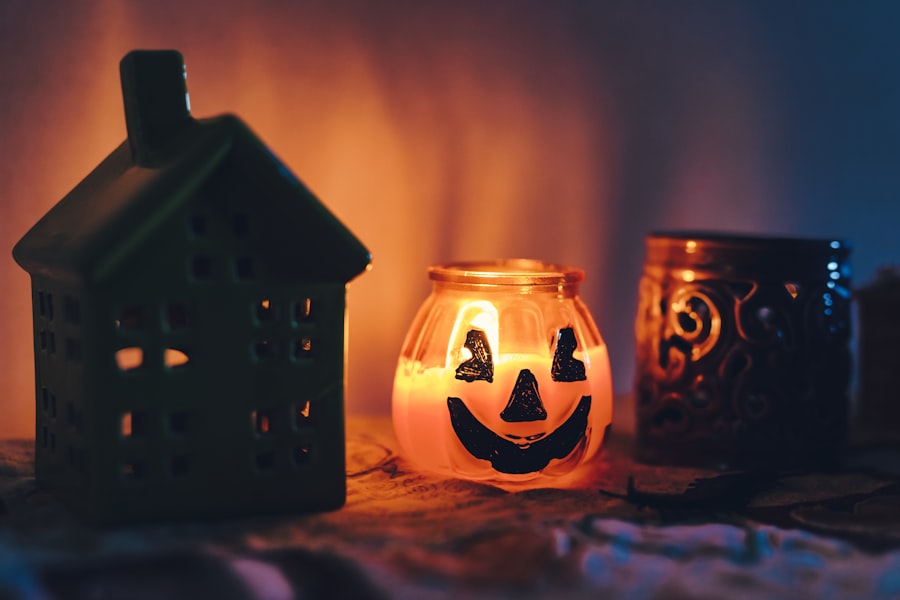
As October progresses, anticipation builds for one of the most beloved holidays of the year: Halloween. Celebrated on October 31st, Halloween is characterized by its playful embrace of all things spooky and supernatural. From children dressing up in costumes to adults hosting themed parties, Halloween offers an opportunity for creativity and fun.
The origins of Halloween can be traced back to ancient Celtic traditions, particularly the festival of Samhain, which marked the end of the harvest season and the beginning of winter. In contemporary society, Halloween has transformed into a vibrant celebration filled with traditions such as trick-or-treating, haunted houses, and pumpkin carving. Communities often come alive with decorations ranging from cobwebs to skeletons, creating an atmosphere of excitement and festivity.
Beyond its playful elements, Halloween also serves as a time for people to confront their fears in a lighthearted manner, allowing for a unique exploration of themes related to death and the supernatural. This blend of fun and fright makes Halloween a cherished observance for people of all ages.
National Disability Employment Awareness Month: Recognizing the Contributions of Disabled Workers
October is also recognized as National Disability Employment Awareness Month (NDEAM), an important observance aimed at promoting inclusivity in the workplace for individuals with disabilities. Established in 1945, NDEAM serves as a reminder of the contributions that disabled workers make to society while advocating for equal employment opportunities. The month-long observance encourages employers to recognize the value of diversity in their workforce and to create environments that are accessible and supportive.
Throughout October, various events are organized to raise awareness about disability employment issues and celebrate the achievements of disabled individuals in various fields. Workshops, seminars, and community outreach programs aim to educate employers about best practices for hiring and accommodating disabled workers. By highlighting success stories and fostering dialogue around disability rights, NDEAM plays a crucial role in dismantling stereotypes and promoting understanding within workplaces across the nation.
National Breast Cancer Awareness Month: Promoting Awareness and Support
In addition to NDEAM, October is also designated as National Breast Cancer Awareness Month (NBCAM), an observance dedicated to raising awareness about breast cancer prevention, early detection, and treatment options. Since its inception in 1985, NBCAM has played a vital role in educating individuals about breast cancer while promoting research funding for better treatments and support systems for patients. The pink ribbon has become an iconic symbol associated with this cause, representing hope and solidarity among those affected by breast cancer.
Throughout October, various campaigns are launched to encourage women (and men) to prioritize their health by participating in regular screenings such as mammograms. Many organizations host fundraising events like walks or runs to support breast cancer research initiatives while fostering community engagement. NBCAM not only emphasizes awareness but also provides resources for individuals navigating their own or their loved ones’ breast cancer journeys.
By promoting education and support networks, this observance plays an essential role in empowering individuals facing this challenging diagnosis.
Reflecting on the Importance of National Observances in October
As October unfolds with its array of federal holidays and observances, it becomes clear that this month serves as a microcosm of broader societal values and historical narratives. From Columbus Day’s contentious legacy to Indigenous Peoples’ Day’s call for recognition and respect, each observance invites reflection on our collective past while encouraging dialogue about our present and future. Canadian Thanksgiving offers a moment of gratitude amidst these discussions, reminding us of the importance of community connection.
Halloween adds an element of joy and creativity to October’s observances while National Disability Employment Awareness Month highlights critical issues surrounding inclusivity in the workplace. Meanwhile, National Breast Cancer Awareness Month underscores the significance of health education and support systems for those affected by this disease. Together, these observances create a rich tapestry that reflects not only individual experiences but also shared values within society.
In conclusion, October serves as an important reminder of our responsibility to engage with history thoughtfully while celebrating diversity in all its forms. By recognizing these national observances—both traditional and contemporary—we can foster understanding among different communities while promoting awareness around pressing social issues. As we navigate through this month filled with meaning and significance, let us take time to reflect on how we can contribute positively to our communities while honoring those whose stories have shaped our collective narrative.
If you’re interested in learning more about federal holidays in October, you may want to check out this article on boogger.com that discusses the history and significance of Columbus Day. Columbus Day is a federal holiday celebrated on the second Monday of October each year to commemorate Christopher Columbus’s arrival in the Americas in 1492. This article delves into the controversy surrounding the holiday and explores different perspectives on its observance. It’s a fascinating read for anyone curious about the origins of federal holidays in October.
FAQs
What federal holidays are celebrated in October?
In the United States, the only federal holiday celebrated in October is Columbus Day, which falls on the second Monday of the month.
What is the significance of Columbus Day?
Columbus Day commemorates the arrival of Christopher Columbus in the Americas on October 12, 1492. It is a day to honor the contributions of Italian-Americans to the United States and to celebrate the spirit of exploration and discovery.
Are there any other holidays or observances in October?
While there are no other federal holidays in October, there are several observances and celebrations, such as Indigenous Peoples’ Day, which is recognized in some states as an alternative to Columbus Day. Additionally, Halloween is widely celebrated on October 31st.
Do all states observe Columbus Day as a holiday?
While Columbus Day is a federal holiday, not all states observe it as a legal state holiday. Some states have alternative observances or do not recognize the day at all.
Do federal employees get a day off for Columbus Day?
Yes, Columbus Day is a federal holiday, so federal employees are typically given a day off to observe the holiday. However, not all businesses and organizations are required to close on Columbus Day.