Now Reading: Find Vaccines Near Me: Your Guide to Local Vaccination Options
-
01
Find Vaccines Near Me: Your Guide to Local Vaccination Options
Find Vaccines Near Me: Your Guide to Local Vaccination Options

Vaccination plays a pivotal role in public health, serving as a primary defense against infectious diseases. Local vaccination options are essential for ensuring that communities have access to immunizations that can prevent outbreaks of vaccine-preventable illnesses. The significance of these options cannot be overstated, as they contribute to herd immunity, which protects those who cannot be vaccinated due to medical conditions or age restrictions.
By providing accessible vaccination services, local health authorities can effectively reduce the incidence of diseases such as measles, influenza, and COVID-19. Moreover, local vaccination sites foster community engagement and education. They serve as platforms for disseminating vital information about the benefits of immunization, addressing vaccine hesitancy, and promoting overall health literacy.
When individuals have easy access to vaccination services, they are more likely to participate in preventive healthcare measures, leading to healthier populations and reduced healthcare costs. The convenience of local vaccination options ultimately enhances compliance with recommended immunization schedules, ensuring that communities remain resilient against potential outbreaks.
Key Takeaways
- Local vaccination options are important for increasing accessibility and convenience for individuals
- Use online tools and resources to locate vaccination sites near you, such as government websites and vaccine finder tools
- When visiting a local vaccination site, expect to undergo a screening process and receive information about the vaccine
- Different types of vaccines may be available at local sites, including mRNA vaccines and viral vector vaccines
- Schedule an appointment for a local vaccination through online booking systems or by calling the vaccination site directly
How to Locate Vaccination Sites Near You
Finding a local vaccination site is a straightforward process that can be accomplished through various methods. One of the most effective ways is to utilize online resources provided by health departments or government agencies. Websites such as the Centers for Disease Control and Prevention (CDC) and local health department portals often feature interactive maps that display nearby vaccination locations.
These platforms typically allow users to filter results based on specific vaccines, availability, and hours of operation. In addition to online resources, community organizations and healthcare providers can be invaluable in locating vaccination sites. Many pharmacies, clinics, and hospitals offer immunization services and may have dedicated staff to assist individuals in finding the nearest location.
Social media platforms and community bulletin boards can also provide information about pop-up vaccination events or mobile clinics that may not be widely advertised.
What to Expect at a Local Vaccination Site
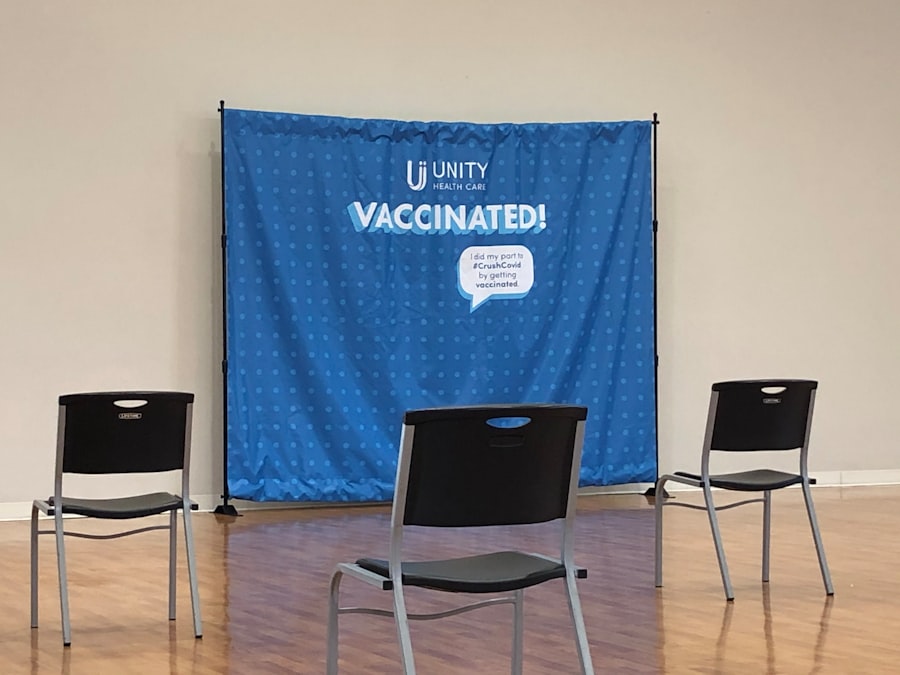
When visiting a local vaccination site, individuals can expect a structured process designed to ensure safety and efficiency. Upon arrival, patients will typically check in at a designated area where they may be required to provide personal information, including identification and insurance details if applicable. Health professionals will conduct a brief screening to assess eligibility for the vaccine, which may include questions about medical history and any potential allergies.
After the screening process, individuals will receive the vaccine from a qualified healthcare provider. The administration of the vaccine is generally quick and involves either an intramuscular or subcutaneous injection, depending on the type of vaccine being administered. Following the injection, patients are usually asked to remain on-site for a short observation period to monitor for any immediate adverse reactions.
This precautionary measure ensures that any potential side effects can be promptly addressed by medical personnel.
Types of Vaccines Available at Local Sites
| Vaccine Name | Manufacturer | Doses Required |
|---|---|---|
| Pfizer-BioNTech | Pfizer, BioNTech | 2 |
| Moderna | Moderna, NIAID | 2 |
| Johnson & Johnson’s Janssen | Johnson & Johnson | 1 |
Local vaccination sites typically offer a range of vaccines to cater to diverse populations and their specific health needs. Commonly available vaccines include those for influenza, hepatitis A and B, human papillomavirus (HPV), measles-mumps-rubella (MMR), and tetanus-diphtheria-pertussis (Tdap). Additionally, many sites provide COVID-19 vaccines, including primary series doses and booster shots tailored to emerging variants.
These vaccines are crucial for preventing serious illnesses in children and ensuring their healthy development. Furthermore, some local sites may offer travel vaccines for individuals planning international trips, including vaccines for yellow fever, typhoid fever, and rabies.
How to Schedule an Appointment for a Local Vaccination
Scheduling an appointment for vaccination at a local site is generally a user-friendly process. Most health departments and clinics provide online booking systems that allow individuals to select their preferred date and time for vaccination. Users can typically choose from available slots based on their convenience and the specific vaccine they require.
For those who prefer direct communication, calling the vaccination site can also facilitate appointment scheduling. Staff members are usually available to assist with inquiries regarding vaccine availability, appointment times, and any necessary documentation required for the visit. It is advisable to schedule appointments in advance, especially during peak vaccination seasons or when new vaccines are released.
Walk-in Options for Local Vaccination Sites
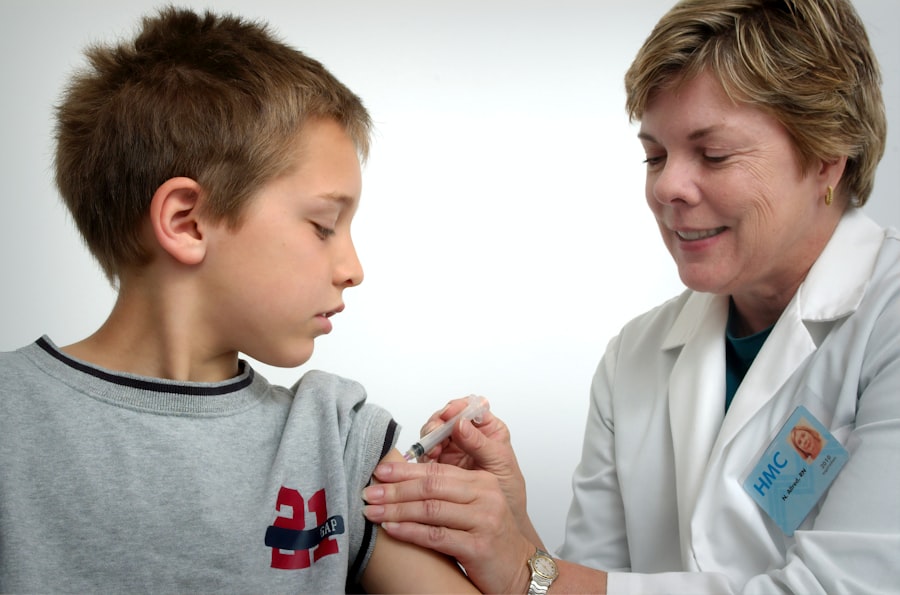
Many local vaccination sites offer walk-in options for individuals who may not have the ability to schedule an appointment in advance. This flexibility is particularly beneficial for those with unpredictable schedules or urgent vaccination needs. Walk-in clinics typically have designated hours during which individuals can receive vaccinations without prior appointments.
While walk-in services enhance accessibility, it is important to note that availability may vary based on demand and supply of vaccines. Individuals opting for walk-in services should arrive early to minimize wait times and ensure they receive the desired vaccine. It is also advisable to check with the local site beforehand regarding walk-in policies and any specific requirements that may be in place.
What to Bring to Your Local Vaccination Appointment
Preparing for a local vaccination appointment involves gathering essential documents and items that facilitate a smooth experience. Individuals should bring a valid form of identification, such as a driver’s license or state ID, along with their insurance card if applicable. This information helps streamline the check-in process and ensures accurate record-keeping.
Additionally, it is beneficial to bring any relevant medical records that detail previous vaccinations or allergies. This information allows healthcare providers to make informed decisions regarding vaccine administration and address any potential concerns. Lastly, wearing clothing that allows easy access to the upper arm is advisable since most vaccines are administered intramuscularly in that area.
Local Vaccination Options for Different Age Groups
Local vaccination options are tailored to meet the needs of various age groups, ensuring that individuals receive appropriate immunizations throughout their lifespan. For infants and young children, local sites typically offer routine vaccinations as part of well-child visits. These vaccines protect against diseases such as polio, measles, and whooping cough.
As individuals transition into adolescence and adulthood, vaccination needs evolve. Local sites provide vaccines such as HPV for preteens and young adults, as well as annual flu shots for all age groups. Older adults may also have access to vaccines targeting age-related health concerns, such as shingles and pneumococcal disease.
By offering age-specific vaccinations, local sites play a crucial role in promoting lifelong health.
Local Vaccination Options for High-Risk Individuals
High-risk individuals often require specialized vaccination options due to underlying health conditions or increased susceptibility to certain diseases. Local vaccination sites are equipped to address these needs by providing tailored immunization services for populations such as pregnant women, individuals with chronic illnesses (e.g., diabetes or heart disease), and immunocompromised patients. Healthcare providers at local sites are trained to assess the unique needs of high-risk individuals and recommend appropriate vaccines based on their medical history.
For instance, pregnant women may be advised to receive the Tdap vaccine during pregnancy to protect both themselves and their newborns from pertussis. Additionally, individuals with compromised immune systems may require specific vaccines or adjusted dosing schedules to ensure optimal protection.
Finding Local Vaccination Options for Travelers
Travelers often face unique vaccination requirements based on their destinations and planned activities. Local vaccination sites can assist travelers in obtaining necessary immunizations before embarking on international trips. Common travel vaccines include those for yellow fever, typhoid fever, hepatitis A and B, and rabies.
To find local vaccination options specifically tailored for travelers, individuals should consult travel medicine clinics or specialized healthcare providers who focus on travel-related health issues. These professionals can provide personalized recommendations based on travel itineraries and individual health profiles. It is advisable for travelers to seek vaccinations well in advance of their trips to allow sufficient time for immunity development.
Resources for Finding Local Vaccination Options
Numerous resources are available for individuals seeking local vaccination options. Government websites such as the CDC provide comprehensive information about available vaccines and nearby vaccination sites through interactive maps and search tools. Additionally, state health department websites often feature directories of local clinics and pharmacies offering immunization services.
Community organizations play a vital role in promoting vaccination awareness and accessibility. Local non-profits may host vaccination drives or collaborate with healthcare providers to offer free or low-cost immunizations in underserved areas. Social media platforms can also serve as valuable tools for disseminating information about upcoming vaccination events or changes in local vaccine availability.
In summary, local vaccination options are crucial for maintaining public health by providing accessible immunization services tailored to diverse populations. By utilizing online resources, engaging with community organizations, and understanding what to expect at vaccination sites, individuals can ensure they receive timely vaccinations that protect themselves and their communities from infectious diseases. With various types of vaccines available for different age groups and high-risk individuals, it is essential to stay informed about scheduling appointments or utilizing walk-in services when necessary.
Ultimately, proactive engagement with local vaccination resources contributes significantly to overall health outcomes within communities.
If you are looking for information on vaccines near you, you may be interested in reading the article “Tis the Season: Festive Article Titles”. This article may provide some insight into how to find relevant and timely information on vaccines in your area.
FAQs
What are vaccines?
Vaccines are biological preparations that provide active acquired immunity to a particular disease. They typically contain a weakened or killed form of the disease-causing microorganism, or parts of the microorganism, which stimulates the body’s immune system to recognize and fight the microorganism in the future.
How do vaccines work?
Vaccines work by stimulating the body’s immune system to produce an immune response, including the production of antibodies. This prepares the body to recognize and fight the specific disease-causing microorganism if it is encountered in the future, providing immunity.
Where can I find vaccines near me?
Vaccines are typically available at healthcare facilities such as hospitals, clinics, and pharmacies. Many local health departments also offer vaccination services. Additionally, some workplaces and schools may offer vaccination programs.
What vaccines are recommended for adults?
The vaccines recommended for adults can vary based on factors such as age, health conditions, occupation, and travel plans. Common vaccines recommended for adults include influenza (flu) vaccine, Tdap (tetanus, diphtheria, and pertussis) vaccine, and shingles vaccine.
Are vaccines safe?
Vaccines are rigorously tested for safety before they are approved for use. The Centers for Disease Control and Prevention (CDC) and the Food and Drug Administration (FDA) closely monitor the safety of vaccines. Serious side effects from vaccines are rare.
Do vaccines cause autism?
Numerous studies have found no link between vaccines and autism. The original study that suggested a link has been discredited and retracted, and subsequent research has not found any evidence to support this claim. Vaccines are considered safe and do not cause autism.