
Now Reading: Discovering the Hidden Gems of Moldova
-
01
Discovering the Hidden Gems of Moldova
Discovering the Hidden Gems of Moldova

Nestled between Romania and Ukraine, Moldova is a small yet captivating country that often remains overshadowed by its more prominent neighbors. With a land area of approximately 33,846 square kilometers and a population of around 2.6 million, this Eastern European gem is rich in history, culture, and natural beauty. The capital city, Chișinău, serves as the political, economic, and cultural heart of the nation.
Despite its modest size, Moldova boasts a diverse landscape that includes rolling hills, lush vineyards, and picturesque villages, making it an ideal destination for travelers seeking an authentic experience. Moldova’s history is marked by a series of influences from various empires and cultures, including the Ottoman Empire, the Russian Empire, and the Soviet Union. This complex past has shaped the country’s identity, resulting in a unique blend of traditions and customs.
As you embark on a journey through Moldova, you will discover not only its stunning landscapes but also the warmth and hospitality of its people. The country is often referred to as the “Land of Wine,” a title that reflects its long-standing viticulture tradition and the integral role wine plays in Moldovan culture.
Key Takeaways
- Moldova is a small, landlocked country in Eastern Europe, known for its rich history, stunning monasteries, and thriving wine industry.
- Moldova’s wine country offers visitors the chance to explore picturesque vineyards, sample local wines, and learn about the winemaking process.
- Moldova’s rich history and culture can be uncovered through visits to museums, historical sites, and traditional events and festivals.
- Sampling Moldovan cuisine is a must, with dishes like mamaliga, placinte, and sarmale showcasing the country’s diverse culinary traditions.
- Visiting the stunning monasteries of Moldova provides insight into the country’s religious heritage and offers breathtaking architectural and natural beauty.
Exploring Moldova’s Wine Country
Moldova is renowned for its wine production, with a history that dates back over 5,000 years. The country’s favorable climate and fertile soil create ideal conditions for viticulture, making it one of the largest wine producers in Eastern Europe. The most famous wine region is located in the central part of the country, particularly around the towns of Cricova and Milestii Mici.
Cricova is home to an extensive network of underground wine cellars that stretch for over 120 kilometers, while Milestii Mici boasts the world’s largest wine cellar, recognized by the Guinness World Records. Visitors to Moldova’s wine country can indulge in a variety of wine-tasting experiences, ranging from guided tours through vineyards to sampling local varietals in charming wineries. The most popular wines include Fetească Albă, Fetească Neagră, and Rara Neagră, each offering distinct flavors that reflect the region’s terroir.
This immersive experience not only highlights Moldova’s rich viticultural heritage but also fosters a deeper appreciation for the craftsmanship behind each bottle.
Uncovering Moldova’s Rich History and Culture
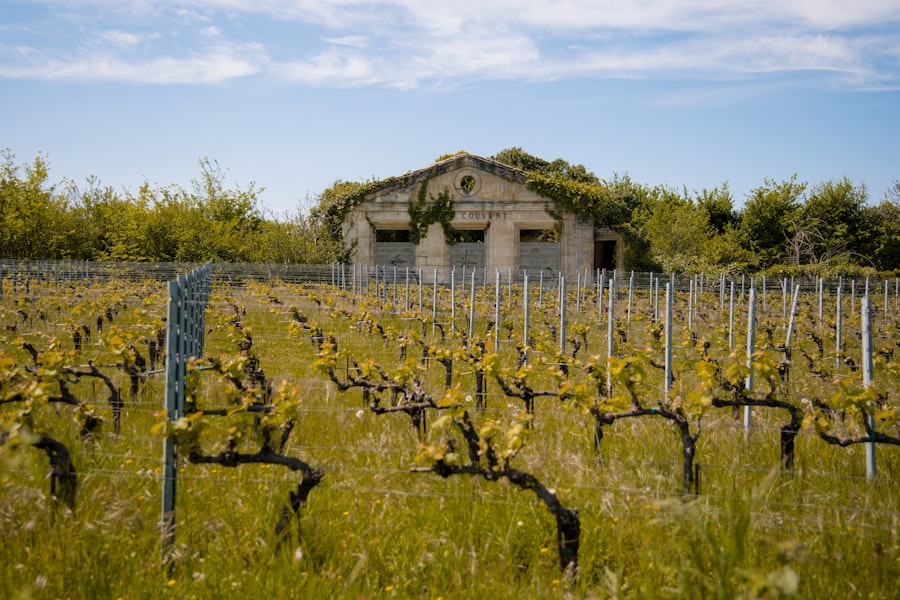
Moldova’s history is a tapestry woven from various threads of influence, including ancient civilizations, medieval principalities, and modern political changes. The region was once part of the Dacian Kingdom and later became known as Bessarabia during the Ottoman Empire’s rule. The impact of these historical events can be seen in the architecture, language, and customs that define Moldovan culture today.
One of the most significant historical sites is the Orheiul Vechi archaeological complex, which showcases remnants of ancient settlements dating back to the Paleolithic era. Visitors can explore cave monasteries carved into limestone cliffs and learn about the region’s early inhabitants. Additionally, the National Museum of History in Chișinău offers a comprehensive overview of Moldova’s past through artifacts and exhibits that highlight key events and figures in Moldovan history.
Engaging with these historical narratives provides valuable insight into the resilience and spirit of the Moldovan people.
Sampling Moldovan Cuisine
| Dish | Ingredients | Preparation |
|---|---|---|
| Mămăligă | Cornmeal, water, salt | Boil cornmeal with water and salt until it thickens |
| Plăcintă | Flour, eggs, cheese or pumpkin | Make dough, fill with cheese or pumpkin, and bake |
| Sarmale | Cabbage leaves, minced meat, rice | Roll minced meat and rice in cabbage leaves and cook |
| Zeamă | Chicken, vegetables, sour cream | Cook chicken and vegetables in broth, serve with sour cream |
Moldovan cuisine is a delightful fusion of flavors influenced by neighboring countries such as Romania and Ukraine. Traditional dishes often feature locally sourced ingredients, including fresh vegetables, meats, and dairy products. One of the most iconic dishes is mămăligă, a cornmeal porridge similar to polenta, typically served with cheese or sour cream.
Another popular dish is sarmale, cabbage rolls stuffed with rice and minced meat, often accompanied by a side of sour cream. In addition to savory dishes, Moldovan cuisine also boasts an array of delectable desserts. Plăcinte, a type of pastry filled with sweet or savory ingredients such as apples or cheese, is a beloved treat enjoyed by locals and visitors alike.
Dining in Moldova often involves communal meals where families gather to share food and stories, reflecting the importance of hospitality in Moldovan culture. Exploring local markets and eateries allows travelers to experience authentic flavors while connecting with the culinary traditions that define this vibrant nation.
Visiting the Stunning Monasteries of Moldova
Moldova is home to numerous monasteries that serve as both spiritual sanctuaries and architectural marvels. These religious sites are often nestled in serene natural settings, providing visitors with a sense of tranquility and reflection. One of the most notable monasteries is the Căpriana Monastery, founded in the 15th century and known for its stunning frescoes and peaceful surroundings.
The monastery complex features beautiful gardens and chapels that invite contemplation. Another significant site is the Saharna Monastery, located near the Saharna River. This monastery is famous for its picturesque landscape and sacred springs believed to have healing properties.
Visitors can hike along scenic trails that lead to stunning waterfalls while immersing themselves in the spiritual atmosphere of this revered site. Exploring these monasteries not only offers insight into Moldova’s religious heritage but also provides an opportunity for personal reflection amidst breathtaking natural beauty.
Discovering the Natural Beauty of Moldova
Discover the Codrii Forest
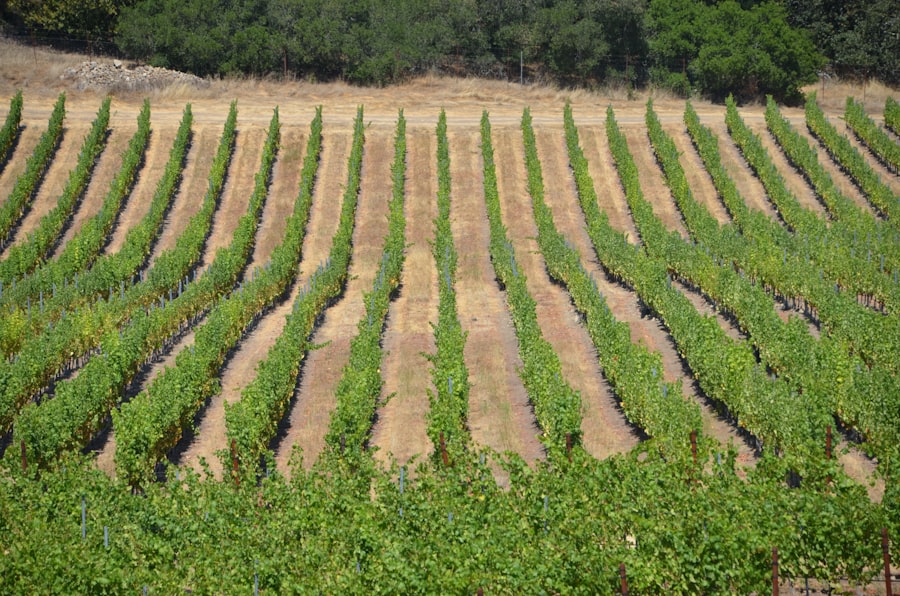
The Codrii Forest, located in central Moldova, is one of the country’s most significant natural reserves. This expansive forest is home to diverse flora and fauna, making it an ideal destination for hiking, birdwatching, and nature photography.
Explore the Nistru River
The Nistru River also offers opportunities for exploration and relaxation. Visitors can enjoy boat rides along its tranquil waters or engage in fishing activities while taking in the stunning scenery that surrounds them.
Experience the Charm of Old Orhei
Additionally, the picturesque village of Old Orhei provides breathtaking views of the surrounding countryside and opportunities for hiking along scenic trails. Embracing Moldova’s natural beauty allows travelers to connect with the land while experiencing its serene charm.
Exploring Moldova’s Unique Architecture
Moldova’s architectural landscape reflects its rich history and cultural influences from various periods. The capital city of Chișinău showcases a blend of Soviet-era structures alongside neoclassical buildings that highlight the country’s architectural evolution. Notable landmarks include the Triumphal Arch and the National Opera House, both exemplifying Moldova’s artistic heritage.
In addition to urban architecture, rural areas feature traditional Moldovan homes characterized by their wooden structures and intricate carvings. These houses often have vibrant gardens filled with flowers and vegetables, showcasing the connection between Moldovans and their agricultural roots. Exploring both urban and rural architecture provides insight into Moldova’s cultural identity while highlighting the craftsmanship that has been passed down through generations.
Meeting the Friendly Locals of Moldova
One of the most enriching aspects of traveling in Moldova is the opportunity to meet its warm-hearted locals. Moldovans are known for their hospitality and friendliness, often welcoming visitors with open arms. Engaging with locals can provide valuable insights into their way of life, traditions, and customs.
In rural villages, travelers may find themselves invited to share a meal or participate in local festivities. These interactions foster meaningful connections and allow visitors to experience authentic Moldovan culture firsthand. Whether it’s sharing stories over a glass of homemade wine or participating in traditional dances during celebrations, meeting locals adds depth to any travel experience in Moldova.
Immersing Yourself in Moldova’s Folk Traditions
Moldova’s folk traditions are deeply rooted in its cultural heritage and are celebrated through music, dance, and crafts. Traditional folk music often features instruments such as flutes, violins, and panpipes, creating melodies that resonate with the spirit of the land. Festivals celebrating folk traditions are held throughout the year, showcasing vibrant costumes and lively performances that bring communities together.
One notable event is the National Wine Day celebrated in October when vineyards across the country open their doors for tastings and festivities. Visitors can witness traditional dances like hora while enjoying local wines and delicacies. Engaging with these folk traditions allows travelers to appreciate Moldova’s cultural richness while participating in joyous celebrations that unite people through shared heritage.
Unearthing Moldova’s Thriving Arts and Music Scene
Moldova boasts a vibrant arts scene that encompasses various forms of expression, including visual arts, theater, and music. The National Museum of Fine Arts in Chișinău showcases an impressive collection of works by both local and international artists, providing insight into Moldova’s artistic evolution over time. The music scene is particularly lively, with genres ranging from traditional folk music to contemporary pop influences.
Local musicians often perform at festivals and cultural events throughout the year, creating an atmosphere filled with creativity and passion. Additionally, theaters such as the Eugene Ionesco National Theater offer performances that highlight both classic works and contemporary plays, enriching Moldova’s cultural landscape.
Tips for Traveling Off the Beaten Path in Moldova
For those seeking an authentic experience beyond popular tourist destinations, exploring off-the-beaten-path locations in Moldova can be incredibly rewarding. Consider visiting lesser-known villages where traditional crafts are still practiced or engaging with local artisans who create handmade goods. Travelers should also take advantage of public transportation options such as marshrutkas (shared minibuses) to reach remote areas easily.
Engaging with locals during your journey can lead to hidden gems that may not be found in guidebooks—such as family-run wineries or secluded natural spots perfect for picnicking. Additionally, learning a few basic phrases in Romanian can enhance interactions with locals while demonstrating respect for their culture. Embracing spontaneity during your travels can lead to unexpected adventures that create lasting memories.
In summary, Moldova is a hidden treasure waiting to be explored by adventurous travelers seeking rich history, vibrant culture, stunning landscapes, delicious cuisine, and warm hospitality from its people. From indulging in exquisite wines to immersing oneself in folk traditions or discovering breathtaking monasteries nestled within nature—Moldova offers an array of experiences that leave a lasting impression on all who visit this enchanting country.
If you are planning a trip to Moldova, you may want to consider visiting during one of their national holidays. Moldova celebrates National Unity Day, which has recently been declared a new federal holiday. This holiday is a great opportunity to experience the culture and traditions of this beautiful country. To plan your trip accordingly, check out this article on the new federal holiday calendar for 2022.
FAQs
What is Moldova?
Moldova is a landlocked country located in Eastern Europe, bordered by Romania to the west and Ukraine to the north, east, and south.
What is the capital of Moldova?
The capital of Moldova is Chisinau, which is also the largest city in the country.
What is the official language of Moldova?
The official language of Moldova is Moldovan, which is a form of Romanian. Russian is also widely spoken in the country.
What is the currency of Moldova?
The currency of Moldova is the Moldovan leu.
What are some popular tourist attractions in Moldova?
Some popular tourist attractions in Moldova include the Orheiul Vechi Monastery, the Milestii Mici winery (known for its extensive underground wine cellars), and the Cricova winery.
What is the climate like in Moldova?
Moldova has a continental climate, with hot summers and cold winters. The country experiences four distinct seasons.
What is the economy of Moldova based on?
The economy of Moldova is based on agriculture, particularly the production of wine, fruits, and vegetables. The country also has a growing information technology sector.


