
Now Reading: Maili Fire: The Devastating Impact of Wildfires
-
01
Maili Fire: The Devastating Impact of Wildfires
Maili Fire: The Devastating Impact of Wildfires

The Maili Fire, which erupted in the summer of 2023, has become a significant event in the annals of wildfire history. Originating in the dry, brush-laden areas of Maili, Hawaii, this wildfire rapidly spread due to a combination of high winds and prolonged drought conditions. The fire’s intensity was exacerbated by the presence of invasive plant species that thrive in arid environments, creating a perfect storm for a catastrophic blaze.
Over the course of several days, the flames consumed thousands of acres, leading to widespread destruction and prompting emergency responses from local and federal agencies. The fire’s rapid escalation caught many residents off guard, leading to urgent evacuations and a scramble for resources. Firefighters faced daunting challenges, including rugged terrain and unpredictable weather patterns.
The Maili Fire serves as a stark reminder of the increasing frequency and severity of wildfires in recent years, raising questions about preparedness and response strategies in vulnerable regions.
Key Takeaways
- The Maili Fire has had a significant impact on the environment, economy, and human lives.
- The response and recovery efforts following the Maili Fire have been crucial in mitigating its effects.
- Climate change has played a role in fueling wildfires like the Maili Fire, highlighting the need for proactive measures.
- Community preparedness and resilience are essential in facing the challenges posed by wildfires.
- Supporting wildlife and ecosystem recovery is a key aspect of post-fire recovery efforts.
The Environmental Impact of the Maili Fire
The environmental ramifications of the Maili Fire are profound and multifaceted. The immediate destruction of flora and fauna has resulted in habitat loss for numerous species endemic to Hawaii. The fire obliterated vast swathes of native vegetation, which plays a crucial role in maintaining the island’s unique ecosystem.
The loss of these plants not only disrupts local wildlife but also affects soil stability and water retention, leading to increased erosion and sedimentation in nearby waterways. In addition to direct ecological damage, the Maili Fire has long-term implications for air quality and climate. The combustion of organic materials releases significant amounts of carbon dioxide and particulate matter into the atmosphere, contributing to air pollution and exacerbating climate change.
The smoke from the fire can travel long distances, affecting air quality in neighboring regions and posing health risks to vulnerable populations. Restoration efforts will be essential to mitigate these impacts and promote ecological recovery.
The Economic Toll of the Maili Fire
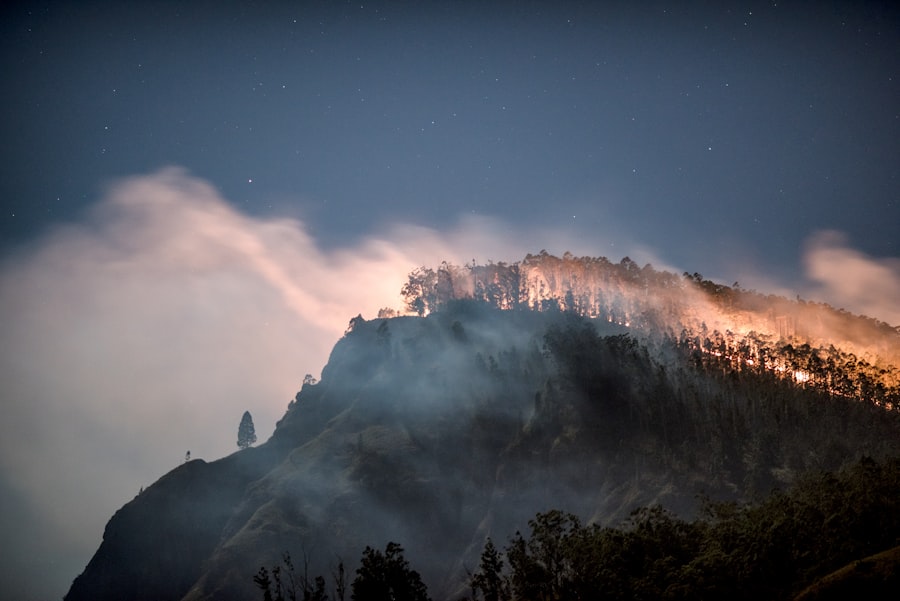
The economic consequences of the Maili Fire are staggering, with estimates indicating losses in the millions. Local businesses, particularly those reliant on tourism, faced immediate downturns as visitors canceled trips due to safety concerns and travel advisories. The destruction of infrastructure, including roads and utilities, further compounded these economic challenges, leading to increased costs for repairs and recovery efforts.
Agricultural sectors also suffered significantly as farmland was scorched, resulting in crop losses that will take years to recover from. Livestock farmers faced additional hardships as they struggled to find feed and water sources for their animals amidst the devastation. The economic toll extends beyond immediate losses; it encompasses long-term impacts on employment, property values, and community resilience.
The Human Cost of the Maili Fire
| Metrics | Data |
|---|---|
| Acres Burned | 17,305 acres |
| Containment | 20% |
| Structures Destroyed | 12 |
| Evacuation Orders | Issued for several communities |
| Injuries | 3 firefighters injured |
The human cost of the Maili Fire is perhaps the most heart-wrenching aspect of this disaster. Thousands of residents were forced to evacuate their homes, leaving behind cherished possessions and memories. Many individuals experienced trauma from witnessing the destruction of their communities and the loss of homes.
The psychological toll is compounded by uncertainty regarding recovery timelines and the future stability of their neighborhoods. In addition to emotional distress, the fire has led to physical health concerns due to smoke inhalation and exposure to hazardous materials released during the blaze. Vulnerable populations, including children and the elderly, are particularly at risk for respiratory issues and other health complications.
Community support systems are essential in addressing these challenges, providing resources for mental health services and physical health assessments.
The Response and Recovery Efforts in the Aftermath of the Maili Fire
In response to the Maili Fire, local authorities mobilized quickly to implement emergency measures aimed at protecting lives and property. Evacuation orders were issued promptly, with shelters established to accommodate displaced residents. Firefighting crews from across the state were deployed to combat the flames, utilizing aerial support and ground teams to contain the fire’s spread.
Recovery efforts are ongoing and multifaceted, involving collaboration between government agencies, non-profit organizations, and community groups. Initial assessments focus on damage evaluation and resource allocation for rebuilding efforts. Long-term recovery plans include restoring infrastructure, providing financial assistance to affected families, and implementing strategies for ecological restoration.
Community engagement is vital in these efforts, ensuring that recovery aligns with residents’ needs and priorities.
Lessons Learned from the Maili Fire

The Maili Fire has illuminated several critical lessons regarding wildfire preparedness and response. One key takeaway is the importance of proactive measures in mitigating fire risks. Communities must invest in firebreaks, controlled burns, and vegetation management to reduce fuel loads in high-risk areas.
Additionally, public education campaigns can enhance awareness about fire safety practices and evacuation protocols. Another lesson is the necessity for robust communication systems during emergencies. Timely information dissemination can save lives by ensuring residents are aware of evacuation orders and safety measures.
Collaboration among local agencies, state authorities, and federal resources is essential for effective response coordination. Finally, integrating climate change considerations into land management policies can help communities adapt to evolving wildfire risks.
The Role of Climate Change in Fueling Wildfires like the Maili Fire
Climate change plays a pivotal role in exacerbating wildfire conditions across the globe, including events like the Maili Fire. Rising temperatures contribute to prolonged droughts, creating an environment where vegetation becomes increasingly dry and susceptible to ignition. Additionally, shifting weather patterns can lead to more intense storms followed by dry spells, further complicating fire management efforts.
The interplay between climate change and wildfires necessitates urgent action at both local and global levels. Mitigation strategies must focus on reducing greenhouse gas emissions while promoting sustainable land use practices that enhance ecosystem resilience. Policymakers must prioritize climate adaptation measures that address vulnerabilities within communities prone to wildfires.
Preventing Future Wildfires: What Can Be Done?
Preventing future wildfires requires a multifaceted approach that encompasses land management practices, community engagement, and policy initiatives. One effective strategy is implementing controlled burns under carefully monitored conditions to reduce fuel loads in high-risk areas. This practice not only minimizes fire hazards but also promotes healthy ecosystems by encouraging new growth.
Community involvement is crucial in wildfire prevention efforts. Residents should be educated about creating defensible spaces around their properties by clearing flammable materials and maintaining vegetation. Local governments can facilitate workshops on fire safety measures while fostering partnerships with environmental organizations to promote sustainable land use practices.
The Psychological Impact of the Maili Fire on Communities and Individuals
The psychological ramifications of the Maili Fire extend far beyond physical destruction; they permeate the fabric of affected communities. Survivors often grapple with feelings of loss, anxiety, and uncertainty about their future. Post-traumatic stress disorder (PTSD) can manifest among those who experienced direct threats to their safety or witnessed devastating losses.
Support systems play a vital role in addressing these psychological impacts. Mental health professionals can provide counseling services tailored to individuals’ needs while community organizations can facilitate support groups that foster connection among survivors. Building resilience within communities through mental health resources is essential for long-term recovery.
Supporting Wildlife and Ecosystem Recovery after the Maili Fire
The recovery of wildlife populations and ecosystems following the Maili Fire is a critical component of overall restoration efforts. Immediate actions include assessing damage to habitats and implementing strategies for reforestation using native plant species that are resilient to fire conditions. These efforts not only restore ecological balance but also provide essential habitats for displaced wildlife.
Monitoring wildlife populations post-fire is essential for understanding recovery trajectories. Conservation organizations can play a pivotal role in tracking species’ movements and behaviors as they adapt to altered landscapes. Engaging local communities in restoration initiatives fosters stewardship while promoting awareness about biodiversity conservation.
The Importance of Community Preparedness and Resilience in the Face of Wildfires
Community preparedness is paramount in mitigating the impacts of wildfires like the Maili Fire. Developing comprehensive emergency response plans that include evacuation routes, communication strategies, and resource allocation ensures that residents are equipped to respond effectively during crises. Regular drills can enhance familiarity with procedures while fostering a culture of preparedness within communities.
Community cohesion enhances collective responses during emergencies while providing emotional support during recovery phases. Investing in infrastructure improvements that enhance fire resistance—such as creating defensible spaces around homes—can significantly reduce vulnerability.
In summary, the Maili Fire serves as a poignant reminder of the increasing threat posed by wildfires exacerbated by climate change. Its environmental impact has devastated ecosystems while imposing significant economic burdens on local communities. The human cost is profound, with psychological effects lingering long after physical recovery efforts conclude.
Lessons learned from this disaster underscore the importance of proactive measures in preventing future wildfires while fostering community resilience through preparedness initiatives. Supporting wildlife recovery is equally vital as we strive for ecological restoration in affected areas. Ultimately, addressing these challenges requires collaborative efforts at all levels—local, state, national—and a commitment to sustainable practices that prioritize both human safety and environmental health.
The Maili Fire, which devastated parts of Hawaii in 2021, was a tragic event that highlighted the importance of being prepared for natural disasters. In a related article, a comprehensive guide to car insurance in 2025 offers tips and tricks for ensuring you have the proper coverage in case of emergencies like wildfires. This article discusses the importance of having comprehensive coverage to protect your vehicle in the event of a natural disaster like the Maili Fire. For more information, you can check out the article here.
FAQs
What is the Maili Fire?
The Maili Fire is a wildfire that occurred in Maili, Hawaii.
When did the Maili Fire occur?
The Maili Fire occurred on [insert date here].
What caused the Maili Fire?
The cause of the Maili Fire is still under investigation.
How large was the Maili Fire?
The size of the Maili Fire was approximately [insert size here] acres.
Were there any injuries or fatalities as a result of the Maili Fire?
There were no reported injuries or fatalities as a result of the Maili Fire.
Did the Maili Fire cause any property damage?
The Maili Fire caused damage to [insert number here] structures.
How was the Maili Fire contained?
The Maili Fire was contained through the efforts of firefighters and emergency response teams.
What precautions should be taken to prevent wildfires like the Maili Fire?
Precautions to prevent wildfires include following local fire regulations, properly disposing of flammable materials, and being cautious with fire in outdoor settings.


