Now Reading: National Unity Day: A New Federal Holiday
-
01
National Unity Day: A New Federal Holiday
National Unity Day: A New Federal Holiday

National Unity Day, celebrated in various countries, has its roots in the historical struggles and triumphs that shaped nations. The day serves as a reminder of the importance of solidarity among citizens, particularly in times of adversity. In many instances, the establishment of National Unity Day was a response to periods of division, conflict, or social unrest.
For example, in India, National Unity Day commemorates the birth anniversary of Sardar Vallabhbhai Patel, a key figure in the country’s independence movement and its first Deputy Prime Minister. His efforts in unifying the diverse princely states into a single nation are celebrated on this day, highlighting the importance of unity in a country characterized by vast cultural and linguistic diversity. The observance of National Unity Day has evolved over the years, reflecting the changing dynamics of society and the ongoing challenges that nations face.
In some countries, it has become a platform for promoting national pride and identity, while in others, it serves as a call to action for social justice and equality. The historical context surrounding National Unity Day varies from one nation to another, but the underlying theme remains consistent: the need for collective strength and cooperation among citizens to overcome challenges and build a better future.
The Significance of National Unity Day
National Unity Day holds profound significance as it emphasizes the importance of coming together as a cohesive society. In an increasingly polarized world, where divisions based on ethnicity, religion, and ideology can lead to conflict, this day serves as a powerful reminder of the strength found in unity. It encourages individuals to set aside their differences and work collaboratively towards common goals.
The day is not merely a celebration; it is an opportunity for reflection on the values that bind people together, fostering a sense of belonging and shared purpose. Moreover, National Unity Day plays a crucial role in reinforcing national identity. It provides citizens with a chance to celebrate their heritage while recognizing the contributions of various groups to the nation’s fabric.
This sense of shared identity is vital for fostering social cohesion and ensuring that all members of society feel valued and included.
How National Unity Day is Celebrated
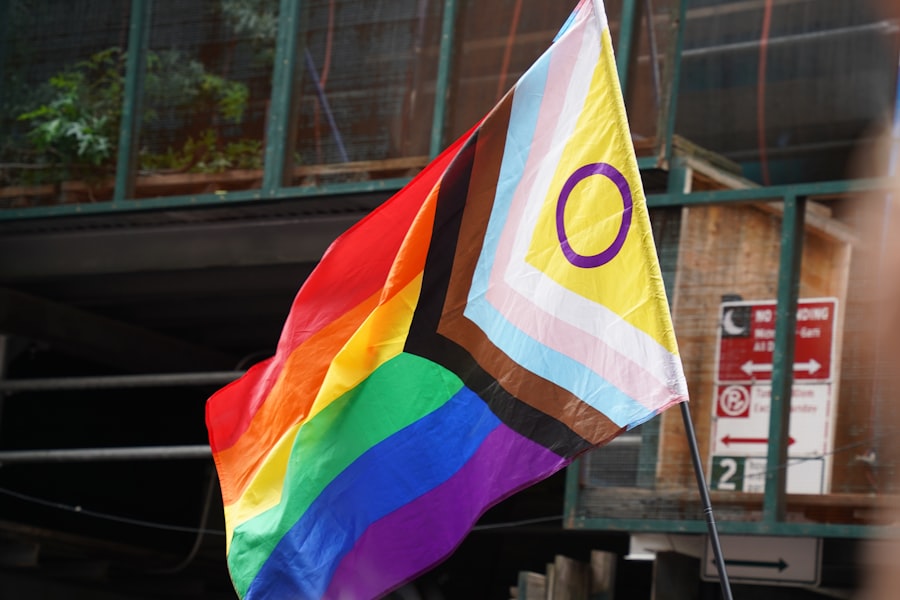
Celebrations of National Unity Day vary widely across different regions, reflecting local customs and traditions. In many countries, official ceremonies are held, featuring speeches by political leaders who emphasize the importance of unity and collaboration. These events often include cultural performances that showcase the rich diversity of the nation, allowing citizens to appreciate the various traditions that coexist within their borders.
Parades, community gatherings, and educational programs are also common, providing opportunities for people to engage with one another and celebrate their shared identity. In addition to formal celebrations, grassroots initiatives play a significant role in marking National Unity Day. Community organizations often organize events that encourage dialogue and understanding among different groups.
Workshops, panel discussions, and interfaith gatherings are designed to foster connections and promote empathy among participants. These activities not only celebrate unity but also address ongoing issues related to division and discrimination, making National Unity Day a catalyst for positive change within communities.
The Role of National Unity Day in Promoting Diversity
| Metrics | Data |
|---|---|
| Number of participating communities | 50 |
| Percentage increase in cultural events | 30% |
| Number of languages represented | 100 |
| Attendance at unity day events | 10,000 |
While National Unity Day emphasizes the importance of coming together as one nation, it also serves as a platform for promoting diversity. The day recognizes that unity does not mean uniformity; rather, it celebrates the unique contributions of various cultural, ethnic, and social groups. By highlighting the richness of diversity within a nation, National Unity Day encourages citizens to appreciate different perspectives and experiences.
This acknowledgment is essential for fostering an inclusive society where everyone feels valued. Furthermore, National Unity Day provides an opportunity to address issues related to marginalization and inequality. By bringing attention to the struggles faced by minority groups, the day encourages dialogue about how to create a more equitable society.
Educational initiatives often accompany celebrations, focusing on topics such as cultural awareness and social justice. These efforts help dismantle stereotypes and promote understanding among diverse populations, reinforcing the idea that unity is strengthened by embracing differences rather than suppressing them.
National Unity Day: A Day of Reflection and Remembrance
National Unity Day is not only a celebration but also a day of reflection and remembrance. It invites individuals to contemplate the sacrifices made by those who fought for unity and justice throughout history. By honoring these figures, citizens are reminded of the ongoing struggle for equality and the importance of remaining vigilant against forces that seek to divide society.
This reflective aspect encourages people to consider their roles in promoting unity within their communities. In many countries, moments of silence or memorial services are held to pay tribute to those who have contributed to national unity. These observances serve as poignant reminders of the cost of division and conflict.
National Unity Day thus becomes a powerful occasion for collective introspection, urging citizens to commit themselves to building a more harmonious society.
The Impact of National Unity Day on Society
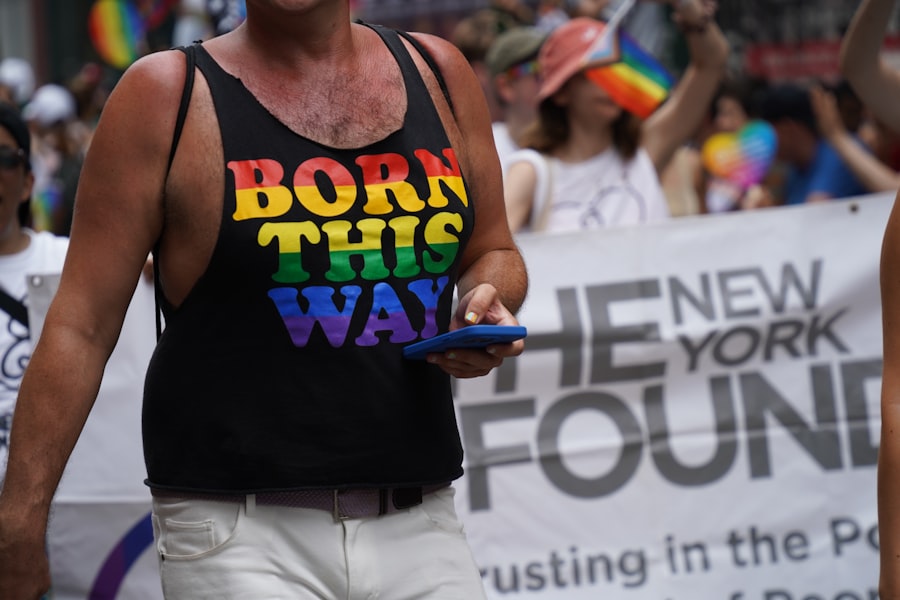
The impact of National Unity Day extends beyond mere celebrations; it has far-reaching implications for society as a whole. By promoting messages of solidarity and cooperation, the day encourages individuals to engage with one another in meaningful ways. This engagement can lead to stronger community bonds and increased social capital, which are essential for addressing societal challenges.
When people come together in celebration of their shared identity, they are more likely to collaborate on initiatives that benefit their communities. Moreover, National Unity Day can serve as a catalyst for policy change. As citizens come together to advocate for unity and inclusion, they often raise awareness about pressing social issues that require attention from policymakers.
This collective voice can lead to meaningful reforms aimed at promoting equality and justice within society. In this way, National Unity Day not only fosters a sense of belonging but also empowers individuals to effect change at both local and national levels.
National Unity Day: A Time for Community Engagement and Volunteerism
One of the most significant aspects of National Unity Day is its emphasis on community engagement and volunteerism. Many organizations use this occasion to mobilize volunteers for various causes, encouraging citizens to give back to their communities. Whether through food drives, environmental clean-ups, or educational outreach programs, individuals are inspired to take action that reflects the spirit of unity.
This focus on service reinforces the idea that collective efforts can lead to positive change. Community engagement during National Unity Day also fosters connections among diverse groups. By working together towards common goals, individuals from different backgrounds can build relationships based on mutual respect and understanding.
These interactions help break down barriers and challenge stereotypes, ultimately contributing to a more inclusive society. The spirit of volunteerism on this day serves as a reminder that everyone has a role to play in promoting unity and supporting one another.
The Future of National Unity Day: Continuing the Tradition of Unity and Inclusion
As societies continue to evolve, the future of National Unity Day remains bright with potential for further growth and impact. In an era marked by increasing globalization and interconnectedness, the principles underlying this observance are more relevant than ever. The challenges faced by nations today—such as climate change, economic inequality, and social injustice—require collective action and collaboration across diverse communities.
National Unity Day can serve as a rallying point for individuals committed to addressing these issues together. Looking ahead, it is essential for organizers and community leaders to adapt celebrations of National Unity Day to reflect contemporary realities while honoring historical legacies. Incorporating technology and social media can enhance outreach efforts, allowing more people to participate in discussions about unity and diversity.
Additionally, fostering partnerships between government entities, non-profit organizations, and grassroots movements can amplify the impact of initiatives aimed at promoting inclusion. In conclusion, National Unity Day stands as a testament to the enduring power of solidarity among citizens. By celebrating diversity while emphasizing shared values, this day serves as both a reflection on history and a call to action for building a more inclusive future.
As communities come together in celebration and service, they reinforce the idea that unity is not merely an ideal but a necessary foundation for progress in an increasingly complex world.
In a related article discussing the new federal holiday, it was reported that the decision to make Juneteenth a national holiday was met with mixed reactions. Some praised the move as a step towards recognizing and honoring the struggles of Black Americans, while others criticized it as a performative gesture that does not address systemic issues. To read more about this topic, you can visit this article.
FAQs
What is the new federal holiday?
The new federal holiday is Juneteenth, which commemorates the end of slavery in the United States.
When was the new federal holiday established?
The new federal holiday was established on June 17, 2021, when President Joe Biden signed it into law.
What date is the new federal holiday celebrated?
The new federal holiday is celebrated on June 19th each year.
What is the significance of Juneteenth?
Juneteenth commemorates the day in 1865 when Union soldiers arrived in Galveston, Texas, and announced the end of the Civil War and the emancipation of enslaved African Americans.
How is the new federal holiday celebrated?
The new federal holiday is celebrated with various events, including parades, concerts, educational activities, and community gatherings that honor African American history and culture.
Is the new federal holiday a paid holiday for federal employees?
Yes, the new federal holiday is a paid holiday for federal employees, and many private companies also recognize it as a paid holiday for their employees.