Now Reading: Optimizing Heart Health at Our Cardiovascular Clinic
-
01
Optimizing Heart Health at Our Cardiovascular Clinic
Optimizing Heart Health at Our Cardiovascular Clinic
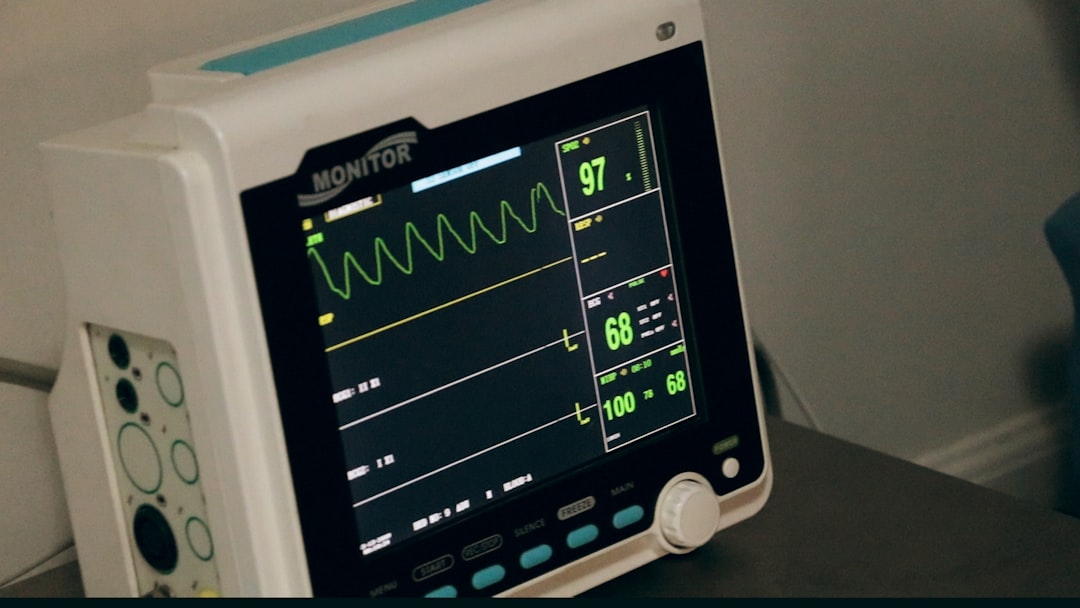
Heart health is a critical component of overall well-being, as the cardiovascular system plays a vital role in sustaining life. The heart, a muscular organ, pumps blood throughout the body, delivering oxygen and nutrients to tissues while removing waste products. Cardiovascular diseases (CVD) remain the leading cause of mortality globally, accounting for approximately 31% of all deaths according to the World Health Organization.
This staggering statistic underscores the necessity of prioritizing heart health through preventive measures and early interventions. Maintaining optimal heart health is essential not only for longevity but also for enhancing quality of life. A well-functioning cardiovascular system supports physical activity, cognitive function, and emotional stability.
Conversely, poor heart health can lead to debilitating conditions such as heart attacks, strokes, and heart failure, which can significantly impair daily functioning and reduce life expectancy. Therefore, understanding the importance of heart health is paramount for individuals and healthcare providers alike.
Key Takeaways
- Heart health is crucial for overall wellness and longevity.
- Identifying risk factors such as high blood pressure, high cholesterol, and smoking is essential for preventing cardiovascular disease.
- Lifestyle changes, including a healthy diet and regular exercise, play a significant role in maintaining heart health.
- Advanced diagnostic testing can help in the early detection of cardiovascular conditions, leading to better treatment outcomes.
- Treatment options for cardiovascular conditions may include medication, surgery, or lifestyle modifications.
Identifying Risk Factors for Cardiovascular Disease
Recognizing risk factors associated with cardiovascular disease is crucial for effective prevention and management. Several modifiable and non-modifiable factors contribute to the development of CVD. Non-modifiable risk factors include age, gender, and family history.
For instance, individuals over the age of 45 for men and 55 for women are at an increased risk. Additionally, a family history of heart disease can predispose individuals to similar conditions. Modifiable risk factors present opportunities for intervention.
These include hypertension, hyperlipidemia, diabetes mellitus, obesity, smoking, and sedentary lifestyle. Hypertension, or high blood pressure, affects nearly 1 in 3 adults in the United States and can lead to significant cardiovascular complications if left untreated. Similarly, elevated cholesterol levels can contribute to atherosclerosis, a condition characterized by plaque buildup in arterial walls.
Understanding these risk factors allows individuals to take proactive steps toward reducing their likelihood of developing cardiovascular diseases.
Implementing Lifestyle Changes for Heart Health

Implementing lifestyle changes is a fundamental strategy for improving heart health and mitigating risk factors associated with cardiovascular disease. One of the most effective modifications is adopting a balanced diet rich in fruits, vegetables, whole grains, lean proteins, and healthy fats. The Mediterranean diet, for example, has been shown to reduce the risk of heart disease due to its emphasis on nutrient-dense foods and healthy fats like olive oil.
In addition to dietary changes, incorporating regular physical activity into daily routines is essential. The American Heart Association recommends at least 150 minutes of moderate-intensity aerobic exercise per week. Activities such as brisk walking, cycling, or swimming can significantly enhance cardiovascular fitness and aid in weight management.
Furthermore, reducing sedentary behavior by integrating movement into daily tasks can also contribute to improved heart health.
Utilizing Advanced Diagnostic Testing for Early Detection
| Diagnostic Test | Early Detection Rate | Accuracy |
|---|---|---|
| MRI | 85% | 90% |
| CT Scan | 75% | 85% |
| Genetic Testing | 95% | 98% |
Early detection of cardiovascular disease is critical for effective management and treatment. Advanced diagnostic testing plays a pivotal role in identifying potential issues before they escalate into serious conditions. Common diagnostic tools include electrocardiograms (ECGs), echocardiograms, stress tests, and advanced imaging techniques such as cardiac MRI or CT angiography.
Electrocardiograms provide valuable information about the heart’s electrical activity and can detect arrhythmias or ischemic changes indicative of coronary artery disease. Echocardiograms utilize ultrasound technology to visualize heart structures and assess function, allowing clinicians to identify abnormalities such as valve dysfunction or cardiomyopathy. Stress tests evaluate the heart’s response to physical exertion and can reveal underlying coronary artery blockages.
By utilizing these advanced diagnostic tools, healthcare providers can implement timely interventions that may prevent severe cardiovascular events.
Exploring Treatment Options for Cardiovascular Conditions
When cardiovascular disease is diagnosed, a comprehensive treatment plan is essential for managing symptoms and preventing progression. Treatment options vary based on the specific condition but often include lifestyle modifications, pharmacotherapy, and surgical interventions. Medications such as statins are commonly prescribed to lower cholesterol levels and reduce the risk of heart attacks.
Antihypertensive agents are utilized to manage high blood pressure effectively. These may include ACE inhibitors, beta-blockers, or calcium channel blockers, each targeting different mechanisms to achieve optimal blood pressure control. In cases where lifestyle changes and medications are insufficient, surgical options such as angioplasty or coronary artery bypass grafting (CABG) may be necessary to restore adequate blood flow to the heart.
Incorporating Exercise and Physical Activity into Heart Health Plans

Incorporating exercise into heart health plans is vital for improving cardiovascular fitness and overall well-being. Regular physical activity strengthens the heart muscle, enhances circulation, and helps maintain a healthy weight—all critical factors in reducing the risk of cardiovascular disease. The key is to find enjoyable activities that can be sustained over time.
Aerobic exercises such as walking, jogging, swimming, or cycling are particularly beneficial for heart health. Resistance training also plays a role in building muscle mass and improving metabolic function. It is recommended that individuals engage in both aerobic and strength-training exercises at least twice a week.
Additionally, incorporating flexibility and balance exercises can enhance overall physical function and reduce the risk of injury.
Discussing Nutrition and Dietary Recommendations for Heart Health
Nutrition plays a pivotal role in maintaining heart health and preventing cardiovascular disease. A heart-healthy diet emphasizes whole foods while minimizing processed items high in saturated fats, trans fats, sodium, and added sugars. The Dietary Approaches to Stop Hypertension (DASH) diet is often recommended due to its focus on nutrient-rich foods that support cardiovascular health.
Key dietary recommendations include increasing intake of fruits and vegetables—aiming for at least five servings per day—while choosing whole grains over refined grains. Lean protein sources such as fish, poultry, legumes, and nuts should be prioritized over red meats. Additionally, incorporating omega-3 fatty acids found in fatty fish like salmon can help reduce inflammation and lower triglyceride levels.
Managing Stress and Mental Health for Overall Cardiovascular Wellness
Stress management is an often-overlooked aspect of cardiovascular wellness that can significantly impact heart health. Chronic stress has been linked to increased blood pressure, elevated cortisol levels, and unhealthy coping mechanisms such as overeating or smoking—all contributing factors to cardiovascular disease. Therefore, implementing stress-reduction techniques is essential for maintaining optimal heart health.
Mindfulness practices such as meditation, yoga, or deep-breathing exercises can help mitigate stress responses and promote relaxation. Engaging in hobbies or social activities that bring joy can also serve as effective stress relievers. Furthermore, seeking professional support through counseling or therapy may be beneficial for individuals struggling with anxiety or depression that could adversely affect their cardiovascular health.
Educating Patients on Medication Management for Heart Health
Effective medication management is crucial for individuals diagnosed with cardiovascular conditions. Patients must be educated about their prescribed medications’ purpose, dosage, potential side effects, and interactions with other drugs or supplements. Adherence to medication regimens is essential for achieving desired outcomes and preventing complications.
Healthcare providers should encourage open communication with patients regarding any concerns or difficulties they may encounter while taking medications. Regular follow-up appointments allow for monitoring medication effectiveness and making necessary adjustments based on individual responses or emerging side effects. Empowering patients with knowledge fosters a sense of ownership over their health journey.
Monitoring and Tracking Progress in Heart Health Improvement
Monitoring progress in heart health improvement is vital for assessing the effectiveness of implemented strategies and interventions. Regular check-ups with healthcare providers allow for tracking key indicators such as blood pressure, cholesterol levels, weight management, and overall cardiovascular fitness. Utilizing technology such as wearable fitness trackers or mobile applications can facilitate self-monitoring of physical activity levels and dietary habits.
Keeping a journal to document daily food intake or exercise routines can also provide valuable insights into patterns that may need adjustment. By actively engaging in monitoring efforts, individuals can make informed decisions that contribute to their long-term heart health goals.
Providing Support and Resources for Patients and Their Families
Support systems play an integral role in managing cardiovascular health effectively. Patients benefit from access to educational resources that provide information about their conditions and treatment options. Support groups offer opportunities for individuals to connect with others facing similar challenges while sharing experiences and coping strategies.
Family involvement is equally important; educating family members about cardiovascular health can foster a supportive environment conducive to lifestyle changes. Resources such as community programs focused on nutrition education or exercise classes can further empower patients on their journey toward improved heart health. In summary, prioritizing heart health is essential for overall well-being given its significant impact on longevity and quality of life.
Identifying risk factors allows individuals to implement lifestyle changes that promote cardiovascular wellness while utilizing advanced diagnostic testing aids early detection of potential issues. Treatment options range from lifestyle modifications to pharmacotherapy and surgical interventions tailored to individual needs. Incorporating exercise, nutrition education, stress management techniques, medication adherence strategies, progress monitoring efforts, and robust support systems are all critical components in fostering optimal heart health outcomes for patients and their families alike.
If you are looking to plan your year ahead and schedule time off for federal holidays, you may want to check out this helpful guide on federal paid holidays. It’s important to take care of your health, especially when it comes to cardiovascular issues. Consider visiting a cardiovascular clinic for regular check-ups and screenings to ensure your heart health is in top condition. Remember, taking time off for self-care is just as important as celebrating national holidays and traditions.
FAQs
What services are offered at a cardiovascular clinic?
A cardiovascular clinic offers a range of services related to the diagnosis, treatment, and management of heart and vascular conditions. This may include cardiac testing, imaging, monitoring, and treatment options such as medication management, lifestyle counseling, and surgical interventions.
What conditions are treated at a cardiovascular clinic?
Cardiovascular clinics treat a wide range of heart and vascular conditions, including coronary artery disease, heart failure, arrhythmias, peripheral artery disease, and congenital heart defects. They also provide care for patients at risk for heart disease and those recovering from cardiac events.
What types of specialists work at a cardiovascular clinic?
Cardiovascular clinics are staffed by a multidisciplinary team of healthcare professionals, including cardiologists, cardiac surgeons, interventional cardiologists, electrophysiologists, cardiovascular nurses, and other specialists trained in the diagnosis and treatment of heart and vascular conditions.
How can I make an appointment at a cardiovascular clinic?
To make an appointment at a cardiovascular clinic, individuals can typically call the clinic directly or be referred by their primary care physician or another healthcare provider. Some clinics may also offer online appointment scheduling options for added convenience.
What should I expect during a visit to a cardiovascular clinic?
During a visit to a cardiovascular clinic, patients can expect to undergo a thorough evaluation of their heart health, which may include a physical examination, diagnostic testing such as an electrocardiogram (ECG) or echocardiogram, and a consultation with a cardiovascular specialist to discuss treatment options and next steps in their care plan.