Now Reading: Preventing Cardiovascular Events: A Comprehensive Guide
-
01
Preventing Cardiovascular Events: A Comprehensive Guide
Preventing Cardiovascular Events: A Comprehensive Guide

Cardiovascular events encompass a range of medical occurrences that affect the heart and blood vessels, leading to significant morbidity and mortality worldwide. These events include myocardial infarction (heart attack), stroke, and heart failure, among others. The underlying pathophysiology often involves atherosclerosis, where plaque builds up in the arterial walls, narrowing the arteries and impeding blood flow.
This can result in ischemia, where tissues are deprived of oxygen, leading to cellular damage and dysfunction. The prevalence of cardiovascular events is alarming; according to the World Health Organization, cardiovascular diseases account for approximately 32% of all global deaths. This statistic underscores the critical need for understanding the mechanisms behind these events, as well as the importance of early detection and intervention.
The complexity of cardiovascular health necessitates a multifaceted approach that includes lifestyle modifications, medical management, and regular monitoring to mitigate risks effectively.
Key Takeaways
- Cardiovascular events can include heart attacks, strokes, and heart failure, and are often caused by atherosclerosis or blood clots.
- Risk factors for cardiovascular events include high blood pressure, high cholesterol, diabetes, smoking, and family history.
- Lifestyle changes such as quitting smoking, eating a healthy diet, and managing stress can help prevent cardiovascular events.
- Regular exercise is crucial for cardiovascular health, as it helps lower blood pressure, control weight, and improve overall heart function.
- Dietary guidelines for preventing cardiovascular events include reducing salt intake, eating more fruits and vegetables, and limiting saturated and trans fats.
Risk Factors for Cardiovascular Events
Identifying risk factors is paramount in preventing cardiovascular events. These factors can be categorized into modifiable and non-modifiable categories. Non-modifiable risk factors include age, gender, and family history of cardiovascular diseases.
For instance, individuals over the age of 45 for men and 55 for women are at a heightened risk due to age-related physiological changes. Genetic predisposition also plays a significant role; a family history of heart disease can increase an individual’s likelihood of experiencing similar issues. Conversely, modifiable risk factors present opportunities for intervention.
Hypertension, hyperlipidemia, diabetes mellitus, obesity, and smoking are critical contributors to cardiovascular morbidity. For example, elevated blood pressure can lead to increased workload on the heart and damage to arterial walls, while high cholesterol levels can accelerate atherosclerosis. Addressing these modifiable factors through lifestyle changes and medical treatment can significantly reduce the incidence of cardiovascular events.
Lifestyle Changes to Prevent Cardiovascular Events

Implementing lifestyle changes is essential for reducing the risk of cardiovascular events. A comprehensive approach includes adopting a heart-healthy diet, engaging in regular physical activity, maintaining a healthy weight, and avoiding tobacco use. The American Heart Association recommends a diet rich in fruits, vegetables, whole grains, lean proteins, and healthy fats while limiting saturated fats, trans fats, sodium, and added sugars.
Moreover, weight management is crucial; obesity is linked to various cardiovascular risk factors such as hypertension and diabetes. Aiming for a body mass index (BMI) within the normal range (18.5-24.9) can significantly lower the risk of developing heart disease. Additionally, reducing alcohol consumption and managing stress through mindfulness practices or therapy can further enhance cardiovascular health.
Importance of Regular Exercise for Cardiovascular Health
| Exercise Type | Frequency | Duration | Intensity |
|---|---|---|---|
| Aerobic | 5 times per week | 30 minutes | Moderate to vigorous |
| Strength training | 2-3 times per week | 20-30 minutes | High intensity |
| Flexibility exercises | 2-3 times per week | 10-15 minutes | Gentle to moderate |
Regular physical activity is one of the most effective strategies for promoting cardiovascular health. Engaging in at least 150 minutes of moderate-intensity aerobic exercise per week can lead to substantial improvements in heart function and overall well-being. Exercise helps lower blood pressure, improve lipid profiles by increasing high-density lipoprotein (HDL) cholesterol levels, and enhance insulin sensitivity.
Furthermore, resistance training should be incorporated at least twice a week to build muscle mass and improve metabolic health. Activities such as walking, cycling, swimming, or dancing not only contribute to cardiovascular fitness but also provide psychological benefits by reducing anxiety and depression levels. The cumulative effect of regular exercise is a reduced risk of cardiovascular events and an improved quality of life.
Dietary Guidelines for Preventing Cardiovascular Events
Adhering to specific dietary guidelines can significantly mitigate the risk of cardiovascular events. The Mediterranean diet is often heralded as one of the most heart-healthy eating patterns due to its emphasis on whole foods. This diet includes an abundance of fruits, vegetables, whole grains, legumes, nuts, and seeds while prioritizing healthy fats such as olive oil over saturated fats found in butter or red meat.
Additionally, incorporating omega-3 fatty acids from sources like fatty fish (salmon, mackerel) can help reduce inflammation and lower triglyceride levels. Limiting sodium intake is also crucial; excessive salt consumption can lead to hypertension, a major risk factor for heart disease. The American Heart Association recommends keeping sodium intake below 2,300 mg per day for most adults and ideally aiming for 1,500 mg for those with hypertension.
Managing Stress and Mental Health for Cardiovascular Health
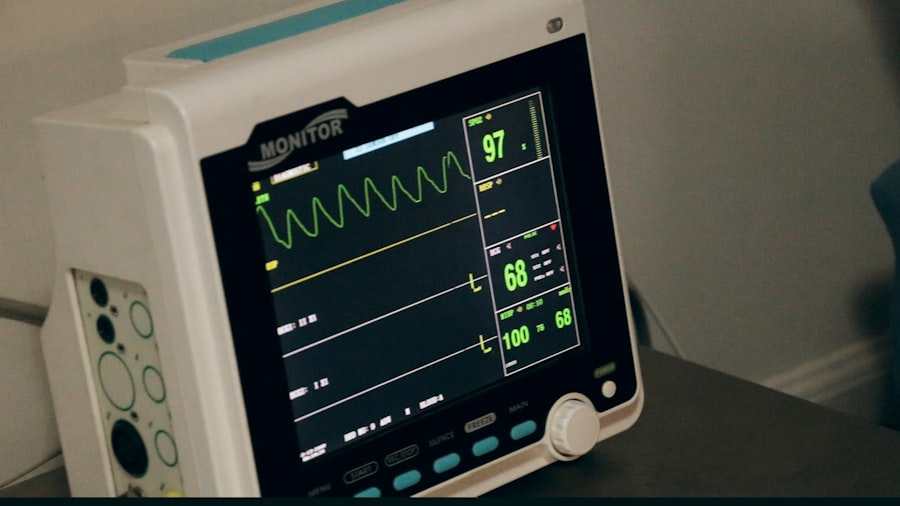
The relationship between stress and cardiovascular health is well-documented; chronic stress can lead to physiological changes that increase the risk of heart disease. Stress activates the body’s fight-or-flight response, resulting in elevated levels of cortisol and adrenaline that can raise blood pressure and heart rate.
To manage stress effectively, individuals should consider incorporating relaxation techniques into their daily routines. Practices such as yoga, meditation, deep breathing exercises, or mindfulness can help mitigate stress responses and promote emotional well-being. Seeking professional help through counseling or therapy can also provide valuable support in managing mental health issues that may contribute to cardiovascular risks.
Importance of Regular Health Check-Ups
Regular health check-ups are vital for early detection and management of cardiovascular risk factors. Routine screenings for blood pressure, cholesterol levels, and blood glucose can identify potential issues before they escalate into serious conditions. The American College of Cardiology recommends that adults aged 20 and older have their cholesterol checked every four to six years; however, those with risk factors may require more frequent assessments.
Additionally, healthcare providers can offer personalized advice on lifestyle modifications based on individual risk profiles. Regular consultations allow for timely interventions that can significantly alter the trajectory of cardiovascular health. Patients should also be proactive in discussing any family history of heart disease with their healthcare providers to tailor preventive strategies effectively.
Medication and Treatment Options for Cardiovascular Health
In some cases, lifestyle modifications alone may not suffice in managing cardiovascular risks; pharmacological interventions may be necessary. Common medications include statins for lowering cholesterol levels, antihypertensives for managing blood pressure, and antiplatelet agents like aspirin to prevent clot formation. Statins work by inhibiting HMG-CoA reductase, an enzyme involved in cholesterol synthesis in the liver.
This results in decreased low-density lipoprotein (LDL) cholesterol levels and reduced cardiovascular event rates. Antihypertensive medications such as ACE inhibitors or beta-blockers help regulate blood pressure by relaxing blood vessels or reducing heart rate. It is crucial for patients to adhere to prescribed medication regimens while maintaining open communication with their healthcare providers regarding any side effects or concerns.
Smoking Cessation and its Impact on Cardiovascular Health
Smoking is one of the most significant modifiable risk factors for cardiovascular disease. The harmful chemicals in tobacco smoke contribute to endothelial dysfunction, increased blood pressure, and accelerated atherosclerosis. Quitting smoking can lead to immediate benefits; within just 20 minutes of cessation, heart rate and blood pressure begin to drop.
Long-term benefits include a significant reduction in the risk of coronary artery disease and stroke over time. Various cessation programs are available that combine behavioral therapy with pharmacotherapy options such as nicotine replacement therapy (patches or gum) or prescription medications like varenicline (Chantix) or bupropion (Zyban). These interventions can enhance the likelihood of successful quitting.
Understanding the Role of Genetics in Cardiovascular Health
Genetics plays a crucial role in determining an individual’s susceptibility to cardiovascular diseases. Certain genetic mutations can predispose individuals to conditions such as familial hypercholesterolemia or hypertrophic cardiomyopathy. Understanding one’s genetic background can inform personalized prevention strategies.
Genetic testing may be recommended for individuals with a strong family history of heart disease or those who develop cardiovascular issues at a young age. This information can guide healthcare providers in tailoring treatment plans that address specific genetic risks while considering lifestyle modifications that may mitigate these inherited tendencies.
Creating a Supportive Environment for Cardiovascular Health
A supportive environment is essential for fostering cardiovascular health at both individual and community levels. Family members play a pivotal role in encouraging healthy behaviors such as cooking nutritious meals together or participating in physical activities as a group. Social support networks can provide motivation and accountability in maintaining lifestyle changes.
Communities can also contribute by promoting access to recreational facilities, safe walking paths, and health education programs that raise awareness about cardiovascular health risks. Collaborative efforts between healthcare providers and community organizations can create initiatives aimed at improving public health outcomes related to cardiovascular diseases. In summary, understanding cardiovascular events involves recognizing their complexity and multifactorial nature.
Identifying risk factors—both modifiable and non-modifiable—allows for targeted prevention strategies through lifestyle changes such as diet and exercise. Regular health check-ups are essential for early detection while medication may be necessary for some individuals at higher risk. Smoking cessation remains critical for improving cardiovascular outcomes alongside managing stress effectively.
Genetics also plays a role in susceptibility to heart disease; thus personalized approaches are vital in treatment plans. Finally, fostering supportive environments enhances community engagement in promoting cardiovascular health initiatives that benefit everyone involved.
According to a recent study published in the Journal of the American Heart Association, researchers have found a potential link between federal holidays and an increased risk of cardiovascular events. The study suggests that the stress and disruption of routine associated with holidays like Thanksgiving and Christmas may contribute to a higher incidence of heart attacks and strokes. To read more about federal holidays and their impact on health, check out this article.
FAQs
What is a cardiovascular event?
A cardiovascular event refers to any event that affects the heart or blood vessels, including heart attacks, strokes, and other conditions related to the cardiovascular system.
What are the risk factors for a cardiovascular event?
Risk factors for a cardiovascular event include high blood pressure, high cholesterol, smoking, diabetes, obesity, and a sedentary lifestyle. Family history and age also play a role in increasing the risk.
What are the symptoms of a cardiovascular event?
Symptoms of a cardiovascular event can vary depending on the specific condition, but common symptoms include chest pain or discomfort, shortness of breath, dizziness, nausea, and pain or numbness in the arms or legs.
How can a cardiovascular event be prevented?
Preventative measures for cardiovascular events include maintaining a healthy diet, regular exercise, not smoking, managing stress, and controlling conditions such as high blood pressure and diabetes. Regular check-ups with a healthcare provider are also important for early detection and management of risk factors.
What should someone do if they suspect they are having a cardiovascular event?
If someone suspects they are having a cardiovascular event, they should seek immediate medical attention by calling emergency services or going to the nearest hospital. Time is critical in the treatment of cardiovascular events, so it is important not to delay seeking help.