Now Reading: Understanding Cardiovascular Conditions: A Comprehensive Guide
-
01
Understanding Cardiovascular Conditions: A Comprehensive Guide
Understanding Cardiovascular Conditions: A Comprehensive Guide

Cardiovascular conditions encompass a broad spectrum of disorders affecting the heart and blood vessels, which are critical components of the circulatory system. These conditions can range from congenital heart defects present at birth to acquired diseases such as coronary artery disease, heart failure, and arrhythmias that develop over time. The World Health Organization (WHO) identifies cardiovascular diseases (CVDs) as the leading cause of mortality globally, accounting for approximately 31% of all deaths.
This staggering statistic underscores the importance of understanding cardiovascular health, recognizing risk factors, and implementing preventive measures. The complexity of cardiovascular conditions necessitates a comprehensive approach to both prevention and management. Factors such as genetics, lifestyle choices, and environmental influences play significant roles in the development of these diseases.
As the prevalence of risk factors like obesity, hypertension, and diabetes continues to rise, it becomes increasingly vital for individuals and healthcare providers to prioritize cardiovascular health. This article aims to provide an in-depth exploration of common cardiovascular conditions, their risk factors, symptoms, diagnostic methods, treatment options, and lifestyle modifications that can enhance heart health.
Key Takeaways
- Cardiovascular conditions refer to a range of diseases and disorders that affect the heart and blood vessels.
- Common cardiovascular conditions include coronary artery disease, heart failure, arrhythmias, and heart valve disorders.
- Risk factors for cardiovascular conditions include high blood pressure, high cholesterol, smoking, diabetes, and obesity.
- Symptoms and warning signs of cardiovascular conditions may include chest pain, shortness of breath, dizziness, and fatigue.
- Diagnosis and testing for cardiovascular conditions may involve blood tests, imaging studies, electrocardiograms, and stress tests.
Common Cardiovascular Conditions
Among the myriad of cardiovascular conditions, several are particularly prevalent and warrant attention. Coronary artery disease (CAD) is one of the most common forms, characterized by the narrowing or blockage of coronary arteries due to atherosclerosis—a process where plaque builds up on arterial walls. This condition can lead to angina (chest pain) and myocardial infarction (heart attack), making it a significant public health concern.
Heart failure is another critical condition that occurs when the heart cannot pump blood effectively, leading to inadequate blood flow to meet the body’s needs. It can result from various underlying issues, including CAD, hypertension, and cardiomyopathy. Symptoms often include fatigue, shortness of breath, and fluid retention.
Arrhythmias, or irregular heartbeats, also pose serious risks; they can lead to palpitations, dizziness, or even sudden cardiac arrest if not managed appropriately.
Risk Factors for Cardiovascular Conditions

Understanding the risk factors associated with cardiovascular conditions is essential for prevention and early intervention. Major risk factors include hypertension, hyperlipidemia (high cholesterol levels), diabetes mellitus, smoking, obesity, and a sedentary lifestyle. Each of these factors contributes to the overall burden on the cardiovascular system.
Hypertension is often referred to as the “silent killer” due to its asymptomatic nature; it can lead to significant damage over time if left untreated. Hyperlipidemia increases the likelihood of plaque formation in arteries, while diabetes accelerates vascular damage through mechanisms such as glycation and inflammation. Lifestyle choices such as smoking not only damage blood vessels but also reduce oxygen supply to the heart.
Furthermore, obesity is linked to increased inflammation and insulin resistance, compounding the risk for developing cardiovascular diseases.
Symptoms and Warning Signs
| Symptom | Warning Sign |
|---|---|
| Fever | High fever that does not improve with medication |
| Cough | Persistent cough that lasts for more than 2 weeks |
| Shortness of breath | Difficulty breathing or chest pain |
| Fatigue | Extreme tiredness or weakness |
| Loss of taste or smell | Sudden loss of taste or smell |
Recognizing the symptoms and warning signs of cardiovascular conditions is crucial for timely intervention. Common manifestations include chest pain or discomfort, which may radiate to the arms, neck, jaw, or back.
Additionally, individuals may experience palpitations or irregular heartbeats that warrant further evaluation. Other warning signs include extreme fatigue, especially in women who may present atypically compared to men. Swelling in the legs or abdomen can signal fluid retention associated with heart failure.
It is essential for individuals to be vigilant about these symptoms and seek medical attention promptly to mitigate potential complications.
Diagnosis and Testing for Cardiovascular Conditions
The diagnosis of cardiovascular conditions typically involves a combination of patient history, physical examination, and diagnostic testing. Healthcare providers often begin with a thorough assessment of risk factors and symptoms. Blood pressure measurements and lipid profiles are standard initial tests that provide insight into cardiovascular health.
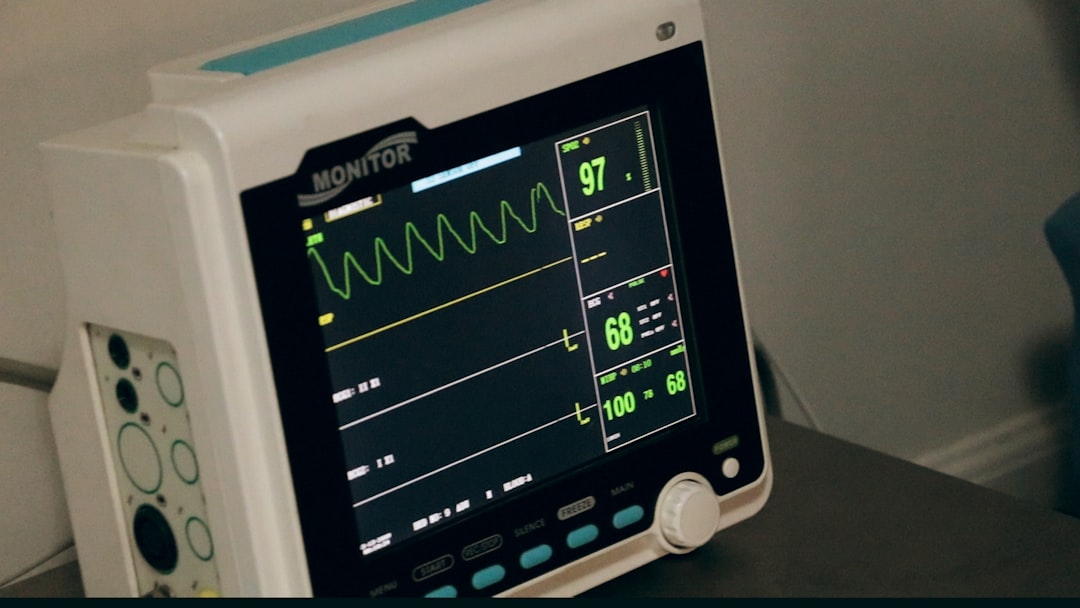
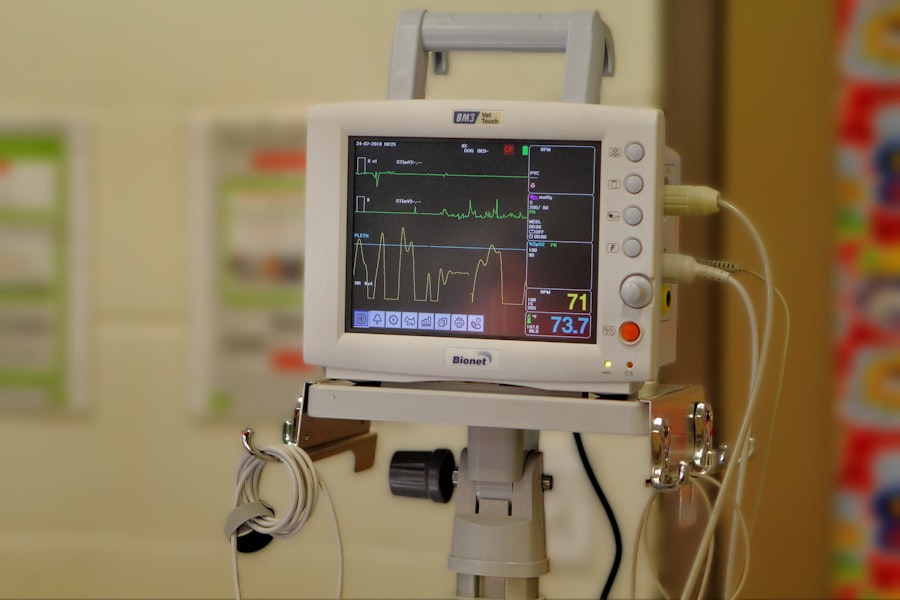
Advanced diagnostic tools include electrocardiograms (ECGs), which assess electrical activity in the heart; echocardiograms that visualize heart structure and function; and stress tests that evaluate cardiac performance under physical exertion. In some cases, coronary angiography may be performed to visualize blood flow through coronary arteries using contrast dye. These diagnostic modalities are essential for determining the presence and severity of cardiovascular conditions.
Treatment Options for Cardiovascular Conditions
Treatment options for cardiovascular conditions vary based on the specific diagnosis and severity of the disease. Lifestyle modifications are often the first line of defense; these may include dietary changes such as adopting a heart-healthy diet rich in fruits, vegetables, whole grains, lean proteins, and healthy fats while reducing sodium intake. In more advanced cases, pharmacological interventions may be necessary.
Medications such as antiplatelet agents (e.g., aspirin), statins for cholesterol management, beta-blockers for heart rate control, and ACE inhibitors for blood pressure regulation are commonly prescribed. The choice of medication depends on individual patient profiles and comorbidities.
Lifestyle Changes for Managing Cardiovascular Conditions
Implementing lifestyle changes is paramount in managing cardiovascular conditions effectively. Regular physical activity is crucial; guidelines recommend at least 150 minutes of moderate-intensity aerobic exercise per week. Activities such as walking, cycling, swimming, or engaging in sports can significantly improve cardiovascular fitness.
Dietary modifications play a vital role as well. The Mediterranean diet has gained recognition for its heart-protective benefits due to its emphasis on healthy fats (like olive oil), lean proteins (such as fish), whole grains, and abundant fruits and vegetables. Additionally, stress management techniques such as mindfulness meditation or yoga can help mitigate stress-related impacts on heart health.
Medications for Cardiovascular Conditions
Pharmacological treatment is often necessary for managing cardiovascular conditions effectively. Antihypertensive medications are commonly prescribed to control high blood pressure; these include diuretics that help eliminate excess fluid and lower blood pressure by reducing blood volume. Statins are widely used to lower cholesterol levels by inhibiting HMG-CoA reductase, an enzyme involved in cholesterol synthesis in the liver.
This class of drugs has been shown to reduce the risk of heart attacks and strokes significantly. Anticoagulants like warfarin or newer direct oral anticoagulants (DOACs) may be indicated for patients with atrial fibrillation to prevent thromboembolic events.
Surgical Interventions for Cardiovascular Conditions
In certain cases where conservative management fails or when there is significant anatomical obstruction, surgical interventions may be warranted. Coronary artery bypass grafting (CABG) is a common procedure that involves creating a bypass around blocked coronary arteries using grafts from other vessels in the body. Percutaneous coronary intervention (PCI), commonly known as angioplasty with stenting, is another minimally invasive option that opens narrowed arteries using a balloon catheter followed by stent placement to maintain patency.
For patients with severe valvular heart disease, valve repair or replacement surgeries may be necessary to restore normal hemodynamics.
Complications and Long-Term Outlook
Complications arising from untreated or poorly managed cardiovascular conditions can be severe and life-threatening.
Arrhythmias may lead to stroke or sudden cardiac death if not appropriately managed.
The long-term outlook for individuals with cardiovascular conditions largely depends on early detection and adherence to treatment plans. With appropriate lifestyle changes and medical management, many patients can achieve significant improvements in quality of life and longevity.
Support and Resources for Individuals with Cardiovascular Conditions
Support systems play a crucial role in managing cardiovascular conditions effectively. Patients are encouraged to engage with healthcare professionals who specialize in cardiology for tailored treatment plans. Support groups provide emotional support and shared experiences among individuals facing similar challenges.
Numerous organizations offer resources for education and advocacy regarding cardiovascular health. The American Heart Association (AHA) provides extensive information on prevention strategies, treatment options, and research advancements in cardiovascular medicine. Online platforms also offer tools for tracking health metrics and connecting with healthcare providers.
In summary, cardiovascular conditions represent a significant public health challenge that requires comprehensive understanding and proactive management strategies. By recognizing risk factors, symptoms, and available treatment options—including lifestyle changes and medications—individuals can take charge of their cardiovascular health effectively. Early diagnosis and intervention remain critical in improving outcomes and enhancing quality of life for those affected by these conditions.
Cardiovascular conditions are a serious health concern that affect millions of people worldwide. According to a recent article on forecasting Amazon stock values for the coming year, stress and financial worries can contribute to an increased risk of heart disease. It is important to prioritize self-care and seek medical attention if experiencing symptoms related to cardiovascular issues. Remember, your health is priceless.
FAQs
What are cardiovascular conditions?
Cardiovascular conditions refer to a group of diseases and disorders that affect the heart and blood vessels. These conditions can include heart disease, stroke, high blood pressure, and other related issues.
What are the risk factors for cardiovascular conditions?
Risk factors for cardiovascular conditions include high blood pressure, high cholesterol, smoking, diabetes, obesity, poor diet, lack of physical activity, and family history of heart disease.
What are the symptoms of cardiovascular conditions?
Symptoms of cardiovascular conditions can vary depending on the specific condition, but common symptoms may include chest pain, shortness of breath, fatigue, dizziness, and irregular heartbeat.
How are cardiovascular conditions diagnosed?
Cardiovascular conditions can be diagnosed through a combination of medical history, physical examination, blood tests, imaging tests (such as echocardiograms or CT scans), and other specialized tests like stress tests or cardiac catheterization.
What are the treatment options for cardiovascular conditions?
Treatment for cardiovascular conditions may include lifestyle changes (such as diet and exercise), medications (such as blood thinners or cholesterol-lowering drugs), medical procedures (such as angioplasty or bypass surgery), and cardiac rehabilitation programs.
How can cardiovascular conditions be prevented?
Preventative measures for cardiovascular conditions include maintaining a healthy lifestyle, managing risk factors like high blood pressure and cholesterol, avoiding tobacco use, and seeking regular medical check-ups.