Now Reading: Understanding Hazard Insurance: Protecting Your Home
-
01
Understanding Hazard Insurance: Protecting Your Home
Understanding Hazard Insurance: Protecting Your Home
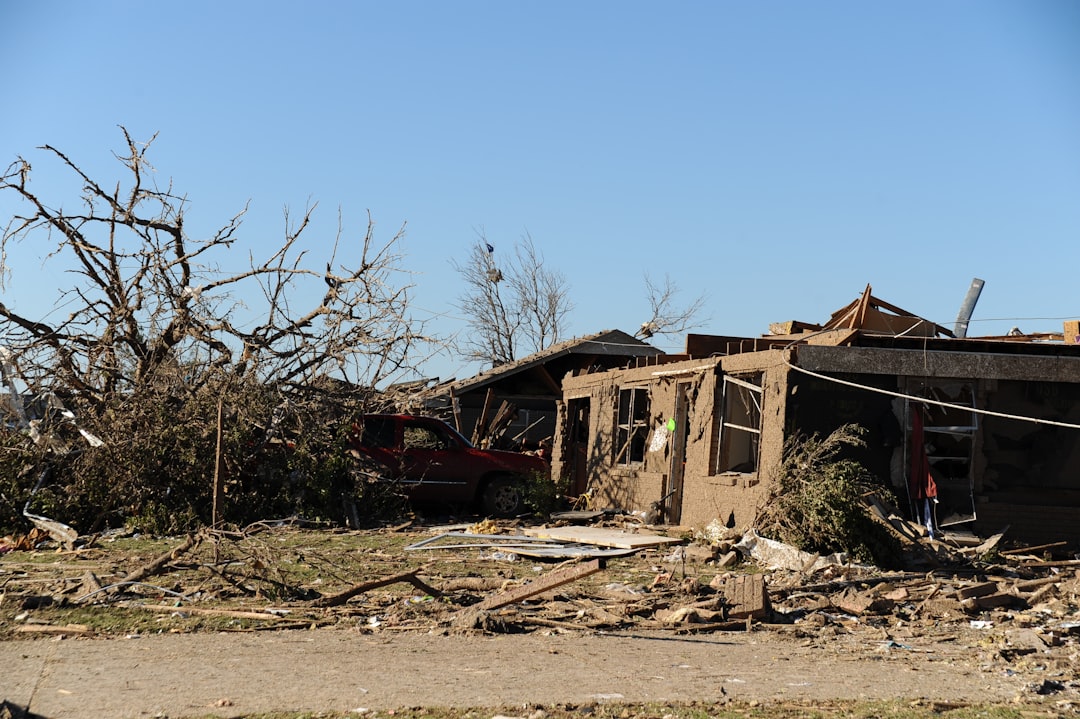
Hazard insurance is a specialized form of property insurance designed to protect homeowners from financial losses due to specific hazards that may damage their property. This type of insurance typically covers the physical structure of a home, including the roof, walls, and foundation, as well as any attached structures like garages or decks. It is essential for homeowners to understand that hazard insurance is not a standalone policy; rather, it is often included as part of a broader homeowners insurance package.
The primary purpose of hazard insurance is to provide financial protection against risks such as fire, theft, vandalism, and certain natural disasters. Homeowners are generally required to carry this type of insurance, especially if they have a mortgage, as lenders want to ensure their investment is protected. The coverage amount is usually determined by the replacement cost of the home, which is the amount needed to rebuild the property in the event of a total loss.
Key Takeaways
- Hazard insurance is a type of insurance that protects a homeowner against damage caused by natural disasters and other hazards.
- Hazard insurance is important because it provides financial protection for your home and belongings in the event of a disaster.
- Hazard insurance typically covers damage from hazards such as fire, lightning, windstorms, and hail, but may not cover floods or earthquakes.
- Hazard insurance protects your home by providing coverage for repairs or rebuilding in the event of damage from covered hazards.
- Factors that affect hazard insurance premiums include the location of your home, the age and condition of the home, and the coverage limits you choose.
The Importance of Hazard Insurance
The significance of hazard insurance cannot be overstated, as it serves as a financial safety net for homeowners. In the unfortunate event of a disaster, having adequate hazard insurance can mean the difference between recovery and financial ruin. For instance, if a fire were to destroy a home, hazard insurance would cover the costs associated with rebuilding or repairing the structure, allowing homeowners to focus on recovery rather than financial strain.
Moreover, hazard insurance provides peace of mind. Knowing that your home is protected against unforeseen events allows homeowners to live without the constant worry of potential financial loss. This sense of security is particularly crucial for families who have invested their life savings into their homes.
Additionally, many lenders require proof of hazard insurance before approving a mortgage, making it an essential component of homeownership.
Understanding the Coverage of Hazard Insurance
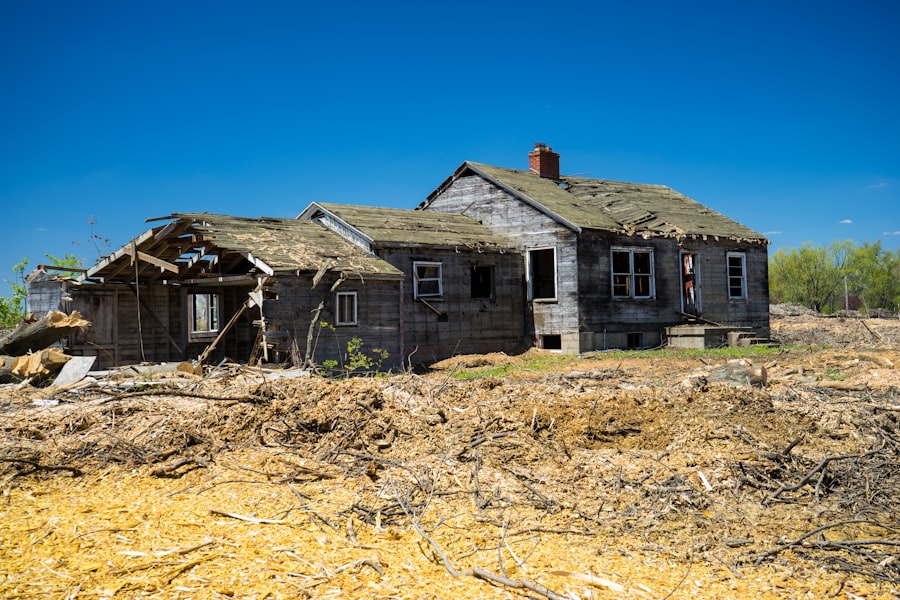
Hazard insurance typically covers a range of perils that can cause damage to a home. The specifics of coverage can vary significantly between policies, but most standard hazard insurance policies include protection against fire, windstorm, hail, explosion, and vandalism. It is crucial for homeowners to read their policy documents carefully to understand what is included and excluded from coverage.
In addition to structural coverage, hazard insurance may also extend to personal property within the home. This can include furniture, electronics, and other belongings that may be damaged or destroyed in a covered event. However, it is important to note that certain high-value items may require additional coverage or endorsements to ensure they are fully protected.
How Hazard Insurance Protects Your Home
| Protection | Explanation |
|---|---|
| Property Damage | Hazard insurance covers damage to your home caused by fire, lightning, wind, hail, and other natural disasters. |
| Liability Protection | If someone is injured on your property, hazard insurance can help cover legal and medical expenses. |
| Additional Living Expenses | If your home becomes uninhabitable due to a covered event, hazard insurance can help pay for temporary living expenses. |
| Personal Property | Hazard insurance can also cover damage or loss of personal belongings within your home. |
Hazard insurance plays a vital role in safeguarding your home from various risks. When a covered peril occurs, such as a fire or severe storm, the policy provides financial compensation for repairs or rebuilding efforts. This coverage ensures that homeowners can restore their property without incurring overwhelming out-of-pocket expenses.
Furthermore, hazard insurance can also cover additional living expenses if a home becomes uninhabitable due to damage from a covered event. This means that if homeowners need to temporarily relocate while repairs are made, their policy may cover costs such as hotel stays and meals. This aspect of hazard insurance is crucial for maintaining stability during challenging times.
Types of Hazards Covered by Hazard Insurance
The types of hazards covered by hazard insurance can vary based on the specific policy and provider. However, most standard policies typically cover the following perils: 1. **Fire**: One of the most common hazards, fire can cause extensive damage to homes and belongings.
2.
**Windstorm**: Damage from high winds, including hurricanes and tornadoes, is often included in coverage.
3. **Hail**: Severe hailstorms can lead to significant damage to roofs and siding.
4. **Explosion**: Damage resulting from explosions due to gas leaks or other causes is generally covered.
5.
**Vandalism**: Acts of vandalism that result in property damage are typically included in hazard insurance policies. It is essential for homeowners to review their policies carefully and consider additional coverage options for hazards not typically included, such as earthquakes or floods.
Factors that Affect Hazard Insurance Premiums
Several factors influence the cost of hazard insurance premiums. Understanding these factors can help homeowners make informed decisions when selecting a policy: 1. **Location**: Homes situated in areas prone to natural disasters or high crime rates may face higher premiums.
2.
**Home Value**: The overall value and replacement cost of the home directly impact premium rates.
3. **Deductible Amount**: Higher deductibles often result in lower premiums; however, this means homeowners will pay more out-of-pocket in the event of a claim.
4. **Claims History**: A history of frequent claims can lead to increased premiums as insurers view these homes as higher risk.
5.
**Home Features**: Certain features such as security systems or fire-resistant materials can lower premiums by reducing risk.
How to Choose the Right Hazard Insurance Policy
Selecting the appropriate hazard insurance policy requires careful consideration of various factors. Homeowners should begin by assessing their specific needs and risks associated with their property. This includes evaluating the location and potential hazards unique to the area.
Next, it is advisable to compare multiple insurance providers and their offerings. Homeowners should request quotes from different companies and review the coverage limits, exclusions, and deductibles associated with each policy. Additionally, reading customer reviews and checking the insurer’s financial stability can provide insight into their reliability and claims handling process.
Finally, consulting with an insurance agent can be beneficial in navigating the complexities of hazard insurance policies. An experienced agent can help identify gaps in coverage and recommend tailored solutions based on individual circumstances.
Tips for Saving Money on Hazard Insurance
Homeowners looking to save on hazard insurance premiums can implement several strategies: 1. **Shop Around**: Comparing quotes from multiple insurers can help identify competitive rates.
2. **Increase Deductibles**: Opting for a higher deductible can lower monthly premiums; however, ensure that you can afford the deductible in case of a claim.
3.
**Bundle Policies**: Many insurers offer discounts for bundling multiple policies, such as auto and home insurance.
4. **Improve Home Security**: Installing security systems or smoke detectors can reduce risk and lead to lower premiums.
5. **Maintain Good Credit**: Insurers often consider credit scores when determining premiums; maintaining good credit can result in better rates.
The Process of Filing a Hazard Insurance Claim
Filing a hazard insurance claim involves several steps that homeowners should be aware of: 1. **Document Damage**: After an incident occurs, it is crucial to document all damage thoroughly with photographs and written descriptions.
2. **Notify Your Insurer**: Contact your insurance company as soon as possible to report the incident and initiate the claims process.
3.
**Complete Claim Forms**: Fill out any required claim forms provided by your insurer accurately and promptly.
4. **Meet with an Adjuster**: An insurance adjuster will likely visit your property to assess the damage and determine the claim’s validity.
5. **Receive Compensation**: Once your claim is approved, you will receive compensation based on your policy’s terms.
Common Misconceptions about Hazard Insurance
There are several misconceptions surrounding hazard insurance that can lead to confusion among homeowners: 1. **Hazard Insurance Covers Everything**: Many believe that hazard insurance covers all types of damage; however, it typically excludes certain perils like floods or earthquakes unless additional coverage is purchased.
2. **All Policies Are the Same**: Not all hazard insurance policies offer identical coverage; differences in exclusions and limits can significantly impact protection levels.
3.
**Homeowners Insurance Includes Hazard Insurance**: While hazard insurance is often part of homeowners insurance, it is essential to understand that homeowners insurance encompasses additional liability coverage not found in standalone hazard policies.
The Difference between Hazard Insurance and Homeowners Insurance
While hazard insurance is often discussed in conjunction with homeowners insurance, there are key differences between the two: – **Scope of Coverage**: Homeowners insurance provides broader protection that includes liability coverage for injuries occurring on your property, while hazard insurance focuses primarily on physical damage to the home itself.
– **Policy Structure**: Hazard insurance is typically included within homeowners policies but can also be purchased separately in some cases.
– **Additional Protections**: Homeowners insurance often includes additional protections such as personal property coverage and loss-of-use benefits that are not part of standard hazard policies. In summary, hazard insurance serves as an essential component of homeownership by providing financial protection against various risks that could damage your property. Understanding its importance, coverage specifics, and how it differs from homeowners insurance can empower homeowners to make informed decisions regarding their policies.
By taking proactive steps such as comparing quotes and improving home security measures, individuals can save money while ensuring their homes remain adequately protected against unforeseen hazards.
If you are looking for information on hazard insurance, you may also be interested in learning about the most popular series to binge on Amazon Prime Video. Check out this article to discover some great shows to watch while ensuring your property is protected with hazard insurance.
FAQs
What is hazard insurance?
Hazard insurance is a type of insurance that provides protection against damage caused by specific hazards, such as fire, wind, hail, and other natural disasters. It is typically required by mortgage lenders to protect their investment in the property.
What does hazard insurance cover?
Hazard insurance typically covers damage to the structure of the property, including the home and other structures on the property, caused by specific hazards outlined in the policy. It may also cover personal belongings inside the home.
What hazards are typically covered by hazard insurance?
Hazard insurance typically covers hazards such as fire, wind, hail, lightning, and other natural disasters. It may also cover damage caused by vandalism and theft.
Is hazard insurance the same as homeowners insurance?
Hazard insurance is often used interchangeably with homeowners insurance, but they are not exactly the same. Hazard insurance specifically covers damage caused by specific hazards, while homeowners insurance typically includes hazard insurance as well as liability coverage and additional protections.
How is hazard insurance different from flood insurance?
Hazard insurance covers damage caused by specific hazards such as fire, wind, and hail, while flood insurance specifically covers damage caused by flooding. In some cases, homeowners may need to purchase both hazard insurance and flood insurance to fully protect their property.