Now Reading: The Link Between High Blood Pressure and Heart Failure
-
01
The Link Between High Blood Pressure and Heart Failure
The Link Between High Blood Pressure and Heart Failure

High blood pressure, clinically known as hypertension, is a chronic medical condition characterized by elevated pressure in the arteries. This condition is often asymptomatic, leading many individuals to remain unaware of their elevated blood pressure levels until significant damage has occurred. Blood pressure is measured in millimeters of mercury (mmHg) and is expressed with two numbers: systolic pressure (the pressure in arteries when the heart beats) over diastolic pressure (the pressure in arteries when the heart rests between beats).
A normal reading is typically around 120/80 mmHg, while hypertension is diagnosed when readings consistently exceed 130/80 mmHg. Heart failure, on the other hand, is a complex clinical syndrome that arises when the heart is unable to pump sufficient blood to meet the body’s needs. This condition can result from various underlying issues, including coronary artery disease, hypertension, and previous heart attacks.
Heart failure can manifest in two primary forms: systolic heart failure, where the heart’s ability to contract is impaired, and diastolic heart failure, where the heart’s ability to relax and fill with blood is compromised. The interplay between high blood pressure and heart failure is critical, as uncontrolled hypertension can lead to structural and functional changes in the heart.
Key Takeaways
- High blood pressure is a major risk factor for heart failure, a condition where the heart is unable to pump enough blood to meet the body’s needs.
- High blood pressure can lead to heart failure by causing the heart to work harder, leading to thickened and stiffened heart muscles.
- Hypertension plays a significant role in the development of heart failure, as it can lead to damage of the heart’s blood vessels and reduce the heart’s ability to pump effectively.
- Complications of high blood pressure, such as heart attack and stroke, can ultimately lead to heart failure if left unmanaged.
- Managing high blood pressure through lifestyle changes, medication, and regular monitoring is crucial in preventing heart failure and protecting heart health.
The Impact of High Blood Pressure on the Heart
The cardiovascular system is intricately designed to maintain optimal blood flow throughout the body. However, when blood pressure remains elevated over time, it exerts excessive force against the arterial walls. This chronic strain can lead to hypertrophy of the left ventricle, where the heart muscle thickens in response to increased workload.
This adaptation may initially help the heart cope with higher pressures; however, it ultimately leads to decreased efficiency and can precipitate heart failure. Moreover, high blood pressure can cause damage to the endothelial lining of blood vessels, promoting atherosclerosis—a condition characterized by plaque buildup that narrows arteries and restricts blood flow. This process not only increases the risk of coronary artery disease but also contributes to ischemic heart disease, where reduced blood supply leads to myocardial infarction (heart attack).
The cumulative effects of hypertension on cardiac structure and function underscore its role as a significant risk factor for heart failure.
How High Blood Pressure Contributes to Heart Failure
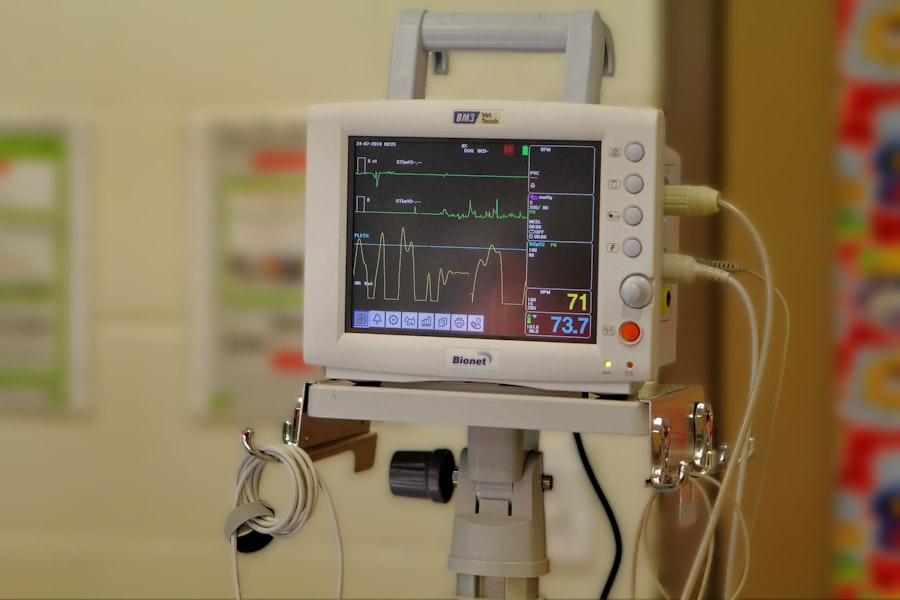
The relationship between high blood pressure and heart failure is multifaceted. Chronic hypertension leads to a series of pathological changes within the cardiovascular system. As the left ventricle thickens due to increased workload, it may eventually become stiff, impairing its ability to relax and fill adequately during diastole.
This diastolic dysfunction is a common precursor to heart failure with preserved ejection fraction (HFpEF), a condition that disproportionately affects older adults. Additionally, sustained high blood pressure can lead to increased afterload—the resistance the heart must overcome to eject blood during systole. Over time, this increased workload can result in systolic dysfunction, where the heart’s pumping ability diminishes. The transition from compensated hypertrophy to decompensated heart failure can occur insidiously, often presenting with symptoms such as fatigue, shortness of breath, and fluid retention.
The Role of Hypertension in the Development of Heart Failure
| Study | Findings |
|---|---|
| ARIC Study | Hypertension is a major risk factor for heart failure, with a population attributable risk of 39% in men and 59% in women. |
| Framingham Heart Study | Hypertension increases the risk of heart failure by 2-fold in men and 3-fold in women. |
| PREVEND Study | Each 20 mmHg increase in systolic blood pressure doubles the risk of heart failure. |
Hypertension serves as a catalyst for various pathological processes that culminate in heart failure. The renin-angiotensin-aldosterone system (RAAS) plays a pivotal role in regulating blood pressure and fluid balance. In individuals with hypertension, this system may become dysregulated, leading to increased sodium retention and further elevation of blood pressure.
The resultant volume overload places additional strain on the heart, exacerbating hypertrophy and promoting heart failure. Moreover, chronic inflammation and oxidative stress associated with hypertension contribute to myocardial remodeling. These processes can lead to fibrosis—an accumulation of scar tissue within the heart muscle—which impairs contractility and electrical conduction.
As a result, patients may experience arrhythmias and other complications that further compromise cardiac function.
Complications of High Blood Pressure Leading to Heart Failure
The complications arising from uncontrolled high blood pressure are numerous and can significantly impact overall health. One of the most concerning outcomes is left ventricular hypertrophy (LVH), which increases the risk of arrhythmias and sudden cardiac death. Additionally, hypertension can lead to coronary artery disease, which may result in myocardial ischemia or infarction—conditions that directly contribute to heart failure.
Other complications include kidney damage due to nephrosclerosis, where high blood pressure causes narrowing of renal arteries, leading to chronic kidney disease (CKD). The interplay between CKD and heart failure is particularly concerning; patients with both conditions often experience a vicious cycle of worsening cardiovascular health. Furthermore, hypertensive crises can precipitate acute heart failure episodes, necessitating immediate medical intervention.
Managing High Blood Pressure to Prevent Heart Failure

Effective management of high blood pressure is crucial in preventing the onset of heart failure. Regular monitoring of blood pressure levels allows for timely intervention and adjustment of treatment strategies. Lifestyle modifications play a foundational role in managing hypertension; these include dietary changes such as adopting a low-sodium diet rich in fruits, vegetables, whole grains, and lean proteins.
Pharmacological interventions are also essential for controlling high blood pressure. First-line medications include thiazide diuretics, ACE inhibitors, angiotensin II receptor blockers (ARBs), and calcium channel blockers. Each class of medication works through different mechanisms to lower blood pressure and reduce cardiovascular risk.
For instance, ACE inhibitors not only lower blood pressure but also provide renal protection and improve outcomes in patients with existing heart failure.
Treatment Options for High Blood Pressure and Heart Failure
The treatment landscape for high blood pressure and heart failure has evolved significantly over recent years. In patients diagnosed with both conditions, a comprehensive approach is necessary.
In cases where patients exhibit resistant hypertension or have specific comorbidities such as diabetes or chronic kidney disease, additional agents like aldosterone antagonists may be beneficial. These medications help mitigate fluid retention and improve outcomes in patients with heart failure with reduced ejection fraction (HFrEF). Furthermore, newer agents such as sacubitril/valsartan have emerged as effective treatments for HFrEF by enhancing natriuretic peptide levels while inhibiting RAAS.
Lifestyle Changes to Lower High Blood Pressure and Reduce Heart Failure Risk
Incorporating lifestyle changes is paramount for individuals seeking to lower their blood pressure and mitigate their risk of developing heart failure. Regular physical activity—aiming for at least 150 minutes of moderate-intensity exercise per week—can significantly improve cardiovascular health by enhancing endothelial function and reducing arterial stiffness. Dietary modifications are equally important; adhering to the DASH (Dietary Approaches to Stop Hypertension) diet has been shown to effectively lower blood pressure levels.
This diet emphasizes whole foods while minimizing processed foods high in sodium and unhealthy fats. Additionally, maintaining a healthy weight through caloric balance can further reduce hypertension risk. Stress management techniques such as mindfulness meditation or yoga can also play a role in lowering blood pressure by promoting relaxation and reducing sympathetic nervous system activity.
Avoiding tobacco use and limiting alcohol consumption are critical components of a comprehensive lifestyle approach aimed at preserving cardiovascular health.
The Importance of Regular Monitoring for High Blood Pressure and Heart Failure
Regular monitoring of blood pressure is essential for early detection and management of hypertension. Home blood pressure monitoring devices allow individuals to track their readings consistently, providing valuable data for healthcare providers to adjust treatment plans accordingly. Routine check-ups with healthcare professionals enable timely identification of any changes in cardiovascular health.
In addition to monitoring blood pressure levels, assessing other cardiovascular risk factors—such as cholesterol levels, body mass index (BMI), and glucose levels—is crucial for comprehensive cardiovascular care. Patients with existing hypertension should undergo periodic echocardiograms or other imaging studies to evaluate cardiac structure and function over time.
Research and Advances in Understanding the Link Between High Blood Pressure and Heart Failure
Ongoing research continues to shed light on the intricate relationship between high blood pressure and heart failure. Recent studies have focused on identifying genetic predispositions that may contribute to hypertension-related cardiac dysfunction. Advances in imaging technology have also improved our understanding of myocardial remodeling processes associated with chronic hypertension.
Furthermore, clinical trials investigating novel pharmacological agents aim to provide more effective treatment options for patients with both conditions.
Taking Control of High Blood Pressure to Protect Heart Health
In conclusion, high blood pressure represents a significant public health challenge that poses a substantial risk for developing heart failure. Understanding the mechanisms by which hypertension impacts cardiac function is essential for effective prevention and management strategies. By adopting lifestyle modifications, adhering to prescribed treatment regimens, and engaging in regular monitoring practices, individuals can take proactive steps toward controlling their blood pressure.
The interplay between high blood pressure and heart failure underscores the importance of comprehensive cardiovascular care that addresses both conditions simultaneously. As research continues to advance our understanding of these interrelated issues, it becomes increasingly clear that taking control of high blood pressure is vital for protecting overall heart health and enhancing quality of life.
High blood pressure and heart failure are serious health conditions that can have a significant impact on one’s overall well-being. According to a recent article on Boogger, understanding the importance of managing high blood pressure is crucial in preventing heart failure. The article highlights the importance of regular check-ups, lifestyle changes, and medication adherence in controlling blood pressure levels and reducing the risk of heart failure. It serves as a reminder of the importance of taking proactive steps to protect our heart health.
FAQs
What is high blood pressure?
High blood pressure, also known as hypertension, is a condition where the force of blood against the walls of the arteries is consistently too high. This can lead to serious health problems such as heart disease, stroke, and kidney disease.
What is heart failure?
Heart failure is a condition where the heart is unable to pump enough blood to meet the body’s needs. This can lead to symptoms such as shortness of breath, fatigue, and swelling in the legs and abdomen.
How are high blood pressure and heart failure related?
High blood pressure is a major risk factor for heart failure. Over time, the increased pressure on the arteries can cause the heart to work harder, leading to heart muscle damage and eventually heart failure.
What are the symptoms of high blood pressure?
High blood pressure is often called the “silent killer” because it typically has no symptoms. However, in some cases, people with high blood pressure may experience headaches, shortness of breath, or nosebleeds.
What are the symptoms of heart failure?
Symptoms of heart failure can include shortness of breath, fatigue, swelling in the legs and abdomen, rapid or irregular heartbeat, and persistent coughing or wheezing.
How can high blood pressure be managed to prevent heart failure?
Managing high blood pressure is crucial in preventing heart failure. This can be done through lifestyle changes such as maintaining a healthy diet, exercising regularly, limiting alcohol intake, and managing stress. In some cases, medication may also be necessary.
What are the treatment options for heart failure?
Treatment for heart failure may include medications to help the heart pump more effectively, lifestyle changes, such as a low-sodium diet and regular exercise, and in some cases, surgical procedures or devices to help the heart function better.