Now Reading: Improving Heart Health with South Bay Cardiovascular
-
01
Improving Heart Health with South Bay Cardiovascular
Improving Heart Health with South Bay Cardiovascular

Heart health is a critical aspect of overall well-being, as the cardiovascular system plays a vital role in sustaining life. The heart, a muscular organ, pumps blood throughout the body, delivering oxygen and nutrients to tissues while removing waste products. Cardiovascular diseases (CVDs) remain the leading cause of mortality globally, accounting for approximately 31% of all deaths according to the World Health Organization.
This staggering statistic underscores the necessity of prioritizing heart health through preventive measures and lifestyle modifications. Maintaining optimal heart health is essential not only for longevity but also for enhancing quality of life. A healthy cardiovascular system supports physical activity, cognitive function, and emotional well-being.
Factors such as diet, exercise, stress management, and regular medical check-ups significantly influence heart health. By understanding these components, individuals can take proactive steps to mitigate risks associated with heart disease and improve their overall health outcomes.
Key Takeaways
- Understanding the importance of heart health is crucial for overall well-being and longevity.
- South Bay Cardiovascular is a leader in heart health care, providing advanced treatment options and patient education and support.
- Nutrition plays a key role in heart health, and a balanced diet can help prevent heart disease.
- Regular exercise and physical activity are essential for maintaining a healthy heart and preventing cardiovascular conditions.
- Stress can have a significant impact on heart health, and managing stress is important for overall cardiovascular well-being.
South Bay Cardiovascular: A Leader in Heart Health Care
South Bay Cardiovascular stands at the forefront of cardiovascular care, providing comprehensive services tailored to meet the diverse needs of patients. With a team of highly skilled cardiologists and healthcare professionals, the facility is dedicated to delivering state-of-the-art diagnostic and therapeutic interventions. Their commitment to excellence is reflected in their use of advanced technology and evidence-based practices, ensuring that patients receive the highest standard of care.
The center offers a wide range of services, including preventive cardiology, interventional procedures, and cardiac rehabilitation. South Bay Cardiovascular emphasizes a patient-centered approach, fostering an environment where individuals feel empowered to participate in their health journey. By prioritizing education and support, the facility aims to equip patients with the knowledge necessary to make informed decisions regarding their heart health.
The Role of Nutrition in Heart Health
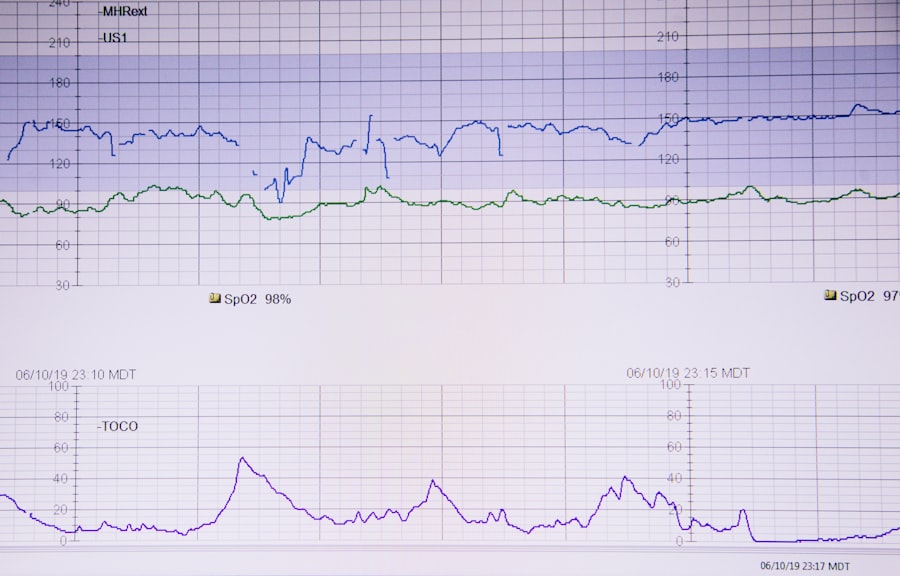
Nutrition plays a pivotal role in maintaining cardiovascular health. A balanced diet rich in fruits, vegetables, whole grains, lean proteins, and healthy fats can significantly reduce the risk of developing heart disease. Key nutrients such as omega-3 fatty acids, fiber, antioxidants, and vitamins are essential for optimal heart function.
For instance, omega-3 fatty acids found in fatty fish like salmon have been shown to lower triglyceride levels and reduce inflammation. Conversely, diets high in saturated fats, trans fats, sodium, and added sugars can contribute to the development of atherosclerosis—a condition characterized by the buildup of plaque in the arteries. This can lead to hypertension, heart attacks, and strokes.
To promote heart health, individuals should focus on incorporating nutrient-dense foods while minimizing processed and high-calorie options. Meal planning and mindful eating can be effective strategies for achieving a heart-healthy diet.
Exercise and Physical Activity for a Healthy Heart
| Exercise Type | Frequency | Duration | Intensity |
|---|---|---|---|
| Aerobic Exercise | 5 times per week | 30 minutes | Moderate to vigorous |
| Strength Training | 2-3 times per week | 20-30 minutes | High intensity |
| Flexibility Exercises | 2-3 times per week | 10-15 minutes | Gentle stretching |
Regular physical activity is crucial for maintaining cardiovascular health. Engaging in aerobic exercises such as walking, running, cycling, or swimming can strengthen the heart muscle, improve circulation, and enhance overall fitness levels. The American Heart Association recommends at least 150 minutes of moderate-intensity aerobic activity or 75 minutes of vigorous-intensity activity each week for adults.
Activities such as weight lifting or resistance training should be performed at least twice a week. Furthermore, flexibility exercises like yoga or stretching can help reduce stress and improve overall well-being.
Establishing a consistent exercise regimen not only aids in weight management but also lowers blood pressure and cholesterol levels.
The Impact of Stress on Heart Health
Chronic stress has been identified as a significant risk factor for cardiovascular disease. When individuals experience stress, the body releases hormones such as cortisol and adrenaline that can lead to increased heart rate and blood pressure. Over time, these physiological responses can contribute to the development of heart disease by promoting inflammation and damaging blood vessels.
Effective stress management techniques are essential for maintaining heart health. Practices such as mindfulness meditation, deep breathing exercises, and progressive muscle relaxation can help mitigate stress levels. Additionally, engaging in hobbies or spending time with loved ones can provide emotional support and enhance resilience against stressors.
By adopting healthy coping mechanisms, individuals can protect their cardiovascular system from the detrimental effects of chronic stress.
South Bay Cardiovascular’s Approach to Preventing Heart Disease
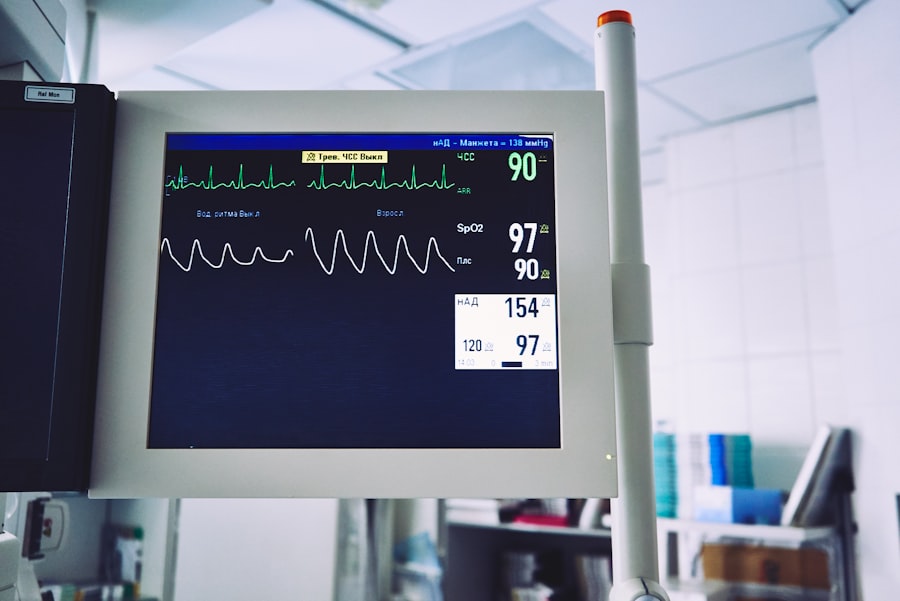
At South Bay Cardiovascular, prevention is a cornerstone of their approach to heart health. The facility emphasizes the importance of regular screenings and assessments to identify risk factors early on. Comprehensive evaluations may include blood pressure monitoring, cholesterol testing, and lifestyle assessments to develop personalized prevention strategies.
The team at South Bay Cardiovascular collaborates with patients to create tailored action plans that address individual risk factors such as obesity, smoking cessation, and diabetes management. Educational programs are also offered to empower patients with knowledge about heart disease prevention. By fostering a proactive mindset towards cardiovascular health, South Bay Cardiovascular aims to reduce the incidence of heart disease within the community.
Managing High Blood Pressure and Cholesterol Levels
Hypertension and dyslipidemia are two prevalent conditions that significantly increase the risk of cardiovascular events. Effective management of these conditions is crucial for maintaining heart health. Lifestyle modifications such as dietary changes, regular exercise, and weight management play a vital role in controlling blood pressure and cholesterol levels.
In some cases, pharmacological interventions may be necessary to achieve optimal control. Antihypertensive medications such as ACE inhibitors, beta-blockers, or diuretics may be prescribed based on individual patient profiles. Similarly, statins or other lipid-lowering agents may be utilized to manage elevated cholesterol levels effectively.
Regular follow-up appointments at South Bay Cardiovascular ensure that patients receive ongoing support and adjustments to their treatment plans as needed.
South Bay Cardiovascular’s Advanced Treatment Options for Heart Conditions
South Bay Cardiovascular offers an array of advanced treatment options for various heart conditions. Interventional cardiology procedures such as angioplasty and stenting are performed to restore blood flow in blocked arteries. These minimally invasive techniques allow for quicker recovery times compared to traditional surgical methods.
For patients with more complex conditions such as arrhythmias or heart failure, advanced therapies including catheter ablation or implantable devices like pacemakers may be recommended. The facility also provides access to cutting-edge technologies such as echocardiography and cardiac MRI for accurate diagnosis and monitoring of heart conditions. By leveraging innovative treatment modalities, South Bay Cardiovascular aims to improve patient outcomes and enhance quality of life.
The Importance of Regular Heart Health Check-ups
Regular check-ups are essential for maintaining cardiovascular health and preventing potential complications. Routine evaluations allow healthcare providers to monitor risk factors such as blood pressure, cholesterol levels, and overall heart function. Early detection of abnormalities can lead to timely interventions that significantly reduce the risk of serious cardiovascular events.
Patients are encouraged to schedule annual check-ups or more frequent visits based on their individual risk profiles. During these appointments, healthcare providers can assess lifestyle habits, discuss any concerns, and adjust treatment plans accordingly. By prioritizing regular check-ups at South Bay Cardiovascular, individuals can take proactive steps towards safeguarding their heart health.
South Bay Cardiovascular’s Commitment to Patient Education and Support
Patient education is a fundamental aspect of care at South Bay Cardiovascular. The facility recognizes that informed patients are better equipped to manage their health effectively. Educational resources are provided through workshops, informational brochures, and one-on-one consultations with healthcare professionals.
Support groups are also available for patients dealing with specific cardiovascular conditions or those seeking lifestyle changes. These groups foster a sense of community and provide valuable insights from peers who share similar experiences. By promoting education and support networks, South Bay Cardiovascular empowers patients to take control of their heart health journey.
Taking Control of Your Heart Health with South Bay Cardiovascular
Taking control of one’s heart health involves a multifaceted approach that encompasses lifestyle modifications, regular medical care, and ongoing education. South Bay Cardiovascular serves as a trusted partner in this journey by providing comprehensive services tailored to individual needs. From preventive screenings to advanced treatment options, the facility is dedicated to supporting patients every step of the way.
By prioritizing heart health through nutrition, exercise, stress management, and regular check-ups, individuals can significantly reduce their risk of cardiovascular disease. With the guidance of healthcare professionals at South Bay Cardiovascular, patients can develop personalized strategies that promote long-term heart health and enhance overall well-being. In summary, understanding the importance of heart health is crucial for preventing cardiovascular diseases that affect millions worldwide.
South Bay Cardiovascular exemplifies excellence in cardiac care through its comprehensive services focused on prevention, advanced treatment options, patient education, and support systems designed to empower individuals in managing their heart health effectively. ### FAQ Section 1. **What are common risk factors for heart disease?**
– Common risk factors include high blood pressure, high cholesterol levels, smoking, obesity, diabetes, sedentary lifestyle, excessive alcohol consumption, and family history of heart disease.
2. **How often should I have my heart checked?**
– It is recommended that adults have their heart health evaluated annually or more frequently if they have existing risk factors or a family history of cardiovascular disease.
**What dietary changes can I make for better heart health?**
– Focus on consuming fruits, vegetables, whole grains, lean proteins (such as fish), nuts, seeds, and healthy fats (like olive oil). Limit saturated fats, trans fats, sodium intake, and added sugars. 4.
**What types of exercise are best for heart health?**
– Aerobic exercises (walking, running, cycling) combined with strength training (weight lifting) are ideal for improving cardiovascular fitness. 5. **How does stress affect my heart?**
– Chronic stress can lead to increased blood pressure and heart rate while promoting unhealthy behaviors like overeating or smoking—factors that contribute to cardiovascular disease.
6. **What treatments are available for high blood pressure?**
– Treatment options include lifestyle modifications (dietary changes and exercise) along with medications such as ACE inhibitors or beta-blockers prescribed by healthcare providers. 7.
**What should I expect during a cardiac evaluation?**
– A cardiac evaluation typically includes a physical examination, medical history review, blood tests (cholesterol levels), blood pressure measurement, and possibly imaging tests like echocardiograms. 8. **Are there support groups available for patients with heart conditions?**
– Yes!
South Bay Cardiovascular offers support groups where patients can connect with others facing similar challenges while sharing experiences and coping strategies. 9. **How can I manage my cholesterol levels effectively?**
– Managing cholesterol involves dietary changes (reducing saturated fats), regular physical activity, maintaining a healthy weight, avoiding tobacco smoke, and possibly taking prescribed medications like statins.
10. **What role does genetics play in heart disease?**
– Genetics can influence an individual’s susceptibility to heart disease; however, lifestyle factors play a significant role in mitigating these risks through healthy habits. By addressing these frequently asked questions comprehensively while emphasizing prevention strategies and treatment options available at South Bay Cardiovascular, individuals can take informed steps toward achieving optimal heart health.
If you are interested in learning more about making informed decisions regarding investments, you may want to check out this article on Amazon stock price and how to make informed decisions. Understanding the stock market can be crucial for financial planning, just as maintaining good cardiovascular health is essential for overall well-being. South Bay Cardiovascular focuses on providing top-notch care for heart health, and staying informed about financial decisions can also contribute to a healthy and secure future.
FAQs
What is South Bay Cardiovascular?
South Bay Cardiovascular is a medical practice that specializes in the diagnosis and treatment of cardiovascular diseases and conditions. They provide comprehensive care for patients with heart and vascular issues.
What services does South Bay Cardiovascular offer?
South Bay Cardiovascular offers a wide range of services including cardiac consultations, diagnostic testing, interventional cardiology procedures, electrophysiology services, and cardiac rehabilitation.
Who are the healthcare professionals at South Bay Cardiovascular?
The healthcare professionals at South Bay Cardiovascular include board-certified cardiologists, interventional cardiologists, electrophysiologists, and other specialized medical staff with expertise in cardiovascular care.
What conditions does South Bay Cardiovascular treat?
South Bay Cardiovascular treats a variety of cardiovascular conditions including coronary artery disease, heart failure, arrhythmias, peripheral artery disease, and valvular heart disease, among others.
How can I make an appointment at South Bay Cardiovascular?
To make an appointment at South Bay Cardiovascular, you can contact their office directly by phone or through their website. They accept new patients and offer convenient appointment scheduling options.