Now Reading: Protect Your Precious: The Importance of Jewelry Insurance
-
01
Protect Your Precious: The Importance of Jewelry Insurance
Protect Your Precious: The Importance of Jewelry Insurance
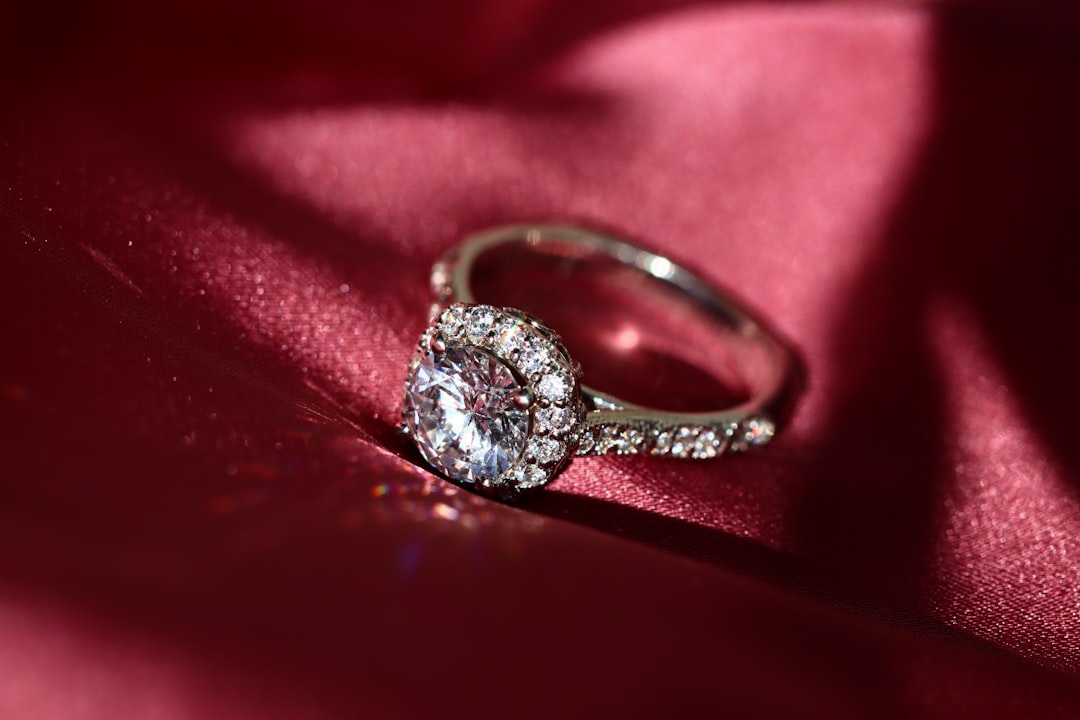
Jewelry often transcends mere adornment; it embodies personal history, emotional significance, and financial investment. The intrinsic value of jewelry can be categorized into two primary dimensions: sentimental and monetary. Sentimental value is derived from personal connections, such as heirlooms passed down through generations or gifts from loved ones.
Conversely, monetary value is determined by factors such as the quality of materials, craftsmanship, and market demand. Understanding these dimensions is crucial for any jewelry owner, as it informs decisions regarding protection and insurance. The market for fine jewelry is vast and varied, encompassing everything from costume pieces to high-end designer items.
According to the Global Jewelry Market Report, the industry is projected to reach approximately $480 billion by 2025, reflecting a growing appreciation for both luxury and artisanal craftsmanship. This surge in value underscores the importance of recognizing the worth of your jewelry, not only for personal enjoyment but also for financial security.
Key Takeaways
- Understanding the value of your jewelry is important for determining the right insurance coverage.
- Risks and threats to your jewelry include theft, loss, damage, and depreciation over time.
- Jewelry insurance provides benefits such as coverage for repair, replacement, and even loss of stones.
- Types of jewelry insurance coverage include scheduled, unscheduled, and standalone policies.
- Choosing the right jewelry insurance policy involves considering the value of your jewelry, coverage limits, and deductibles.
Risks and Threats to Your Jewelry
Jewelry is susceptible to a myriad of risks that can lead to loss or damage. Common threats include theft, accidental loss, and environmental factors such as fire or water damage. According to the FBI’s Uniform Crime Reporting Program, jewelry theft accounts for a significant percentage of property crimes, with an estimated $1 billion lost annually in the United States alone.
This alarming statistic highlights the vulnerability of even the most cherished pieces. In addition to theft, jewelry can suffer from wear and tear over time. Daily activities can lead to scratches, tarnishing, or even breakage.
Environmental factors such as humidity and extreme temperatures can also adversely affect certain materials, particularly organic gems like pearls or opals. Understanding these risks is essential for jewelry owners to take proactive measures in safeguarding their valuable possessions.
Benefits of Jewelry Insurance
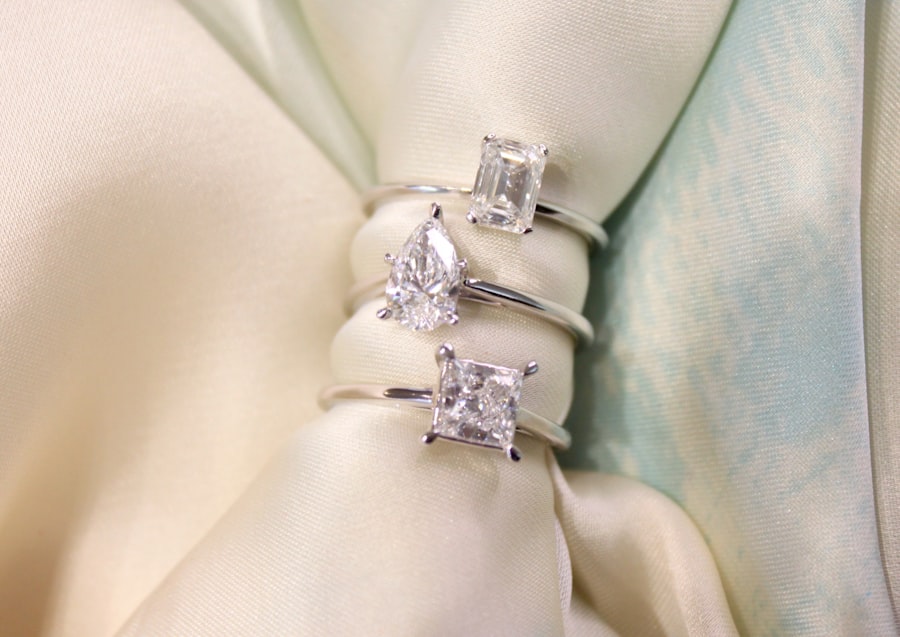
Investing in jewelry insurance offers numerous benefits that extend beyond mere financial protection. One of the primary advantages is peace of mind; knowing that your valuable items are covered against unforeseen events allows you to enjoy them without constant worry. Additionally, jewelry insurance can provide financial compensation that reflects the current market value of your items, ensuring that you can replace them in the event of loss or damage.
Moreover, many insurance policies offer additional services such as coverage for repairs and restoration. This means that if your jewelry sustains damage, you can have it professionally repaired without incurring significant out-of-pocket expenses. Furthermore, some insurers provide access to a network of jewelers and appraisers, facilitating a smoother claims process and ensuring that your items are handled by experts.
Types of Jewelry Insurance Coverage
| Types of Jewelry Insurance Coverage | Description |
|---|---|
| Standard Coverage | Provides protection against common risks such as theft and damage. |
| Valuable Items Endorsement | Adds extra coverage for high-value jewelry items. |
| Scheduled Personal Property Coverage | Allows you to specifically list and insure individual pieces of jewelry. |
| Mysterious Disappearance Coverage | Covers jewelry that goes missing under mysterious circumstances. |
When considering jewelry insurance, it is essential to understand the various types of coverage available. The most common options include actual cash value (ACV) coverage and replacement cost coverage. ACV coverage takes depreciation into account, meaning that if a piece is lost or damaged, you will receive compensation based on its current market value rather than its original purchase price.
This type of coverage may be more affordable but could result in lower payouts. On the other hand, replacement cost coverage provides compensation based on the cost to replace the item with a similar one at current market prices. This option typically offers more comprehensive protection but may come with higher premiums.
Additionally, some policies may include specific riders for unique items or collections, ensuring that high-value pieces receive tailored coverage.
How to Choose the Right Jewelry Insurance Policy
Selecting the appropriate jewelry insurance policy requires careful consideration of several factors. First and foremost, assess the total value of your jewelry collection. This includes not only high-value items but also sentimental pieces that may not have a high market value but are irreplaceable.
Once you have a comprehensive understanding of your collection’s worth, you can begin comparing policies. Next, evaluate the coverage options provided by different insurers.
Additionally, consider the insurer’s reputation and customer service record; reading reviews and seeking recommendations can provide valuable insights into their reliability and responsiveness during claims processing.
Steps to Insuring Your Jewelry
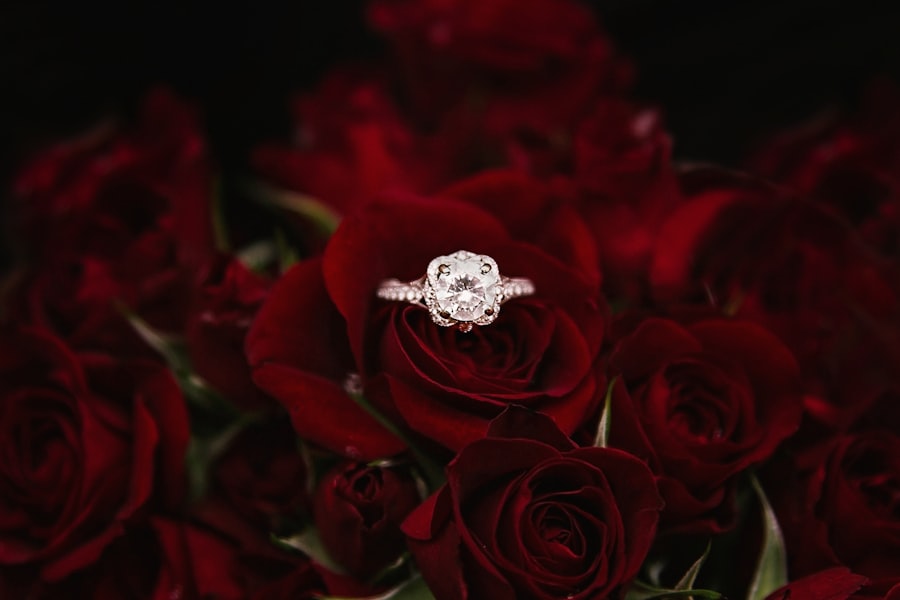
Insuring your jewelry involves several key steps to ensure comprehensive coverage. The first step is to conduct a thorough inventory of your collection. Document each piece with detailed descriptions, including materials, gemstones, and any distinguishing features.
High-quality photographs are also essential for visual documentation. Once you have compiled your inventory, seek a professional appraisal for high-value items. An appraiser will assess the current market value based on various factors such as quality, craftsmanship, and demand.
This appraisal will serve as a basis for determining coverage limits when purchasing insurance. After obtaining appraisals, research potential insurance providers and request quotes based on your inventory’s total value. Carefully review policy terms and conditions before making a decision.
Once you select a provider, complete the necessary paperwork and ensure that you keep copies of all documentation for future reference.
Documenting and Appraising Your Jewelry
Proper documentation and appraisal are critical components of insuring your jewelry effectively. Documentation should include detailed descriptions of each piece, including information about materials (e.g., gold karat weight), gemstones (e.g., carat weight and quality), and any unique characteristics (e.g., designer markings). High-resolution photographs should accompany this information to provide visual evidence of each item’s condition.
Professional appraisals are essential for establishing accurate values for insurance purposes. An accredited appraiser will evaluate your jewelry based on industry standards and current market trends. It is advisable to have appraisals conducted every few years to account for fluctuations in market value and ensure that your insurance coverage remains adequate.
What to Do in Case of Jewelry Loss or Damage
In the unfortunate event of jewelry loss or damage, prompt action is crucial for a successful claims process. First, report any theft to local law enforcement and obtain a copy of the police report; this documentation will be necessary when filing an insurance claim. If the loss occurred in a public place or during travel, notify relevant authorities or establishments as well.
Next, contact your insurance provider as soon as possible to initiate the claims process. Provide them with all necessary documentation, including your inventory list, photographs, and any police reports related to theft or loss. Be prepared to answer questions regarding the circumstances surrounding the incident.
Once your claim is submitted, maintain open communication with your insurer throughout the process. They may require additional information or documentation before approving your claim. If your claim is approved, follow their instructions regarding replacement or repair options.
Tips for Maintaining and Protecting Your Jewelry
Preventive measures can significantly reduce the risk of loss or damage to your jewelry collection. Regular maintenance is essential; clean your pieces according to manufacturer recommendations using appropriate cleaning solutions and tools. Store jewelry in a cool, dry place away from direct sunlight to prevent tarnishing or fading.
Additionally, consider wearing your jewelry with care; remove pieces before engaging in activities that could lead to damage, such as exercising or swimming. For high-value items, consider using a safe deposit box for storage when not in use. Investing in protective cases or pouches can also help safeguard against scratches and environmental damage.
Common Misconceptions about Jewelry Insurance
Several misconceptions surround jewelry insurance that can lead to misunderstandings among owners. One common myth is that homeowners’ insurance automatically covers jewelry; while some policies may offer limited coverage for personal property, they often do not provide adequate protection for high-value items like fine jewelry. Another misconception is that all insurance policies are created equal; in reality, coverage options vary significantly between providers.
It is essential to thoroughly review policy details and understand what is included or excluded before making a decision.
Finding the Best Jewelry Insurance Provider
Finding the right jewelry insurance provider involves thorough research and comparison shopping. Start by seeking recommendations from friends or family who have experience with jewelry insurance. Online reviews can also provide insights into customer satisfaction levels.
When evaluating potential providers, consider their financial stability and claims handling reputation; organizations like A.M. Best offer ratings that assess insurers’ financial health. Additionally, inquire about policy specifics such as coverage limits, deductibles, and any additional services offered.
In conclusion, insuring your jewelry is an essential step in protecting both its sentimental and monetary value. By understanding the risks involved and taking proactive measures such as proper documentation and appraisal, you can ensure that your cherished pieces are safeguarded against unforeseen events. With careful consideration of policy options and diligent research into providers, you can find an insurance solution that meets your needs effectively.
In summary:
– Jewelry holds both sentimental and monetary value.
– Risks include theft, accidental loss, and environmental damage.
– Insurance provides peace of mind and financial compensation.
– Coverage types include actual cash value and replacement cost.
– Choosing the right policy involves assessing value and comparing options.
– Documenting and appraising jewelry are critical steps.
– In case of loss or damage, prompt action is essential.
– Regular maintenance helps protect jewelry.
– Misconceptions about insurance can lead to inadequate coverage.
– Researching providers ensures you find the best fit for your needs.
If you are looking to protect your valuable jewelry collection, it is important to consider getting jewelry insurance. This type of insurance can provide coverage in case your jewelry is lost, stolen, or damaged. For more information on the benefits of jewelry insurance, check out this article on Martin Luther King Day: A Federal Holiday for Equality. This article discusses the importance of equality and fairness, which can also be applied to ensuring that your jewelry is properly protected.
FAQs
What is jewelry insurance?
Jewelry insurance is a type of insurance policy that provides coverage for the loss, theft, or damage of valuable jewelry items. This can include coverage for engagement rings, wedding bands, necklaces, bracelets, and other valuable pieces.
What does jewelry insurance typically cover?
Jewelry insurance typically covers the loss, theft, or damage of valuable jewelry items. This can include coverage for accidental damage, mysterious disappearance, and even coverage for stones falling out of settings.
How does jewelry insurance work?
To obtain jewelry insurance, you will need to have your jewelry appraised by a professional and then purchase a policy from an insurance provider. In the event of a loss, theft, or damage, you would file a claim with your insurance provider and provide documentation such as a police report or appraisal to support your claim.
Is jewelry insurance worth it?
Whether jewelry insurance is worth it depends on the value and sentimentality of your jewelry items. If you have valuable pieces that you would be devastated to lose, then jewelry insurance may be worth the investment for peace of mind.
How much does jewelry insurance cost?
The cost of jewelry insurance can vary depending on the value of your jewelry items and the coverage limits you choose. On average, jewelry insurance can cost anywhere from 1-3% of the appraised value of the jewelry per year.
Can I add jewelry insurance to my homeowners or renters insurance policy?
Yes, many insurance providers offer the option to add jewelry insurance as a rider to your homeowners or renters insurance policy. However, it’s important to review the coverage limits and exclusions to ensure your jewelry is adequately protected.