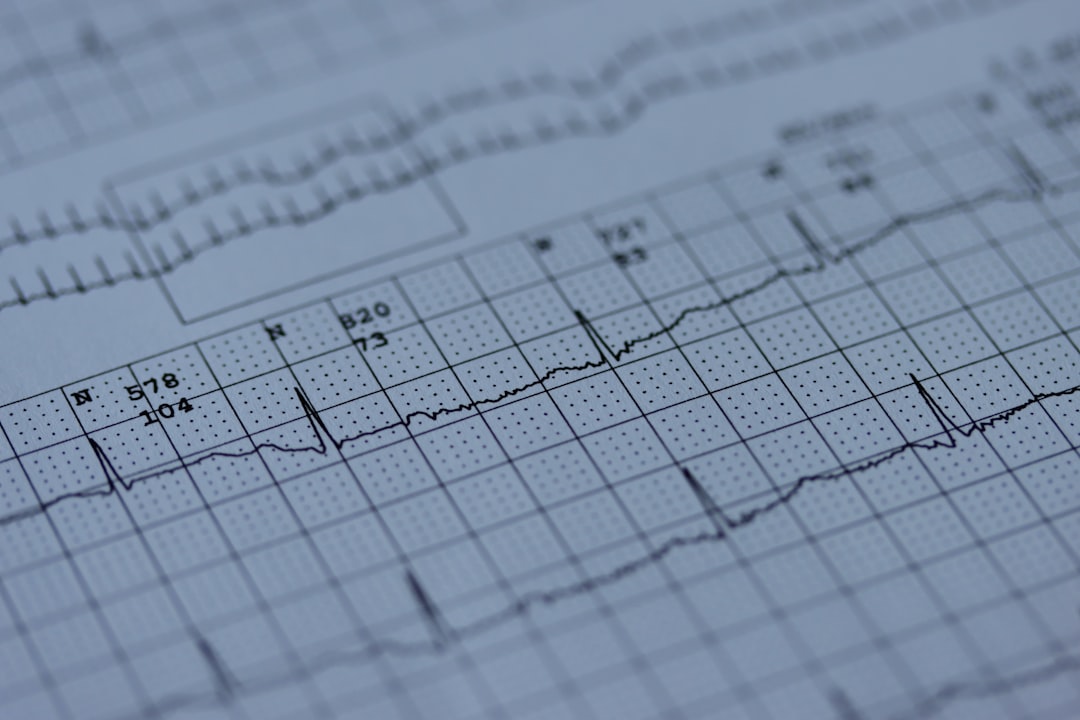
Now Reading: Recognizing Common CVD Symptoms
-
01
Recognizing Common CVD Symptoms
Recognizing Common CVD Symptoms
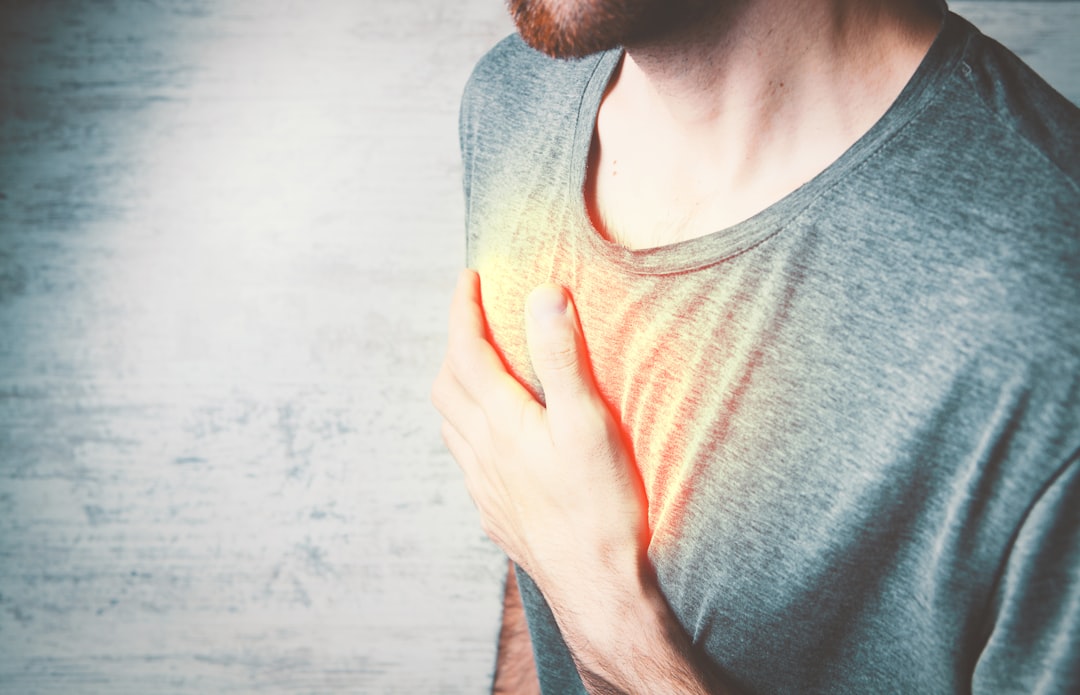
Cardiovascular disease (CVD) encompasses a range of disorders affecting the heart and blood vessels, including coronary artery disease, heart failure, arrhythmias, and congenital heart defects. It is a leading cause of morbidity and mortality worldwide, accounting for approximately 31% of all global deaths according to the World Health Organization. The pathophysiology of CVD often involves atherosclerosis, where plaque builds up in the arterial walls, leading to reduced blood flow and increased risk of ischemic events.
The impact of CVD extends beyond individual health, affecting healthcare systems and economies due to the high costs associated with treatment and management. The disease can manifest in various forms, each with unique characteristics and implications for patient care. Understanding the underlying mechanisms, such as endothelial dysfunction and inflammation, is crucial for developing effective prevention and treatment strategies.
Key Takeaways
- CVD is a leading cause of death globally and refers to conditions that affect the heart and blood vessels
- Risk factors for CVD include high blood pressure, high cholesterol, smoking, diabetes, and obesity
- Early signs of CVD may include chest pain, shortness of breath, and fatigue
- Symptoms of a heart attack can include chest pain, nausea, and lightheadedness
- Symptoms of a stroke can include sudden numbness, confusion, and trouble speaking
Identifying the risk factors for CVD
Risk factors for cardiovascular disease can be classified into modifiable and non-modifiable categories. Non-modifiable factors include age, gender, and genetic predisposition. For instance, individuals over the age of 45 for men and 55 for women are at a heightened risk.
Family history of heart disease can also significantly increase susceptibility to CVD. Modifiable risk factors are those that can be altered through lifestyle changes or medical intervention. These include hypertension, hyperlipidemia, diabetes mellitus, obesity, physical inactivity, smoking, and excessive alcohol consumption.
According to the American Heart Association, managing these factors can reduce the risk of developing CVD by up to 80%. Regular screenings for blood pressure and cholesterol levels are essential for early detection and management of these risk factors.
Recognizing the early signs of CVD
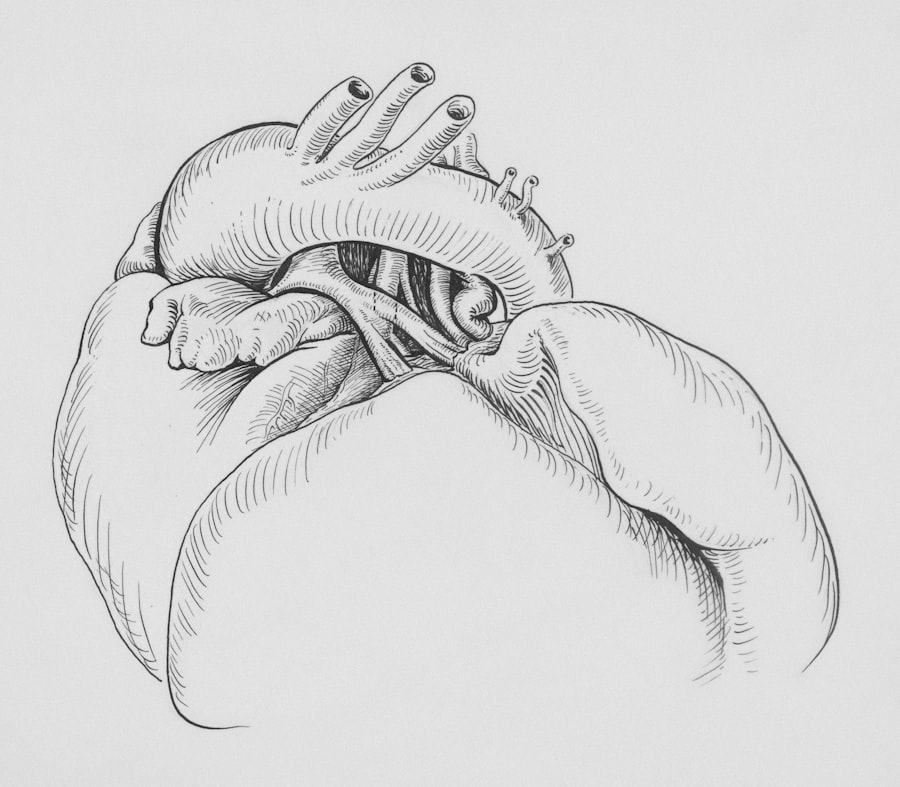
Early detection of cardiovascular disease is paramount for effective intervention and improved outcomes. Common early signs may include fatigue, shortness of breath during physical activity, and mild chest discomfort. These symptoms can often be overlooked or attributed to other causes, making awareness critical.
Additionally, individuals may experience palpitations or irregular heartbeats as early indicators of potential cardiovascular issues. It is essential to maintain open communication with healthcare providers regarding any unusual symptoms or changes in health status. Regular check-ups can facilitate early diagnosis and allow for timely lifestyle modifications or medical treatments.
Understanding the symptoms of a heart attack
| Symptom | Description |
|---|---|
| Chest pain or discomfort | Feeling of pressure, squeezing, fullness, or pain in the center of the chest. |
| Upper body discomfort | Pain or discomfort in one or both arms, the back, neck, jaw, or stomach. |
| Shortness of breath | Feeling out of breath or having difficulty breathing. |
| Cold sweat | Sudden sweating or clamminess, often accompanied by nausea or lightheadedness. |
| Nausea or lightheadedness | Feeling sick to your stomach or feeling dizzy or lightheaded. |
A heart attack, or myocardial infarction, occurs when blood flow to a part of the heart is obstructed, typically due to a blood clot in a coronary artery. Classic symptoms include intense chest pain or discomfort that may radiate to the arms, back, neck, jaw, or stomach. This sensation is often described as a feeling of pressure or squeezing.
Other symptoms may include shortness of breath, cold sweats, nausea, or lightheadedness. Women may experience atypical symptoms such as fatigue or indigestion more frequently than men. Recognizing these signs promptly is crucial; immediate medical attention can significantly improve survival rates and reduce long-term complications.
Recognizing the symptoms of a stroke
Stroke is a medical emergency that occurs when blood flow to the brain is interrupted, leading to potential brain damage. The acronym FAST (Face drooping, Arm weakness, Speech difficulties, Time to call emergency services) serves as a helpful mnemonic for recognizing stroke symptoms. Individuals may exhibit facial drooping on one side, weakness in one arm, or slurred speech.
Other signs can include sudden confusion, difficulty walking, dizziness, or loss of balance. Time is critical in stroke management; rapid intervention can minimize brain injury and improve recovery outcomes. The use of thrombolytic therapy within a specific time frame can restore blood flow and significantly enhance prognosis.
Identifying the symptoms of heart failure

Heart failure is a chronic condition where the heart cannot pump effectively to meet the body’s needs. Symptoms often develop gradually and may include persistent shortness of breath during exertion or while lying flat, fatigue, and swelling in the legs or abdomen due to fluid retention. Patients may also experience rapid weight gain from fluid accumulation or persistent cough with pink or white phlegm.
Recognizing these symptoms early allows for timely medical evaluation and management strategies that may include lifestyle modifications, medications such as ACE inhibitors or beta-blockers, and in some cases, surgical interventions.
Understanding the symptoms of arrhythmias
Arrhythmias refer to irregular heartbeats that can manifest as palpitations, fluttering sensations in the chest, or even syncope (fainting). These disturbances can arise from various causes including electrolyte imbalances, structural heart abnormalities, or ischemic heart disease. Symptoms may vary depending on the type and severity of the arrhythmia; some individuals may remain asymptomatic while others experience significant discomfort or complications such as stroke or heart failure.
Diagnostic tools such as electrocardiograms (ECGs) are essential for identifying arrhythmias and determining appropriate treatment options which may include antiarrhythmic medications or catheter ablation procedures.
Recognizing the symptoms of peripheral artery disease
Peripheral artery disease (PAD) occurs when narrowed arteries reduce blood flow to the limbs, typically affecting the legs. Symptoms often include intermittent claudication—pain or cramping in the legs during physical activity that subsides with rest. Other signs may include numbness or weakness in the legs, coldness in one leg compared to the other, or non-healing wounds.
Early recognition is vital as PAD can lead to severe complications such as critical limb ischemia or amputation if left untreated. Management strategies focus on lifestyle changes such as smoking cessation and exercise programs, along with pharmacological treatments like antiplatelet agents and statins to improve blood flow and reduce cardiovascular risk.
Identifying the symptoms of aortic aneurysm
An aortic aneurysm is an abnormal bulge in the wall of the aorta that can lead to life-threatening rupture if not identified early. Symptoms may vary depending on the location; thoracic aortic aneurysms may present with chest pain or back pain while abdominal aortic aneurysms often cause pulsating sensations near the navel. In many cases, aneurysms remain asymptomatic until rupture occurs; therefore, routine imaging studies such as ultrasound or CT scans are recommended for high-risk individuals.
Surgical intervention may be necessary for large or symptomatic aneurysms to prevent catastrophic outcomes.
Understanding the symptoms of congenital heart defects
Congenital heart defects are structural abnormalities present at birth that can affect normal blood flow through the heart. Symptoms can range from mild to severe and may include cyanosis (bluish tint to skin), rapid breathing, fatigue during feeding in infants, or poor weight gain. Diagnosis typically involves echocardiography or cardiac MRI to assess structural anomalies.
Treatment options vary based on severity; some defects may require surgical correction while others can be managed with medications to alleviate symptoms and improve quality of life.
Recognizing the symptoms of other types of CVD
Cardiovascular disease encompasses various other conditions such as valvular heart disease and cardiomyopathy. Symptoms associated with valvular disorders may include fatigue, palpitations, and shortness of breath due to impaired blood flow through affected valves. Cardiomyopathy presents with similar symptoms but is characterized by changes in heart muscle structure that affect its ability to pump effectively.
Early diagnosis through imaging studies and echocardiograms is essential for determining appropriate management strategies which may include lifestyle modifications, medications like diuretics or beta-blockers, and advanced therapies such as implantable devices or heart transplantation. In summary, cardiovascular disease represents a complex array of conditions that significantly impact global health. Understanding risk factors, recognizing early signs and symptoms across various forms of CVD is crucial for timely intervention and improved patient outcomes.
Preventive measures such as lifestyle modifications and regular health screenings play an essential role in reducing incidence rates while treatment options continue to evolve with advancements in medical science.
If you are concerned about cardiovascular disease (CVD) symptoms, it is important to educate yourself on the warning signs. One related article that may be helpful is A Comprehensive Guide to the Amazon Influencer Program for Aspiring Creators. This article discusses the importance of building a strong online presence and leveraging social media platforms to reach a wider audience. Just as early detection is crucial for managing CVD, understanding the ins and outs of the Amazon Influencer Program can help aspiring creators establish a successful online presence.
FAQs
What are the common symptoms of cardiovascular disease (CVD)?
Common symptoms of CVD include chest pain or discomfort, shortness of breath, fatigue, dizziness, nausea, and pain or discomfort in the neck, jaw, throat, abdomen, or back.
Are there any warning signs of a heart attack or stroke?
Warning signs of a heart attack include chest pain or discomfort, shortness of breath, nausea, lightheadedness, and discomfort in other areas of the upper body. Warning signs of a stroke include sudden numbness or weakness in the face, arm, or leg, confusion, trouble speaking or understanding speech, and sudden trouble seeing in one or both eyes.
What should I do if I experience symptoms of CVD?
If you experience symptoms of CVD, it is important to seek medical attention immediately. Call emergency services or go to the nearest hospital for evaluation and treatment.
Can CVD symptoms vary between men and women?
Yes, CVD symptoms can vary between men and women. Women may experience symptoms such as fatigue, shortness of breath, and nausea, while men may experience more classic symptoms such as chest pain. It is important to be aware of these differences and seek medical attention if any concerning symptoms arise.
What are some risk factors for developing CVD?
Risk factors for developing CVD include high blood pressure, high cholesterol, smoking, diabetes, obesity, physical inactivity, and a family history of heart disease. It is important to manage these risk factors through lifestyle changes and medical treatment to reduce the risk of developing CVD.