Now Reading: Recognizing Heart Trouble: Symptoms to Watch For
-
01
Recognizing Heart Trouble: Symptoms to Watch For
Recognizing Heart Trouble: Symptoms to Watch For
Heart disease remains one of the leading causes of morbidity and mortality worldwide, accounting for approximately 17.9 million deaths annually, according to the World Health Organization. Recognizing the early signs of heart trouble is crucial for timely intervention and management. The heart, a vital organ responsible for pumping blood throughout the body, can be affected by various conditions, including coronary artery disease, arrhythmias, and heart failure.
Early detection can significantly improve outcomes, reduce complications, and enhance the quality of life for individuals at risk. Awareness of heart trouble symptoms empowers individuals to take proactive measures regarding their cardiovascular health. Understanding risk factors such as hypertension, diabetes, obesity, and a sedentary lifestyle can lead to lifestyle modifications that mitigate these risks.
Furthermore, recognizing symptoms early can prompt individuals to seek medical evaluation, leading to appropriate diagnostic testing and treatment options. This proactive approach is essential in combating the prevalence of heart disease and improving overall public health.
Key Takeaways
- Recognizing heart trouble is important for early intervention and prevention of serious complications.
- Common symptoms of heart trouble include chest pain, shortness of breath, fatigue, dizziness, swelling, irregular heartbeat, and nausea.
- Chest pain and discomfort are classic symptoms of a heart attack and should not be ignored.
- Shortness of breath can be a sign of heart failure or a heart attack and should be evaluated by a healthcare professional.
- Fatigue and weakness can be indicative of heart trouble and should prompt further investigation by a doctor.
Common Symptoms of Heart Trouble
Recognizing Common Symptoms
Common symptoms of heart trouble include chest pain, shortness of breath, fatigue, dizziness, swelling in extremities, irregular heartbeat, nausea, and indigestion. Each symptom can indicate different underlying issues related to cardiovascular health. For example, chest pain may suggest angina or myocardial infarction, while shortness of breath could indicate heart failure or pulmonary complications.
Differentiating Between Discomfort and Emergency
Understanding these symptoms allows individuals to differentiate between benign discomfort and potential cardiac emergencies. By recognizing the signs, individuals can take prompt action and seek medical attention when necessary.
Improving Health Outcomes
Regular self-assessment and awareness can lead to timely medical consultations and improved health outcomes. By being proactive and informed, individuals can take control of their cardiovascular health and reduce the risk of complications.
Chest Pain and Discomfort

Chest pain is one of the most recognized symptoms associated with heart trouble. It can present as a sharp stabbing sensation, a dull ache, or a feeling of pressure or tightness in the chest. The intensity and duration of chest pain can vary significantly; some individuals may experience fleeting discomfort, while others may endure prolonged episodes lasting several minutes or longer.
It is crucial to note that not all chest pain is indicative of a heart attack; however, it should never be dismissed without proper evaluation. The etiology of chest pain can range from musculoskeletal issues to gastrointestinal disorders; however, when associated with cardiovascular conditions, it often results from reduced blood flow to the heart muscle due to narrowed arteries. This condition is known as angina pectoris.
In cases where blood flow is severely restricted or blocked entirely, a myocardial infarction may occur, necessitating immediate medical attention. Individuals experiencing unexplained or severe chest pain should seek emergency care promptly.
Shortness of Breath
| Age Group | Percentage |
|---|---|
| 18-44 | 12% |
| 45-64 | 24% |
| 65+ | 36% |
Shortness of breath, or dyspnea, is another critical symptom that may indicate heart trouble. This sensation can manifest during physical exertion or even at rest in more severe cases. Individuals may describe it as feeling winded or unable to catch their breath.
Dyspnea can arise from various cardiovascular conditions, including heart failure, where the heart’s ability to pump blood effectively is compromised. In heart failure, fluid may accumulate in the lungs due to increased pressure in the pulmonary circulation, leading to pulmonary congestion and difficulty breathing. Additionally, shortness of breath may be exacerbated by physical activity or lying flat (orthopnea).
It is essential for individuals experiencing persistent or worsening dyspnea to consult a healthcare professional for evaluation and management. Diagnostic tests such as echocardiograms or pulmonary function tests may be warranted to determine the underlying cause.
Fatigue and Weakness
Fatigue and weakness are often overlooked symptoms that can signal underlying heart trouble. Individuals may experience an unusual level of tiredness that does not improve with rest or sleep. This fatigue can stem from the heart’s inability to pump blood efficiently, leading to inadequate oxygen delivery to tissues and organs.
As a result, individuals may find themselves easily fatigued during routine activities that were previously manageable. In some cases, fatigue may precede other more recognizable symptoms of heart disease. It is particularly important for individuals with risk factors such as diabetes or hypertension to monitor their energy levels closely.
If fatigue persists or worsens without an apparent cause, it is advisable to seek medical evaluation. A thorough assessment can help identify potential cardiovascular issues and guide appropriate interventions.
Dizziness and Lightheadedness
Dizziness and lightheadedness are symptoms that can arise from various causes, including cardiovascular conditions. These sensations may occur when there is inadequate blood flow to the brain due to arrhythmias or low blood pressure resulting from heart failure. Individuals may describe dizziness as feeling faint or unsteady, which can increase the risk of falls and injuries.
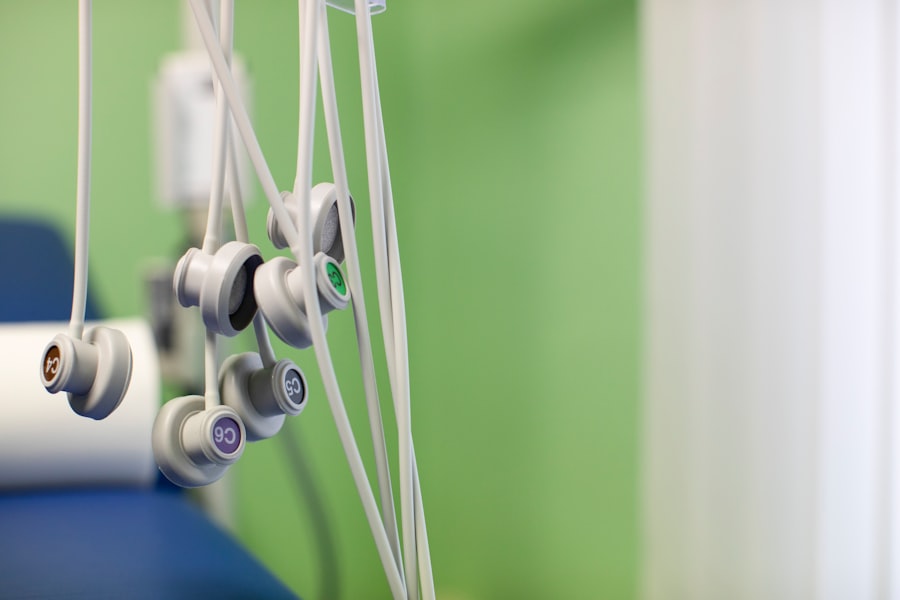
In some cases, dizziness may be accompanied by palpitations or irregular heartbeat, indicating an underlying arrhythmia that requires further investigation. It is essential for individuals experiencing recurrent dizziness or lightheadedness to consult a healthcare provider for a comprehensive evaluation. Diagnostic tests such as electrocardiograms (ECGs) or Holter monitors may be utilized to assess heart rhythm and identify any abnormalities.
Swelling in the Legs, Ankles, or Feet
Peripheral edema, characterized by swelling in the legs, ankles, or feet, can be a significant indicator of heart trouble. This condition often arises when the heart’s pumping ability is compromised, leading to fluid retention in the lower extremities due to increased venous pressure. Individuals may notice swelling that worsens throughout the day or after prolonged periods of sitting or standing.
In addition to heart failure, peripheral edema can also result from other conditions such as kidney disease or venous insufficiency. Therefore, it is crucial for individuals experiencing unexplained swelling to seek medical attention for proper diagnosis and management. Treatment options may include diuretics to reduce fluid retention and lifestyle modifications such as elevating the legs and reducing salt intake.
Irregular Heartbeat
An irregular heartbeat, or arrhythmia, can manifest as palpitations—an awareness of one’s heartbeat that may feel rapid, fluttering, or pounding. Arrhythmias can arise from various factors including stress, caffeine consumption, electrolyte imbalances, or underlying heart disease. While some arrhythmias are benign and require no treatment, others can pose significant health risks.
Atrial fibrillation (AFib) is one common type of arrhythmia that increases the risk of stroke and heart failure if left untreated. Individuals experiencing persistent palpitations should undergo a thorough evaluation by a healthcare professional to determine the underlying cause and appropriate management strategies. Treatment options may include lifestyle modifications, medications such as beta-blockers or anticoagulants, or procedures like catheter ablation.
Nausea and Indigestion
Nausea and indigestion are often overlooked symptoms that can accompany heart trouble.
Nausea may occur due to reduced blood flow to the digestive system during episodes of angina or myocardial infarction.
It is essential for individuals experiencing unexplained nausea or indigestion—especially when accompanied by other symptoms such as chest pain or shortness of breath—to seek medical evaluation promptly. Diagnostic tests such as cardiac enzyme levels or stress tests may be necessary to rule out underlying cardiac conditions.
Recognizing Heart Trouble in Women
Heart disease often presents differently in women compared to men; therefore, recognizing symptoms specific to women is crucial for timely diagnosis and treatment. Women are more likely to experience atypical symptoms such as fatigue, nausea, and shortness of breath rather than classic chest pain associated with myocardial infarction. Additionally, hormonal factors may influence women’s cardiovascular health throughout different life stages—such as during pregnancy or menopause—potentially increasing their risk for heart disease.
Awareness campaigns aimed at educating women about these differences are essential for improving outcomes and encouraging proactive health measures.
When to Seek Medical Attention
Recognizing when to seek medical attention is vital for individuals experiencing potential signs of heart trouble. Immediate medical care should be sought if any combination of symptoms such as severe chest pain, shortness of breath at rest, sudden dizziness or lightheadedness occurs. Additionally, if swelling in the legs is accompanied by difficulty breathing or chest discomfort, emergency services should be contacted without delay.
Regular check-ups with healthcare providers are also essential for individuals with known risk factors for heart disease. Routine screenings for blood pressure, cholesterol levels, and diabetes management can help identify potential issues before they escalate into more serious conditions. In summary, understanding the importance of recognizing heart trouble is paramount for early intervention and improved health outcomes.
Common symptoms such as chest pain, shortness of breath, fatigue, dizziness, swelling in extremities, irregular heartbeat, nausea, and indigestion should not be overlooked. Women may experience atypical presentations that require heightened awareness. Timely medical attention can significantly impact prognosis and quality of life for those at risk for cardiovascular disease.
If you are experiencing any symptoms of heart trouble, it is important to seek medical attention immediately. One related article that provides valuable information on recognizing heart trouble symptoms is com/planning-for-memorial-day-how-to-honor-and-remember/’>Planning for Memorial Day: How to Honor and Remember.
This article discusses the importance of taking care of your health and recognizing warning signs of heart issues. Remember, early detection and treatment can make a significant difference in managing heart conditions.
FAQs
What are the common symptoms of heart trouble?
Some common symptoms of heart trouble include chest pain or discomfort, shortness of breath, fatigue, dizziness, and irregular heartbeats.
When should I seek medical attention for heart trouble symptoms?
If you experience any symptoms of heart trouble, especially chest pain or discomfort, it is important to seek medical attention immediately. Delaying treatment for heart trouble can lead to serious complications.
Are there any specific symptoms that indicate a heart attack?
Symptoms of a heart attack can include chest pain or discomfort, pain or discomfort in the arms, back, neck, jaw, or stomach, shortness of breath, nausea, lightheadedness, and cold sweats. If you experience these symptoms, seek emergency medical help.
Can heart trouble symptoms vary between men and women?
Yes, heart trouble symptoms can vary between men and women. Women may experience symptoms such as nausea, vomiting, and back or jaw pain, in addition to the more typical symptoms of chest pain and shortness of breath.
What are some lifestyle changes that can help prevent heart trouble?
Maintaining a healthy diet, engaging in regular physical activity, managing stress, avoiding tobacco smoke, and limiting alcohol consumption can all help prevent heart trouble. It is also important to monitor and manage any existing health conditions, such as high blood pressure or diabetes.