Now Reading: Understanding Turo Insurance: What You Need to Know
-
01
Understanding Turo Insurance: What You Need to Know
Understanding Turo Insurance: What You Need to Know
Turo, a peer-to-peer car-sharing platform, has revolutionized the way individuals access vehicles. By allowing car owners to rent their vehicles to others, Turo provides a unique alternative to traditional car rental services. However, with this innovative model comes the necessity for comprehensive insurance coverage tailored to the specific needs of both car owners and renters.
Turo Insurance is designed to protect all parties involved in the transaction, ensuring that both the vehicle and the individuals using it are safeguarded against potential risks. Understanding Turo Insurance is crucial for anyone considering renting or listing a vehicle on the platform. The insurance framework encompasses various types of coverage, each addressing different aspects of risk management.
This article delves into the intricacies of Turo Insurance, exploring its various components, costs, claims processes, and tips for selecting the most suitable coverage. By equipping yourself with this knowledge, you can make informed decisions that enhance your experience on Turo.
Key Takeaways
- Turo insurance provides coverage for both owners and renters using the platform
- Types of Turo insurance coverage include liability, collision, and comprehensive
- Liability coverage protects against bodily injury and property damage claims
- Collision coverage helps pay for repairs or replacement of the vehicle in the event of an accident
- Comprehensive coverage protects against non-collision related incidents such as theft or vandalism
Types of Turo Insurance Coverage
Turo offers several insurance options that cater to the diverse needs of its users. These options are designed to provide varying levels of protection, allowing both car owners and renters to select coverage that aligns with their risk tolerance and financial considerations. The primary types of Turo Insurance coverage include: 1.
**Basic Coverage**: This is the minimum level of protection offered by Turo. It typically includes liability coverage, which protects against bodily injury and property damage claims made by third parties. While this option is cost-effective, it may not provide sufficient protection for those seeking comprehensive security.
2. **Standard Coverage**: This mid-tier option enhances the basic coverage by including additional benefits such as collision and comprehensive coverage. This means that in the event of an accident or damage to the vehicle due to non-collision incidents (like theft or vandalism), renters can receive compensation for repairs or replacement.
3. **Premium Coverage**: The most extensive option available, premium coverage offers maximum protection for both renters and vehicle owners. It includes higher liability limits, as well as comprehensive and collision coverage with lower deductibles.
This option is ideal for those who prioritize peace of mind and want to minimize out-of-pocket expenses in case of an incident.
Understanding Liability Coverage
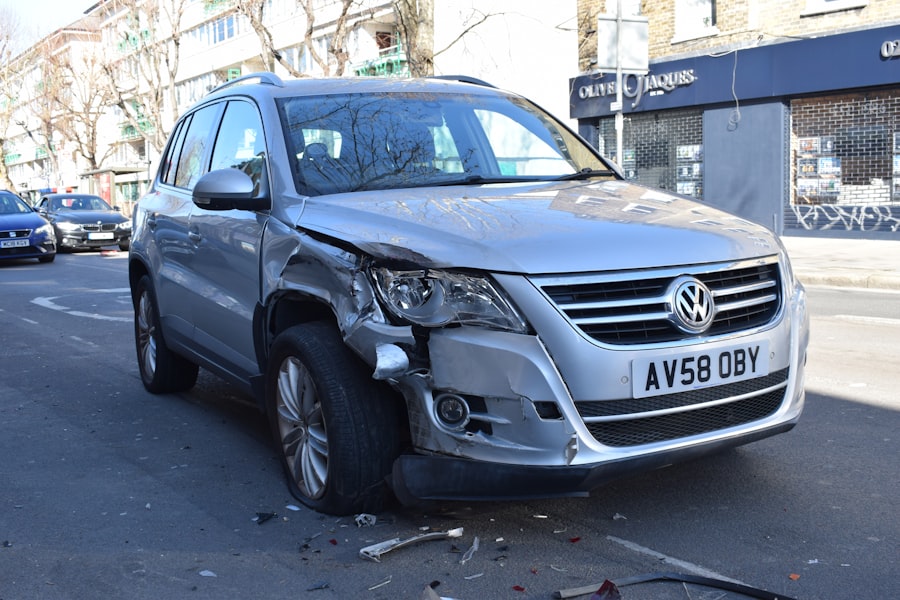
Liability coverage is a fundamental component of any insurance policy, including Turo Insurance. It serves as a financial safeguard against claims made by third parties for bodily injury or property damage resulting from an accident involving the rented vehicle. In the context of Turo, liability coverage is particularly important because it protects both the car owner and the renter from potential legal repercussions.
In most cases, Turo’s liability coverage meets or exceeds state minimum requirements, providing a baseline level of protection. However, it is essential to understand that liability coverage does not extend to damages incurred by the renter’s own vehicle or injuries sustained by the renter themselves. Therefore, renters should carefully assess their personal insurance policies to determine if they have adequate coverage in place.
Understanding Collision Coverage
| Aspect | Explanation |
|---|---|
| Definition | Collision coverage helps pay to repair or replace your vehicle if it’s damaged in a collision with another vehicle or object, such as a fence or a tree. |
| Cost | The cost of collision coverage can vary depending on factors such as the value of your vehicle, your driving record, and the deductible you choose. |
| Requirements | Collision coverage is typically optional, but may be required if you have a car loan or lease. |
| Claims Process | When filing a claim for collision coverage, you will need to provide details of the accident, such as the date, time, location, and the other party involved. |
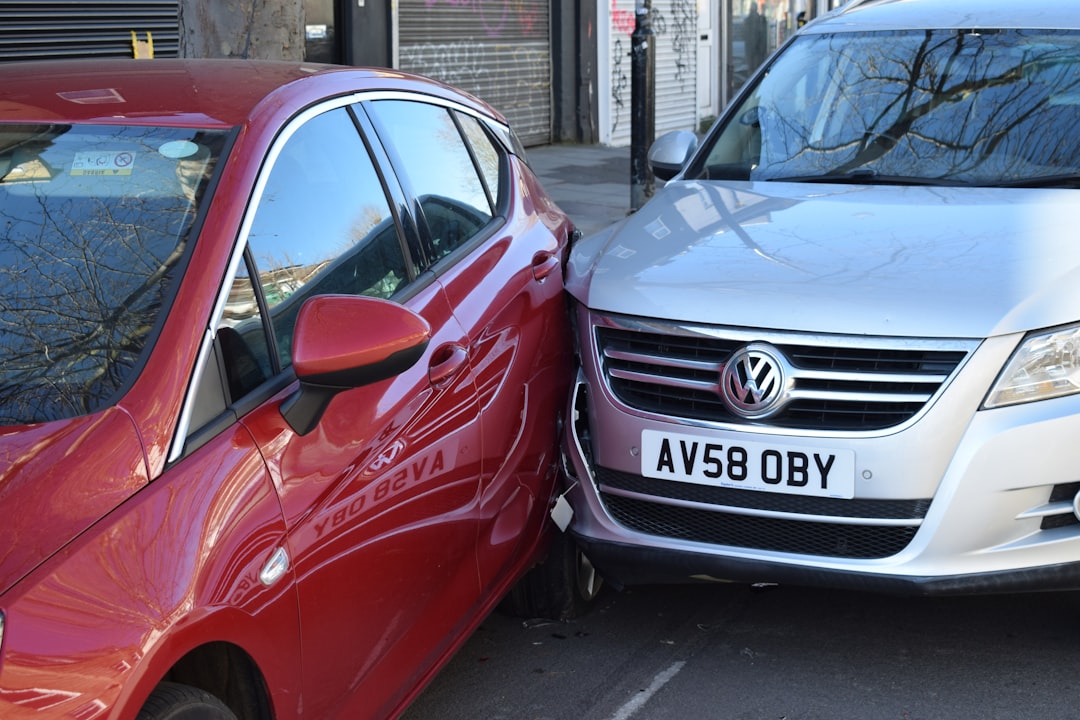
Collision coverage is another critical aspect of Turo Insurance that addresses damages to the rented vehicle resulting from a collision with another vehicle or object. This type of coverage is particularly beneficial for renters who may be concerned about incurring significant repair costs in the event of an accident. When selecting collision coverage through Turo, renters should be aware of the deductible associated with their policy.
A deductible is the amount that the insured party must pay out-of-pocket before insurance kicks in to cover the remaining costs. Turo offers various deductible options, allowing renters to choose a plan that aligns with their financial situation and risk tolerance. In addition to covering repair costs, collision coverage can also provide peace of mind for renters who may be unfamiliar with driving a different vehicle.
Knowing that they have financial protection in case of an accident can alleviate anxiety and enhance their overall experience on the platform.
Understanding Comprehensive Coverage
Comprehensive coverage is designed to protect against non-collision-related incidents that may result in damage to the rented vehicle. This includes events such as theft, vandalism, natural disasters, and animal collisions. For renters who are concerned about potential risks beyond their control, comprehensive coverage offers an essential layer of protection.
One key advantage of comprehensive coverage is that it can help mitigate financial losses associated with unforeseen events.
Renters should carefully review the terms and conditions of their comprehensive coverage to understand what specific incidents are covered and any exclusions that may apply.
This knowledge will empower them to make informed decisions about their insurance needs while using Turo.
Turo Insurance Exclusions

While Turo Insurance provides valuable protection, it is essential to be aware of certain exclusions that may apply to various coverage options. Understanding these exclusions can help both renters and car owners avoid unexpected financial liabilities. Common exclusions in Turo Insurance may include: 1.
**Unauthorized Drivers**: If someone other than the authorized renter operates the vehicle during the rental period, any claims resulting from accidents or damages may not be covered. 2. **Driving Under Influence**: Incidents occurring while the renter is under the influence of drugs or alcohol typically fall outside the scope of coverage.
3. **Intentional Damage**: Any damage caused intentionally by the renter or any passengers will not be covered under Turo Insurance. 4.
**Commercial Use**: Using a rented vehicle for commercial purposes, such as ridesharing or delivery services, may void insurance coverage. By familiarizing themselves with these exclusions, users can take proactive measures to ensure compliance with Turo’s policies and avoid potential pitfalls.
Additional Turo Insurance Options
In addition to standard insurance offerings, Turo provides several additional options that can enhance protection for both renters and car owners. These options may include: 1. **Roadside Assistance**: This service offers support in case of breakdowns or emergencies while on the road.
It typically includes services such as towing, tire changes, and fuel delivery. 2. **Additional Liability Protection**: Renters can opt for higher liability limits beyond what is provided in standard coverage.
This option is particularly beneficial for those who want extra peace of mind when driving high-value vehicles. 3. **Personal Accident Insurance**: This optional coverage provides financial assistance for medical expenses resulting from injuries sustained during an accident while using a rented vehicle.
By considering these additional options, users can tailor their insurance plans to meet their specific needs and preferences.
Understanding Turo Insurance Costs
The cost of Turo Insurance varies based on several factors, including the type of coverage selected, the value of the vehicle being rented, and the duration of the rental period. Generally speaking, basic coverage tends to be more affordable than standard or premium options due to its limited scope. Renters should also consider additional costs associated with deductibles when evaluating their insurance options.
A lower deductible may result in higher premium costs but can provide greater financial protection in case of an incident. To get an accurate estimate of insurance costs, users can utilize Turo’s online platform to input relevant details about their rental preferences and receive tailored quotes based on their selections.
Turo Insurance Claims Process
In the unfortunate event that an incident occurs during a rental period, understanding the claims process is crucial for ensuring a smooth resolution. The following steps outline how to navigate the Turo Insurance claims process: 1. **Report the Incident**: Renters should promptly report any accidents or damages to Turo through their platform or customer service channels.
2. **Document Evidence**: Gathering evidence such as photographs of damages, witness statements, and police reports (if applicable) can strengthen a claim. 3.
**Submit a Claim**: Renters must complete a claims form provided by Turo and submit it along with any supporting documentation. 4. **Claims Review**: Turo’s claims team will review submitted materials and determine eligibility for compensation based on policy terms.
5. **Resolution**: Once approved, compensation will be issued according to the terms outlined in the insurance policy. By following these steps and maintaining clear communication with Turo’s support team, users can effectively navigate the claims process and receive timely assistance.
Tips for Choosing the Right Turo Insurance
Selecting appropriate insurance coverage on Turo requires careful consideration of individual needs and circumstances. Here are some tips to help users make informed decisions: 1. **Assess Personal Insurance**: Before opting for Turo Insurance, renters should evaluate their existing personal auto insurance policies to determine if they offer adequate protection while renting vehicles.
2. **Consider Vehicle Value**: The value of the rented vehicle should influence insurance choices; higher-value vehicles may warrant more comprehensive coverage options. 3.
**Evaluate Risk Tolerance**: Users should assess their comfort level with potential out-of-pocket expenses in case of an incident when choosing deductibles and coverage levels. 4. **Review Exclusions**: Familiarizing oneself with policy exclusions can help prevent misunderstandings and ensure compliance with Turo’s requirements.
5. **Seek Expert Advice**: Consulting with insurance professionals can provide valuable insights into selecting appropriate coverage tailored to individual needs. By following these tips, users can enhance their understanding of Turo Insurance and make choices that align with their unique circumstances.
Making Informed Decisions about Turo Insurance
Navigating the world of Turo Insurance requires careful consideration and understanding of various coverage options available on this innovative platform. By familiarizing oneself with liability, collision, comprehensive coverage, exclusions, additional options, costs, and claims processes, both renters and car owners can make informed decisions that enhance their experience on Turo. Ultimately, selecting appropriate insurance coverage is essential for mitigating risks associated with renting vehicles through peer-to-peer platforms like Turo.
By taking proactive steps to understand their insurance needs and exploring available options thoroughly, users can enjoy peace of mind while maximizing their car-sharing experience.
If you’re considering renting a car through Turo, it’s important to understand the insurance options available to you. One related article that may be helpful is this piece on Presidents’ Day, which discusses the importance of honoring our nation’s leaders. Just as it’s important to have respect for those who have led our country, it’s important to have the right insurance coverage when renting a car through Turo to protect yourself in case of any accidents or damages.
FAQs
What is Turo insurance?
Turo insurance is a type of insurance that provides coverage for both hosts (car owners) and guests (renters) using the Turo car-sharing platform. It offers protection for physical damage to the vehicle, liability coverage, and other optional coverages.
What does Turo insurance cover?
Turo insurance typically covers physical damage to the vehicle, liability coverage for bodily injury and property damage, and optional coverages such as supplemental liability insurance, personal injury protection, and roadside assistance.
How does Turo insurance work?
When a guest rents a car through Turo, they have the option to choose a protection plan that includes insurance coverage. The host can also choose to add their own commercial rental insurance. In the event of an incident, Turo’s insurance coverage would apply based on the protection plan selected.
Is Turo insurance mandatory?
Yes, Turo requires all vehicles rented through their platform to have insurance coverage. Guests can choose a protection plan at the time of booking, and hosts can either use Turo’s insurance or provide their own commercial rental insurance.
How much does Turo insurance cost?
The cost of Turo insurance varies depending on the protection plan selected by the guest and any additional coverages chosen by the host. The price is typically included in the total cost of the rental and can range from a few dollars to a significant percentage of the rental price.
Can I use my own insurance with Turo?
Yes, hosts have the option to use their own commercial rental insurance with Turo. However, it must meet Turo’s requirements and be approved by the platform. Guests can also use their personal car insurance to supplement Turo’s coverage.
What are the requirements for Turo insurance coverage?
Turo requires that the vehicle being rented meets certain insurance requirements, including minimum liability coverage and physical damage coverage. Hosts and guests must also comply with Turo’s terms and conditions for insurance coverage to be valid.