Now Reading: Understanding Heart Failure: Causes, Symptoms, and Treatment
-
01
Understanding Heart Failure: Causes, Symptoms, and Treatment
Understanding Heart Failure: Causes, Symptoms, and Treatment

Heart failure, clinically referred to as congestive heart failure (CHF), is a complex clinical syndrome characterized by the heart’s inability to pump sufficient blood to meet the metabolic demands of the body. This condition can arise from various underlying cardiovascular diseases, leading to a progressive decline in cardiac function. Heart failure is not a singular disease but rather a manifestation of multiple cardiac pathologies, including ischemic heart disease, hypertension, and valvular heart disorders.
The heart’s compromised ability to maintain adequate circulation results in a cascade of physiological changes, ultimately affecting organ perfusion and leading to systemic complications. The prevalence of heart failure is alarming, with estimates suggesting that approximately 6.2 million adults in the United States are living with this condition. The burden of heart failure extends beyond the individual, impacting healthcare systems due to frequent hospitalizations and significant healthcare costs.
Understanding heart failure’s multifaceted nature is crucial for effective management and improving patient outcomes.
Key Takeaways
- Heart failure is a condition where the heart is unable to pump enough blood to meet the body’s needs.
- Common causes of heart failure include coronary artery disease, high blood pressure, and heart valve disorders.
- The two main types of heart failure are systolic heart failure (when the heart can’t contract effectively) and diastolic heart failure (when the heart can’t relax properly).
- Risk factors for heart failure include advanced age, high blood pressure, diabetes, and obesity.
- Signs and symptoms of heart failure can include shortness of breath, fatigue, and swelling in the legs and abdomen.
Causes of Heart Failure
The etiology of heart failure is diverse, encompassing a range of cardiovascular and systemic conditions. Ischemic heart disease, primarily resulting from coronary artery disease (CAD), is the leading cause of heart failure. In this scenario, reduced blood flow to the myocardium leads to myocardial ischemia and subsequent necrosis, impairing the heart’s pumping ability.
Hypertension, another significant contributor, causes left ventricular hypertrophy and diastolic dysfunction, ultimately culminating in heart failure. Other notable causes include valvular heart disease, where abnormalities in the heart valves disrupt normal blood flow, and cardiomyopathies, which are diseases of the heart muscle that can be genetic or acquired. Additionally, conditions such as diabetes mellitus, chronic kidney disease, and thyroid disorders can exacerbate or precipitate heart failure.
Lifestyle factors such as excessive alcohol consumption and illicit drug use also play a role in the development of this syndrome.
Types of Heart Failure
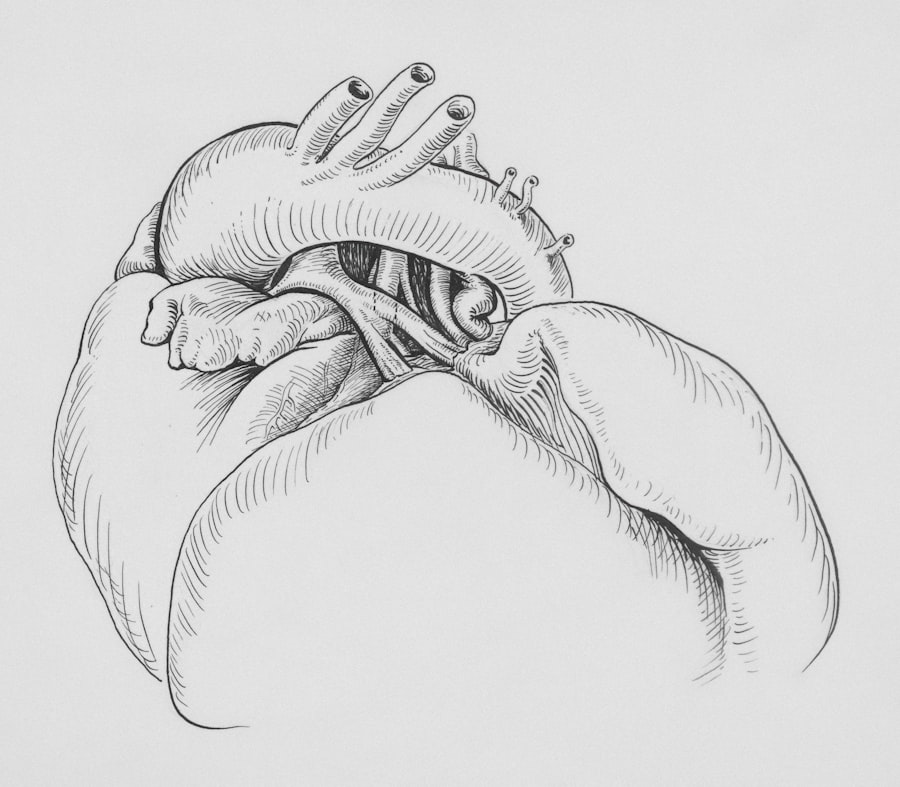
Heart failure can be classified into several categories based on various criteria, including the timing of onset and the specific functional impairment involved. The two primary types are systolic heart failure and diastolic heart failure. Systolic heart failure, often referred to as heart failure with reduced ejection fraction (HFrEF), occurs when the heart’s ability to contract is compromised, leading to a decreased ejection fraction (EF) of less than 40%.
In contrast, diastolic heart failure, or heart failure with preserved ejection fraction (HFpEF), is characterized by impaired relaxation of the ventricles, resulting in normal or near-normal EF but inadequate filling during diastole. Additionally, heart failure can be classified as acute or chronic. Acute heart failure presents suddenly and may require immediate medical intervention, while chronic heart failure develops gradually over time and may be managed with long-term treatment strategies. Understanding these distinctions is vital for tailoring appropriate therapeutic approaches.
Risk Factors for Heart Failure
| Risk Factors | Description |
|---|---|
| High Blood Pressure | Elevated blood pressure can strain the heart and lead to heart failure. |
| Coronary Artery Disease | Buildup of plaque in the arteries can weaken the heart muscle. |
| Diabetes | Uncontrolled diabetes can damage the heart and blood vessels. |
| Obesity | Excess weight can put strain on the heart and increase the risk of heart failure. |
| Smoking | Smoking can damage the heart and blood vessels, increasing the risk of heart failure. |
Several risk factors contribute to the development of heart failure, many of which are modifiable through lifestyle changes and medical interventions. Key risk factors include hypertension, which affects nearly 45% of adults in the United States and significantly increases the likelihood of developing heart failure. Other cardiovascular conditions such as coronary artery disease and previous myocardial infarction also elevate risk.
Diabetes mellitus is another critical risk factor; individuals with diabetes are two to three times more likely to develop heart failure compared to those without the condition. Obesity, characterized by an excess accumulation of body fat, further exacerbates cardiovascular strain and increases the risk of developing heart failure. Lifestyle factors such as smoking, sedentary behavior, and poor dietary habits also contribute significantly to the risk profile.
Signs and Symptoms of Heart Failure
The clinical presentation of heart failure can vary widely among individuals but typically includes a constellation of signs and symptoms that reflect impaired cardiac function. Common manifestations include dyspnea (shortness of breath), particularly during exertion or while lying flat (orthopnea), and fatigue due to inadequate oxygen delivery to tissues.
Other symptoms may include palpitations, persistent cough or wheezing due to pulmonary congestion, and rapid weight gain from fluid accumulation. In advanced cases, patients may exhibit signs of poor perfusion such as confusion or altered mental status due to inadequate cerebral blood flow. Recognizing these symptoms early is crucial for timely intervention and management.
Diagnosis of Heart Failure

Diagnosing heart failure involves a comprehensive evaluation that includes a detailed medical history, physical examination, and diagnostic testing. Clinicians typically assess symptoms such as dyspnea and edema while evaluating vital signs and performing a thorough cardiovascular examination. Laboratory tests may include serum electrolytes, renal function tests, and natriuretic peptide levels (e.g., B-type natriuretic peptide or BNP), which can aid in confirming the diagnosis.
Imaging studies such as echocardiography are essential for assessing cardiac structure and function. This non-invasive test provides valuable information regarding ejection fraction, chamber sizes, and valvular function. Additional imaging modalities like chest X-rays or cardiac MRI may be utilized for further evaluation if necessary.
Ultimately, a multidisciplinary approach involving cardiologists and primary care providers is essential for accurate diagnosis and management.
Treatment Options for Heart Failure
The management of heart failure requires a multifaceted approach tailored to the underlying cause and severity of the condition. Initial treatment often focuses on lifestyle modifications aimed at reducing risk factors such as hypertension and obesity. Pharmacological interventions play a pivotal role in managing symptoms and improving outcomes.
Common treatment options include diuretics for fluid overload management, angiotensin-converting enzyme (ACE) inhibitors or angiotensin receptor blockers (ARBs) for neurohormonal modulation, and beta-blockers for improving cardiac function. In cases where patients exhibit severe symptoms or do not respond adequately to medical therapy, advanced treatment options such as implantable devices or surgical interventions may be considered.
Lifestyle Changes for Managing Heart Failure
Lifestyle modifications are integral to managing heart failure effectively. Patients are encouraged to adopt a heart-healthy diet rich in fruits, vegetables, whole grains, lean proteins, and low in sodium to help control blood pressure and reduce fluid retention. Regular physical activity tailored to individual capabilities can enhance cardiovascular fitness and improve overall well-being.
Weight management is also crucial; patients should monitor their weight daily to detect any sudden increases that may indicate fluid retention. Smoking cessation is imperative as tobacco use exacerbates cardiovascular disease progression. Additionally, limiting alcohol intake can prevent further cardiac damage.
Education on recognizing early signs of worsening heart failure empowers patients to seek timely medical attention.
Medications for Heart Failure
Pharmacotherapy remains a cornerstone in managing heart failure. Diuretics such as furosemide are commonly prescribed to alleviate symptoms associated with fluid overload by promoting renal excretion of sodium and water. ACE inhibitors like lisinopril or ARBs such as losartan are utilized for their vasodilatory effects that reduce afterload and improve cardiac output.
Beta-blockers like carvedilol or metoprolol succinate have been shown to enhance survival rates by counteracting sympathetic nervous system activation associated with heart failure. In select patients with HFrEF who remain symptomatic despite optimal medical therapy, newer agents such as sacubitril/valsartan (Entresto) have demonstrated significant benefits in reducing hospitalizations and mortality.
Surgical and Other Procedures for Heart Failure
In certain cases where medical management fails or when structural abnormalities contribute significantly to heart failure symptoms, surgical interventions may be warranted. Procedures such as coronary artery bypass grafting (CABG) or percutaneous coronary interventions (PCI) can restore blood flow in patients with ischemic heart disease. For patients with severe valvular dysfunction, surgical repair or replacement of affected valves may be necessary.
Additionally, device therapy such as implantable cardioverter-defibrillators (ICDs) or cardiac resynchronization therapy (CRT) can improve outcomes in specific populations by preventing sudden cardiac death or enhancing ventricular function.
Prognosis and Complications of Heart Failure
The prognosis for individuals diagnosed with heart failure varies widely based on several factors including age, comorbidities, ejection fraction status, and response to treatment. While some patients may experience stable chronic heart failure with appropriate management, others may face progressive deterioration leading to frequent hospitalizations or even mortality. Complications associated with heart failure include arrhythmias due to structural changes in the myocardium, thromboembolic events resulting from stasis of blood flow, and renal dysfunction secondary to reduced perfusion pressure.
Patients may also experience psychosocial challenges such as depression or anxiety related to their chronic illness. In summary, heart failure is a multifaceted syndrome resulting from various underlying conditions that impair cardiac function. Understanding its causes, types, risk factors, signs and symptoms is essential for effective diagnosis and management.
Treatment options encompass lifestyle changes, pharmacotherapy, surgical interventions when necessary, and ongoing monitoring for complications. With appropriate care strategies tailored to individual needs, many patients can achieve improved quality of life despite living with this chronic condition.
Heart failure disease is a serious condition that affects millions of people worldwide. According to a recent article on Boogger, researchers have discovered a potential link between heart failure and certain federal holidays in February, such as Presidents’ Day and Valentine’s Day. This fascinating connection sheds light on the impact that holidays can have on our cardiovascular health. To learn more about this intriguing research, check out the article here.
FAQs
What is heart failure disease?
Heart failure is a chronic condition in which the heart is unable to pump enough blood to meet the body’s needs. It can result from various conditions that weaken or damage the heart, such as coronary artery disease, high blood pressure, or diabetes.
What are the symptoms of heart failure?
Common symptoms of heart failure include shortness of breath, fatigue, swelling in the legs and abdomen, rapid or irregular heartbeat, and persistent coughing or wheezing.
What are the risk factors for heart failure?
Risk factors for heart failure include high blood pressure, coronary artery disease, diabetes, obesity, smoking, excessive alcohol consumption, and a family history of heart disease.
How is heart failure diagnosed?
Heart failure is typically diagnosed through a combination of medical history, physical examination, blood tests, imaging tests (such as echocardiogram or MRI), and cardiac catheterization.
What are the treatment options for heart failure?
Treatment for heart failure may include lifestyle changes, medications (such as ACE inhibitors, beta blockers, and diuretics), implantable devices (such as pacemakers or defibrillators), and in some cases, heart surgery or heart transplant.
Can heart failure be prevented?
While some risk factors for heart failure, such as family history, cannot be changed, lifestyle changes such as maintaining a healthy weight, exercising regularly, eating a balanced diet, and managing conditions like high blood pressure and diabetes can help reduce the risk of developing heart failure.