Now Reading: Understanding Cardiac Heart Failure: Causes and Treatments
-
01
Understanding Cardiac Heart Failure: Causes and Treatments
Understanding Cardiac Heart Failure: Causes and Treatments
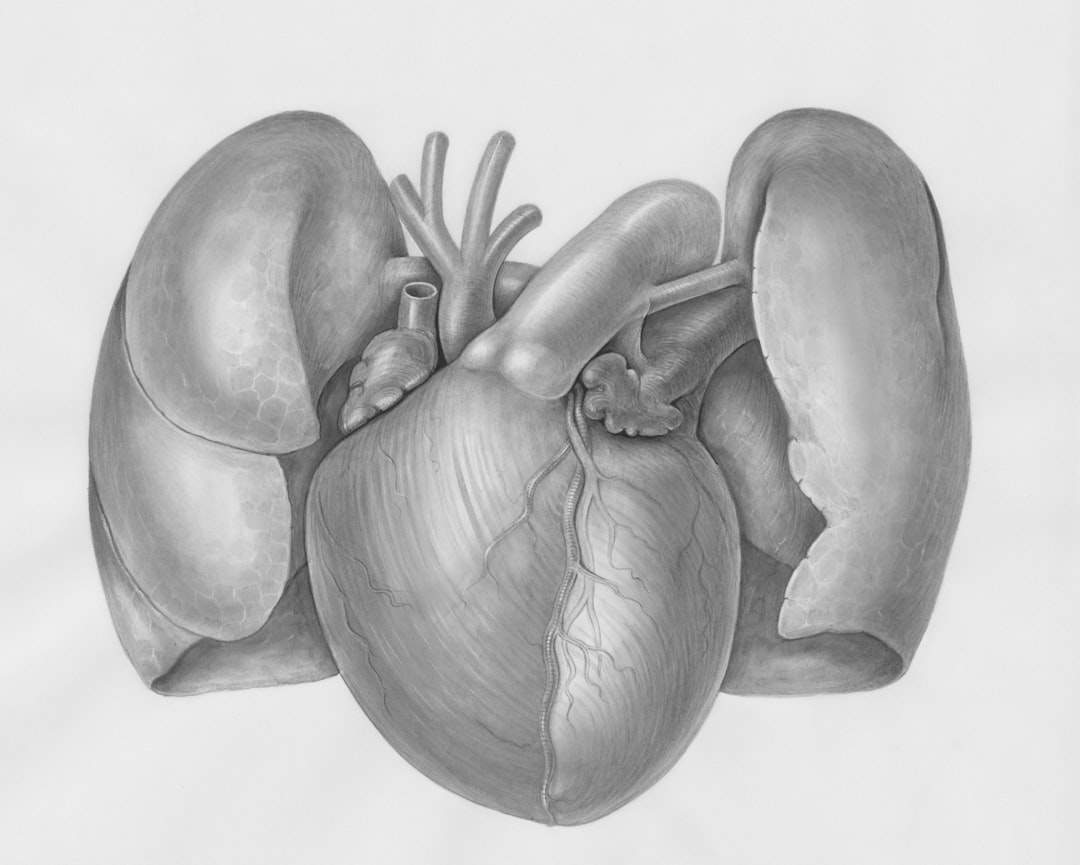
Cardiac heart failure, often referred to simply as heart failure, is a complex clinical syndrome characterized by the heart’s inability to pump sufficient blood to meet the body’s metabolic demands. This condition can arise from various underlying pathologies, including coronary artery disease, hypertension, and cardiomyopathy. Heart failure is not a singular disease but rather a manifestation of multiple cardiovascular disorders that culminate in a compromised cardiac output.
The prevalence of heart failure is alarming, affecting approximately 6.
The clinical presentation of heart failure can vary widely, ranging from mild symptoms that may be overlooked to severe manifestations that necessitate immediate medical intervention. The condition can be classified into two primary categories: heart failure with reduced ejection fraction (HFrEF) and heart failure with preserved ejection fraction (HFpEF).
Understanding the nuances of these classifications is crucial for effective management and treatment strategies. As the global burden of heart failure continues to rise, it is imperative for healthcare professionals and patients alike to be well-informed about its causes, risk factors, symptoms, and management options.
Key Takeaways
- Cardiac heart failure is a condition where the heart is unable to pump enough blood to meet the body’s needs.
- Common causes of cardiac heart failure include coronary artery disease, high blood pressure, and heart valve disease.
- Risk factors for cardiac heart failure include advanced age, obesity, diabetes, and a family history of heart disease.
- Signs and symptoms of cardiac heart failure may include shortness of breath, fatigue, swelling in the legs, and rapid or irregular heartbeat.
- Diagnosing cardiac heart failure involves a physical exam, imaging tests, blood tests, and monitoring of the heart’s electrical activity.
Understanding the Causes of Cardiac Heart Failure
The etiology of cardiac heart failure is multifactorial, encompassing a range of cardiovascular and systemic conditions. One of the most prevalent causes is ischemic heart disease, which results from reduced blood flow to the myocardium due to coronary artery blockages. This ischemia can lead to myocardial infarction, resulting in scar tissue formation and impaired contractility.
Hypertension is another significant contributor; chronic elevation of blood pressure places excessive strain on the heart, leading to left ventricular hypertrophy and eventual heart failure. Other notable causes include valvular heart diseases, such as aortic stenosis or mitral regurgitation, which disrupt normal hemodynamics and increase cardiac workload. Additionally, cardiomyopathies—diseases of the heart muscle—can be inherited or acquired and may lead to dilated or hypertrophic forms of heart failure.
Systemic conditions such as diabetes mellitus, thyroid disorders, and chronic kidney disease also play a role in the development of heart failure by exacerbating cardiovascular risk factors or directly affecting cardiac function.
Risk Factors for Cardiac Heart Failure
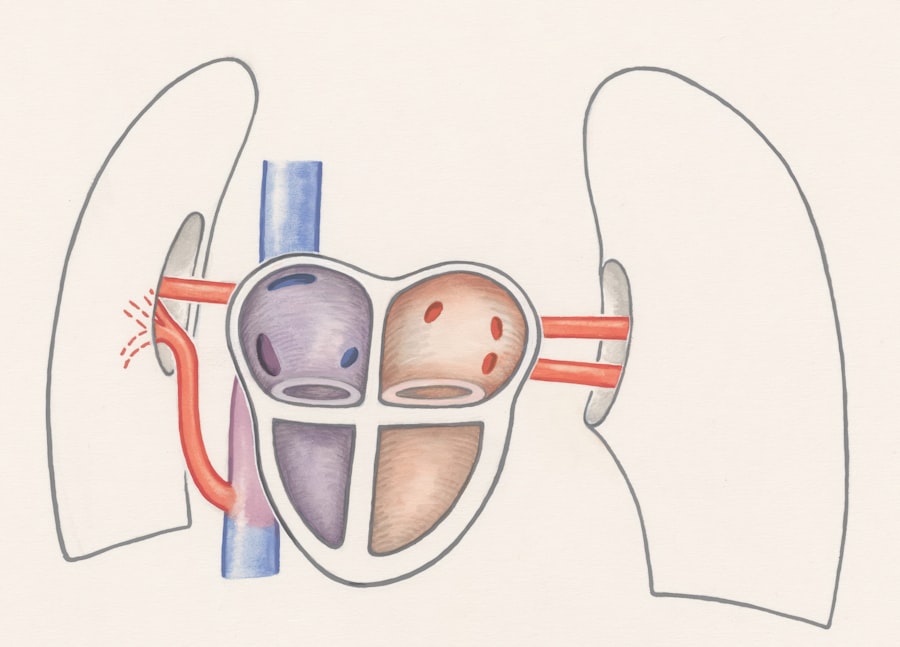
Identifying risk factors for cardiac heart failure is essential for prevention and early intervention. Several modifiable risk factors significantly contribute to the development of this condition. These include obesity, sedentary lifestyle, smoking, excessive alcohol consumption, and poor dietary habits high in sodium and saturated fats.
Each of these factors can lead to increased blood pressure, dyslipidemia, and ultimately cardiovascular disease. Non-modifiable risk factors also exist, including age, gender, and family history of heart disease. The incidence of heart failure increases with age, particularly in individuals over 65 years old. Men are generally at a higher risk than women until post-menopause when the risk levels tend to equalize. A family history of cardiovascular disease can indicate a genetic predisposition to heart failure, necessitating closer monitoring and proactive management strategies for at-risk individuals.
Signs and Symptoms of Cardiac Heart Failure
| Signs and Symptoms of Cardiac Heart Failure |
|---|
| Shortness of breath |
| Fatigue and weakness |
| Swelling in the legs, ankles, or abdomen |
| Rapid or irregular heartbeat |
| Reduced ability to exercise |
| Persistent cough or wheezing |
| Increased need to urinate at night |
The clinical manifestations of cardiac heart failure can be diverse and often overlap with other medical conditions. Common symptoms include dyspnea (shortness of breath), fatigue, and edema (swelling) in the legs, ankles, or abdomen due to fluid retention. Patients may also experience orthopnea (difficulty breathing while lying flat) and paroxysmal nocturnal dyspnea (sudden nighttime breathlessness), which can significantly impact quality of life.
In advanced stages, patients may present with more severe symptoms such as persistent cough or wheezing due to pulmonary congestion, rapid or irregular heartbeat (palpitations), and decreased exercise tolerance. It is crucial for healthcare providers to recognize these signs early on to initiate appropriate diagnostic evaluations and treatment plans. The variability in symptom presentation underscores the importance of individualized patient assessments.
Diagnosing Cardiac Heart Failure
The diagnosis of cardiac heart failure typically involves a comprehensive evaluation that includes a detailed medical history, physical examination, and diagnostic testing. Healthcare providers often utilize clinical criteria such as the Framingham criteria or the New York Heart Association (NYHA) functional classification system to assess symptom severity and functional capacity. Diagnostic tests play a pivotal role in confirming the diagnosis and identifying underlying causes.
Electrocardiograms (ECGs) can reveal arrhythmias or signs of previous myocardial infarction. Echocardiography is essential for assessing cardiac structure and function, providing information on ejection fraction and valvular abnormalities. Blood tests, including B-type natriuretic peptide (BNP) levels, can aid in distinguishing heart failure from other causes of dyspnea.
In some cases, advanced imaging techniques such as cardiac MRI or CT scans may be warranted for further evaluation.
Lifestyle Changes for Managing Cardiac Heart Failure
Lifestyle modifications are fundamental components of managing cardiac heart failure effectively. Patients are often advised to adopt a heart-healthy diet that emphasizes fruits, vegetables, whole grains, lean proteins, and healthy fats while minimizing sodium intake to reduce fluid retention and blood pressure. The American Heart Association recommends limiting sodium intake to less than 2,300 mg per day for most adults and ideally aiming for 1,500 mg for those with heart failure.
Regular physical activity is also crucial; however, exercise regimens should be tailored to individual capabilities and limitations. Engaging in moderate aerobic activities such as walking or cycling can improve cardiovascular fitness and enhance overall well-being. Weight management is another critical aspect; maintaining a healthy weight can alleviate stress on the heart and improve functional capacity.
Medications for Treating Cardiac Heart Failure
Pharmacological management of cardiac heart failure typically involves several classes of medications aimed at improving symptoms, enhancing quality of life, and prolonging survival. Angiotensin-converting enzyme (ACE) inhibitors are commonly prescribed to reduce afterload and improve cardiac output by promoting vasodilation. Examples include lisinopril and enalapril. Beta-blockers are another cornerstone in heart failure management; they help decrease heart rate and myocardial oxygen demand while improving left ventricular function over time. Carvedilol and metoprolol succinate are frequently utilized in this context. Diuretics are essential for managing fluid overload by promoting renal excretion of sodium and water; furosemide is a commonly used loop diuretic. In recent years, newer agents such as angiotensin receptor-neprilysin inhibitors (ARNIs), exemplified by sacubitril/valsartan (Entresto), have emerged as effective treatments that provide additional benefits over traditional therapies by enhancing natriuresis while inhibiting harmful neurohormonal activation.
Surgical and Medical Procedures for Cardiac Heart Failure
In certain cases where medical management is insufficient or when structural abnormalities contribute significantly to heart failure symptoms, surgical interventions may be necessary. Coronary artery bypass grafting (CABG) can restore blood flow in patients with significant coronary artery disease. Valve repair or replacement procedures may also be indicated for patients with severe valvular dysfunction contributing to heart failure.
Additionally, cardiac resynchronization therapy (CRT) is a specialized procedure that involves implanting a device to coordinate contractions between the left and right ventricles in patients with electrical conduction abnormalities. This therapy has been shown to improve symptoms and reduce hospitalizations in select patients with HFrEF.
Devices for Managing Cardiac Heart Failure
Device therapy plays an increasingly important role in managing cardiac heart failure, particularly in patients with advanced disease or those who remain symptomatic despite optimal medical therapy. Implantable cardioverter-defibrillators (ICDs) are indicated for patients at high risk of life-threatening arrhythmias due to reduced ejection fraction. Furthermore, left ventricular assist devices (LVADs) serve as mechanical pumps that support cardiac function in patients awaiting heart transplantation or those who are not candidates for surgery.
These devices can significantly improve quality of life and functional capacity while prolonging survival in select populations.
Advanced Treatments for Severe Cardiac Heart Failure
For patients with refractory heart failure who do not respond adequately to conventional therapies or device interventions, advanced treatment options may be considered. Heart transplantation remains the gold standard for eligible candidates with end-stage heart failure; however, donor organ availability poses significant challenges. Emerging therapies such as gene therapy and stem cell therapy are under investigation as potential avenues for regenerating damaged myocardium or improving cardiac function at a cellular level.
Clinical trials are ongoing to evaluate the safety and efficacy of these innovative approaches in treating severe heart failure.
Conclusion and Outlook for Cardiac Heart Failure Management
In conclusion, cardiac heart failure represents a significant public health challenge characterized by complex pathophysiology and diverse clinical presentations. Early recognition of risk factors and symptoms is crucial for timely intervention and improved outcomes. A multifaceted approach encompassing lifestyle modifications, pharmacotherapy, surgical interventions, device therapy, and advanced treatments offers hope for better management of this condition.
As research continues to evolve in understanding the mechanisms underlying heart failure and developing novel therapeutic strategies, there is optimism for enhanced patient care in the future. Ongoing education for both healthcare providers and patients will be vital in navigating this intricate landscape of cardiac health management effectively. ### FAQ Section 1.
**What is cardiac heart failure?**
– Cardiac heart failure is a syndrome where the heart cannot pump enough blood to meet the body’s needs due to various underlying conditions. 2. **What are the main causes of cardiac heart failure?**
– Common causes include ischemic heart disease, hypertension, valvular diseases, cardiomyopathies, diabetes mellitus, and chronic kidney disease.
3. **What are the risk factors associated with cardiac heart failure?**
– Modifiable risk factors include obesity, sedentary lifestyle, smoking, excessive alcohol intake, and poor diet; non-modifiable factors include age, gender, and family history. 4.
**What symptoms should I look out for?**
– Symptoms include shortness of breath (dyspnea), fatigue, edema (swelling), orthopnea (difficulty breathing while lying down), rapid heartbeat (palpitations), and decreased exercise tolerance. 5.
**
– Diagnosis involves a thorough medical history review, physical examination, ECGs, echocardiography, blood tests (e.g., BNP levels), and sometimes advanced imaging techniques.
6. **What lifestyle changes can help manage cardiac heart failure?**
– Recommended changes include adopting a low-sodium diet rich in fruits and vegetables, engaging in regular physical activity tailored to individual capabilities, maintaining a healthy weight, and avoiding tobacco use. 7.
**What medications are commonly prescribed for cardiac heart failure?**
– Common medications include ACE inhibitors (e.g., lisinopril), beta-blockers (e.g., carvedilol), diuretics (e.g., furosemide), and newer agents like sacubitril/valsartan (Entresto). 8. **Are there surgical options available?**
– Yes, surgical options include coronary artery bypass grafting (CABG), valve repair/replacement procedures, and cardiac resynchronization therapy (CRT).
9. **What devices are used in managing cardiac heart failure?**
– Devices such as implantable cardioverter-defibrillators (ICDs) for arrhythmia prevention and left ventricular assist devices (LVADs) for mechanical support are utilized. 10.
**What advanced treatments are available for severe cases?**
– Advanced treatments include heart transplantation for eligible candidates and emerging therapies like gene therapy or stem cell therapy currently under investigation. In summary, cardiac heart failure is a multifaceted condition requiring comprehensive management strategies that encompass lifestyle changes, pharmacological interventions, surgical options, device therapies, and advanced treatments tailored to individual patient needs.
Cardiac heart failure is a serious medical condition that affects millions of people worldwide. According to a recent article on Boogger, analyzing the latest Amazon stock movements, it is important to consider the financial implications of managing a chronic illness like heart failure. Understanding how to navigate healthcare costs and insurance coverage, such as renters insurance, can be crucial for individuals dealing with this condition. For more information on job opportunities that may offer benefits related to healthcare coverage, check out Boogger’s article on Amazon job categories available. Source
FAQs
What is cardiac heart failure?
Cardiac heart failure, also known as congestive heart failure, is a condition in which the heart is unable to pump enough blood to meet the body’s needs.
What are the common symptoms of cardiac heart failure?
Common symptoms of cardiac heart failure include shortness of breath, fatigue, swelling in the legs and abdomen, and difficulty exercising.
What are the causes of cardiac heart failure?
Cardiac heart failure can be caused by conditions such as coronary artery disease, high blood pressure, heart valve disorders, and cardiomyopathy.
How is cardiac heart failure diagnosed?
Cardiac heart failure is diagnosed through a combination of medical history, physical examination, blood tests, imaging tests (such as echocardiogram), and other diagnostic procedures.
What are the treatment options for cardiac heart failure?
Treatment for cardiac heart failure may include lifestyle changes, medications, implantable devices (such as pacemakers or defibrillators), and in some cases, heart surgery.
Can cardiac heart failure be prevented?
While some risk factors for cardiac heart failure, such as age and family history, cannot be changed, lifestyle modifications such as maintaining a healthy weight, exercising regularly, and managing conditions like high blood pressure and diabetes can help reduce the risk of developing cardiac heart failure.