Now Reading: Advancements in Glioblastoma Treatments
-
01
Advancements in Glioblastoma Treatments
Advancements in Glioblastoma Treatments

Glioblastoma multiforme (GBM) is recognized as one of the most aggressive and lethal forms of primary brain tumors. Characterized by its rapid proliferation and invasive nature, GBM arises from glial cells, specifically astrocytes, which are responsible for supporting and insulating neurons. The World Health Organization classifies GBM as a grade IV tumor, indicating its high degree of malignancy.
The incidence rate of glioblastoma is approximately 3.19 per 100,000 individuals, with a median survival rate of only 15 months post-diagnosis, underscoring the urgent need for effective treatment strategies. The etiology of glioblastoma remains largely enigmatic, although several risk factors have been identified, including genetic predispositions and environmental exposures. Symptoms often manifest as headaches, seizures, cognitive decline, and focal neurological deficits, which can significantly impair quality of life.
The complexity of GBM is further compounded by its heterogeneous cellular composition and the presence of a blood-brain barrier that limits therapeutic interventions. As such, understanding the multifaceted nature of glioblastoma is crucial for developing innovative treatment modalities.
Key Takeaways
- Glioblastoma is an aggressive type of brain cancer with a poor prognosis, requiring innovative treatment approaches.
- Traditional treatment options for glioblastoma include surgery, radiation therapy, and chemotherapy.
- Advancements in surgery for glioblastoma treatment include minimally invasive techniques and precision-guided tools.
- Radiation therapy innovations for glioblastoma focus on targeted delivery and reduced side effects.
- Chemotherapy developments for glioblastoma involve new drug combinations and delivery methods to improve efficacy and reduce toxicity.
Traditional Treatment Options for Glioblastoma
The cornerstone of glioblastoma management has historically involved a multimodal approach, integrating surgery, radiation therapy, and chemotherapy. Surgical resection aims to excise as much of the tumor as possible while preserving surrounding healthy brain tissue. This is often followed by adjuvant therapies to target residual tumor cells.
The standard chemotherapy regimen typically includes temozolomide (TMZ), an alkylating agent that disrupts DNA replication in rapidly dividing cells. Radiation therapy serves as a critical adjunct to surgical intervention, with external beam radiation being the most common modality employed. The standard treatment protocol involves delivering a total dose of 60 Gy over six weeks, which has been shown to improve overall survival rates when combined with TMZ.
Despite these traditional approaches, the prognosis for patients with glioblastoma remains dismal, necessitating ongoing research into more effective treatment options.
Surgery Advancements in Glioblastoma Treatment
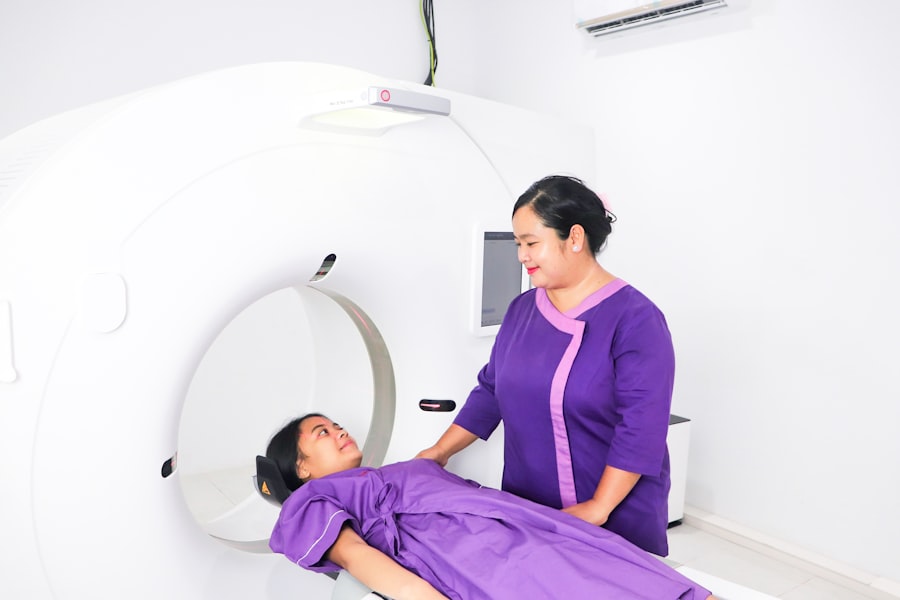
Recent advancements in surgical techniques have significantly enhanced the management of glioblastoma. The advent of intraoperative imaging technologies, such as MRI and ultrasound, allows neurosurgeons to visualize tumor margins in real-time, facilitating more precise resections. Additionally, the use of fluorescence-guided surgery has emerged as a promising technique; by administering 5-aminolevulinic acid (5-ALA), which selectively accumulates in tumor cells, surgeons can better delineate tumor boundaries during surgery.
Moreover, the development of minimally invasive surgical approaches, including endoscopic techniques and stereotactic navigation systems, has reduced patient morbidity associated with traditional open craniotomies. These innovations not only improve surgical outcomes but also enhance recovery times and overall patient quality of life. As surgical methodologies continue to evolve, they hold the potential to significantly impact the management of glioblastoma.
Radiation Therapy Innovations for Glioblastoma
| Therapy Innovation | Description | Outcome |
|---|---|---|
| Intensity-Modulated Radiation Therapy (IMRT) | Delivers precise radiation doses to tumor while minimizing exposure to surrounding healthy tissue | Improved tumor targeting and reduced side effects |
| Stereotactic Radiosurgery (SRS) | Delivers high doses of radiation to tumor with extreme precision | Effective tumor control with minimal impact on healthy tissue |
| Proton Therapy | Uses protons to deliver radiation, minimizing damage to healthy tissue | Reduced risk of long-term side effects |
Innovations in radiation therapy have transformed the landscape of glioblastoma treatment. Stereotactic radiosurgery (SRS) and stereotactic body radiation therapy (SBRT) are two advanced techniques that deliver high doses of radiation with remarkable precision, minimizing damage to surrounding healthy tissue. These modalities are particularly beneficial for patients with recurrent glioblastoma or those who are not candidates for surgical resection.
Furthermore, the integration of advanced imaging techniques such as functional MRI and positron emission tomography (PET) into radiation planning has improved target delineation and treatment accuracy. Research into dose escalation strategies and hypofractionated regimens is ongoing, with studies suggesting that these approaches may enhance local control rates without significantly increasing toxicity. As radiation therapy continues to evolve, it remains a pivotal component in the comprehensive management of glioblastoma.
Chemotherapy Developments for Glioblastoma
Chemotherapy remains a fundamental aspect of glioblastoma treatment, with temozolomide being the most widely utilized agent due to its oral bioavailability and ability to cross the blood-brain barrier. However, resistance to chemotherapy poses a significant challenge in managing this malignancy. Recent developments have focused on understanding the molecular mechanisms underlying this resistance and identifying novel agents that can overcome it.
Newer chemotherapeutic agents such as lomustine and carmustine have been explored in combination with TMZ to enhance therapeutic efficacy. Additionally, research into drug delivery systems, including liposomal formulations and polymer-based carriers, aims to improve drug concentration at the tumor site while minimizing systemic toxicity. Ongoing clinical trials are investigating the potential of combination therapies that integrate chemotherapy with other modalities such as immunotherapy and targeted therapies to improve patient outcomes.
Immunotherapy Breakthroughs in Glioblastoma Treatment

Immunotherapy has emerged as a promising avenue for glioblastoma treatment, harnessing the body’s immune system to target and eliminate tumor cells. Checkpoint inhibitors such as pembrolizumab and nivolumab have shown efficacy in various malignancies; however, their role in glioblastoma remains under investigation due to the unique immunosuppressive tumor microenvironment. Recent studies have explored the use of dendritic cell vaccines and oncolytic viruses as potential immunotherapeutic strategies.
Dendritic cell vaccines aim to stimulate an immune response against tumor-associated antigens, while oncolytic viruses selectively infect and destroy cancer cells while sparing normal tissue. Clinical trials assessing these innovative approaches are ongoing, with preliminary results indicating potential benefits in terms of survival and quality of life for patients with glioblastoma.
Targeted Therapies for Glioblastoma
Targeted therapies represent a paradigm shift in glioblastoma treatment by focusing on specific molecular alterations within tumor cells. The identification of genetic mutations such as EGFR amplification and IDH1 mutations has paved the way for developing targeted agents that inhibit these pathways. For instance, EGFR inhibitors like erlotinib have been evaluated in clinical trials; however, their efficacy has been limited due to the development of resistance mechanisms.
Additionally, small molecule inhibitors targeting downstream signaling pathways involved in cell proliferation and survival are under investigation. Agents such as everolimus and bevacizumab (an anti-VEGF monoclonal antibody) have shown promise in clinical settings by disrupting angiogenesis and tumor growth. As our understanding of glioblastoma biology deepens, targeted therapies hold great potential for improving patient outcomes through personalized treatment approaches.
Gene Therapy in Glioblastoma Treatment
Gene therapy offers a novel approach to treating glioblastoma by directly modifying genetic material within tumor cells or enhancing the immune response against them. Techniques such as viral vector delivery systems enable the introduction of therapeutic genes that can induce apoptosis or inhibit tumor growth. For example, gene therapy strategies utilizing adenoviral vectors expressing pro-apoptotic genes have demonstrated efficacy in preclinical models.
Moreover, research into CRISPR-Cas9 technology has opened new avenues for precise genome editing in glioblastoma cells. This revolutionary approach allows for targeted modifications that can disrupt oncogenic pathways or restore normal cellular functions. While gene therapy remains largely experimental in glioblastoma treatment, ongoing clinical trials are exploring its safety and efficacy in combination with other therapeutic modalities.
Nanotechnology Applications in Glioblastoma Treatment
Nanotechnology has emerged as a transformative field in medicine, particularly in oncology. In glioblastoma treatment, nanoparticles can be engineered to enhance drug delivery directly to tumor sites while minimizing systemic side effects. These nanoscale carriers can encapsulate chemotherapeutic agents or therapeutic genes, improving their bioavailability and therapeutic index.
Additionally, nanoparticles can be designed to target specific receptors overexpressed on glioblastoma cells, facilitating selective uptake by tumor tissues. Research into multifunctional nanoparticles that combine imaging capabilities with therapeutic agents is ongoing, providing a promising avenue for real-time monitoring of treatment response. As nanotechnology continues to advance, it holds significant potential for revolutionizing glioblastoma management.
Clinical Trials and Emerging Treatments for Glioblastoma
Clinical trials play a crucial role in advancing our understanding of glioblastoma treatment options and evaluating emerging therapies. Numerous ongoing trials are investigating novel agents across various modalities, including immunotherapy, targeted therapies, and combination regimens. These studies aim to identify effective strategies that can improve survival rates and quality of life for patients diagnosed with this challenging malignancy.
Participation in clinical trials offers patients access to cutting-edge treatments that may not yet be available through standard care pathways. Furthermore, these trials contribute valuable data that can inform future research directions and therapeutic approaches. As we continue to explore innovative treatments through rigorous clinical investigation, there is hope for improved outcomes for individuals affected by glioblastoma.
Future Directions in Glioblastoma Treatment Research
The future landscape of glioblastoma treatment research is poised for significant advancements driven by technological innovations and a deeper understanding of tumor biology. Personalized medicine approaches that tailor treatments based on individual genetic profiles are gaining traction, allowing for more effective targeting of specific molecular alterations within tumors. Additionally, collaborative efforts among researchers across disciplines will be essential in addressing the multifactorial challenges posed by glioblastoma.
Integrating insights from genomics, immunology, and nanotechnology will pave the way for novel therapeutic strategies that can enhance treatment efficacy while minimizing adverse effects. As we look ahead, continued investment in research funding and infrastructure will be critical in accelerating progress toward more effective treatments for glioblastoma patients. In summary, glioblastoma multiforme remains one of the most formidable challenges in neuro-oncology due to its aggressive nature and poor prognosis.
Traditional treatment modalities such as surgery, radiation therapy, and chemotherapy have laid the groundwork for management strategies; however, ongoing research into innovative approaches—including immunotherapy, targeted therapies, gene therapy, and nanotechnology—holds promise for improving patient outcomes. Clinical trials will continue to play a pivotal role in evaluating emerging treatments and refining existing protocols as we strive toward more effective solutions for this devastating disease.
There have been significant advancements in the treatment of glioblastoma, a type of brain cancer, with researchers exploring various innovative approaches. One related article discusses the latest developments in immunotherapy for glioblastoma, highlighting how this treatment option harnesses the body’s immune system to target and destroy cancer cells. To learn more about this promising treatment method, check out the article