Now Reading: Understanding Nose Cancer: Symptoms, Treatment, and Prognosis
-
01
Understanding Nose Cancer: Symptoms, Treatment, and Prognosis
Understanding Nose Cancer: Symptoms, Treatment, and Prognosis
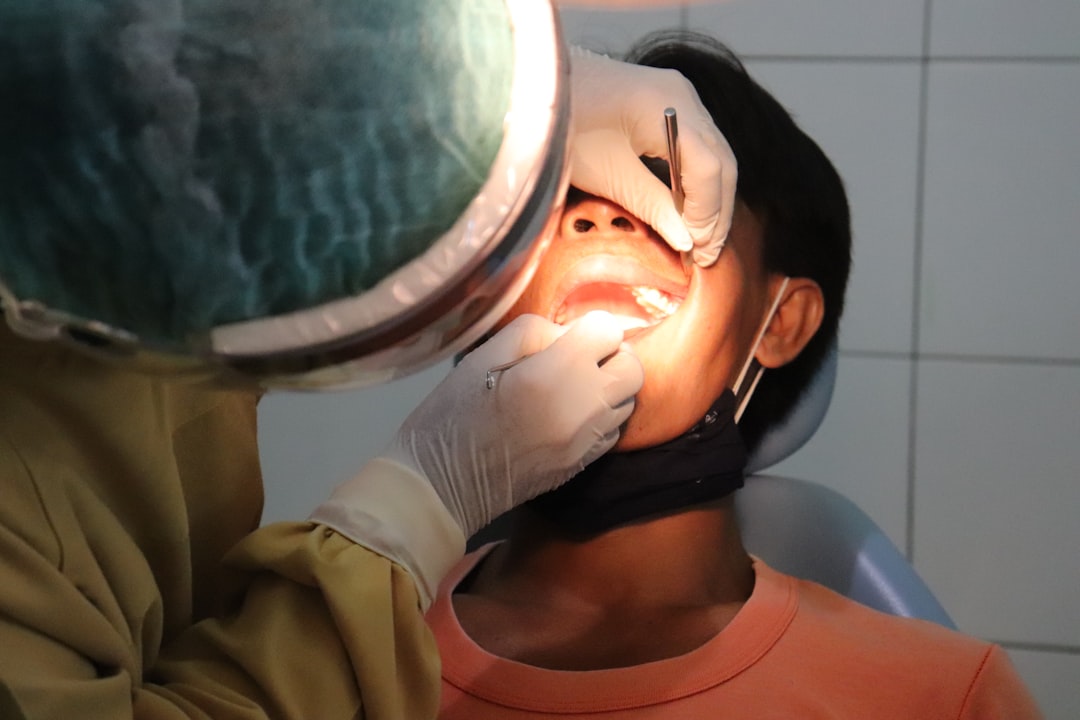
Nose cancer, medically referred to as nasal cavity and paranasal sinus cancer, is a rare but significant malignancy that affects the upper respiratory tract. This type of cancer arises in the tissues of the nasal cavity or the paranasal sinuses, which are air-filled spaces located around the nose. The incidence of this disease is relatively low, with approximately 1 in 100,000 individuals diagnosed annually in the United States.
However, its impact on quality of life can be profound, given the vital functions of the nasal structures involved in respiration, olfaction, and speech. The etiology of nose cancer is multifactorial, with risk factors including prolonged exposure to certain chemicals, tobacco use, and viral infections such as human papillomavirus (HPV). Occupational hazards, particularly in industries involving wood dust, metal fumes, and certain chemicals, have also been implicated.
Understanding these risk factors is crucial for prevention and early detection, as timely intervention can significantly improve outcomes.
Key Takeaways
- Nose cancer is a rare type of cancer that can develop in the nasal cavity or paranasal sinuses.
- Common symptoms of nose cancer include nasal congestion, nosebleeds, facial pain, and changes in sense of smell.
- Diagnosing nose cancer involves a physical examination, imaging tests, and a biopsy to confirm the presence of cancer cells.
- Types of nose cancer include squamous cell carcinoma, adenocarcinoma, and melanoma, each with different treatment approaches.
- Treatment options for nose cancer may include surgery, radiation therapy, chemotherapy, and targeted therapy, depending on the stage and type of cancer.
Common Symptoms of Nose Cancer
The clinical presentation of nose cancer can vary widely among individuals, often leading to delays in diagnosis. Common symptoms include nasal obstruction, which may manifest as difficulty breathing through one nostril or both. Patients may also experience persistent nasal congestion that does not respond to standard treatments.
Another hallmark symptom is epistaxis, or nosebleeds, which can occur spontaneously or with minimal provocation. Additional signs may include facial pain or swelling, particularly around the eyes or cheeks, and changes in the sense of smell (hyposmia or anosmia).
Recognizing these symptoms early is essential for prompt evaluation and management.
Diagnosing Nose Cancer
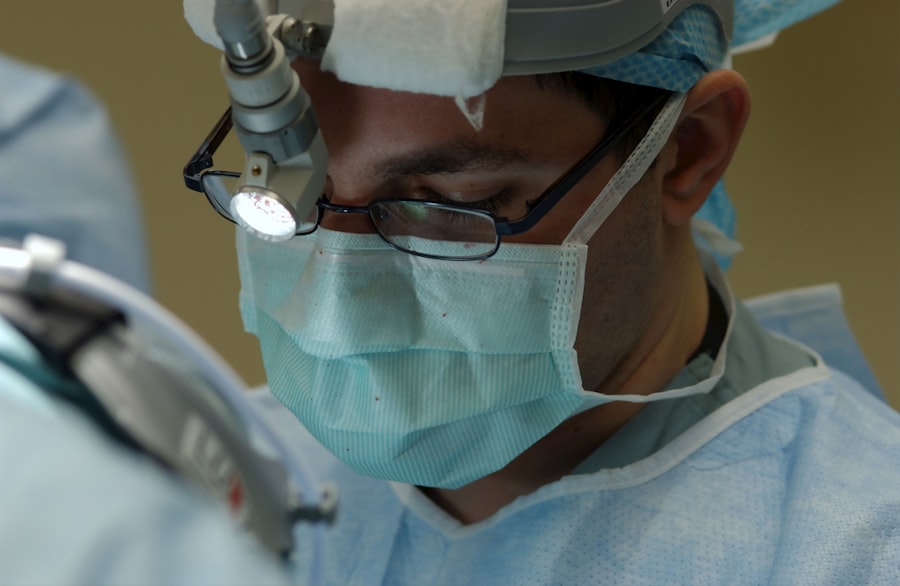
The diagnostic process for nose cancer typically begins with a thorough medical history and physical examination. An otolaryngologist (ear, nose, and throat specialist) will perform a nasal endoscopy, a procedure that allows direct visualization of the nasal cavity and sinuses using a thin, flexible tube equipped with a camera. This examination can reveal abnormal growths or lesions that warrant further investigation.
Imaging studies play a crucial role in the diagnostic workup. Computed tomography (CT) scans are commonly utilized to assess the extent of disease and involvement of adjacent structures. Magnetic resonance imaging (MRI) may also be employed for a more detailed evaluation of soft tissue involvement.
A definitive diagnosis is achieved through histopathological examination of biopsy specimens obtained during endoscopy or surgery. This analysis helps determine the specific type of cancer and guides treatment decisions.
Types of Nose Cancer
| Type of Nose Cancer | Description |
|---|---|
| Squamous cell carcinoma | The most common type of nose cancer, often caused by prolonged exposure to sunlight or other carcinogens. |
| Adenocarcinoma | A type of cancer that starts in the glandular cells of the nose and can be aggressive. |
| Melanoma | A rare but serious type of skin cancer that can develop in the nose. |
| Esthesioneuroblastoma | A rare cancer that starts in the olfactory nerve cells in the nose and can be aggressive. |
Nose cancer encompasses several histological types, with squamous cell carcinoma being the most prevalent variant. This malignancy arises from the epithelial cells lining the nasal cavity and paranasal sinuses. Other types include adenocarcinoma, which originates from glandular tissue; melanoma, a malignant tumor of melanocytes; and sarcomas, which arise from connective tissues.
Each subtype exhibits distinct biological behaviors and responses to treatment. For instance, squamous cell carcinoma is often associated with tobacco use and has a propensity for local invasion. In contrast, adenocarcinomas may be linked to occupational exposures and can present with different clinical features.
Understanding these variations is essential for tailoring treatment strategies and predicting outcomes.
Treatment Options for Nose Cancer
The management of nose cancer is multidisciplinary and typically involves a combination of surgery, radiation therapy, and chemotherapy. The choice of treatment depends on several factors, including the type and stage of cancer, the patient’s overall health, and their preferences. Early-stage tumors may be amenable to surgical resection alone, while more advanced cases often require adjuvant therapies to improve local control and reduce recurrence rates.
Surgical intervention remains the cornerstone of treatment for localized disease. However, for patients with advanced disease or those who are not surgical candidates due to comorbidities, radiation therapy may serve as a primary treatment modality. Chemotherapy is generally reserved for cases with distant metastasis or as an adjunct to other therapies in select situations.
Surgery for Nose Cancer

Surgical resection aims to achieve complete removal of the tumor while preserving surrounding healthy tissue whenever possible. The extent of surgery varies based on tumor size and location; procedures may range from endoscopic excision for small lesions to more extensive approaches such as craniofacial resection for larger tumors invading adjacent structures. In some cases, reconstructive surgery may be necessary following tumor removal to restore function and aesthetics.
Techniques such as free tissue transfer or local flaps can be employed to reconstruct defects resulting from surgical excision. The surgical team must carefully plan these procedures to optimize functional outcomes while minimizing complications.
Radiation Therapy for Nose Cancer
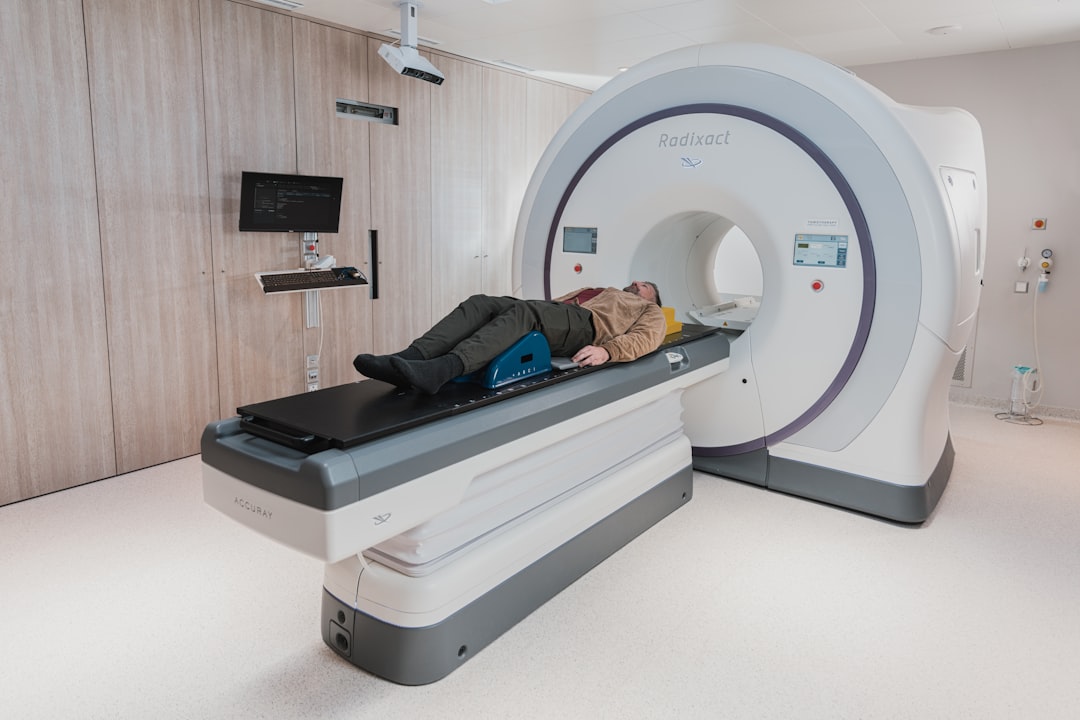
Radiation therapy utilizes high-energy particles or waves to destroy cancer cells by damaging their DNThis modality can be employed as a primary treatment for patients who are not surgical candidates or as an adjuvant therapy following surgery to eliminate residual disease. External beam radiation therapy (EBRT) is the most common form used in nose cancer treatment. The treatment regimen typically involves daily sessions over several weeks, with careful planning to minimize exposure to surrounding healthy tissues.
Side effects may include skin irritation, mucositis (inflammation of mucous membranes), and fatigue. Advances in radiation techniques, such as intensity-modulated radiation therapy (IMRT), have improved precision and reduced side effects by targeting tumors more accurately while sparing normal tissues.
Chemotherapy for Nose Cancer
Chemotherapy employs cytotoxic agents to target rapidly dividing cancer cells throughout the body. While not a first-line treatment for localized nose cancer, it may be indicated in cases with advanced disease or metastasis. Commonly used agents include cisplatin, carboplatin, and taxanes, which can be administered alone or in combination regimens.
The decision to use chemotherapy is based on tumor characteristics and patient factors such as overall health and preferences. Side effects can vary widely depending on the specific drugs used but may include nausea, vomiting, hair loss, and increased susceptibility to infections due to bone marrow suppression. Supportive care measures are essential to manage these side effects effectively.
Targeted Therapy for Nose Cancer
Targeted therapy represents a novel approach that focuses on specific molecular targets associated with cancer growth and progression. In nose cancer, therapies targeting epidermal growth factor receptor (EGFR) have shown promise in clinical trials. Agents such as cetuximab inhibit EGFR signaling pathways that promote tumor growth.
These therapies are typically used in conjunction with traditional treatments like chemotherapy or radiation therapy to enhance efficacy. The selection of targeted agents depends on the molecular profile of the tumor and requires comprehensive genomic testing to identify actionable mutations or overexpressed proteins.
Prognosis and Survival Rates for Nose Cancer
The prognosis for patients diagnosed with nose cancer varies significantly based on several factors including tumor type, stage at diagnosis, and response to treatment. Early-stage cancers generally have a more favorable prognosis compared to advanced disease with regional or distant metastasis. The overall five-year survival rate for nasal cavity cancers ranges from 50% to 70%, depending on these variables.
Regular follow-up care is essential for monitoring potential recurrence and managing long-term effects of treatment. Patients should engage in discussions with their healthcare team regarding their individual prognosis and any clinical trials that may offer additional therapeutic options.
Coping with Nose Cancer
Coping with a diagnosis of nose cancer can be challenging both physically and emotionally. Patients often experience anxiety related to treatment decisions and concerns about their future health outcomes. Support groups and counseling services can provide valuable resources for emotional support during this difficult time.
Additionally, maintaining open communication with healthcare providers is crucial for addressing concerns about symptoms or side effects from treatment. Integrative approaches such as nutrition counseling, physical therapy, and mindfulness practices can also enhance overall well-being during the cancer journey. In summary, nose cancer is a rare malignancy that requires a comprehensive approach for diagnosis and management.
Understanding its symptoms, types, and treatment options is vital for improving patient outcomes. With advancements in surgical techniques, radiation therapy, chemotherapy, and targeted therapies, there is hope for better prognoses and quality of life for those affected by this condition.
There is a fascinating article on national holidays that explores how different cultures celebrate and honor their traditions. This topic is relevant to the discussion of nose cancer because understanding cultural practices and beliefs can help healthcare professionals provide more personalized care to patients battling this disease. By recognizing and respecting the cultural significance of holidays and traditions, medical professionals can better support patients in their journey towards healing.
FAQs
What is nose cancer?
Nose cancer, also known as nasal cavity cancer, is a type of cancer that occurs in the nasal cavity or paranasal sinuses. It can develop in the lining of the nasal cavity or in the sinuses located around the nose.
What are the symptoms of nose cancer?
Symptoms of nose cancer may include nasal congestion, nosebleeds, facial swelling or pain, a lump in the nose or sinus area, frequent sinus infections, and changes in vision or double vision.
What are the risk factors for nose cancer?
Risk factors for nose cancer include exposure to certain workplace chemicals, such as wood dust or nickel, smoking, a history of chronic sinusitis, and certain genetic conditions.
How is nose cancer diagnosed?
Nose cancer is typically diagnosed through a combination of physical examination, imaging tests (such as CT scans or MRI), and biopsy of the affected tissue.
What are the treatment options for nose cancer?
Treatment for nose cancer may include surgery to remove the cancerous tissue, radiation therapy, and chemotherapy. The specific treatment plan will depend on the stage and location of the cancer.
What is the prognosis for nose cancer?
The prognosis for nose cancer varies depending on the stage at which it is diagnosed and the specific characteristics of the cancer. Early detection and treatment can improve the prognosis for individuals with nose cancer.