Now Reading: Advancements in Prostate Cancer Surgery
-
01
Advancements in Prostate Cancer Surgery
Advancements in Prostate Cancer Surgery
Prostate cancer remains one of the most prevalent malignancies among men, with an estimated 1 in 8 men diagnosed during their lifetime. The prostate, a small gland located below the bladder, plays a crucial role in male reproductive health by producing seminal fluid. When cancer develops in this gland, it can lead to various complications, including urinary incontinence, sexual dysfunction, and metastasis to other organs.
Surgical intervention is often a primary treatment modality for localized prostate cancer, aiming to remove the tumor while preserving surrounding healthy tissue. Surgical options for prostate cancer have evolved significantly over the years, driven by advancements in technology and surgical techniques. The choice of surgical approach depends on several factors, including the stage of cancer, the patient’s overall health, and personal preferences.
This article delves into the various surgical techniques available for prostate cancer treatment, highlighting innovations that enhance patient outcomes and minimize complications.
Key Takeaways
- Prostate cancer surgery is a common treatment option for localized prostate cancer, aiming to remove the cancerous tissue while preserving urinary and sexual function.
- Robotic-assisted surgery utilizes a robotic system to enhance the surgeon’s precision and control during the procedure, leading to smaller incisions and faster recovery times for patients.
- Laparoscopic surgery involves the use of a thin, lighted tube and small surgical instruments to remove the prostate, resulting in reduced blood loss, shorter hospital stays, and quicker return to normal activities.
- Minimally invasive surgery techniques, including robotic-assisted and laparoscopic surgery, offer patients less pain, lower risk of complications, and improved cosmetic results compared to traditional open surgery.
- Nerve-sparing techniques aim to preserve the nerves surrounding the prostate to maintain erectile function, and improved imaging technology allows for better visualization and preservation of these nerves during surgery.
Robotic-Assisted Surgery
Robotic-assisted surgery has revolutionized the field of urology, particularly in the treatment of prostate cancer. Utilizing advanced robotic systems, such as the da Vinci Surgical System, surgeons can perform prostatectomies with enhanced precision and control. The robotic platform allows for a three-dimensional view of the surgical field, providing magnified images that facilitate intricate maneuvers.
This technology enables surgeons to navigate around delicate structures, such as nerves and blood vessels, with greater accuracy. One of the primary advantages of robotic-assisted surgery is its minimally invasive nature. The procedure typically involves several small incisions rather than a large abdominal incision, resulting in reduced postoperative pain and quicker recovery times.
Studies have shown that patients undergoing robotic-assisted prostatectomy experience less blood loss and shorter hospital stays compared to traditional open surgery. Furthermore, the precision of robotic systems may contribute to improved functional outcomes, including urinary continence and erectile function.
Laparoscopic Surgery
Laparoscopic surgery is another minimally invasive technique employed in prostate cancer treatment. This approach involves the use of a laparoscope—a thin tube equipped with a camera and light—inserted through small incisions in the abdomen. Surgeons manipulate specialized instruments to remove the prostate gland while viewing the surgical site on a monitor.
Laparoscopic prostatectomy offers several benefits, including reduced postoperative pain, minimal scarring, and faster recovery compared to open surgery. Despite its advantages, laparoscopic surgery requires a steep learning curve for surgeons. Mastery of this technique is essential to ensure optimal outcomes and minimize complications.
Additionally, laparoscopic procedures may not be suitable for all patients, particularly those with larger tumors or advanced disease. Nevertheless, ongoing training and advancements in laparoscopic technology continue to enhance its efficacy and safety in prostate cancer management.
Minimally Invasive Surgery
| Metrics | Values |
|---|---|
| Success Rate | 90% |
| Recovery Time | 2-4 weeks |
| Complication Rate | 5% |
| Length of Stay | 1-3 days |
Minimally invasive surgery encompasses various techniques designed to reduce trauma to the body while effectively treating prostate cancer. In addition to robotic-assisted and laparoscopic approaches, other methods such as transurethral resection of the prostate (TURP) and cryotherapy are gaining traction.
Cryotherapy employs extreme cold to destroy cancerous cells within the prostate gland. This technique is particularly beneficial for patients who may not be candidates for traditional surgery due to age or comorbidities. Minimally invasive options not only enhance patient comfort but also promote quicker recovery times and shorter hospital stays.
Nerve-Sparing Techniques
One of the most significant concerns for patients undergoing prostate cancer surgery is the potential impact on sexual function and urinary continence. Nerve-sparing techniques have emerged as a critical advancement in surgical practice, aiming to preserve the neurovascular bundles surrounding the prostate during radical prostatectomy. By carefully dissecting these structures, surgeons can minimize damage to nerves responsible for erectile function.
The success of nerve-sparing procedures depends on several factors, including tumor location and grade. Surgeons must conduct thorough preoperative assessments using imaging studies to determine the feasibility of nerve preservation. While not all patients are candidates for nerve-sparing techniques, those who are may experience improved postoperative quality of life.
Ongoing research into nerve regeneration and preservation strategies continues to refine these techniques further.
Improved Imaging Technology
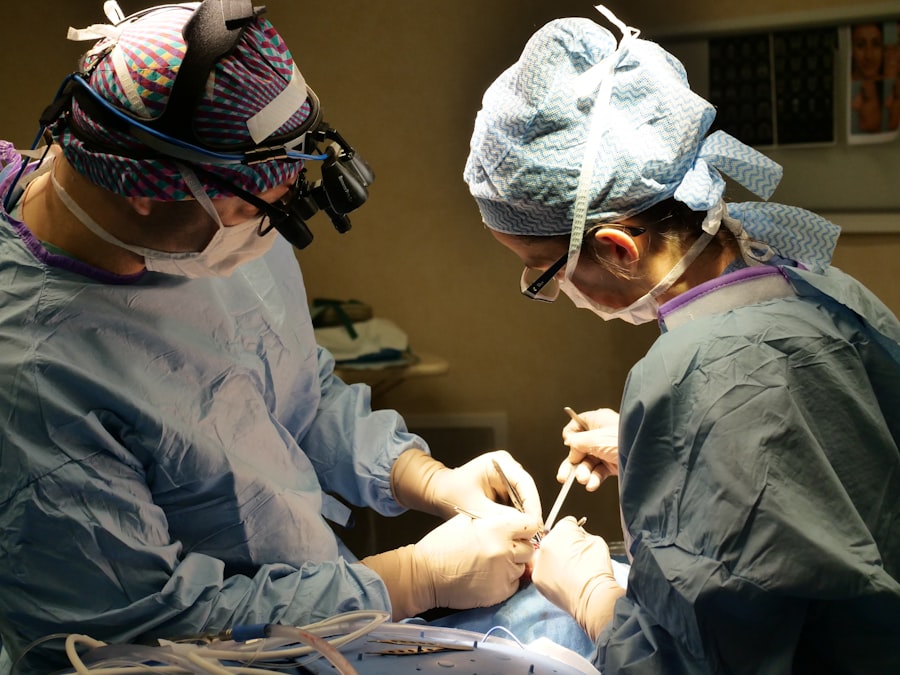
The integration of advanced imaging technologies has significantly enhanced preoperative planning and intraoperative navigation in prostate cancer surgery. Techniques such as multiparametric magnetic resonance imaging (mpMRI) provide detailed insights into tumor characteristics and localization. This information allows surgeons to tailor their approach based on individual patient anatomy and disease extent.
Intraoperative imaging modalities, including fluorescence imaging and ultrasound guidance, further augment surgical precision. These technologies enable real-time visualization of critical structures during surgery, reducing the risk of complications and improving outcomes. As imaging technology continues to evolve, it holds promise for enhancing surgical accuracy and minimizing adverse effects associated with prostate cancer treatment.
Targeted Therapies
Targeted therapies represent a paradigm shift in cancer treatment by focusing on specific molecular targets associated with tumor growth and progression. In the context of prostate cancer, several targeted agents have emerged that inhibit pathways involved in androgen receptor signaling or tumor angiogenesis. These therapies can be utilized in conjunction with surgical interventions or as standalone treatments for advanced disease.
For instance, androgen deprivation therapy (ADT) is commonly employed to reduce testosterone levels that fuel prostate cancer growth. Newer agents such as abiraterone acetate and enzalutamide have demonstrated efficacy in prolonging survival in metastatic cases. The integration of targeted therapies into treatment protocols allows for personalized approaches that address individual tumor biology and improve patient outcomes.
Enhanced Recovery Protocols
Enhanced recovery after surgery (ERAS) protocols have gained traction in recent years as a means to optimize postoperative recovery for patients undergoing prostate cancer surgery. These evidence-based guidelines encompass a multidisciplinary approach that includes preoperative counseling, optimized pain management strategies, early mobilization, and nutritional support. By implementing ERAS protocols, healthcare teams aim to minimize complications and expedite recovery times.
Studies have shown that patients who adhere to these protocols experience reduced length of hospital stays and improved functional outcomes post-surgery. The emphasis on patient education and engagement throughout the surgical process fosters a collaborative environment that enhances overall satisfaction with care.
Precision Medicine
Precision medicine represents a transformative approach to cancer treatment by tailoring interventions based on individual patient characteristics, including genetic makeup and tumor biology. In prostate cancer management, genomic profiling can identify specific mutations or alterations that inform treatment decisions. For example, patients with mutations in genes such as BRCA1 or BRCA2 may benefit from PARP inhibitors or other targeted therapies that exploit these vulnerabilities.
The integration of precision medicine into clinical practice allows for more effective treatment strategies that align with each patient’s unique disease profile, ultimately improving outcomes and minimizing unnecessary toxicity.
Advances in Radiation Therapy
Radiation therapy remains a cornerstone in the management of prostate cancer, particularly for patients who are not surgical candidates or those with recurrent disease post-surgery. Recent advancements in radiation technology have led to more precise delivery methods that spare healthy tissue while maximizing tumor control. Techniques such as stereotactic body radiation therapy (SBRT) deliver high doses of radiation over fewer sessions compared to traditional fractionated approaches.
This not only enhances patient convenience but also reduces overall treatment duration. Additionally, image-guided radiation therapy (IGRT) ensures accurate targeting of tumors by accounting for patient movement during treatment sessions.
Future Directions in Prostate Cancer Surgery
The future of prostate cancer surgery is poised for continued innovation as researchers explore novel techniques and technologies aimed at improving patient outcomes. Ongoing studies are investigating the potential of artificial intelligence (AI) in surgical planning and intraoperative decision-making, which could further enhance precision and safety during procedures. Moreover, advancements in biomarker research may lead to more effective screening methods that identify high-risk individuals earlier in their disease trajectory.
As our understanding of prostate cancer biology deepens, personalized treatment approaches will likely become more prevalent, allowing for tailored interventions that optimize therapeutic efficacy while minimizing adverse effects. In conclusion, the landscape of prostate cancer surgery is rapidly evolving due to technological advancements and innovative approaches aimed at improving patient care. From robotic-assisted techniques to precision medicine strategies, these developments hold promise for enhancing surgical outcomes and quality of life for men diagnosed with this prevalent malignancy.
**FAQ Section** 1. **What are the common symptoms of prostate cancer?**
– Symptoms may include difficulty urinating, blood in urine or semen, painful ejaculation, persistent pain in the back or hips, and unexplained weight loss. 2.
**How is prostate cancer diagnosed?**
– Diagnosis typically involves a combination of digital rectal exams (DRE), prostate-specific antigen (PSA) blood tests, imaging studies (such as MRI), and biopsy procedures. 3. **What factors influence the choice of surgical technique?**
– Factors include tumor stage and grade, patient age and overall health, previous treatments received, and personal preferences regarding potential side effects.
4. **What are the risks associated with prostate cancer surgery?**
– Risks may include bleeding, infection, urinary incontinence, erectile dysfunction, and complications related to anesthesia. 5.
**How long is the recovery period after prostate cancer surgery?**
– Recovery times vary but generally range from a few weeks to several months depending on the surgical technique used and individual patient factors. 6. **Are there non-surgical treatment options available?**
– Yes, non-surgical options include active surveillance for low-risk cases, radiation therapy (external beam or brachytherapy), hormone therapy (ADT), and chemotherapy for advanced disease.
7. **What lifestyle changes can help manage prostate cancer?**
– Maintaining a healthy diet rich in fruits and vegetables, regular physical activity, avoiding tobacco products, and managing stress can contribute positively to overall health during treatment. 8.
**What is the role of clinical trials in prostate cancer treatment?**
– Clinical trials offer access to cutting-edge therapies and contribute to advancing knowledge about effective treatments; patients may consider participating if eligible. 9. **How does one prepare for prostate cancer surgery?**
– Preparation may involve preoperative assessments, discussions about anesthesia options, dietary modifications leading up to surgery, and establishing support systems for recovery.
10. **What should patients expect during follow-up care after surgery?**
– Follow-up care typically includes regular PSA monitoring, assessments for potential side effects or complications, discussions about sexual health options, and ongoing support from healthcare providers. In summary, advancements in surgical techniques for prostate cancer have significantly improved patient outcomes through minimally invasive approaches like robotic-assisted surgery and laparoscopic methods while incorporating nerve-sparing techniques and enhanced imaging technologies.
The integration of precision medicine and targeted therapies further personalizes treatment strategies while enhanced recovery protocols optimize postoperative care. As research continues to evolve within this field, future directions promise even greater innovations aimed at improving quality of life for men affected by this common malignancy.
Prostate cancer surgery is a common treatment option for men diagnosed with this disease. According to a recent article on Boogger, Christmas Day is a time for joy and celebration, but for those undergoing prostate cancer surgery during the holiday season, it can be a challenging time. It is important for patients to have a strong support system in place to help them through this difficult time.
FAQs
What is prostate cancer surgery?
Prostate cancer surgery is a treatment option for prostate cancer that involves the removal of the prostate gland and surrounding tissues.
Who is a candidate for prostate cancer surgery?
Candidates for prostate cancer surgery are typically men with localized prostate cancer that has not spread beyond the prostate gland.
What are the different types of prostate cancer surgery?
The two main types of prostate cancer surgery are radical prostatectomy, which involves the complete removal of the prostate gland, and robotic-assisted laparoscopic prostatectomy, which is a minimally invasive approach using a robotic system.
What are the potential risks and side effects of prostate cancer surgery?
Potential risks and side effects of prostate cancer surgery include urinary incontinence, erectile dysfunction, and potential damage to surrounding tissues and organs.
What is the recovery process like after prostate cancer surgery?
Recovery after prostate cancer surgery can vary, but typically involves a hospital stay, catheter use, and a period of restricted activity. Physical therapy and support groups may also be recommended.
What are the long-term outcomes of prostate cancer surgery?
The long-term outcomes of prostate cancer surgery can vary, but for many men, it can result in the complete removal of the cancer and a reduced risk of recurrence. Regular follow-up care is important to monitor for any signs of recurrence.