Now Reading: Wuthering Waves: The Power of Nature’s Fury
-
01
Wuthering Waves: The Power of Nature’s Fury
Wuthering Waves: The Power of Nature’s Fury
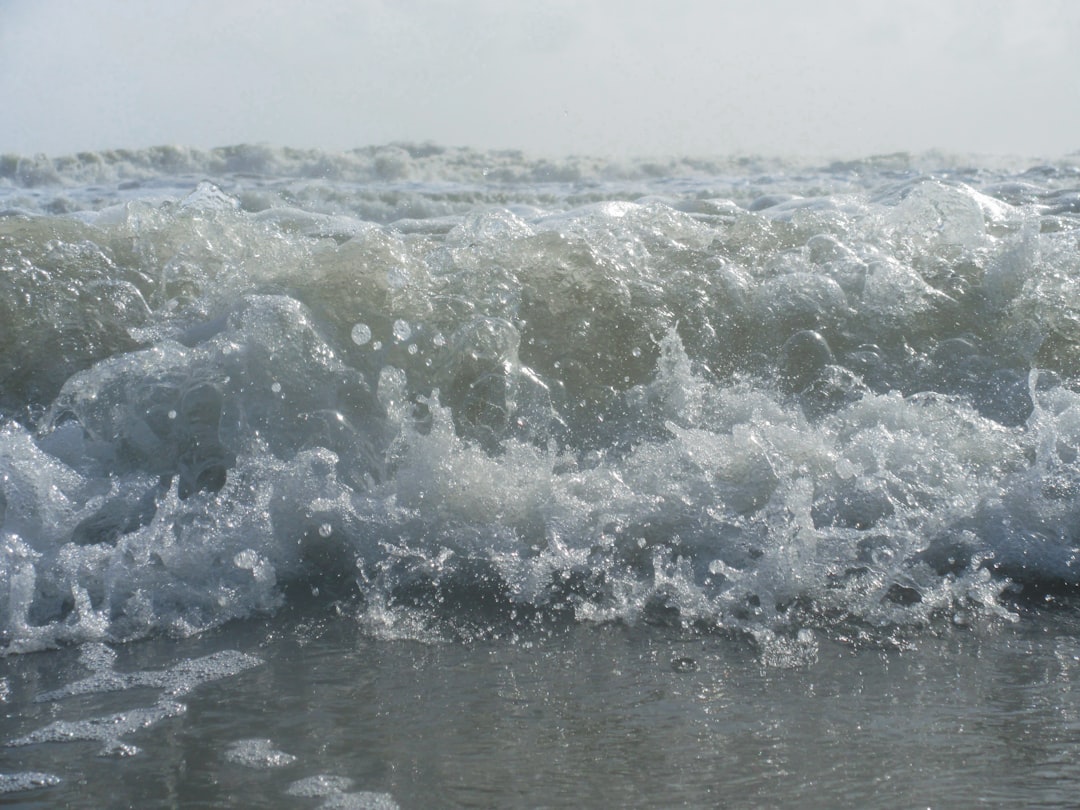
Large ocean waves, characterized by their powerful and often destructive nature, represent significant natural phenomena that demonstrate the immense forces present in marine environments. These waves can reach considerable heights and carry substantial energy, illustrating the dynamic processes that occur in oceanic systems. When waves break against coastlines, they create distinctive spray patterns and generate acoustic effects that are observable from considerable distances.
However, these same waves can cause substantial damage to coastal infrastructure, contribute to shoreline erosion, and present serious hazards to human safety and coastal property. The formation of large ocean waves results from complex interactions between atmospheric and oceanographic conditions. Key factors include wind velocity, oceanic circulation patterns, and seafloor topography.
During storm systems over open ocean areas, strong winds transfer kinetic energy to the water surface, generating wave formations that can propagate across extensive distances. As these waves move into shallower coastal waters, they undergo transformation processes that can increase their height and energy concentration, resulting in the dramatic wave conditions observed along many coastlines.
Key Takeaways
- Wuthering waves combine awe-inspiring beauty with destructive power, deeply affecting coastal environments.
- Scientific research reveals the natural forces and climate factors driving the intensity of these waves.
- Coastal communities face significant challenges from wuthering waves, including damage, displacement, and economic loss.
- Historical records document numerous catastrophic events caused by wuthering waves, highlighting their long-term impact.
- Engineering innovations and policy measures are crucial for mitigating damage and enhancing coastal resilience against future waves.
The Science Behind Nature’s Fury
Understanding the science behind wuthering waves requires a deep dive into oceanography and meteorology. The primary driver of wave formation is wind. As wind blows across the surface of the ocean, it creates friction that transfers energy to the water, resulting in wave generation.
The size and strength of these waves are influenced by several factors, including wind speed, duration, and fetch—the distance over which the wind blows across the water. Once formed, waves can travel thousands of miles across open water before reaching coastal areas. As they approach shallower waters, their behavior changes dramatically.
The wave’s energy is compressed into a smaller volume, causing it to rise in height. This process is known as wave shoaling. When the wave reaches a critical height relative to its wavelength, it becomes unstable and breaks, resulting in the crashing surf that characterizes wuthering waves.
In addition to wind-driven waves, other factors such as seismic activity can contribute to the formation of large waves. Tsunamis, for example, are generated by underwater earthquakes or volcanic eruptions and can produce waves that exceed 100 feet in height. Understanding these dynamics is crucial for predicting wave behavior and mitigating their impact on coastal regions.
The Impact of Wuthering Waves on Coastal Communities
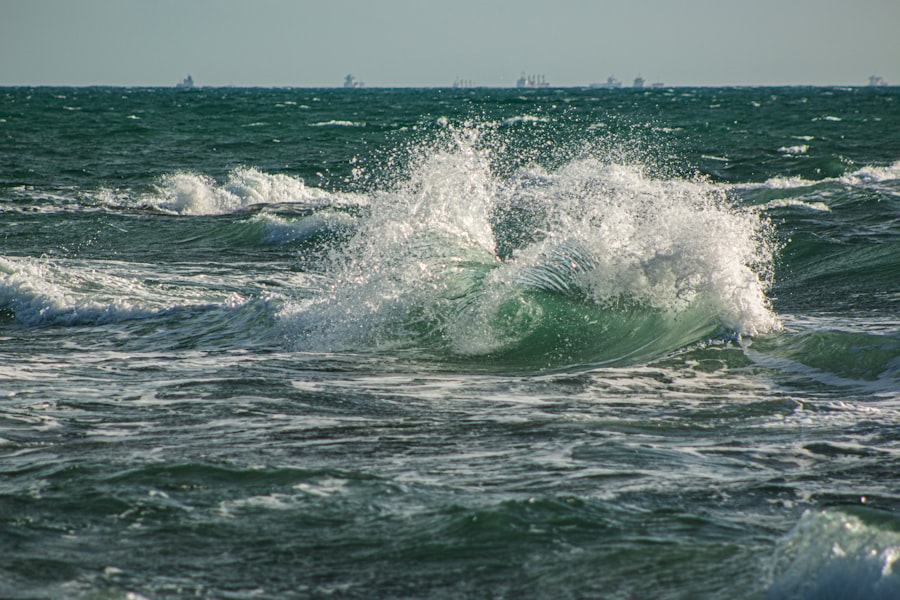
The impact of wuthering waves on coastal communities is profound and multifaceted. These powerful natural phenomena can lead to significant erosion of shorelines, threatening infrastructure and habitats alike. Coastal properties are often at risk during severe weather events when waves can inundate homes and businesses, leading to costly damages and displacement of residents.
Moreover, the economic implications are substantial. Coastal tourism, which relies heavily on stable shorelines and safe beaches, can suffer dramatically from the effects of wuthering waves. Businesses that depend on beachgoers may experience declines in revenue during storm seasons or after significant wave events.
Additionally, local fisheries can be adversely affected as turbulent waters disrupt marine ecosystems and fishing activities. In response to these challenges, many coastal communities have implemented various strategies to mitigate the effects of wuthering waves. These include constructing seawalls, restoring natural barriers such as dunes and wetlands, and developing early warning systems to alert residents of impending storms.
By investing in resilience measures, communities aim to protect both their physical infrastructure and their economic livelihoods.
Historical Accounts of Devastating Wuthering Waves
Throughout history, there have been numerous accounts of devastating wuthering waves that have left indelible marks on coastal communities. One notable event is the Great Storm of 1987 in the United Kingdom, which produced winds exceeding 100 mph and resulted in massive waves that caused extensive flooding along the southern coast. The storm claimed lives, destroyed homes, and led to significant economic losses.
Another historical example is the 2004 Indian Ocean tsunami, which was triggered by a massive undersea earthquake off the coast of Sumatra. This catastrophic event generated waves that reached heights of over 100 feet and devastated coastal regions across multiple countries, resulting in over 230,000 fatalities and widespread destruction. The sheer force of these wuthering waves highlighted the vulnerability of coastal populations to natural disasters.
These historical accounts serve as stark reminders of nature’s power and the importance of preparedness in mitigating risks associated with wuthering waves. They underscore the need for ongoing research into wave dynamics and improved forecasting methods to enhance community resilience against future events.
The Role of Climate Change in Intensifying Wuthering Waves
| Metric | Value |
|---|---|
| Title | Wuthering Waves |
| Author | R.C. Lewis |
| Genre | Romance, Fantasy |
| Publication Year | 2021 |
| Number of Pages | 350 |
| Average Rating | 4.2 / 5 |
| Main Themes | Love, Betrayal, Supernatural |
| Setting | Fictional Coastal Town |
Climate change is increasingly recognized as a significant factor influencing the intensity and frequency of wuthering waves. As global temperatures rise due to greenhouse gas emissions, ocean temperatures also increase, leading to more intense storms and altered weather patterns. Warmer oceans can fuel more powerful hurricanes and typhoons, which in turn generate larger waves.
Additionally, rising sea levels—another consequence of climate change—exacerbate the impact of wuthering waves on coastal areas. Higher sea levels mean that even moderate storms can lead to increased flooding and erosion, putting communities at greater risk. The combination of intensified storms and rising sea levels creates a perfect storm scenario for coastal regions already vulnerable to wave action.
To combat these challenges, it is essential for policymakers to prioritize climate adaptation strategies that address both mitigation efforts to reduce emissions and adaptation measures to protect vulnerable communities from the impacts of climate change on wuthering waves.
How Wuthering Waves Shape Coastal Landscapes

Wuthering waves play a crucial role in shaping coastal landscapes through processes such as erosion and sediment deposition. As these powerful waves crash against shorelines, they erode cliffs and beaches, altering their physical characteristics over time. This natural sculpting process can create stunning geological formations but also poses risks to human structures built along coastlines.
The energy from breaking waves can transport sediment along the shore through a process known as longshore drift. This movement contributes to the formation of features such as sandbars, spits, and barrier islands.
Understanding how wuthering waves shape coastal landscapes is vital for effective coastal management. By studying these processes, scientists can develop strategies to preserve natural habitats while minimizing human impact on dynamic coastal environments.
The Resilience of Coastal Wildlife in the Face of Wuthering Waves
Coastal ecosystems are uniquely adapted to withstand the forces exerted by wuthering waves. Many species have evolved mechanisms to cope with high-energy environments characterized by turbulent waters and shifting substrates. For instance, certain marine organisms possess strong anchoring structures that allow them to cling to rocks during storm surges.
Moreover, coastal habitats such as mangroves and salt marshes provide critical refuge for wildlife during extreme weather events. These ecosystems act as natural buffers against wave action while supporting diverse species that rely on them for food and shelter. The resilience of coastal wildlife is essential for maintaining ecological balance in these dynamic environments.
However, climate change poses significant threats to these ecosystems’ resilience. Increased storm intensity and rising sea levels can disrupt habitats and lead to declines in biodiversity. Conservation efforts aimed at protecting these vital ecosystems are crucial for ensuring that coastal wildlife can continue to thrive despite the challenges posed by wuthering waves.
The Human Response to Wuthering Waves: Preparation and Recovery
Human responses to wuthering waves encompass a range of strategies aimed at preparation and recovery from their impacts. Effective preparedness involves understanding local risks associated with wave action and implementing measures to safeguard lives and property. Communities often develop emergency response plans that include evacuation routes, public awareness campaigns, and training for first responders.
In addition to preparedness efforts, recovery from wuthering wave events requires coordinated responses from government agencies, non-profit organizations, and community members. Post-disaster recovery efforts may involve rebuilding infrastructure, providing financial assistance to affected individuals, and restoring damaged ecosystems. Investing in community resilience is essential for reducing vulnerability to future wave events.
This includes enhancing infrastructure through resilient design principles, promoting sustainable land-use practices, and fostering collaboration among stakeholders involved in disaster management.
The Cultural and Artistic Representation of Wuthering Waves
Wuthering waves have long captured the imagination of artists, writers, and musicians throughout history. Their dramatic nature has inspired countless works of art that explore themes of beauty, chaos, and human vulnerability in the face of nature’s fury. From classic literature like Emily Brontë’s “Wuthering Heights” to contemporary films depicting stormy seas, these representations reflect society’s complex relationship with powerful natural forces.
In visual arts, painters such as J.M.W. Turner have famously depicted tumultuous seascapes that convey both awe and terror associated with wuthering waves. These artistic interpretations serve not only as aesthetic expressions but also as cultural commentaries on humanity’s struggle against nature’s might.
Moreover, music has also drawn inspiration from wuthering waves—composers have created symphonies that evoke the sounds of crashing surf or capture the emotional weight of storms at sea. Through various forms of artistic expression, society continues to grapple with its fascination for—and fear of—the beauty inherent in nature’s most powerful phenomena.
The Economic Consequences of Wuthering Waves
The economic consequences stemming from wuthering waves are far-reaching and multifaceted. Coastal industries such as tourism, fishing, and shipping are particularly vulnerable to disruptions caused by severe wave events. For instance, beach erosion can lead to decreased tourist traffic during peak seasons while damaging local businesses reliant on visitors seeking sun-soaked shores.
Additionally, infrastructure damage resulting from wuthering waves can impose significant financial burdens on municipalities tasked with repairs or rebuilding efforts after storms pass through affected areas. Insurance claims may skyrocket following major events as property owners seek compensation for losses incurred due to wave action. To mitigate these economic impacts effectively requires proactive planning at both local and national levels—investments in resilient infrastructure combined with policies promoting sustainable coastal development can help safeguard economies against future disruptions caused by wuthering waves.
Mitigating the Effects of Wuthering Waves: Engineering and Policy Solutions
Mitigating the effects of wuthering waves necessitates a combination of engineering solutions and policy initiatives aimed at enhancing coastal resilience. Engineering approaches may include constructing seawalls or breakwaters designed to absorb wave energy before it reaches vulnerable shorelines. These structures can provide immediate protection but must be carefully designed considering potential environmental impacts.
In addition to hard engineering solutions, soft approaches such as restoring natural habitats like wetlands or dunes offer sustainable alternatives for mitigating wave impacts while enhancing biodiversity. These ecosystems act as buffers against wave action while providing essential services such as water filtration and habitat for wildlife.
Collaborative efforts involving stakeholders from various sectors—including local communities—are essential for developing comprehensive plans that promote resilience against future wave events. In summary, wuthering waves embody both beauty and terror—a reminder of nature’s power that shapes our coastal landscapes while posing significant risks to human life and livelihoods alike. Understanding their science helps us prepare for their impacts while fostering resilience within communities vulnerable to their fury through effective engineering solutions combined with sound policy initiatives aimed at safeguarding our coasts for generations to come.
In exploring the themes of isolation and tumultuous relationships in “Wuthering Waves,” one can draw parallels to the emotional depth found in various literary works. For a deeper understanding of how to honor and remember significant moments, you might find it interesting to read about planning for Memorial Day in this article: Planning for Memorial Day: How to Honor and Remember. This piece delves into the importance of remembrance, much like the characters in “Wuthering Waves” grapple with their pasts and the legacies they leave behind.
FAQs
What is “Wuthering Waves” about?
“Wuthering Waves” is a literary work inspired by the classic novel “Wuthering Heights” by Emily Brontë. It explores themes of love, passion, and the turbulent emotions experienced by its characters, often set against a dramatic natural backdrop.
Who is the author of “Wuthering Waves”?
The author of “Wuthering Waves” may vary depending on the adaptation or version, but it is generally a reinterpretation or inspired work based on Emily Brontë’s original “Wuthering Heights.”
Is “Wuthering Waves” a book, movie, or another form of media?
“Wuthering Waves” can refer to various adaptations or inspired works, including novels, films, or artistic projects that draw from the themes and story of “Wuthering Heights.”
What are the main themes of “Wuthering Waves”?
The main themes typically include intense romantic relationships, revenge, social class struggles, and the impact of nature on human emotions.
Where is the setting of “Wuthering Waves”?
The setting is often a moody, windswept landscape similar to the Yorkshire moors depicted in “Wuthering Heights,” emphasizing isolation and wild natural beauty.
How does “Wuthering Waves” relate to “Wuthering Heights”?
“Wuthering Waves” is usually a reinterpretation or inspired work that draws heavily on the characters, plot, and themes of “Wuthering Heights,” sometimes modernizing or altering the story.
Can I find “Wuthering Waves” in bookstores or online?
Availability depends on the specific version or adaptation. Some versions may be available in bookstores, libraries, or online platforms as books, films, or digital media.
Is “Wuthering Waves” suitable for all audiences?
Content suitability varies by adaptation. Since the original themes involve complex emotional and sometimes dark subject matter, some versions may be more appropriate for mature audiences.