Now Reading: Win Big with Lotto: Tips for Increasing Your Chances
-
01
Win Big with Lotto: Tips for Increasing Your Chances
Win Big with Lotto: Tips for Increasing Your Chances

The lottery, commonly known as “Lotto,” is a gambling game based on random number selection that operates in numerous countries worldwide. The fundamental mechanism involves participants choosing a predetermined set of numbers from a specified range, with prizes awarded when selected numbers match those drawn through official lottery procedures. Prize probability varies considerably based on game structure and total possible number combinations.
In standard 6/49 format games, participants select six numbers from a range of 1 to 49, resulting in jackpot odds of approximately 1 in 13,983,816. This probability calculation derives from the mathematical combination formula C(49,6) = 49!/(6! × 43!).
Lottery draws operate as independent events, with each drawing having no statistical relationship to previous results. Official lottery organizations utilize certified random number generation systems and mechanical drawing equipment to ensure statistical randomness and maintain game integrity. These systems undergo regular testing and certification by independent auditing organizations.
Most lottery systems implement multiple prize tiers beyond the primary jackpot. Secondary prizes are typically awarded for matching fewer numbers, such as 5, 4, or 3 correct selections.
Prize distribution percentages are predetermined and publicly disclosed, with specific amounts varying based on total ticket sales and number of winners in each category.
Key Takeaways
- Understanding lotto odds helps set realistic expectations for winning.
- Using strategic number selection can improve your chances slightly.
- Joining a syndicate increases your buying power and potential winnings.
- Managing your budget is crucial to avoid financial strain while playing.
- Staying informed and patient enhances long-term success in lotto games.
Choosing the Right Numbers: Strategies for Picking Winning Combinations
Selecting numbers for Lotto can be an exhilarating yet daunting task. Many players rely on personal significance, such as birthdays or anniversaries, while others may opt for random selections or quick picks generated by machines. However, employing strategic methods can potentially enhance one’s chances of winning.
One popular approach is to analyze historical data and trends. By examining previous winning numbers, players can identify patterns or frequently drawn numbers, although it is essential to remember that each draw remains independent. Another effective strategy involves diversifying number choices.
Instead of clustering selections around a specific range or relying solely on low numbers, players should consider a balanced mix of high and low numbers, as well as even and odd combinations. This diversification can help cover a broader spectrum of potential outcomes. Additionally, some players choose to avoid commonly selected numbers to reduce the likelihood of sharing a jackpot with others in case of a win.
Playing Smart: Tips for Maximizing Your Chances of Winning
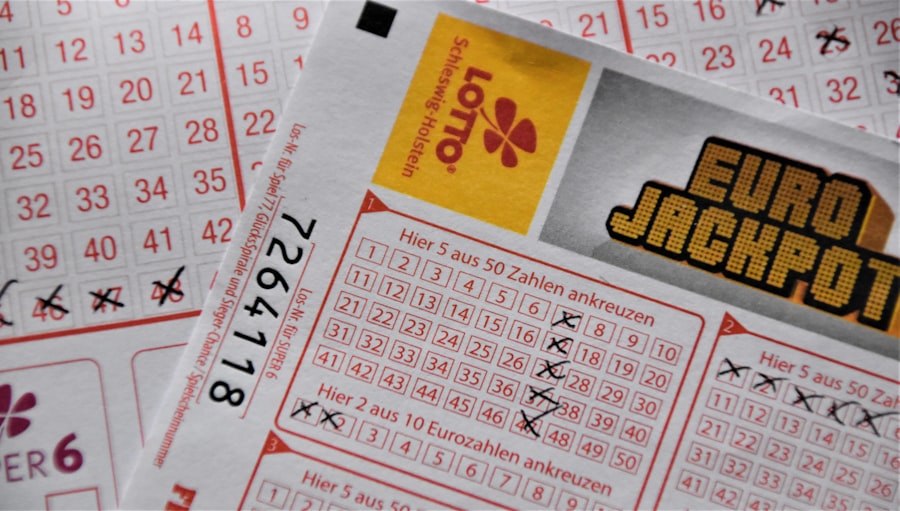
Maximizing your chances of winning Lotto requires a combination of strategic planning and disciplined play. One fundamental tip is to play consistently rather than sporadically. Regular participation increases exposure to potential wins over time.
However, it is crucial to strike a balance between frequency and financial responsibility. Setting a budget for Lotto expenditures ensures that players do not overspend in pursuit of elusive jackpots. Moreover, understanding the specific rules and odds associated with different Lotto games can significantly impact decision-making.
Some games offer better odds than others, making them more appealing for players seeking higher chances of winning. Additionally, players should remain informed about promotional events or special draws that may offer enhanced prizes or better odds. Staying engaged with the lottery community can provide valuable insights into upcoming opportunities.
Joining a Syndicate: The Benefits of Pooling Your Resources
One effective strategy for increasing your chances of winning Lotto is to join a syndicate or lottery pool. A syndicate consists of a group of individuals who pool their resources to purchase multiple tickets collectively. This collaborative approach allows participants to cover a broader range of number combinations without significantly increasing individual financial commitments.
By pooling funds, syndicate members can purchase more tickets than they could afford alone, thereby enhancing their odds of winning. In addition to improving winning probabilities, joining a syndicate fosters camaraderie among participants. Sharing the excitement of playing together can make the experience more enjoyable and less isolating.
Furthermore, in the event of a win, the prize is divided among all members according to pre-agreed terms, ensuring that everyone benefits from the collective effort.
Staying Informed: Keeping Up with Lotto News and Updates
| Metric | Description | Example Value |
|---|---|---|
| Jackpot Amount | The total prize money for the top winning ticket | 15,000,000 |
| Number Range | The range of numbers players can choose from | 1 to 49 |
| Numbers Drawn | Quantity of numbers drawn in each lotto game | 6 |
| Odds of Winning Jackpot | Probability of matching all numbers to win the jackpot | 1 in 13,983,816 |
| Ticket Price | Cost to purchase one lotto ticket | 2 |
| Draw Frequency | How often the lotto draw takes place | Twice a week |
| Secondary Prizes | Prizes for matching fewer numbers | 5 numbers + bonus, 5 numbers, 4 numbers |
Staying informed about Lotto news and updates is vital for any serious player. Lottery organizations often release information regarding upcoming draws, changes in rules, and special promotions that can impact gameplay. Subscribing to newsletters or following official lottery websites and social media channels can provide timely updates on these developments.
Additionally, being aware of changes in jackpot amounts and prize structures can influence decision-making when selecting games to play. For instance, if a particular Lotto game has reached an exceptionally high jackpot, it may be worth considering participation due to the increased potential payout. Conversely, understanding when jackpots reset or when special draws occur can help players strategize their participation effectively.
Setting a Budget: Managing Your Finances While Playing Lotto
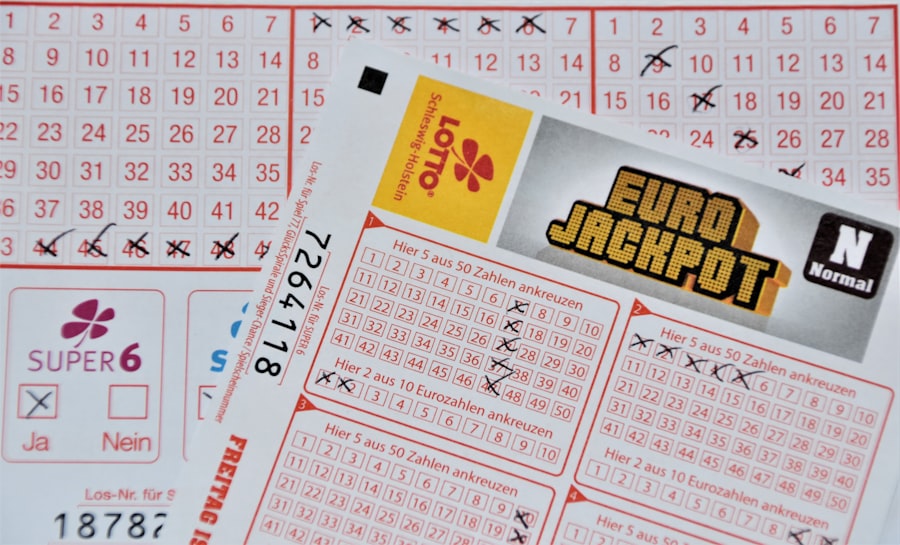
Financial management is paramount when engaging in Lotto play. Establishing a budget ensures that players do not exceed their financial limits while pursuing potential winnings. A well-defined budget should account for both regular ticket purchases and any additional expenses related to playing, such as joining syndicates or participating in special draws.
To create an effective budget, players should assess their overall financial situation and determine how much they can comfortably allocate to Lotto without jeopardizing essential expenses or savings goals. It is advisable to treat Lotto expenditures as entertainment costs rather than investments with guaranteed returns. By adhering to a budget, players can enjoy the thrill of playing while minimizing financial stress.
Avoiding Common Mistakes: Pitfalls to Watch Out For
While playing Lotto can be an exciting endeavor, several common mistakes can hinder success and lead to disappointment. One prevalent pitfall is neglecting to check tickets after a draw. Many players fail to claim smaller prizes simply because they do not verify their numbers against the winning combinations.
Regularly checking tickets ensures that no potential winnings go unclaimed. Another mistake involves chasing losses by increasing ticket purchases after unsuccessful attempts. This behavior can lead to overspending and financial strain without improving the chances of winning.
It is essential to maintain a disciplined approach and avoid emotional decision-making when it comes to playing Lotto.
Exploring Different Games: Understanding the Variety of Lotto Options
Lotto encompasses a diverse array of games, each with its unique rules and prize structures. Understanding these variations is crucial for players seeking optimal strategies. Traditional Lotto games typically involve selecting numbers from a fixed pool, while other formats may include scratch-off tickets or instant win games that offer immediate gratification.
Additionally, some lotteries feature progressive jackpots that increase over time until someone wins, creating enticing opportunities for players. Exploring different games allows individuals to find options that align with their preferences and risk tolerance levels. By diversifying gameplay across various formats, players can enhance their overall experience while maximizing potential winnings.
Seeking Professional Advice: Consulting with Experts in the Field
For those serious about improving their Lotto strategies, seeking professional advice from experts in the field can be beneficial. Lottery consultants or analysts often possess valuable insights into trends, statistical analysis, and effective strategies for selecting numbers or participating in games. Consulting with professionals can provide players with tailored recommendations based on their individual goals and preferences.
Additionally, attending workshops or seminars focused on lottery strategies can enhance knowledge and understanding of the intricacies involved in playing Lotto effectively.
Being Patient and Persistent: The Importance of Perseverance in Lotto
Patience and persistence are essential qualities for anyone engaging in Lotto play. Winning is not guaranteed; therefore, maintaining a long-term perspective is crucial for managing expectations. Many successful players have experienced numerous losses before achieving significant wins.
Developing resilience in the face of setbacks allows individuals to continue enjoying the game without becoming discouraged by temporary failures. Embracing the journey rather than fixating solely on outcomes fosters a healthier relationship with Lotto play.
Celebrating Your Wins: How to Make the Most of Your Lotto Success
When fortune smiles upon you and you secure a win in Lotto, celebrating that success is important but should be approached thoughtfully. First and foremost, it is advisable to remain discreet about your winnings until you have taken necessary precautions regarding financial management and legal considerations. Consulting with financial advisors or legal professionals can help ensure that winnings are managed wisely and responsibly.
Creating a plan for how to utilize winnings—whether through investments, savings, or charitable contributions—can maximize the benefits derived from your success while minimizing potential pitfalls associated with sudden wealth. In summary, engaging in Lotto requires an understanding of its mechanics, strategic number selection, smart financial management, and awareness of common pitfalls. Joining syndicates can enhance winning odds while staying informed about game updates keeps players engaged.
Exploring various games broadens opportunities for success while seeking professional advice can refine strategies further. Ultimately, patience and persistence are key attributes for navigating the unpredictable world of Lotto play while celebrating wins responsibly ensures long-term enjoyment of this thrilling game of chance.
If you’re curious about the financial implications of winning the lottery, you might find it interesting to read about investment strategies in the article on whether to invest in Amazon stock. Understanding how to manage newfound wealth can be crucial for lottery winners. Check out the article here: Should You Invest in Amazon Stock?.
FAQs
What is the lotto?
Lotto is a type of lottery game where players select a set of numbers in hopes of matching those drawn randomly to win prizes.
How do you play the lotto?
Players choose a specific number of numbers from a predetermined range. During the draw, a set of winning numbers is randomly selected, and players win prizes based on how many of their chosen numbers match the drawn numbers.
Are lotto games legal?
Lotto games are legal in many countries and are usually regulated by government authorities or licensed organizations to ensure fairness and transparency.
What are the odds of winning the lotto?
The odds vary depending on the specific lotto game and the number of possible number combinations. Generally, the odds of winning the jackpot are very low, often in the millions to one.
Can you play the lotto online?
Yes, many official lottery organizations offer online platforms where players can purchase tickets and check results. However, availability depends on local laws and regulations.
What happens if multiple players win the jackpot?
If multiple players match all the winning numbers, the jackpot prize is usually divided equally among the winners.
Are lotto winnings taxable?
Taxation on lotto winnings varies by country and jurisdiction. In some places, winnings are tax-free, while in others, they may be subject to income or other taxes.
Can minors play the lotto?
No, most jurisdictions require players to be at least 18 years old to participate in lotto games.
How are lotto numbers drawn?
Lotto numbers are typically drawn using mechanical machines or computerized random number generators to ensure fairness and randomness.
What should I do if I win the lotto?
Winners should sign their ticket, keep it safe, and follow the official claim procedures outlined by the lottery organization. It is also advisable to seek financial and legal advice.