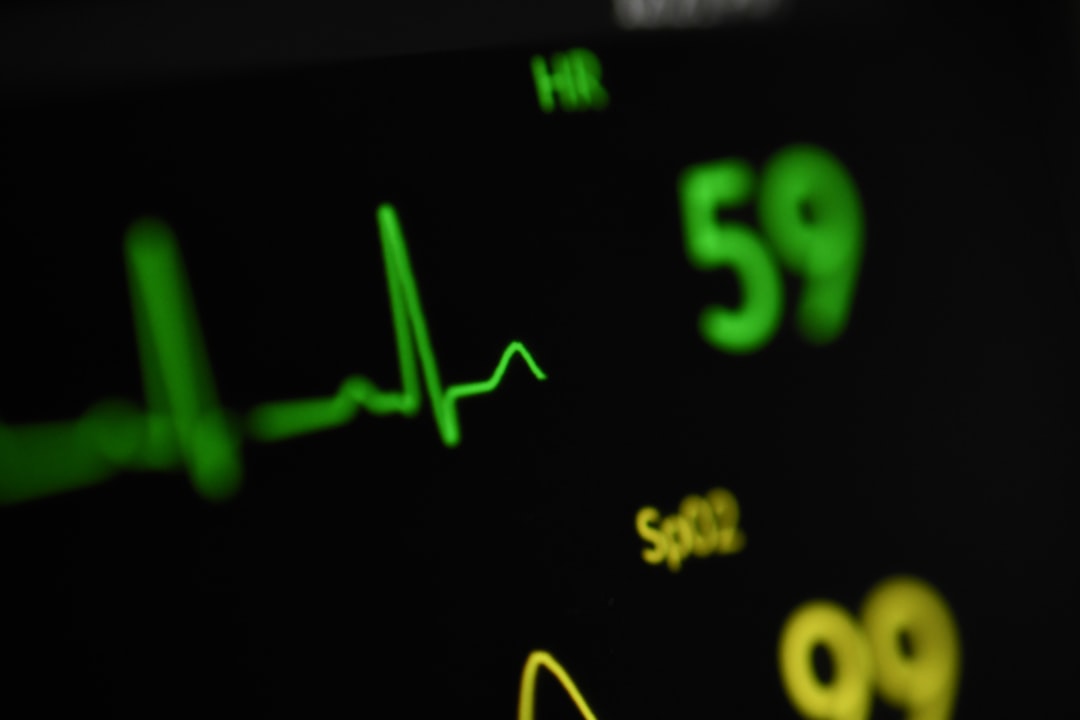
Now Reading: Warning Signs of Heart Blockage
-
01
Warning Signs of Heart Blockage
Warning Signs of Heart Blockage
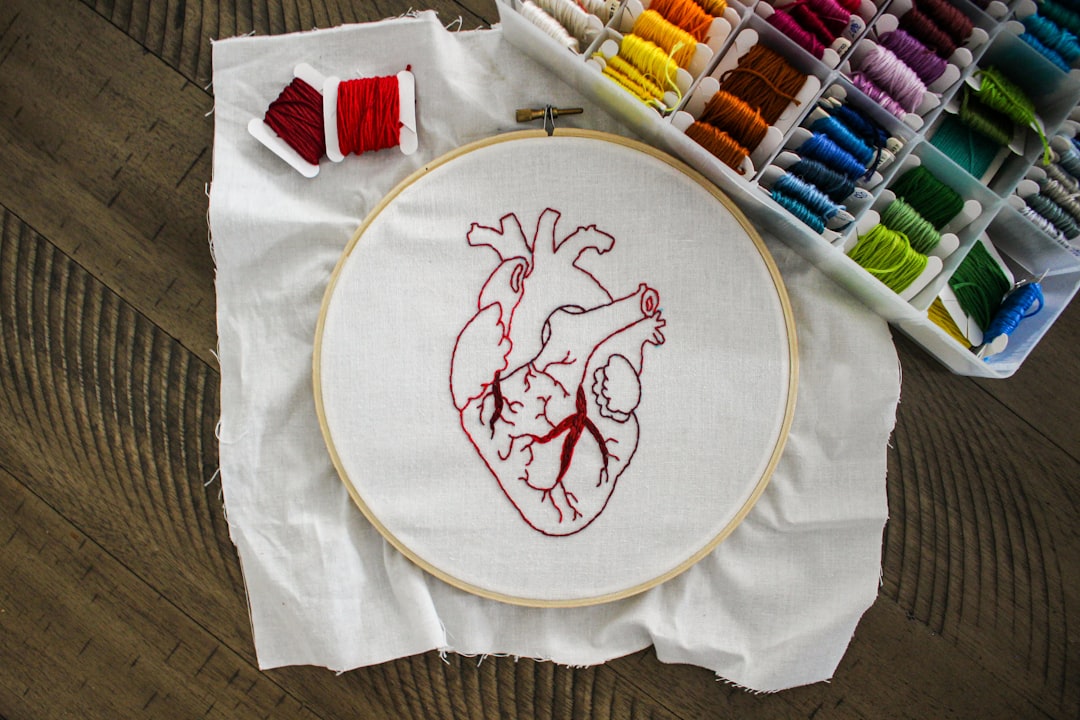
Heart blockage, medically referred to as atrioventricular (AV) block, is a condition characterized by the impairment of electrical signals that coordinate the heart’s rhythm.
The heart relies on a precise electrical conduction pathway to maintain an effective and synchronized contraction of its chambers.
When this pathway is obstructed, it can result in a decreased heart rate, irregular heartbeats, or even complete cessation of electrical impulses, which can be life-threatening. The severity of heart blockage is classified into three degrees: first-degree, second-degree (which is further divided into type I and type II), and third-degree block. First-degree block is often asymptomatic and may not require treatment, while second-degree blocks can lead to more significant symptoms and complications.
Third-degree block, also known as complete heart block, is the most severe form and necessitates immediate medical intervention. Understanding the underlying mechanisms and classifications of heart blockage is crucial for effective diagnosis and management.
Key Takeaways
- Heart blockage occurs when the blood flow to the heart is partially or completely blocked, leading to potential complications.
- Common symptoms of heart blockage include chest pain, shortness of breath, fatigue, and dizziness.
- Risk factors for heart blockage include high blood pressure, high cholesterol, smoking, diabetes, and a family history of heart disease.
- Diagnostic tests for heart blockage include electrocardiogram (ECG), stress test, echocardiogram, and coronary angiography.
- Complications of heart blockage can include heart attack, heart failure, and sudden cardiac arrest.
Common Symptoms of Heart Blockage
Individuals with heart blockage may experience a variety of symptoms, which can range from mild to severe depending on the degree of blockage. Common manifestations include fatigue, dizziness, palpitations, and syncope (fainting). These symptoms arise due to the heart’s inability to pump blood efficiently, leading to inadequate perfusion of vital organs.
Patients may also report shortness of breath, particularly during physical exertion, as the heart struggles to meet the body’s demands for oxygenated blood. In more severe cases, such as third-degree block, symptoms can escalate rapidly. Patients may experience profound fatigue, confusion, or even loss of consciousness due to significantly reduced cardiac output.
It is essential for individuals experiencing these symptoms to seek medical evaluation promptly, as timely intervention can prevent serious complications.
Risk Factors for Heart Blockage
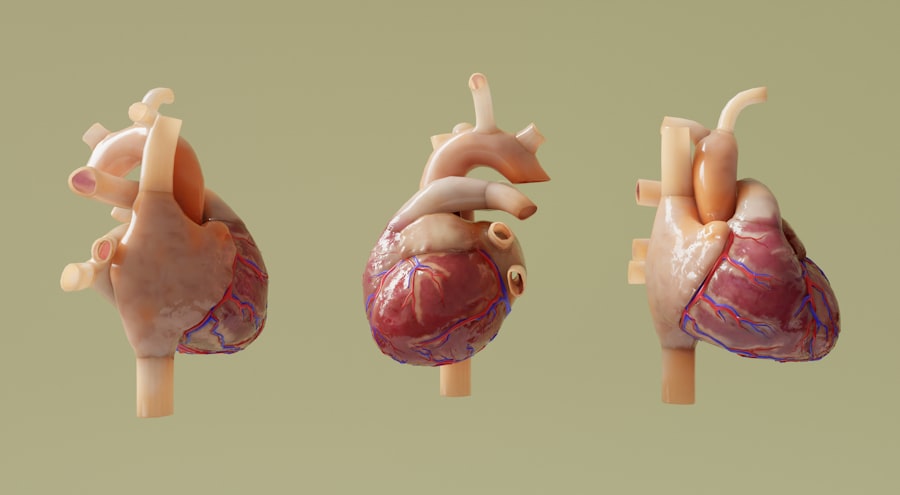
Several risk factors contribute to the development of heart blockage, many of which are modifiable through lifestyle changes. Age is a significant non-modifiable risk factor; the likelihood of developing heart block increases with advancing age due to degenerative changes in the conduction system. Additionally, underlying cardiovascular conditions such as coronary artery disease, hypertension, and cardiomyopathy can predispose individuals to this condition.
Other notable risk factors include diabetes mellitus, which can lead to vascular damage and neuropathy affecting the heart’s conduction pathways. Lifestyle choices such as smoking, excessive alcohol consumption, and a sedentary lifestyle further exacerbate the risk. Genetic predisposition also plays a role; individuals with a family history of heart disease may be at an increased risk for developing heart blockage.
Diagnostic Tests for Heart Blockage
| Diagnostic Test | Accuracy | Cost | Procedure |
|---|---|---|---|
| Coronary Angiography | High | High | Invasive |
| CT Angiography | High | Medium | Non-invasive |
| Stress Test | Moderate | Low | Non-invasive |
| Cardiac MRI | High | High | Non-invasive |
Accurate diagnosis of heart blockage involves a comprehensive evaluation that includes a detailed medical history and physical examination. The cornerstone of diagnosis is the electrocardiogram (ECG), which records the electrical activity of the heart and can reveal the presence and degree of blockage. In some cases, additional tests such as Holter monitoring or event recorders may be employed to capture intermittent arrhythmias that may not be evident during a standard ECG.
Further diagnostic imaging techniques may include echocardiography to assess cardiac structure and function or stress testing to evaluate the heart’s performance under exertion. In certain situations, electrophysiological studies may be conducted to pinpoint the exact location of the conduction disturbance and guide treatment decisions.
Complications of Heart Blockage
Heart blockage can lead to several serious complications if left untreated. One of the most significant risks is the development of bradycardia, characterized by an abnormally slow heart rate that can result in inadequate blood flow to vital organs. This condition can lead to syncope or even sudden cardiac arrest in extreme cases.
Additionally, patients with advanced heart block are at an increased risk for developing heart failure due to chronic underperfusion of myocardial tissue. The long-term consequences may include diminished exercise tolerance and reduced quality of life. Furthermore, individuals with complete heart block often require permanent pacemaker implantation to restore normal cardiac rhythm and prevent life-threatening arrhythmias.
Lifestyle Changes to Prevent Heart Blockage

Preventive measures play a crucial role in reducing the risk of heart blockage and promoting overall cardiovascular health. Adopting a heart-healthy diet rich in fruits, vegetables, whole grains, lean proteins, and healthy fats can significantly impact cardiovascular well-being. The Mediterranean diet, for instance, has been associated with lower rates of coronary artery disease and improved heart function.
Regular physical activity is equally important; engaging in at least 150 minutes of moderate-intensity aerobic exercise per week can enhance cardiovascular fitness and reduce risk factors such as obesity and hypertension. Smoking cessation is paramount; tobacco use is a well-established risk factor for numerous cardiovascular diseases. Moreover, managing stress through mindfulness practices such as yoga or meditation can contribute positively to heart health.
Regular health screenings for blood pressure, cholesterol levels, and glucose levels are essential for early detection and management of potential risk factors.
Treatment Options for Heart Blockage
The treatment approach for heart blockage depends on its severity and underlying cause. In cases of first-degree block where symptoms are absent or minimal, close monitoring may be sufficient without immediate intervention. However, second-degree blocks often require more proactive management; patients may benefit from lifestyle modifications or medications aimed at improving cardiac function.
For individuals with symptomatic third-degree block or those experiencing significant bradycardia, permanent pacemaker implantation is typically indicated. A pacemaker is a small device implanted under the skin that delivers electrical impulses to stimulate the heart’s contractions at a normal rate. This intervention has proven effective in restoring adequate cardiac output and preventing complications associated with severe heart block.
In some instances, addressing underlying conditions such as coronary artery disease through angioplasty or bypass surgery may also be necessary to improve overall cardiac health.
Recognizing Warning Signs of Heart Blockage
Awareness of warning signs associated with heart blockage is critical for timely intervention. Patients should be vigilant for symptoms such as persistent fatigue that does not improve with rest, episodes of dizziness or lightheadedness, and palpitations that feel irregular or rapid. Additionally, any occurrence of syncope or near-syncope should prompt immediate medical evaluation.
It is essential for individuals with known risk factors or pre-existing cardiovascular conditions to monitor their symptoms closely and maintain open communication with their healthcare providers regarding any changes in their health status.
When to Seek Medical Attention for Heart Blockage
Prompt medical attention is warranted when experiencing concerning symptoms indicative of potential heart blockage. Individuals should seek emergency care if they experience chest pain accompanied by shortness of breath or if they faint unexpectedly. Other red flags include severe fatigue that interferes with daily activities or episodes of confusion that may suggest inadequate cerebral perfusion.
For those with diagnosed heart conditions or previous episodes of arrhythmias, it is crucial to have a clear action plan in place for when symptoms arise. Regular follow-up appointments with healthcare providers are essential for ongoing assessment and management.
Emergency Response for Heart Blockage
In emergency situations involving suspected heart blockage, immediate action can be life-saving. If an individual collapses or loses consciousness due to bradycardia or complete heart block, calling emergency services should be the first step. While waiting for medical personnel to arrive, it may be necessary to perform cardiopulmonary resuscitation (CPR) if the individual is unresponsive and not breathing.
Automated external defibrillators (AEDs) can also be utilized if available; these devices are designed to analyze the heart’s rhythm and deliver an electric shock if necessary to restore normal rhythm. Early defibrillation significantly improves survival rates in cases of cardiac arrest.
Long-term Management of Heart Blockage
Long-term management of heart blockage involves regular monitoring and adherence to treatment plans established by healthcare providers. For patients with pacemakers, routine follow-up appointments are essential for device checks and adjustments as needed. Additionally, ongoing lifestyle modifications should be emphasized to mitigate risk factors associated with cardiovascular disease.
Patients should remain vigilant about their symptoms and maintain open communication with their healthcare team regarding any changes in their condition. Education about recognizing warning signs and understanding when to seek help is vital for ensuring optimal outcomes. In summary, heart blockage is a significant cardiovascular condition that requires careful understanding and management.
By recognizing symptoms early, addressing risk factors through lifestyle changes, and adhering to treatment protocols, individuals can effectively manage their condition and reduce the likelihood of complications associated with this potentially life-threatening disorder.
If you are concerned about signs of heart blockage, it is important to be aware of the symptoms and risk factors associated with this condition. One related article that provides valuable information on heart health is Understanding the importance of maintaining a healthy heart can help prevent serious health issues. Some common signs of heart blockage include chest pain or discomfort, shortness of breath, fatigue, dizziness, and lightheadedness. Heart blockage is often caused by a buildup of plaque in the arteries, a condition known as atherosclerosis. This can restrict blood flow to the heart and lead to heart blockage. Risk factors for heart blockage include high blood pressure, high cholesterol, smoking, diabetes, obesity, and a family history of heart disease. Age and gender can also play a role in the risk for heart blockage. Heart blockage can be diagnosed through various tests, including an electrocardiogram (ECG), stress test, echocardiogram, coronary angiography, and cardiac catheterization. Treatment for heart blockage may include lifestyle changes, medications, angioplasty and stenting, or coronary artery bypass surgery, depending on the severity of the blockage. It is important to consult with a healthcare professional for personalized treatment options.FAQs
What are the signs of heart blockage?
What causes heart blockage?
Who is at risk for heart blockage?
How is heart blockage diagnosed?
What are the treatment options for heart blockage?