Now Reading: Vote for Your Favorite NBA All-Star Player Now!
-
01
Vote for Your Favorite NBA All-Star Player Now!
Vote for Your Favorite NBA All-Star Player Now!

The NBA All-Star Game stands as a pinnacle event in the basketball calendar, epitomizing the league’s commitment to showcasing elite talent and extraordinary skill. This annual exhibition, typically held in February, features the most accomplished players from both the Eastern and Western Conferences, selected through a combination of fan voting, media input, and player ballots. The All-Star Game is not merely a contest; it is a celebration of basketball excellence, where the brightest stars come together to display their prowess on the court.
The format of the game has evolved over the years, transitioning from a traditional East vs. West matchup to a more dynamic approach that includes team captains selecting their rosters. This change has injected a new level of excitement and strategy into the event, allowing fans to witness unique combinations of players who may not typically compete alongside one another.
The All-Star Game serves as a platform for players to demonstrate their skills in a relaxed environment, often leading to spectacular plays, high-scoring affairs, and unforgettable moments that resonate with fans long after the final buzzer.
Key Takeaways
- The NBA All-Star Game highlights the league’s top talent and skills in a celebrated showcase.
- Fans play a crucial role by voting to select All-Star players, influencing the game’s lineup.
- Voting impacts players’ careers by providing recognition and boosting their profiles.
- The All-Star Game has evolved over time, enhancing fan engagement and global appeal.
- Participating in the voting process allows fans to support and celebrate their favorite NBA stars.
How to Cast Your Vote for the NBA All-Star Game
Casting a vote for the NBA All-Star Game is an engaging process that allows fans to have a direct impact on which players will take the court during this prestigious event. Voting typically opens in mid-January and runs for several weeks, providing ample opportunity for fans to express their preferences. The voting process is accessible through various platforms, including the NBA’s official website and mobile app, as well as social media channels like Twitter.
Fans can vote for their favorite players by selecting from a list of eligible candidates, which includes all players currently active in the league. Each fan is allowed to cast a limited number of votes per day, encouraging consistent engagement throughout the voting period. The results are tallied and announced shortly after voting concludes, with the top players earning spots in the All-Star Game based on their performance during the season and their popularity among fans.
The Importance of Fan Voting in Selecting All-Star Players
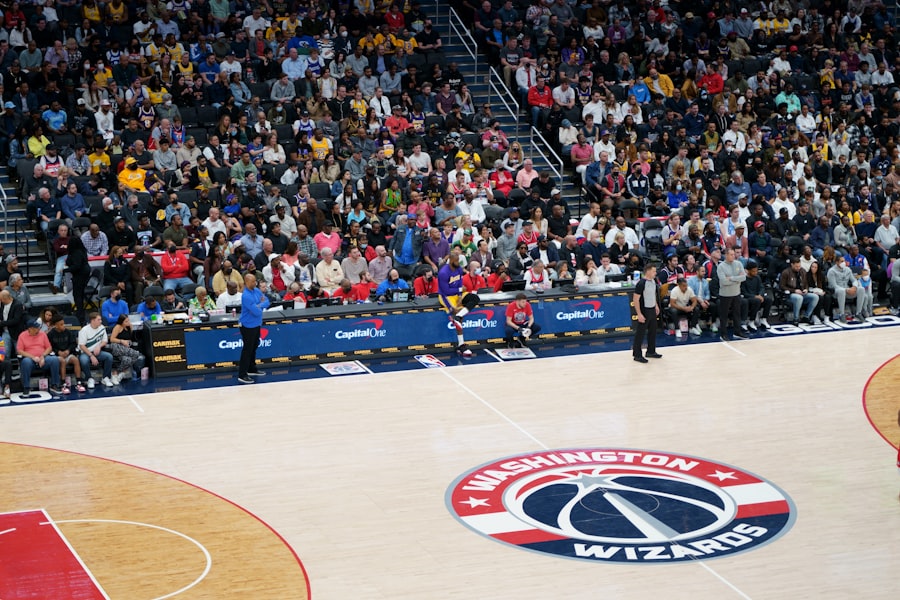
Fan voting plays a crucial role in determining which players will participate in the NBA All-Star Game, reflecting the preferences and passions of basketball enthusiasts worldwide. This democratic approach not only empowers fans but also fosters a sense of community among supporters of different teams and players. The inclusion of fan votes in the selection process ensures that popular players who may not have received as much recognition from coaches or media still have a chance to shine on this grand stage.
Moreover, fan voting serves as a barometer for player popularity and marketability. Players who consistently receive high vote totals often enjoy increased visibility and endorsement opportunities, further enhancing their careers. This connection between fan engagement and player recognition underscores the importance of the All-Star Game as a celebration of basketball culture, where fans can rally behind their favorite athletes and contribute to their success.
The Top Contenders for the NBA All-Star Game
As the All-Star Game approaches each year, discussions about potential contenders heat up among analysts, fans, and players alike. Typically, top performers from each conference emerge as frontrunners based on their statistical achievements, team success, and overall impact on games. Players who excel in scoring, rebounding, assists, and defensive metrics often find themselves in contention for an All-Star spot.
In recent seasons, superstars such as LeBron James, Kevin Durant, Giannis Antetokounmpo, and Stephen Curry have consistently been at the forefront of All-Star discussions due to their remarkable performances and leadership qualities. Emerging talents like Luka Dončić and Ja Morant have also captured attention with their electrifying playstyles and ability to elevate their teams. As fans analyze player statistics and team dynamics throughout the season, debates about who deserves an All-Star nod become increasingly passionate.
Why Your Vote Matters in the NBA All-Star Selection Process
| Year | Total Votes Cast | Top Vote Getter | Votes Received | Voting Period | Voting Platforms |
|---|---|---|---|---|---|
| 2024 | 70 million | Luka Dončić | 8.5 million | Jan 18 – Feb 15 | NBA App, NBA.com, Google Search |
| 2023 | 65 million | Giannis Antetokounmpo | 7.9 million | Jan 20 – Feb 10 | NBA App, NBA.com, Google Search |
| 2022 | 60 million | Stephen Curry | 7.2 million | Jan 15 – Feb 10 | NBA App, NBA.com, Google Search |
| 2021 | 55 million | LeBron James | 6.8 million | Jan 20 – Feb 10 | NBA App, NBA.com, Google Search |
Every vote cast by fans carries significant weight in shaping the outcome of the NBA All-Star selection process. The collective voice of fans can elevate deserving players who may otherwise be overlooked by traditional selection methods. This democratic approach ensures that the All-Star Game remains a true reflection of fan sentiment and player popularity.
Additionally, fan votes can influence players’ careers beyond just participation in the All-Star Game. Being selected as an All-Star can enhance a player’s reputation within the league, leading to increased endorsement deals and opportunities for career advancement. For many athletes, an All-Star selection is a milestone that validates their hard work and dedication to the sport.
Therefore, when fans take the time to vote for their favorite players, they are not only participating in an exciting event but also contributing to the broader narrative of those athletes’ careers.
The Impact of All-Star Selections on Players’ Careers

The ramifications of being selected for the NBA All-Star Game extend far beyond a single exhibition match; they can significantly influence a player’s career trajectory. An All-Star selection often serves as a benchmark for success within the league, marking an athlete’s arrival among basketball’s elite. This recognition can lead to enhanced contract negotiations, increased media exposure, and greater endorsement opportunities.
Moreover, being named an All-Star can bolster a player’s legacy within the sport. Historical comparisons often include All-Star appearances as a key metric when evaluating an athlete’s impact on the game. Players who achieve multiple selections are frequently regarded as franchise cornerstones or future Hall of Famers.
Thus, participation in the All-Star Game can solidify a player’s status not only during their active years but also in discussions about their long-term contributions to basketball history.
The Evolution of the NBA All-Star Game and Selection Process
The NBA All-Star Game has undergone significant transformations since its inception in 1951. Originally conceived as a straightforward exhibition between East and West teams, it has evolved into a multifaceted event that includes various competitions such as the Slam Dunk Contest and Three-Point Contest.
The selection process has also seen notable changes over time. Initially determined solely by coaches and league officials, fan voting was introduced in 1975 to enhance public engagement. In recent years, the inclusion of player votes alongside fan input has created a more balanced approach to selections.
This evolution reflects broader trends within sports culture, emphasizing inclusivity and fan participation while maintaining competitive integrity.
All-Star Game Traditions and Fan Engagement
The NBA All-Star Game is steeped in traditions that enhance its appeal to fans and players alike. From celebrity appearances to musical performances during halftime, these elements contribute to an electrifying atmosphere that captivates audiences both in-person and through broadcasts worldwide. The weekend-long festivities create an immersive experience that celebrates basketball culture while fostering community among fans.
Fan engagement is further amplified through interactive events such as meet-and-greets with players, autograph sessions, and opportunities to participate in various contests. These initiatives allow fans to connect with their favorite athletes on a personal level, deepening their investment in both the game and its stars. As traditions continue to evolve alongside technological advancements, the NBA remains committed to creating memorable experiences that resonate with basketball enthusiasts across generations.
The All-Star Game: A Platform for Player Recognition and Celebration
The NBA All-Star Game serves as a prestigious platform for recognizing outstanding player achievements throughout the season. It highlights not only individual talent but also teamwork and collaboration among athletes from different franchises. This celebration of excellence fosters camaraderie among players while allowing them to showcase their skills in front of millions of fans.
Moreover, the event provides an opportunity for lesser-known players to gain recognition on a global stage. Emerging talents who may not yet have established themselves as household names can shine during this exhibition game, potentially leading to increased visibility and future opportunities within the league. The All-Star Game thus acts as both a celebration of current stars and a launching pad for future legends.
The All-Star Game: A Reflection of the NBA’s Global Appeal
The NBA has transcended borders over recent decades, establishing itself as a global phenomenon that resonates with fans around the world. The All-Star Game exemplifies this international appeal by attracting viewers from diverse backgrounds and cultures. With players hailing from various countries and regions, the event showcases basketball’s universal language while promoting inclusivity within sports.
Broadcasting partnerships extend beyond North America, allowing international audiences to engage with the festivities through live coverage and digital platforms. This global reach not only enhances fan engagement but also solidifies basketball’s status as one of the most popular sports worldwide. As international players continue to make significant contributions to their teams and leagues, they further enrich the narrative surrounding the All-Star Game.
The All-Star Game: A Chance for Fans to Show Support for Their Favorite Players
The NBA All-Star Game provides fans with an unparalleled opportunity to express their support for beloved players while celebrating basketball culture at large. Through voting mechanisms and social media engagement, fans can actively participate in shaping the event’s outcome while rallying behind their favorite athletes. This sense of community fosters connections among fans who share similar passions for specific teams or players.
Whether through organized viewing parties or online discussions, supporters come together to celebrate their shared love for basketball during this exciting weekend. Ultimately, the All-Star Game serves as a reminder of how sports can unite individuals across diverse backgrounds while honoring exceptional talent within the game. In summary, the NBA All-Star Game is more than just an exhibition; it is a celebration of talent that engages fans worldwide through voting processes that shape player selections.
The event’s evolution reflects changing dynamics within sports culture while maintaining traditions that enhance fan experiences. As players vie for recognition on this prestigious platform, they contribute to basketball’s global appeal while fostering connections with supporters who passionately rally behind them each season.
This annual event not only showcases the league’s top talent but also ignites discussions about player performances and fan engagement. For those interested in the festive spirit surrounding this time of year, you might enjoy reading about how Christmas Day is a time for joy and celebration, which often coincides with the excitement of the All-Star festivities.
FAQs
What is NBA All-Star voting?
NBA All-Star voting is the process by which fans, players, and media members select the starters for the NBA All-Star Game. Fans typically vote online or through other platforms to choose their favorite players to start in the game.
Who is eligible to vote in the NBA All-Star voting?
Fans worldwide are eligible to vote in the NBA All-Star voting. Additionally, NBA players and a panel of media members also participate in the voting process to help select the All-Star starters.
How are the NBA All-Star starters selected?
The starters are selected based on a combination of fan votes, player votes, and media votes. The exact weighting can vary, but fan votes usually account for 50%, while players and media each contribute 25%.
When does NBA All-Star voting usually take place?
NBA All-Star voting typically opens in late December or early January and runs for several weeks, often closing in late January or early February, ahead of the All-Star Game held in February.
Can fans vote for any player in the NBA?
Fans can vote for any eligible NBA player who is active during the season. However, there are usually position-specific voting categories, such as guards and frontcourt players, to ensure balanced team selections.
How many players are selected as NBA All-Stars?
A total of 24 players are selected for the NBA All-Star Game, with 12 players representing each conference (Eastern and Western). This includes starters and reserves.
What happens after the starters are selected?
After the starters are announced, NBA coaches select the reserve players for each conference. The final All-Star rosters are then set for the game.
Can players be replaced after the All-Star rosters are announced?
Yes, if a selected player is injured or unable to participate, the NBA commissioner selects a replacement player to join the All-Star roster.
Is the NBA All-Star voting process the same every year?
While the general structure remains consistent, the NBA occasionally updates the voting process, including changes to voting platforms, weighting of votes, or the format of the All-Star Game itself.
Where can fans cast their NBA All-Star votes?
Fans can cast their votes on the official NBA website, through the NBA app, and sometimes via social media platforms or other promotional channels designated by the NBA.