
Now Reading: Valve’s Steam Machine: The Future of Gaming
-
01
Valve’s Steam Machine: The Future of Gaming
Valve’s Steam Machine: The Future of Gaming

Valve Corporation developed the Steam Machine as a gaming device designed to combine PC gaming capabilities with console-like functionality. Launched in 2015, the Steam Machine initiative aimed to bring Steam’s game library to living room gaming through a standardized hardware platform running SteamOS, Valve’s Linux-based operating system. The Steam Machine concept emerged from Valve’s strategy to expand beyond traditional PC gaming and compete in the console market.
Unlike conventional gaming consoles manufactured by a single company, Steam Machines were produced by multiple hardware partners including Alienware, ASUS, and Origin PC, offering various configurations and price points. These systems were designed to provide access to Steam’s extensive game catalog while delivering the plug-and-play experience typically associated with gaming consoles. This analysis examines the Steam Machine’s development, technical specifications, market performance, and its role in Valve’s broader gaming ecosystem strategy.
Key Takeaways
- Steam Machines are Valve’s innovative gaming devices designed to bridge PC and console gaming experiences.
- They offer benefits like customizable hardware, access to a vast Steam library, and PC-level performance.
- Steam Machines are influencing the gaming industry by challenging traditional console models and expanding PC gaming accessibility.
- Compared to traditional consoles, Steam Machines provide more flexibility but may have drawbacks such as higher cost and complexity.
- The evolution of Steam Machines suggests a growing role in the future of gaming, blending the strengths of PCs and consoles.
The History of Gaming Consoles
The evolution of gaming consoles is a fascinating journey that reflects technological advancements and changing consumer preferences. The first home video game console, the Magnavox Odyssey, was released in 1972, marking the beginning of an era that would see rapid innovation. The late 1970s and early 1980s witnessed the rise of iconic systems like the Atari 2600, which popularized cartridge-based games and introduced multiplayer experiences.
As technology progressed, so did the capabilities of gaming consoles. The introduction of 16-bit systems like the Sega Genesis and Super Nintendo Entertainment System (SNES) in the late 1980s brought enhanced graphics and sound, captivating gamers worldwide. The 1990s saw the emergence of 3D graphics with consoles such as the Sony PlayStation and Nintendo 64, revolutionizing gameplay and storytelling.
Each generation of consoles has built upon its predecessors, leading to the sophisticated systems we see today.
What is a Steam Machine?
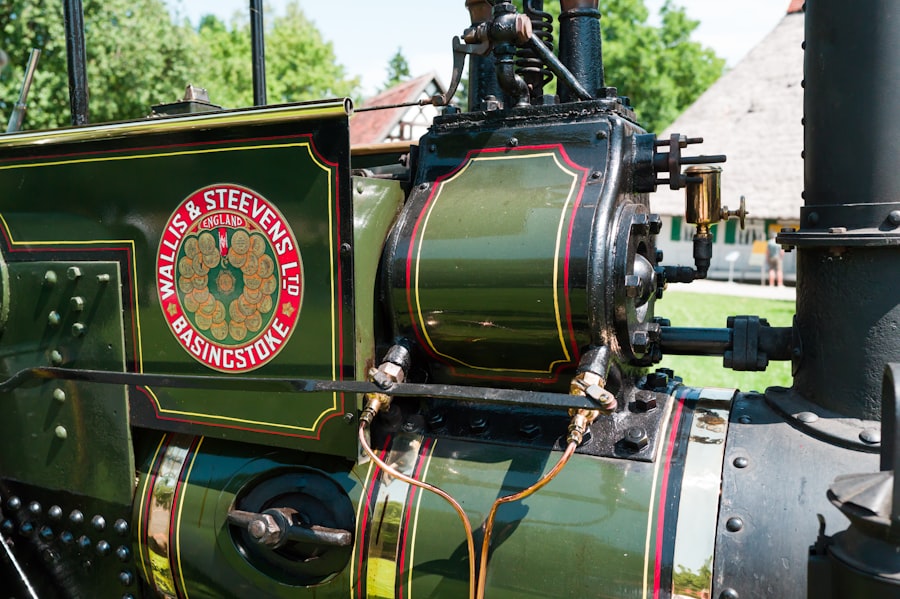
A Steam Machine is essentially a gaming console that runs on Valve’s SteamOS, a Linux-based operating system designed specifically for gaming. Unlike traditional consoles that are often locked into proprietary ecosystems, Steam Machines offer users the flexibility to customize their hardware and software configurations. This adaptability allows gamers to select components that best suit their needs, whether they prioritize graphics performance, storage capacity, or processing power.
Steam Machines come in various forms, from compact units designed for living room use to high-performance rigs capable of running demanding titles at maximum settings. They support a wide range of peripherals, including keyboards, mice, and game controllers, providing users with multiple options for gameplay. Additionally, Steam Machines can access the vast library of games available on the Steam platform, which includes thousands of titles across various genres.
The Benefits of Using a Steam Machine
One of the primary advantages of using a Steam Machine is its versatility. Gamers can enjoy not only traditional PC games but also indie titles and mods that may not be available on conventional consoles. This extensive library ensures that players have access to a diverse range of gaming experiences.
Furthermore, Steam Machines support various input methods, allowing users to choose their preferred way to play. Another significant benefit is the potential for hardware upgrades. Unlike traditional consoles that typically have fixed specifications, Steam Machines can be customized with new components as technology advances.
This means that gamers can keep their systems up-to-date without needing to purchase an entirely new console every few years. Additionally, many Steam Machines are designed to be compatible with virtual reality (VR) headsets, opening up new dimensions in gaming experiences.
The Future of Gaming with Steam Machines
| Metric | Value | Unit | Description |
|---|---|---|---|
| Machine Name | Valve Steam Machine | – | Model name of the steam machine |
| Steam Pressure | 150 | psi | Operating steam pressure |
| Power Output | 500 | kW | Maximum power output of the machine |
| Efficiency | 85 | % | Thermal efficiency of the steam machine |
| Operating Temperature | 450 | °C | Maximum operating temperature |
| Valve Type | Globe Valve | – | Type of valve used in the steam machine |
| Flow Rate | 1200 | kg/hr | Steam flow rate through the valve |
| Valve Size | 4 | inch | Diameter of the valve opening |
The future of gaming with Steam Machines appears promising as technology continues to evolve. With advancements in graphics processing units (GPUs) and central processing units (CPUs), future iterations of Steam Machines are likely to deliver even more powerful performance. This will enable gamers to experience increasingly realistic graphics and immersive gameplay.
Moreover, as cloud gaming technology matures, Steam Machines may integrate seamlessly with cloud services, allowing users to stream games directly without requiring extensive local storage or high-end hardware. This shift could democratize access to high-quality gaming experiences, making them available to a broader audience regardless of their hardware capabilities.
How Steam Machines are Changing the Gaming Industry
Steam Machines are reshaping the gaming industry by challenging traditional console paradigms. By offering an open platform that encourages customization and innovation, Valve has created an environment where developers can experiment with new ideas without being constrained by rigid console specifications. This flexibility fosters creativity and leads to unique gaming experiences that may not have been possible within conventional frameworks.
Additionally, Steam Machines promote cross-platform play and compatibility. As more developers embrace this approach, gamers can enjoy multiplayer experiences across different devices and platforms. This shift not only enhances social interactions within gaming communities but also encourages developers to create more inclusive games that cater to diverse audiences.
The Impact of Steam Machines on PC Gaming
The introduction of Steam Machines has had a profound impact on PC gaming as well. By bringing PC gaming into the living room environment traditionally dominated by consoles, Valve has expanded the reach of PC gaming beyond dedicated gamers to casual players who may prefer a more console-like experience. This shift has led to increased interest in PC gaming hardware and peripherals designed for living room use.
Furthermore, Steam Machines have encouraged developers to optimize their games for Linux-based systems. As more titles become compatible with SteamOS, it reduces the reliance on Windows as the primary operating system for PC gaming. This diversification can lead to a healthier ecosystem for gamers and developers alike.
Comparing Steam Machines to Traditional Gaming Consoles
When comparing Steam Machines to traditional gaming consoles like PlayStation or Xbox, several key differences emerge. One notable distinction is the level of customization available with Steam Machines. While traditional consoles offer limited options for hardware upgrades or modifications, Steam Machines allow users to tailor their systems according to their preferences and budget.
Another difference lies in game availability. Traditional consoles often have exclusive titles that are not accessible on other platforms. In contrast, Steam Machines provide access to an extensive library of games available on the Steam platform, including indie titles and mods that may not be found elsewhere.
The Potential Drawbacks of Using a Steam Machine
Despite their many advantages, there are potential drawbacks associated with using a Steam Machine. One concern is the learning curve associated with Linux-based operating systems for users who are accustomed to Windows or console interfaces. While Valve has made efforts to simplify this transition through user-friendly interfaces and support resources, some gamers may still find it challenging.
Additionally, while Steam Machines offer flexibility in hardware customization, this can also lead to compatibility issues if users do not carefully select components that work well together. Gamers may need to invest time in researching compatible parts or troubleshooting potential conflicts between hardware and software.
The Evolution of Steam Machines
Since their inception, Steam Machines have undergone significant evolution in response to user feedback and technological advancements. Early models faced criticism for their high price points and limited game compatibility; however, subsequent iterations have addressed these concerns by offering more affordable options and expanding game libraries. Valve’s commitment to continuous improvement has led to partnerships with various hardware manufacturers, resulting in a diverse range of Steam Machine models catering to different budgets and performance needs.
As technology progresses further, we can expect even more innovative features and enhancements in future iterations.
The Role of Steam Machines in the Future of Gaming
In conclusion, Valve’s Steam Machine represents a pivotal development in the gaming industry that merges the best aspects of PC and console gaming into one cohesive platform. With its emphasis on customization, extensive game libraries, and potential for future advancements, it stands poised to play a significant role in shaping the future of gaming. As technology continues to evolve and consumer preferences shift towards more versatile solutions, Steam Machines will likely remain at the forefront of this transformation.
By fostering creativity among developers and providing gamers with unprecedented flexibility and access to diverse experiences, Valve’s initiative has set a new standard for what gaming can be in the years ahead. In summary, Valve’s Steam Machine is not just another console; it is a revolutionary approach that challenges existing norms while paving the way for future innovations in gaming technology.
The Valve Steam Machine was an ambitious attempt to bring PC gaming into the living room, but its impact on the gaming landscape has been a topic of discussion among enthusiasts. For those interested in exploring how technology influences various industries, you might find the article on navigating the best rates for car insurance in 2025 insightful.
You can read more about it here.
FAQs
What is a valve steam machine?
A valve steam machine is a type of steam engine that uses valves to control the flow of steam into and out of the engine’s cylinders. These valves regulate the timing and amount of steam, which drives the pistons and produces mechanical work.
How does a valve steam machine work?
A valve steam machine operates by admitting steam into a cylinder through a valve, pushing a piston to create motion. After the steam expands and does work, the valve opens to release the exhaust steam. The cycle repeats, converting steam energy into mechanical energy.
What are the main components of a valve steam machine?
The main components include the boiler (which generates steam), the cylinder and piston assembly, the valve mechanism (such as slide valves or piston valves), connecting rods, and the flywheel. The valve controls steam admission and exhaust timing.
What types of valves are used in steam machines?
Common types of valves used in steam machines include slide valves, piston valves, and poppet valves. Each type has different designs and efficiencies for controlling steam flow and timing.
Where are valve steam machines commonly used?
Valve steam machines have historically been used in locomotives, steamships, industrial machinery, and power generation. Today, they are mostly found in heritage railways, museums, and educational demonstrations.
What are the advantages of using a valve steam machine?
Valve steam machines provide reliable and controllable power output, can run on various fuel sources to generate steam, and have relatively simple mechanical designs. They are also capable of producing high torque at low speeds.
What maintenance is required for valve steam machines?
Maintenance includes regular inspection and lubrication of moving parts, checking and adjusting valve timing, cleaning steam passages, and ensuring the boiler and safety valves are in good condition to prevent accidents.
Are valve steam machines still used in modern industry?
While largely replaced by internal combustion engines and electric motors, valve steam machines are still used in some niche applications, educational settings, and by enthusiasts maintaining historical equipment.


