Now Reading: Unveiling the Antonov An-22: The Giant of the Skies
-
01
Unveiling the Antonov An-22: The Giant of the Skies
Unveiling the Antonov An-22: The Giant of the Skies

The Antonov An-22 is a heavy transport aircraft developed by the Antonov Design Bureau in Ukraine during the 1960s. The aircraft was designed primarily for military transport operations within the Soviet Union. The An-22 features a high-wing configuration and is powered by four turboprop engines, making it one of the largest aircraft constructed during its era.
Development of the An-22 occurred during a period of significant aerospace advancement, as various nations worked to improve their strategic airlift capabilities. The aircraft’s design enables it to transport oversized cargo loads and operate from unpaved runways, characteristics that proved essential for Soviet military logistics. Beyond its military applications, the An-22 has been utilized for humanitarian relief operations and commercial cargo transport, demonstrating its operational flexibility across multiple sectors of aviation.
Key Takeaways
- The Antonov An-22 is a pioneering heavy transport aircraft known for its massive size and capacity.
- It was designed with innovative features to support both military and civilian operations worldwide.
- The aircraft’s performance capabilities made it a key player in strategic airlift missions.
- Despite its strengths, the An-22 faced challenges related to maintenance and operational costs.
- Its legacy continues to influence modern aviation and heavy transport aircraft design.
The Design and Development of the Antonov An-22
The design process of the Antonov An-22 began in the late 1950s, driven by the need for a strategic airlift capability that could support military operations across vast distances. The Antonov Design Bureau, under the leadership of Oleg Antonov, focused on creating an aircraft that could transport heavy and oversized cargo while maintaining operational efficiency. The result was a unique aircraft characterized by its high-mounted wings and four powerful Ivchenko AI-20 turboprop engines.
One of the most notable aspects of the An-22’s design is its use of a variable-pitch propeller system, which enhances performance during takeoff and landing. The aircraft’s large cargo hold is equipped with a ramp that allows for easy loading and unloading of vehicles and equipment. Additionally, the An-22 features a tricycle landing gear configuration that provides stability during ground operations.
The combination of these design elements not only maximizes payload capacity but also ensures that the aircraft can operate in diverse environments, including remote airfields.
The Antonov An-22’s Impressive Size and Capacity
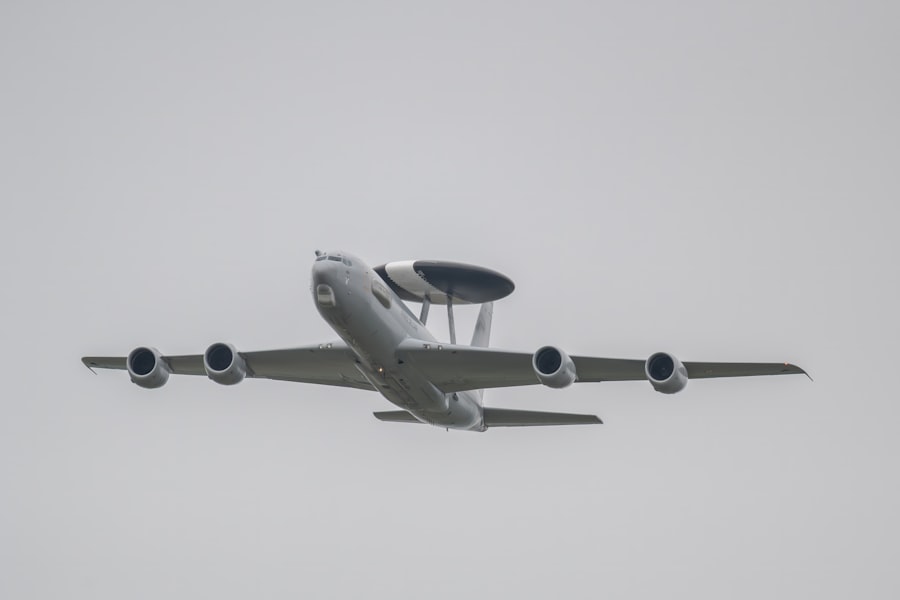
The Antonov An-22 is renowned for its colossal dimensions, making it one of the largest transport aircraft in history. With a wingspan of approximately 64 meters (210 feet) and a length of 57 meters (187 feet), it dwarfs many other aircraft in its class. This impressive size translates into an extraordinary payload capacity, allowing the An-22 to carry up to 60 tons (approximately 132,000 pounds) of cargo.
The spacious cargo hold measures around 30 meters (98 feet) in length and 4 meters (13 feet) in height, accommodating oversized items such as military vehicles, helicopters, and heavy machinery. The aircraft’s ability to transport such large loads has made it an essential asset for military logistics, disaster relief efforts, and commercial freight operations. Its versatility in handling various types of cargo has solidified its reputation as a workhorse in aviation.
The Antonov An-22’s Role in Military and Civilian Operations
The primary role of the Antonov An-22 has been within military operations, where it has served as a strategic airlift platform for the Soviet Armed Forces. Its ability to transport troops, equipment, and supplies over long distances has been crucial during conflicts and peacekeeping missions. The An-22 has been deployed in various theaters of operation, showcasing its reliability and adaptability in challenging environments.
In addition to its military applications, the An-22 has also found a niche in civilian operations. Various airlines and cargo companies have utilized this aircraft for transporting oversized freight, including industrial equipment and humanitarian aid. Its capability to operate from short and unpaved runways has made it particularly valuable in regions with limited infrastructure.
The dual-use nature of the An-22 exemplifies its significance in both military and civilian aviation sectors.
Notable Features and Innovations of the Antonov An-22
| Metric | Value | Unit |
|---|---|---|
| First Flight | 1965 | Year |
| Length | 57.9 | meters |
| Wingspan | 64.4 | meters |
| Height | 12.53 | meters |
| Maximum Takeoff Weight | 250000 | kilograms |
| Payload Capacity | 80 | tons |
| Maximum Speed | 740 | km/h |
| Range (with max payload) | 5000 | kilometers |
| Engines | 4 × Kuznetsov NK-12 turboprop | – |
| Crew | 6 | persons |
The Antonov An-22 is distinguished by several innovative features that enhance its operational capabilities. One of its most notable characteristics is the use of a unique wing design known as “high-mounted wings,” which improves aerodynamic efficiency and stability during flight. This design allows for better lift-to-drag ratios, contributing to fuel efficiency during long-haul missions.
Another significant innovation is the aircraft’s advanced avionics system, which includes navigation aids that enhance situational awareness for pilots. The An-22 is equipped with autopilot systems that facilitate long-distance flights, reducing pilot workload during extended missions. Furthermore, the aircraft’s cargo ramp and door system enable rapid loading and unloading processes, minimizing turnaround times at airports.
The Antonov An-22’s Performance and Capabilities
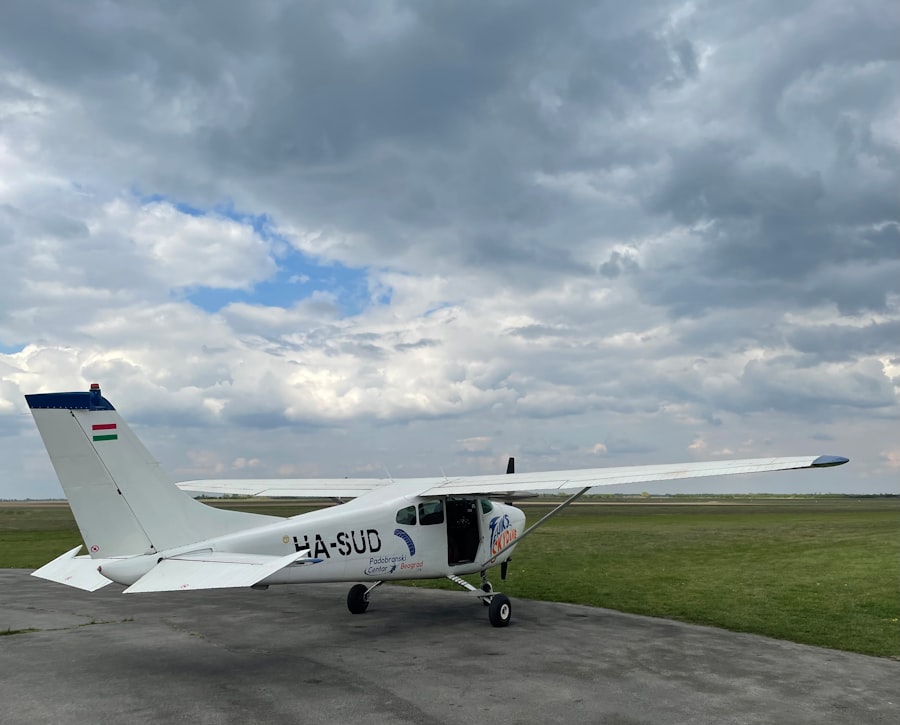
The performance metrics of the Antonov An-22 are impressive, reflecting its design as a heavy transport aircraft. Powered by four Ivchenko AI-20 turboprop engines, it boasts a maximum cruising speed of approximately 700 kilometers per hour (435 miles per hour). The aircraft has a service ceiling of around 10,000 meters (32,800 feet), allowing it to operate above most weather disturbances.
In terms of range, the An-22 can cover distances exceeding 5,000 kilometers (3,100 miles) without refueling, making it suitable for intercontinental missions. Its ability to take off from short runways—some as short as 2,500 meters (8,200 feet)—further enhances its operational flexibility. These performance capabilities have solidified the An-22’s status as a reliable choice for transporting heavy cargo across diverse terrains.
The Antonov An-22’s Impact on Aviation History
The Antonov An-22 has left an indelible mark on aviation history since its introduction. As one of the first large turboprop transport aircraft, it paved the way for future developments in cargo aviation. Its design principles influenced subsequent models within the Antonov family and other manufacturers worldwide.
Moreover, the An-22’s operational success demonstrated the importance of strategic airlift capabilities in modern warfare and humanitarian efforts. Its ability to transport large quantities of supplies quickly became a standard for military logistics, prompting other nations to develop similar aircraft to meet their operational needs. The legacy of the An-22 continues to resonate within both military and civilian aviation sectors.
The Antonov An-22’s Global Reach and Operations
Throughout its operational history, the Antonov An-22 has been utilized across various continents, showcasing its global reach. From transporting military equipment during conflicts in Asia to delivering humanitarian aid in Africa and Europe, this aircraft has played a vital role in numerous international missions. Its versatility has allowed it to adapt to different operational requirements across diverse geographical regions.
Several countries have operated or continue to operate the An-22, including Russia and Ukraine. Additionally, various cargo airlines have incorporated this aircraft into their fleets for specialized freight operations. The global presence of the An-22 highlights its significance as a reliable transport solution capable of addressing logistical challenges worldwide.
Challenges and Limitations of the Antonov An-22
Despite its many strengths, the Antonov An-22 is not without challenges and limitations. One significant issue is its relatively high operational costs compared to modern jet-powered transport aircraft. The maintenance requirements for turboprop engines can be demanding, leading to increased downtime and expenses for operators.
Furthermore, advancements in aviation technology have led to the development of more fuel-efficient jet transports that can outperform the An-22 in terms of speed and range. As a result, some operators have begun transitioning to newer models that offer enhanced performance characteristics. While the An-22 remains relevant for specific applications, these challenges may impact its long-term viability in an evolving aviation landscape.
The Future of the Antonov An-22
Looking ahead, the future of the Antonov An-22 remains uncertain amid changing aviation dynamics. While some operators continue to rely on this aircraft for specialized missions, others are exploring alternatives that offer improved efficiency and lower operating costs. However, there is still a niche market for heavy lift capabilities that only the An-22 can fulfill.
As global demand for air cargo transportation continues to grow, there may be opportunities for modernization efforts aimed at enhancing the An-22’s performance and efficiency. Upgrades to avionics systems or engine retrofits could extend its operational lifespan while maintaining its unique capabilities. Ultimately, the future of the Antonov An-22 will depend on how well it adapts to meet evolving industry demands.
The Legacy of the Antonov An-22
In conclusion, the Antonov An-22 stands as a remarkable achievement in aviation history, embodying innovation and versatility in heavy transport capabilities. Its impressive size, capacity, and performance have made it an invaluable asset for both military and civilian operations over several decades. While challenges exist regarding operational costs and competition from newer aircraft models, the legacy of the An-22 endures as a symbol of Soviet engineering prowess.
As we reflect on its contributions to aviation history, it is clear that the Antonov An-22 will continue to be remembered for its role in shaping airlift capabilities worldwide. Whether through military logistics or humanitarian missions, this iconic aircraft has left an indelible mark on global aviation that will resonate for years to come.
The Antonov An-22, known for its impressive cargo capacity and unique design, has played a significant role in the history of aviation.