Now Reading: Unmasking Antifa: Understanding the Controversial Movement
-
01
Unmasking Antifa: Understanding the Controversial Movement
Unmasking Antifa: Understanding the Controversial Movement
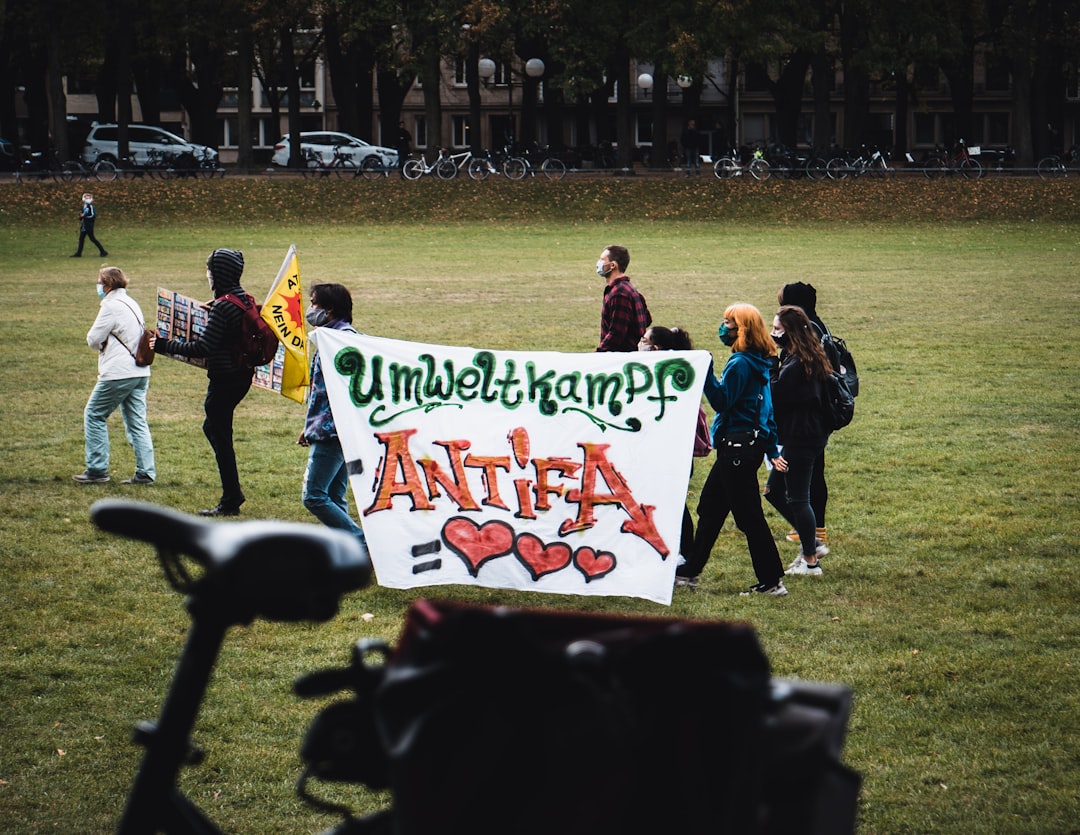
The origins of Antifa can be traced back to the early 20th century in Europe, particularly in Germany, where anti-fascist groups emerged in response to the rise of the Nazi Party. These groups were composed of various leftist factions, including communists, socialists, and anarchists, who united under a common goal: to combat the growing threat of fascism. The term “Antifa,” short for “anti-fascist,” became synonymous with these movements, which employed direct action and grassroots organizing to resist authoritarianism.
The historical context of post-World War I Europe, marked by economic instability and political turmoil, provided fertile ground for the emergence of these anti-fascist sentiments. In the United States, the Antifa movement began to gain traction in the late 20th century, particularly during the 1980s and 1990s. Influenced by European counterparts, American activists adopted the Antifa label as they confronted neo-Nazi groups and other far-right organizations.
The movement’s evolution was marked by a series of confrontations with white supremacist groups, culminating in significant events such as the 2017 Unite the Right rally in Charlottesville, Virginia. This rally served as a catalyst for renewed interest in Antifa, as activists mobilized to counter the presence of far-right extremists and defend marginalized communities.
Antifa’s ideology is rooted in a commitment to anti-fascism, anti-racism, and social justice. At its core, the movement seeks to dismantle systems of oppression that perpetuate inequality and discrimination. Antifa activists believe that fascism is not merely a historical phenomenon but a contemporary threat that manifests in various forms, including white supremacy, xenophobia, and authoritarianism.
This belief drives their commitment to direct action as a means of confronting these ideologies head-on. The principles guiding Antifa are often informed by a broader leftist framework that emphasizes solidarity among marginalized communities. Activists advocate for intersectionality, recognizing that various forms of oppression—such as racism, sexism, and classism—are interconnected.
This understanding shapes their approach to combating fascism, as they seek to build coalitions with other social justice movements. By fostering solidarity among diverse groups, Antifa aims to create a more inclusive and equitable society.
Antifa employs a range of tactics and strategies to achieve its goals, with direct action being a hallmark of the movement. This approach encompasses various forms of protest, including demonstrations, sit-ins, and blockades aimed at disrupting far-right events. Activists often utilize decentralized organizing methods, allowing for flexibility and adaptability in their responses to emerging threats.
This decentralized structure enables local groups to tailor their tactics to specific contexts while maintaining a shared commitment to anti-fascism. Confrontations with far-right groups are another prominent aspect of Antifa’s strategy. These encounters can range from peaceful counter-protests to more aggressive confrontations aimed at physically disrupting extremist gatherings.
While some critics argue that such tactics contribute to violence, supporters contend that they are necessary to protect vulnerable communities from hate and intimidation. The effectiveness of these strategies remains a topic of debate within both activist circles and broader society.
Antifa has faced significant criticism from various quarters, particularly regarding allegations of violence and extremism. Detractors argue that the movement’s confrontational tactics can escalate tensions and lead to physical altercations. High-profile incidents during protests have fueled narratives portraying Antifa as a violent organization that undermines democratic discourse.
Critics often cite instances where confrontations have resulted in injuries or property damage as evidence of Antifa’s purported extremism. Supporters of Antifa counter these claims by emphasizing the context in which these actions occur. They argue that the movement operates in response to real threats posed by far-right groups that espouse hate and violence.
Furthermore, proponents assert that Antifa’s actions are often misrepresented or exaggerated by media outlets and political opponents seeking to discredit the movement. This ongoing controversy highlights the complexities surrounding public perceptions of Antifa and raises important questions about the boundaries of acceptable protest tactics.
The relationship between Antifa and free speech is fraught with tension and controversy. On one hand, Antifa activists argue that their actions are a necessary response to hate speech and extremist ideologies that threaten marginalized communities. They contend that allowing such speech to go unchallenged can lead to real-world violence and discrimination.
In this view, their confrontations with far-right speakers are framed as acts of defense rather than censorship. Conversely, critics assert that Antifa’s tactics infringe upon free speech rights by attempting to silence opposing viewpoints through intimidation or violence. This perspective raises fundamental questions about the limits of free expression in a democratic society.
The clashes between Antifa and conservative speakers have sparked heated debates about whether certain forms of speech should be protected or whether they can be justifiably opposed through direct action. These discussions underscore the complexities inherent in balancing free speech with the imperative to combat hate and discrimination.
The movement’s emphasis on direct action has inspired various grassroots organizations advocating for racial justice, LGBTQ+ rights, environmental justice, and more. By modeling confrontational tactics and fostering solidarity among diverse groups, Antifa has contributed to a resurgence of activism across multiple fronts.
Moreover, Antifa’s visibility during high-profile protests has brought attention to issues such as systemic racism and police brutality. The movement’s willingness to confront far-right extremism has galvanized support for broader anti-fascist sentiments within progressive circles. As a result, Antifa has become emblematic of a larger struggle against authoritarianism and inequality in contemporary society.
Antifa perceives itself as a frontline defense against the resurgence of fascist ideologies in contemporary society. Activists view far-right movements as not only a threat to marginalized communities but also as an existential danger to democratic values themselves. In response to this perceived threat, Antifa mobilizes resources and organizes actions aimed at disrupting far-right gatherings while raising awareness about the dangers posed by extremist ideologies.
The rise of populist movements across various countries has further intensified Antifa’s commitment to combating fascism. Activists argue that these movements often exploit economic discontent and social anxieties to promote xenophobia and division. By actively opposing these narratives through direct action and community engagement, Antifa seeks to counteract the normalization of hate speech and extremist rhetoric within mainstream discourse.
Antifa is not confined solely to the United States; it has established an international presence with connections to similar movements across Europe, Canada, Australia, and beyond. These global networks facilitate collaboration among anti-fascist activists who share common goals of combating authoritarianism and promoting social justice. Events such as international days of action against fascism highlight this transnational solidarity among anti-fascist groups.
The global reach of Antifa underscores how local struggles against fascism resonate with broader historical contexts shaped by colonialism, imperialism, and systemic oppression. Activists often draw inspiration from one another’s experiences while adapting strategies to fit their unique sociopolitical landscapes. This interconnectedness enhances the movement’s resilience while amplifying its impact on combating far-right ideologies worldwide.
The relationship between Antifa and law enforcement is characterized by tension and mutual suspicion. Activists often view police as complicit in upholding systems of oppression while simultaneously targeting anti-fascist protests with heavy-handed tactics. Instances where law enforcement has been accused of using excessive force against protesters have further fueled animosity between these two entities.
Conversely, law enforcement agencies frequently perceive Antifa as a potential source of violence or disorder during protests. This perception has led to increased surveillance measures aimed at monitoring anti-fascist activities. The challenges posed by these interactions raise critical questions about civil liberties, public safety, and accountability within policing practices.
As political polarization continues to intensify globally, Antifa’s future remains uncertain yet pivotal within contemporary activism. The movement’s ability to adapt its strategies in response to evolving threats will likely shape its trajectory moving forward. With rising concerns about authoritarianism across various nations, Antifa may find itself at the forefront of resistance against oppressive regimes while continuing its commitment to social justice causes.
Moreover, ongoing debates surrounding free speech versus hate speech will likely influence how society perceives Antifa’s actions in years ahead. As younger generations become increasingly engaged in activism through digital platforms, new forms of organizing may emerge that challenge traditional notions of protest while amplifying anti-fascist sentiments within broader social movements.
Critics of Antifa often express concerns regarding its tactics, viewing them as counterproductive or harmful to democratic discourse. Many argue that confrontational approaches alienate potential allies while undermining legitimate grievances within progressive movements. Additionally, some opponents contend that labeling all dissenting voices as fascist stifles healthy debate necessary for a functioning democracy.
Despite these criticisms, there exists potential for finding common ground between opposing perspectives on activism. Engaging in constructive dialogue about differing views on protest tactics could foster understanding while addressing underlying issues related to systemic oppression. By acknowledging shared goals—such as combating hate—activists from diverse backgrounds may work collaboratively toward creating inclusive spaces for dialogue without resorting solely to confrontation.
In summary, Antifa represents a complex movement rooted in historical struggles against fascism that has evolved significantly over time.
While controversies surrounding violence persist, discussions about free speech highlight ongoing tensions within democratic societies grappling with issues related to hate speech versus civil liberties.
As global connections strengthen among anti-fascist activists worldwide, understanding both supporters’ motivations alongside critics’ concerns will be crucial for navigating future political landscapes shaped by resistance against authoritarianism.
While discussions around Antifa often center on political activism and social movements, it’s interesting to consider how various societal factors, such as housing security, can influence these dynamics. For a deeper understanding of the importance of renters’ insurance in today’s climate, you can read this article: A Deep Dive into Renters Insurance: Everything You Should Consider. This piece highlights the significance of protecting one’s living situation, which can be a crucial aspect for individuals involved in activism.
FAQs
What does “Antifa” stand for?
“Antifa” is short for “anti-fascist.” It refers to a political movement composed of various autonomous groups and individuals who oppose fascism, racism, and far-right ideologies.
Is Antifa an organized group?
Antifa is not a centralized or formally organized group. It consists of loosely affiliated activists and groups that share anti-fascist beliefs and tactics but operate independently.
What are the main goals of Antifa?
The primary goals of Antifa are to oppose fascism, white supremacy, racism, and other forms of extreme right-wing ideology. They often engage in direct action to confront these ideologies.
What tactics does Antifa use?
Antifa activists use a range of tactics including protests, counter-protests, community organizing, and sometimes direct confrontation. Some members advocate for non-violent resistance, while others have engaged in property damage or physical altercations.
Is Antifa considered a terrorist organization?
In the United States and many other countries, Antifa is not officially designated as a terrorist organization by the government. However, it has been a subject of political debate and controversy.
Where did Antifa originate?
Antifa has historical roots dating back to anti-fascist movements in Europe during the 1920s and 1930s, particularly in Germany and Italy, where activists opposed the rise of fascist regimes.
Does Antifa have a political affiliation?
Antifa is generally associated with left-wing and anarchist political ideologies. However, it is not formally affiliated with any political party.
How does Antifa differ from other protest movements?
Antifa specifically focuses on opposing fascism and far-right extremism, often using direct action tactics. Unlike some protest movements, it does not have a centralized leadership or formal membership.
Has Antifa been involved in violence?
Some individuals and groups associated with Antifa have been involved in violent confrontations, particularly during protests and counter-protests. However, the movement as a whole encompasses a wide range of tactics and participants.
How do governments respond to Antifa activities?
Government responses vary by country and context. Some law enforcement agencies monitor Antifa activities, especially when protests turn violent, but there is no uniform policy regarding the movement.