Now Reading: Unlocking the Potential of Taxol: A Powerful Cancer-Fighting Drug
-
01
Unlocking the Potential of Taxol: A Powerful Cancer-Fighting Drug
Unlocking the Potential of Taxol: A Powerful Cancer-Fighting Drug
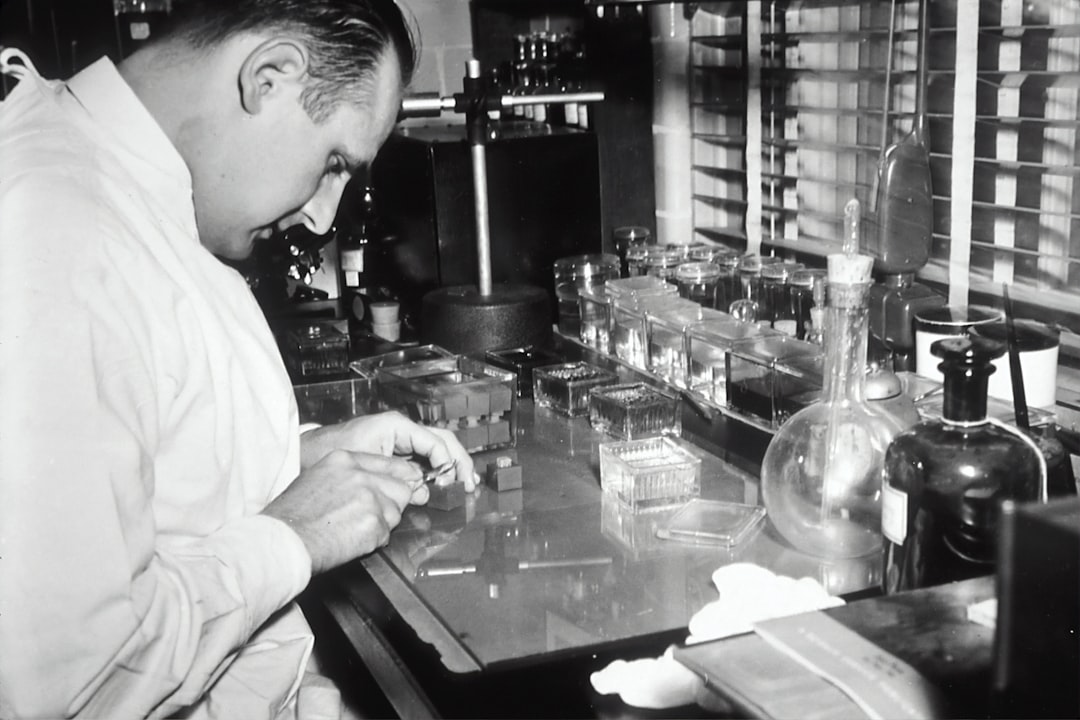
The discovery of Taxol, also known as paclitaxel, marked a pivotal moment in the field of oncology. Initially isolated from the bark of the Pacific yew tree (Taxus brevifolia) in the early 1970s by Dr. Monroe Wall and Dr. Mansukh Wani, this compound emerged as a potent antineoplastic agent. The initial research was driven by the National Cancer Institute’s (NCI) initiative to explore natural products for potential cancer therapies. Taxol’s unique ability to inhibit cell division by stabilizing microtubules set it apart from other chemotherapeutic agents, leading to its rapid development and subsequent approval by the U.S. Food and Drug Administration (FDA) in 1992 for the treatment of ovarian cancer. The significance of Taxol extends beyond its initial approval; it has since become a cornerstone in the treatment of various malignancies, including breast cancer, lung cancer, and Kaposi’s sarcoma. Its introduction into clinical practice has transformed treatment protocols and improved survival rates for countless patients. The journey from laboratory discovery to clinical application exemplifies the importance of continued research and innovation in the fight against cancer.
Key Takeaways
- Taxol, derived from the Pacific Yew tree, was a breakthrough in cancer treatment.
- Taxol targets cancer cells by stabilizing microtubules, preventing cell division and leading to cell death.
- Strategies to maximize Taxol’s effectiveness include combination therapies and drug delivery advancements.
- The Pacific Yew tree plays a crucial role in Taxol production, but synthetic derivatives have also been developed.
- Advances in drug delivery and formulation aim to minimize Taxol’s side effects for patients.
Understanding the Mechanism of Action: How Taxol Targets Cancer Cells
Taxol’s mechanism of action is intricately linked to its ability to disrupt the normal dynamics of the mitotic spindle during cell division. By binding to the β-subunit of tubulin, a key protein in microtubule formation, Taxol promotes the polymerization of tubulin into stable microtubules while simultaneously preventing their depolymerization. This stabilization effectively freezes the mitotic spindle, leading to cell cycle arrest at the metaphase stage.
Consequently, cancer cells are unable to complete mitosis, resulting in apoptosis or programmed cell death. The specificity of Taxol for rapidly dividing cells makes it particularly effective against tumors, which often exhibit heightened mitotic activity. However, this mechanism also underscores a significant challenge: normal cells that divide frequently, such as those in the bone marrow and gastrointestinal tract, can also be affected, leading to common side effects associated with chemotherapy.
Understanding this duality is crucial for optimizing treatment regimens and minimizing adverse effects.
Overcoming Resistance: Strategies for Maximizing the Effectiveness of Taxol

Despite its efficacy, resistance to Taxol remains a significant hurdle in cancer treatment. Tumor cells can develop resistance through various mechanisms, including alterations in drug transporters, changes in microtubule dynamics, and enhanced drug efflux capabilities. To combat this challenge, researchers are exploring several strategies aimed at maximizing Taxol’s effectiveness.
One promising approach involves the use of combination therapies that target multiple pathways simultaneously.
Additionally, novel formulations that utilize nanoparticles or liposomes to deliver Taxol directly to tumor sites are being investigated to bypass resistance mechanisms and increase drug accumulation within malignant tissues.
Harnessing the Power of Nature: The Role of the Pacific Yew Tree in Taxol Production
| Aspect | Details |
|---|---|
| Scientific Name | Taxus brevifolia |
| Location | Native to the Pacific Northwest region of the United States |
| Role in Taxol Production | The bark of the Pacific yew tree contains compounds used in the production of the cancer-fighting drug Taxol |
| Challenges | Conservation concerns due to overharvesting for Taxol production |
| Alternative Sources | Synthetic production and extraction from other yew species |
The Pacific yew tree has played an instrumental role in the production of Taxol, but its use raises important ecological and ethical considerations. The initial extraction process involved harvesting large quantities of bark from these trees, leading to concerns about sustainability and environmental impact. As a result, researchers have sought alternative methods for Taxol production that do not compromise the Pacific yew population.
One innovative solution has been the development of semi-synthetic pathways that utilize precursors derived from renewable sources. For example, researchers have successfully synthesized Taxol from 10-deacetylbaccatin III, a compound found in the needles of other yew species. This approach not only preserves the Pacific yew but also allows for more efficient production processes that can meet clinical demand without depleting natural resources.
The Evolution of Taxol: From Natural Extract to Synthetic Derivatives
The evolution of Taxol from a natural extract to synthetic derivatives represents a significant advancement in pharmaceutical chemistry. While the original compound was derived from the Pacific yew tree, ongoing research has led to the development of various analogs and formulations designed to enhance efficacy and reduce side effects. One notable derivative is nab-paclitaxel (Abraxane), which is formulated with albumin nanoparticles to improve solubility and bioavailability.
This formulation allows for higher doses with fewer side effects compared to traditional Taxol administration. Additionally, ongoing studies are exploring other synthetic modifications that may enhance Taxol’s pharmacokinetic properties or target specific tumor types more effectively.
Minimizing Side Effects: Advances in Drug Delivery and Formulation

The side effects associated with Taxol therapy can significantly impact patient quality of life and treatment adherence. Common adverse effects include neutropenia, peripheral neuropathy, and gastrointestinal disturbances. To mitigate these issues, advances in drug delivery systems have been developed to optimize therapeutic outcomes while minimizing toxicity.
Innovative delivery methods such as liposomal formulations and targeted nanoparticles are being explored to enhance drug localization within tumors while sparing healthy tissues. These advanced formulations can improve pharmacokinetics and reduce systemic exposure, thereby decreasing the incidence and severity of side effects. Furthermore, personalized medicine approaches that tailor treatment regimens based on individual patient profiles may also contribute to improved tolerability and efficacy.
Expanding Applications: Exploring the Potential of Taxol in Treating Other Diseases
While Taxol is primarily recognized for its role in oncology, emerging research suggests potential applications beyond cancer treatment. Studies have indicated that paclitaxel may possess anti-inflammatory properties that could be beneficial in treating conditions such as rheumatoid arthritis and cardiovascular diseases. Additionally, ongoing investigations are exploring Taxol’s role in neuroprotection and its potential use in treating neurodegenerative disorders like Alzheimer’s disease.
The ability of paclitaxel to stabilize microtubules may offer therapeutic benefits in maintaining neuronal integrity and function. As research continues to unveil these novel applications, Taxol’s versatility as a therapeutic agent may expand significantly.
Combating Drug Resistance: Combinatorial Approaches with Taxol and Other Therapies
The challenge of drug resistance necessitates innovative strategies that combine Taxol with other therapeutic modalities. Combinatorial approaches have shown promise in enhancing treatment efficacy while overcoming resistance mechanisms. For instance, combining Taxol with targeted therapies such as trastuzumab for HER2-positive breast cancer or immune checkpoint inhibitors like pembrolizumab may yield synergistic effects that improve patient outcomes.
Additionally, incorporating agents that modulate tumor microenvironments or enhance immune responses can further augment the effectiveness of Taxol-based regimens.
The Future of Taxol: Innovations and Research in Cancer Treatment
The future of Taxol lies in ongoing research aimed at optimizing its use in clinical practice. Innovations in drug formulation, delivery systems, and combination therapies are paving the way for more effective treatment strategies that address current limitations. Furthermore, advancements in biomarker identification may enable clinicians to tailor Taxol therapy based on individual patient characteristics, improving response rates and minimizing toxicity.
As our understanding of cancer biology evolves, so too will our ability to harness the full potential of Taxol as a cornerstone of cancer treatment.
Access and Affordability: Addressing Challenges in Making Taxol Available to All Patients
Despite its proven efficacy, access to Taxol remains a concern due to factors such as cost and availability in certain regions. Addressing these challenges is crucial for ensuring equitable access to life-saving treatments for all patients. Efforts are underway to negotiate pricing agreements with pharmaceutical companies and implement programs aimed at reducing financial barriers for patients requiring Taxol therapy.
Additionally, increasing awareness among healthcare providers about available resources can facilitate timely access to treatment for those who need it most.
Celebrating Success Stories: Real-Life Accounts of Taxol’s Impact on Cancer Patients
The impact of Taxol on cancer patients is best illustrated through real-life success stories that highlight its transformative potential. Many individuals have experienced significant improvements in their quality of life and survival rates following Taxol therapy. For instance, patients diagnosed with advanced ovarian cancer have reported remarkable responses to treatment, leading to extended remission periods and improved overall health.
These success stories serve as powerful reminders of the importance of continued research and innovation in cancer treatment, inspiring hope for patients facing similar challenges. In summary, Taxol represents a groundbreaking advancement in cancer therapy with a multifaceted mechanism of action and expanding applications beyond oncology. Ongoing research aims to overcome resistance challenges while minimizing side effects through innovative delivery systems and combination therapies.
As we celebrate success stories from patients who have benefited from this remarkable drug, it is essential to address access and affordability issues to ensure that all individuals can receive this life-saving treatment. The future holds promise for further innovations that will continue to enhance our understanding and utilization of Taxol in combating cancer and other diseases effectively.
Taxol, also known as paclitaxel, is a chemotherapy drug commonly used to treat various types of cancer. It works by interfering with the growth and spread of cancer cells in the body. In a related article, com/celebrating-columbus-day-a-national-holiday/’>Celebrating Columbus Day: A National Holiday, the legacy of explorers like Christopher Columbus is honored and celebrated.
Just as Columbus paved the way for new discoveries and advancements in exploration, Taxol has paved the way for advancements in cancer treatment, offering hope and healing to those battling this devastating disease.
FAQs
What is Taxol?
Taxol is a chemotherapy medication used to treat various types of cancer, including breast, ovarian, and lung cancer. It is derived from the bark of the Pacific yew tree.
How does Taxol work?
Taxol works by interfering with the growth and spread of cancer cells in the body. It does this by binding to microtubules within the cells, which are essential for cell division.
What are the side effects of Taxol?
Common side effects of Taxol include hair loss, nausea, vomiting, diarrhea, and numbness or tingling in the hands and feet. It can also lower the body’s ability to fight infections and cause anemia.
How is Taxol administered?
Taxol is typically administered intravenously in a clinical setting. The dosage and frequency of administration will depend on the type of cancer being treated and the individual patient’s response to the medication.
Are there any precautions or contraindications for using Taxol?
Patients with liver disease, low white blood cell counts, or allergies to medications similar to Taxol should not use this medication. It is also important for women who are pregnant or breastfeeding to discuss the risks and benefits of using Taxol with their healthcare provider.