Now Reading: Unleashing the Power of McLaren: A Closer Look at the Iconic Supercar
-
01
Unleashing the Power of McLaren: A Closer Look at the Iconic Supercar
Unleashing the Power of McLaren: A Closer Look at the Iconic Supercar
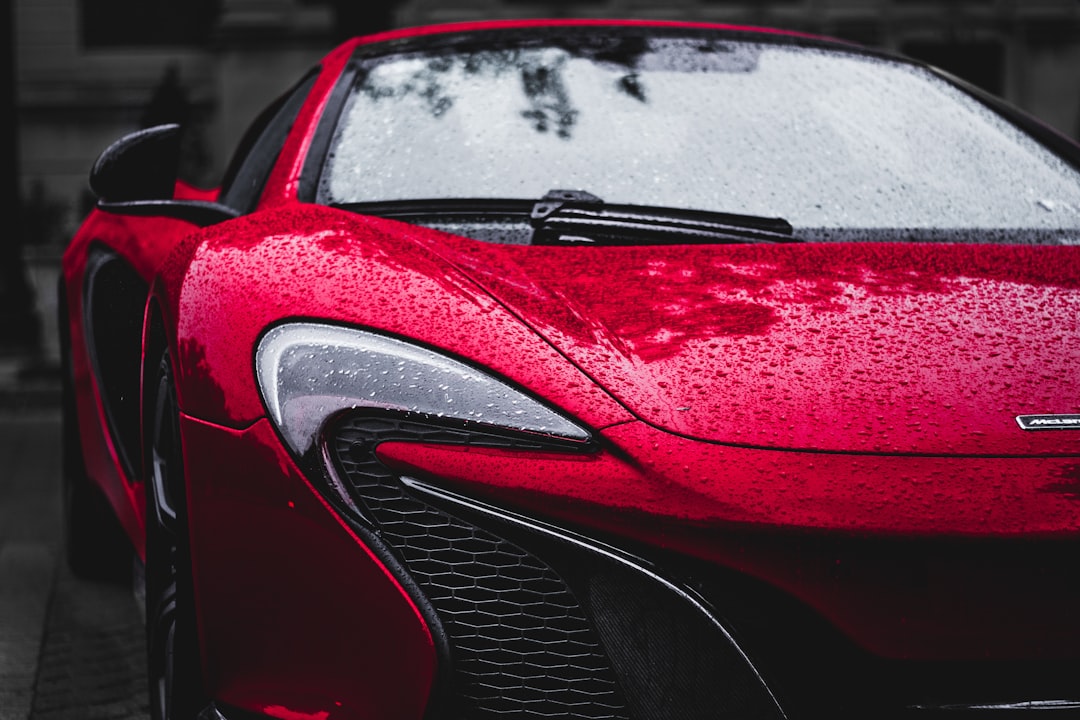
McLaren Automotive, a name synonymous with high-performance vehicles, has a rich history that dates back to the 1960s. Founded by New Zealand racing driver Bruce McLaren in 1963, the company initially focused on motorsport, particularly Formula 1.
The McLaren team quickly made its mark in the racing world, securing its first Grand Prix victory in 1968. This success laid the groundwork for what would eventually evolve into a prestigious automotive manufacturer. As the years progressed, McLaren transitioned from a pure racing entity to a manufacturer of road-going supercars.
The introduction of the iconic McLaren F1 in 1992 marked a pivotal moment in the company’s history. Designed by Gordon Murray, the F1 was revolutionary, featuring a lightweight carbon-fiber monocoque chassis and a powerful BMW V12 engine. It set numerous records, including the title of the fastest production car in the world at the time.
This transition from racing to supercars not only showcased McLaren’s engineering prowess but also established its reputation as a leader in automotive innovation.
Key Takeaways
- McLaren’s roots in racing have heavily influenced its transition into producing high-performance supercars.
- Advanced design and engineering techniques are central to McLaren supercars’ exceptional performance and innovation.
- McLaren supercars showcase cutting-edge technology derived from Formula 1, enhancing speed and handling.
- The evolution from the iconic McLaren F1 to the P1 highlights continuous advancements in supercar capabilities.
- McLaren has significantly shaped the supercar industry, fostering a passionate community through exclusive models and owner clubs.
The Design and Engineering Behind McLaren Supercars
The design and engineering of McLaren supercars are characterized by a relentless pursuit of performance and efficiency. Each model is meticulously crafted using advanced materials and cutting-edge technology. The use of carbon fiber is a hallmark of McLaren’s engineering philosophy, allowing for lightweight structures that enhance speed and handling.
The Monocage chassis, a signature feature of many McLaren models, provides exceptional rigidity while minimizing weight, resulting in superior performance dynamics. Aerodynamics play a crucial role in the design of McLaren supercars. The company employs sophisticated computational fluid dynamics (CFD) simulations to optimize airflow around the vehicle, ensuring maximum downforce and stability at high speeds.
Features such as active aerodynamics, adjustable rear wings, and front splitters are integrated into the design to enhance performance on both road and track. This meticulous attention to detail ensures that every McLaren supercar not only looks stunning but also performs at an elite level.
The Performance Capabilities of McLaren Supercars
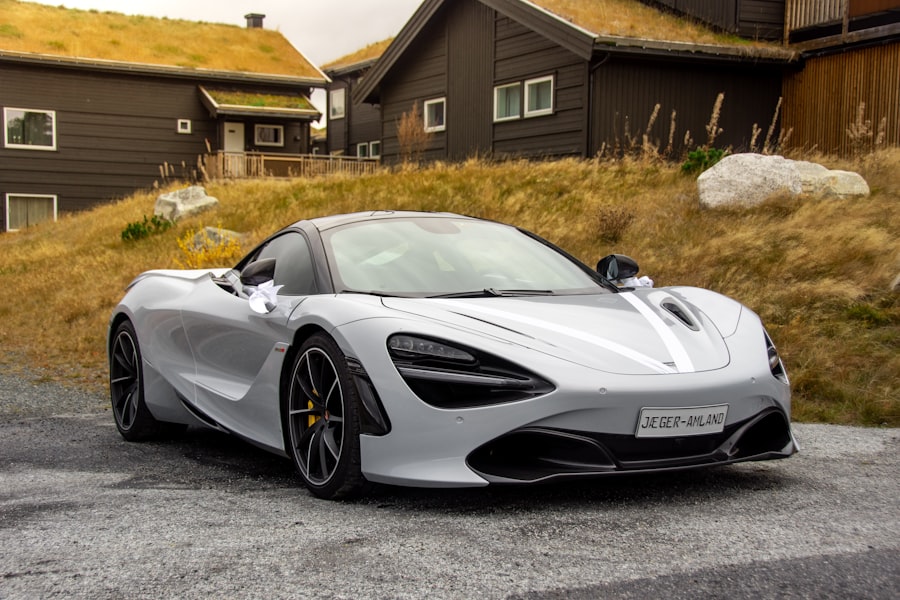
McLaren supercars are engineered for exhilarating performance, boasting impressive specifications that set them apart from competitors. For instance, the McLaren 720S features a twin-turbocharged V8 engine that produces an astonishing 710 horsepower and 568 lb-ft of torque. This power allows the vehicle to accelerate from 0 to 60 mph in just 2.7 seconds, showcasing McLaren’s commitment to delivering thrilling driving experiences.
In addition to raw power, McLaren supercars are equipped with advanced suspension systems and braking technologies that enhance handling and control. The use of adaptive dampers and active suspension management ensures that the vehicle remains composed during aggressive cornering and high-speed maneuvers. Furthermore, carbon-ceramic brakes provide exceptional stopping power, allowing drivers to confidently push their limits on both the road and racetrack.
The Evolution of McLaren Supercars: From the F1 to the P1
The evolution of McLaren supercars is marked by significant milestones that reflect advancements in technology and design philosophy. The McLaren F1, launched in 1992, set the standard for performance with its groundbreaking design and engineering. It was not only the fastest production car of its time but also introduced features such as a central driving position and an innovative three-seat layout.
Fast forward to 2013, and McLaren unveiled the P1, a hybrid hypercar that represented a new era for the brand. Combining a twin-turbo V8 engine with an electric motor, the P1 produced a combined output of 903 horsepower. This model showcased McLaren’s commitment to sustainability without compromising performance.
The P1’s advanced hybrid technology allowed for instantaneous torque delivery and improved fuel efficiency, setting a precedent for future models.
The Influence of Formula 1 Technology on McLaren Supercars
| Metric | Value |
|---|---|
| Founded | 1963 |
| Founder | Bruce McLaren |
| Headquarters | Woking, Surrey, England |
| Formula 1 World Championships (Constructors) | 8 |
| Formula 1 World Championships (Drivers) | 12 |
| Notable Cars | McLaren F1, McLaren P1, McLaren 720S |
| Current Formula 1 Drivers (2024) | Lando Norris, Oscar Piastri |
| Formula 1 Debut | 1966 |
| Number of Formula 1 Wins | 183 |
The influence of Formula 1 technology on McLaren supercars is profound and evident in various aspects of their design and performance. Drawing from decades of experience in motorsport, McLaren incorporates cutting-edge technologies developed for F1 into its road cars. For instance, the use of KERS (Kinetic Energy Recovery System) in F1 has been adapted for hybrid models like the P1, enhancing acceleration and efficiency.
Additionally, aerodynamics derived from F1 racing are integral to McLaren supercars. The company employs wind tunnel testing and CFD simulations to refine aerodynamic profiles, ensuring optimal downforce and drag reduction. Features such as active aerodynamics—where components adjust dynamically based on driving conditions—are directly influenced by F1 innovations, allowing McLaren supercars to achieve unparalleled performance on both track and road.
The Legacy of McLaren: How it has Shaped the Supercar Industry
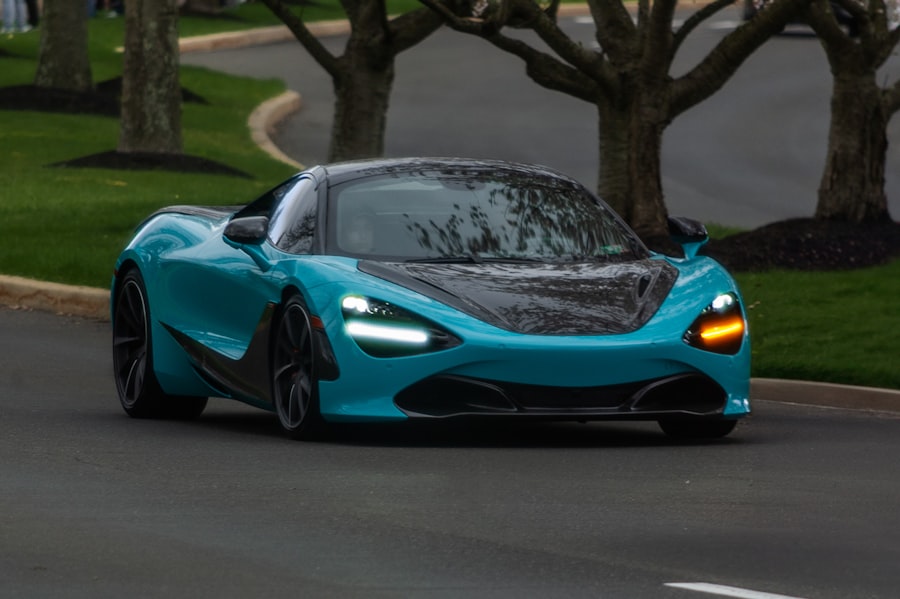
McLaren’s legacy extends beyond its own vehicles; it has significantly shaped the supercar industry as a whole. By pioneering technologies such as carbon-fiber construction and hybrid powertrains, McLaren has set benchmarks that competitors strive to meet. The introduction of the F1 redefined expectations for performance and luxury in supercars, influencing subsequent models from various manufacturers.
Moreover, McLaren’s commitment to innovation has inspired a culture of continuous improvement within the automotive industry. As other manufacturers adopt similar technologies and design philosophies, McLaren remains at the forefront of pushing boundaries. Its focus on lightweight construction, advanced aerodynamics, and hybridization has become a standard practice among supercar manufacturers seeking to enhance performance while addressing environmental concerns.
The Unique Driving Experience of McLaren Supercars
Driving a McLaren supercar is an experience unlike any other, characterized by precision engineering and exhilarating performance. The cockpit is designed with the driver in mind, featuring ergonomic controls and a driver-focused layout that enhances engagement with the vehicle. The tactile feedback from the steering wheel and pedals provides an intimate connection between driver and machine, allowing for precise control during spirited driving.
Furthermore, McLaren’s attention to detail extends to sound engineering; the exhaust note of each model is meticulously tuned to deliver an exhilarating auditory experience. Whether it’s the throaty roar of a V8 or the high-pitched wail of a hybrid powertrain, each sound is designed to evoke emotion and excitement. This unique driving experience is further enhanced by advanced technologies such as telemetry systems that provide real-time data on performance metrics, allowing drivers to fine-tune their driving style.
The Exclusive World of McLaren: Limited Edition Models and Customization
McLaren offers an exclusive range of limited edition models that cater to discerning collectors and enthusiasts alike. These special editions often feature unique design elements, enhanced performance specifications, and bespoke customization options that set them apart from standard models. For instance, models like the McLaren Sabre or Elva are produced in limited quantities, making them highly sought after by collectors.
Customization is another hallmark of the McLaren experience. Through their bespoke division, customers can personalize every aspect of their vehicle—from exterior colors and finishes to interior materials and trim options. This level of customization allows owners to create a vehicle that reflects their individual tastes while maintaining the performance characteristics that define McLaren supercars.
The Future of McLaren Supercars: Innovations and Advancements
As we look toward the future, McLaren continues to innovate with advancements in technology and sustainability at the forefront of its agenda. The company is actively exploring electric powertrains as part of its commitment to reducing emissions while maintaining high-performance standards. Future models are expected to incorporate more hybrid technologies that enhance efficiency without sacrificing power.
Additionally, advancements in autonomous driving technology are being researched within McLaren’s engineering teams. While maintaining the essence of driving engagement is paramount, integrating smart technologies could enhance safety features and provide drivers with additional support during their journeys. As automotive trends evolve, McLaren remains dedicated to pushing boundaries while staying true to its racing heritage.
The McLaren Owners Club: A Community of Supercar Enthusiasts
The McLaren Owners Club serves as a vibrant community for enthusiasts who share a passion for these extraordinary vehicles. Members enjoy exclusive access to events such as track days, car shows, and social gatherings where they can connect with fellow owners and share their experiences. This sense of community fosters camaraderie among enthusiasts who appreciate not only the performance capabilities but also the artistry behind each model.
Moreover, the club provides valuable resources for owners, including technical support and insights into maintenance best practices. Members can participate in discussions about modifications or upgrades while gaining access to exclusive merchandise and memorabilia that celebrate the McLaren brand.
The Impact of McLaren Supercars on the Automotive World
McLaren supercars have left an indelible mark on the automotive world through their relentless pursuit of excellence in performance and engineering innovation. By setting benchmarks for speed, handling, and design aesthetics, they have influenced not only competitors but also consumer expectations regarding what defines a supercar. The brand’s commitment to sustainability through hybrid technology has prompted other manufacturers to explore similar avenues in their own lineups.
As consumers become increasingly conscious of environmental impact, McLaren’s pioneering efforts serve as an example for how high-performance vehicles can coexist with eco-friendly practices. In summary, McLaren’s journey from racing origins to becoming a leader in supercar manufacturing showcases its dedication to innovation and excellence. With cutting-edge design principles rooted in motorsport technology, each model delivers unparalleled performance while shaping industry standards for years to come.
As we look ahead, McLaren continues to inspire enthusiasts worldwide with its commitment to pushing boundaries in both performance and sustainability within the automotive landscape.
McLaren continues to make headlines in the automotive world with its innovative designs and high-performance vehicles. For those interested in the intersection of tradition and modernity, you might find it intriguing to explore how different cultures celebrate their heritage, much like McLaren celebrates its racing legacy. Check out this article on the cozy tradition of the Yule log for a glimpse into how traditions can shape our experiences: Indulge in the Cozy Tradition of Yule Log.
FAQs
What is McLaren?
McLaren is a British automotive manufacturer known for producing high-performance sports cars and participating in Formula 1 racing. The company is renowned for its innovation, engineering excellence, and motorsport heritage.
When was McLaren founded?
McLaren was founded in 1963 by New Zealand racing driver Bruce McLaren. The company initially focused on motorsport before expanding into the production of road cars.
What types of cars does McLaren produce?
McLaren produces a range of high-performance sports cars and supercars, including models like the McLaren 720S, McLaren Artura, and the McLaren P1. Their vehicles are known for advanced technology, lightweight construction, and exceptional speed.
Is McLaren involved in Formula 1 racing?
Yes, McLaren has a long history in Formula 1 racing. The McLaren Formula 1 team is one of the most successful and well-known teams in the sport, having won multiple World Championships.
Where is McLaren based?
McLaren is headquartered in Woking, Surrey, United Kingdom. The company’s facilities include design, engineering, and manufacturing centers.
What makes McLaren cars unique?
McLaren cars are distinguished by their use of cutting-edge technology, lightweight materials such as carbon fiber, and a focus on performance and driving dynamics. They often incorporate Formula 1 technology into their road cars.
Can McLaren cars be customized?
Yes, McLaren offers extensive customization options through their McLaren Special Operations (MSO) division, allowing customers to personalize their vehicles with bespoke colors, materials, and features.
Are McLaren cars expensive?
McLaren cars are considered luxury supercars and are priced accordingly. Their cost typically ranges from several hundred thousand to over a million dollars, depending on the model and customization.
Does McLaren produce electric or hybrid vehicles?
Yes, McLaren has developed hybrid models such as the McLaren P1 and the McLaren Artura, which combine internal combustion engines with electric power to enhance performance and efficiency.
How can I buy a McLaren car?
McLaren cars can be purchased through authorized McLaren dealerships worldwide. Prospective buyers can also contact McLaren directly for information on ordering and customization.