Now Reading: Understanding Your Car Insurance Policy
-
01
Understanding Your Car Insurance Policy
Understanding Your Car Insurance Policy

Car insurance is a crucial financial product designed to protect vehicle owners from potential losses associated with accidents, theft, and other unforeseen events. In essence, it serves as a safety net, ensuring that individuals are not left financially vulnerable in the aftermath of an incident involving their vehicle. The primary purpose of car insurance is to provide coverage for damages to your car, injuries sustained by you or others, and liability for damages caused to other parties.
Understanding the intricacies of a car insurance policy is essential for every driver, as it can significantly impact both financial security and peace of mind. The landscape of car insurance is vast and complex, with various policies tailored to meet the diverse needs of drivers. From mandatory liability coverage to optional comprehensive plans, the choices available can be overwhelming.
However, grasping the fundamental components of car insurance can empower consumers to make informed decisions. This article will delve into the various aspects of car insurance policies, including types of coverage, deductibles, exclusions, and more, equipping readers with the knowledge necessary to navigate this essential aspect of vehicle ownership.
Key Takeaways
- Car insurance is essential for protecting yourself and your vehicle in case of accidents or damages.
- Types of coverage included in your policy may vary, but commonly include liability, collision, and comprehensive coverage.
- Understanding deductibles and limits is important as they determine how much you will have to pay out of pocket in case of a claim.
- Exclusions and limitations in your policy may include specific situations or types of damage that are not covered.
- Additional coverage options such as roadside assistance or rental car reimbursement can provide extra protection and peace of mind.
Types of Coverage Included in Your Policy
Car insurance policies typically encompass several types of coverage, each designed to address specific risks associated with vehicle ownership. The most common types include liability coverage, collision coverage, comprehensive coverage, personal injury protection (PIP), and uninsured/underinsured motorist coverage. Liability coverage is often mandated by law and protects you financially if you are found responsible for causing an accident that results in injury or property damage to another party.
Collision coverage, on the other hand, pays for damages to your vehicle resulting from a collision with another vehicle or object, regardless of fault. Comprehensive coverage extends protection beyond collisions, covering damages from non-collision incidents such as theft, vandalism, or natural disasters. Personal injury protection (PIP) is designed to cover medical expenses for you and your passengers in the event of an accident, regardless of who is at fault.
Uninsured/underinsured motorist coverage provides financial protection if you are involved in an accident with a driver who lacks sufficient insurance to cover your damages. Understanding these various types of coverage is vital for selecting a policy that adequately meets your needs and protects your financial interests.
Understanding Deductibles and Limits

Deductibles and limits are critical components of any car insurance policy that directly influence both premium costs and out-of-pocket expenses in the event of a claim. A deductible is the amount you agree to pay out-of-pocket before your insurance coverage kicks in. For instance, if you have a $500 deductible and incur $2,000 in damages from an accident, you would pay the first $500, while your insurer would cover the remaining $1,500.
Choosing the right deductible can be a balancing act; higher deductibles typically result in lower premium costs but may lead to greater out-of-pocket expenses during a claim. Conversely, lower deductibles can increase premiums but provide more immediate financial relief when filing a claim. It is essential to assess your financial situation and risk tolerance when determining the appropriate deductible for your policy.
Limits refer to the maximum amount your insurance company will pay for a covered loss. Policies often have different limits for various types of coverage. For example, your liability limit may be set at $100,000 for bodily injury per person and $300,000 per accident.
Understanding these limits is crucial because they dictate how much financial protection you have in the event of an accident. If damages exceed your policy limits, you may be personally responsible for covering the difference.
Exclusions and Limitations in Your Policy
| Exclusions and Limitations | Details |
|---|---|
| Coverage Exclusions | Items or situations not covered by the policy |
| Policy Limitations | Specific caps or restrictions on coverage |
| Excluded Conditions | Health conditions not covered by the policy |
| Excluded Activities | Activities not covered by the policy |
Every car insurance policy contains specific exclusions and limitations that outline situations or circumstances under which coverage will not apply. Common exclusions include intentional damage, driving under the influence of drugs or alcohol, using the vehicle for commercial purposes without appropriate coverage, and operating a vehicle without a valid driver’s license. It is imperative for policyholders to thoroughly review these exclusions to avoid unpleasant surprises when filing a claim.
For instance, if you were involved in an accident while driving under the influence, your insurer may deny your claim based on this exclusion. Additionally, limitations may apply to certain types of coverage; for example, comprehensive coverage may have specific limits on claims related to natural disasters or theft. Understanding these exclusions and limitations can help drivers make informed decisions about their coverage needs and avoid potential pitfalls when seeking compensation after an incident.
Additional Coverage Options
In addition to standard coverage options, many insurers offer additional coverage options that can enhance your policy’s protection. These options may include roadside assistance, rental car reimbursement, gap insurance, and custom parts and equipment coverage. Roadside assistance provides peace of mind by offering services such as towing, battery jump-starts, and lockout assistance if you experience a breakdown or other issues while on the road.
Rental car reimbursement covers the cost of renting a vehicle while your car is being repaired after an accident. Gap insurance is particularly beneficial for those who owe more on their vehicle loan than its current market value. In the event of a total loss due to theft or an accident, gap insurance covers the difference between what you owe on your loan and what your insurer pays out based on the car’s actual cash value.
Custom parts and equipment coverage protects aftermarket modifications made to your vehicle that may not be covered under standard policies. These additional options can provide valuable protection tailored to individual needs and preferences.
Factors Affecting Your Premium
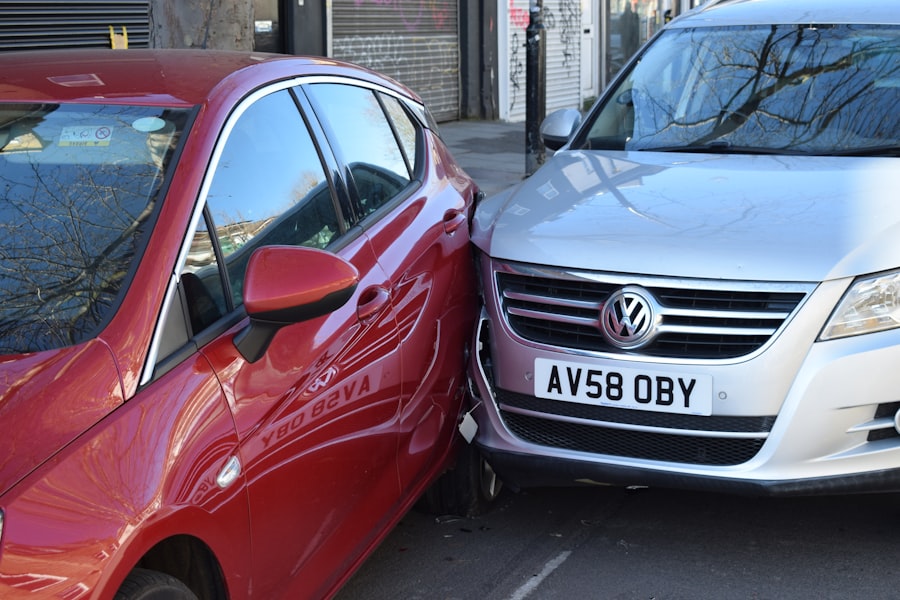
Several factors influence the cost of car insurance premiums, making it essential for consumers to understand how these elements impact their overall expenses. Key factors include driving history, age, location, type of vehicle, credit score, and coverage choices. A clean driving record with no accidents or traffic violations typically results in lower premiums since insurers view such drivers as lower risk.
Conversely, a history of accidents or claims can lead to higher rates due to perceived risk factors. Age also plays a significant role; younger drivers often face higher premiums due to their lack of experience behind the wheel. Geographic location affects premiums as well; urban areas with higher traffic congestion and crime rates may result in increased costs compared to rural areas.
The type of vehicle you drive also impacts premiums; high-performance cars or vehicles with poor safety ratings generally incur higher rates due to increased risk. Lastly, credit scores can influence premiums as insurers often use credit information as an indicator of risk. Maintaining good credit can lead to more favorable rates.
Understanding these factors allows consumers to make informed decisions about their policies and potentially reduce their premiums through proactive measures.
How to File a Claim
Filing a claim can be a daunting process for many drivers; however, understanding the steps involved can streamline the experience and ensure timely resolution. The first step is to contact your insurance company as soon as possible after an incident occurs. Most insurers have 24/7 claims reporting hotlines or online portals for convenience.
When filing a claim, be prepared to provide essential information such as your policy number, details about the incident (date, time, location), descriptions of any injuries or damages sustained, and contact information for any other parties involved. Documenting the scene with photographs can also be beneficial in supporting your claim. Once your claim is submitted, an adjuster will typically be assigned to investigate the incident further.
They may contact you for additional information or request documentation such as police reports or medical records.
After the investigation is complete, your insurer will determine whether your claim is valid based on your policy’s terms and conditions.
If approved, they will provide compensation according to your coverage limits and deductibles.
Understanding the Fine Print
The fine print in an insurance policy often contains critical information that can significantly impact coverage and claims processes. It is essential for policyholders to read and comprehend this section thoroughly before signing any agreements. Key elements often found in the fine print include definitions of terms used throughout the policy, specific conditions under which coverage applies or does not apply, and procedures for filing claims.
Additionally, many policies contain clauses related to arbitration or mediation in case of disputes between the insurer and policyholder regarding claims or coverage interpretations. Understanding these clauses can help consumers navigate potential conflicts more effectively. Moreover, some policies may include provisions regarding cancellation or non-renewal terms that outline how either party can terminate the agreement under specific circumstances.
Being aware of these terms can prevent unexpected cancellations or lapses in coverage.
Renewing and Updating Your Policy
Renewing and updating your car insurance policy is an essential aspect of maintaining adequate coverage over time. Most insurers send renewal notices well in advance of policy expiration dates; however, it is advisable for policyholders to review their coverage needs periodically throughout the year. Changes in personal circumstances—such as moving to a new location, purchasing a new vehicle, or experiencing changes in driving habits—can necessitate adjustments to your policy.
For instance, relocating to an area with higher crime rates may require additional comprehensive coverage or increased liability limits. When renewing your policy, take advantage of opportunities to compare quotes from different insurers to ensure you are receiving competitive rates for your desired coverage levels. Additionally, inquire about any discounts available based on factors such as safe driving records or bundling multiple policies with the same insurer.
Comparing and Shopping for Car Insurance
Shopping for car insurance requires careful consideration and comparison among various providers to find the best fit for individual needs.
When comparing quotes, pay attention not only to premium costs but also to coverage limits, deductibles, exclusions, and customer service ratings.
Reading reviews from current policyholders can provide valuable insights into an insurer’s reputation regarding claims handling and customer support. Additionally, consider reaching out directly to agents or representatives from different companies for personalized assistance in understanding policy options and tailoring coverage based on specific needs.
Tips for Making the Most of Your Car Insurance Policy
Maximizing the benefits of your car insurance policy involves proactive measures that enhance both protection and cost-effectiveness. First and foremost, maintain open communication with your insurer; regularly review your policy with an agent to ensure it aligns with any changes in circumstances or needs. Taking advantage of available discounts can significantly reduce premium costs; inquire about discounts related to safe driving records, multi-policy bundling (e.g., home and auto), good student discounts for young drivers, or membership affiliations with certain organizations.
Additionally, consider enrolling in defensive driving courses that may qualify you for further discounts while improving your driving skills. Regularly reassessing your deductible levels based on financial circumstances can also help strike a balance between premium costs and out-of-pocket expenses during claims. Finally, staying informed about changes in state laws regarding minimum coverage requirements ensures compliance while optimizing protection against potential liabilities.
In summary, understanding car insurance policies involves navigating various components such as types of coverage available, deductibles and limits that affect costs during claims processes, exclusions that may limit protection options available under certain circumstances—and much more! By taking proactive steps like comparing quotes regularly while maintaining open communication with insurers about changing needs over time—drivers can maximize their benefits from this essential financial product while ensuring adequate protection against unforeseen events on the road ahead!
If you’re looking to plan your year ahead, it’s important to consider how federal holidays may impact your schedule. One key aspect to keep in mind is how your car insurance policy may be affected during these times. For more information on how federal holidays can impact your car insurance, check out this informative article on boogger.com.
FAQs
What is a car insurance policy?
A car insurance policy is a contract between a car owner and an insurance company that provides financial protection in the event of an accident, theft, or damage to the vehicle.
What does a car insurance policy cover?
A car insurance policy typically covers damage to the insured vehicle, liability for bodily injury or property damage to others, medical expenses, and in some cases, coverage for uninsured or underinsured motorists.
How does a car insurance policy work?
When a car owner purchases a car insurance policy, they pay a premium to the insurance company. In return, the insurance company agrees to provide financial protection as outlined in the policy in the event of a covered loss.
What factors affect the cost of a car insurance policy?
The cost of a car insurance policy is influenced by factors such as the driver’s age, driving record, type of vehicle, location, coverage limits, and deductible amount.
What are the different types of car insurance policies?
There are several types of car insurance policies, including liability coverage, collision coverage, comprehensive coverage, personal injury protection, and uninsured/underinsured motorist coverage.
How can I purchase a car insurance policy?
Car insurance policies can be purchased directly from insurance companies, through insurance agents, or online. It’s important to compare quotes from different insurers to find the best coverage at the most competitive price.