
Now Reading: Understanding Wilms Tumor: Symptoms, Treatment, and Prognosis
-
01
Understanding Wilms Tumor: Symptoms, Treatment, and Prognosis
Understanding Wilms Tumor: Symptoms, Treatment, and Prognosis

Wilms tumor, also known as nephroblastoma, is a malignant neoplasm that primarily affects the kidneys in children. It is the most common type of kidney cancer in pediatric patients, typically diagnosed between the ages of 2 and 5 years. This tumor arises from immature kidney cells, which can proliferate uncontrollably, leading to the formation of a mass.
The etiology of Wilms tumor is not entirely understood, but genetic predispositions and certain congenital syndromes, such as WAGR syndrome and Beckwith-Wiedemann syndrome, have been associated with an increased risk. The tumor is characterized by its rapid growth and can often be detected as a palpable abdominal mass during routine physical examinations or imaging studies. Wilms tumor is classified into different stages based on its size and extent of spread, which significantly influences treatment strategies and prognostic outcomes.
Early detection and intervention are crucial for improving survival rates, making awareness of this condition essential for parents and healthcare providers alike.
Key Takeaways
- Wilms tumor is a rare type of kidney cancer that primarily affects children.
- Symptoms of Wilms tumor may include abdominal swelling, pain, blood in the urine, and fever.
- Diagnosing Wilms tumor involves imaging tests, blood and urine tests, and a biopsy of the tumor.
- Treatment options for Wilms tumor may include surgery, chemotherapy, and radiation therapy.
- Surgery for Wilms tumor typically involves removing the affected kidney and any surrounding tissue.
Symptoms of Wilms Tumor
The clinical presentation of Wilms tumor can vary, but several hallmark symptoms are commonly observed. One of the most prominent signs is the presence of a noticeable abdominal mass, which may be firm and non-tender upon palpation. This mass can sometimes be mistaken for an enlarged kidney or other abdominal organ.
In addition to the palpable mass, children may exhibit symptoms such as abdominal pain, hematuria (blood in urine), and hypertension due to increased renin production from the tumor. Other systemic symptoms may include fever, weight loss, and fatigue. In some cases, children may present with gastrointestinal disturbances such as nausea or vomiting.
It is important for caregivers to recognize these symptoms early and seek medical evaluation, as timely diagnosis can significantly impact treatment outcomes.
Diagnosing Wilms Tumor
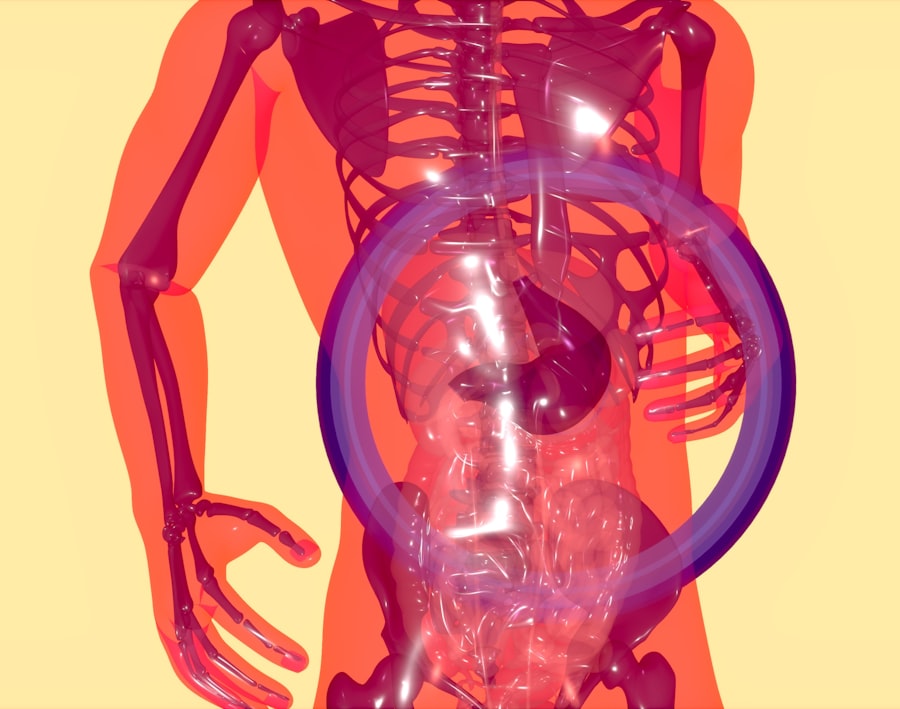
The diagnostic process for Wilms tumor typically begins with a thorough medical history and physical examination. If a suspicious abdominal mass is identified, imaging studies are essential for confirming the diagnosis. Ultrasound is often the first-line imaging modality used to visualize the kidneys and assess the characteristics of the mass.
It can help differentiate between solid tumors and cystic lesions. Following ultrasound, computed tomography (CT) scans or magnetic resonance imaging (MRI) may be employed to provide detailed images of the tumor and surrounding structures. These imaging techniques are crucial for staging the disease and determining whether there is any metastasis to lymph nodes or other organs. Additionally, laboratory tests such as urinalysis may be performed to check for hematuria or other abnormalities. In some cases, a biopsy may be necessary to obtain tissue samples for histopathological examination, although this is less common due to the risk of tumor seeding.
Treatment Options for Wilms Tumor
| Treatment Option | Description |
|---|---|
| Surgery | Removal of the tumor and possibly the affected kidney |
| Chemotherapy | Use of drugs to kill cancer cells throughout the body |
| Radiation Therapy | Use of high-energy rays to kill cancer cells |
| Targeted Therapy | Drugs that specifically target cancer cells |
| Stem Cell Transplant | Replacement of damaged bone marrow with healthy stem cells |
The treatment approach for Wilms tumor is multifaceted and typically involves a combination of surgery, chemotherapy, and sometimes radiation therapy. The specific treatment plan depends on various factors, including the stage of the tumor, its histological subtype, and the overall health of the child. The primary goal of treatment is to eradicate the cancer while preserving kidney function whenever possible.
Surgical intervention is often the first step in managing Wilms tumor.
In certain cases where there is a high risk of metastasis or aggressive tumor behavior, radiation therapy may also be indicated.
The treatment regimen is tailored to each individual patient based on their unique clinical presentation and response to therapy.
Surgery for Wilms Tumor
Surgical resection remains the cornerstone of treatment for Wilms tumor. The procedure typically involves a radical nephrectomy, which entails the complete removal of the affected kidney along with surrounding tissues and lymph nodes if necessary. This approach not only aims to excise the tumor but also minimizes the risk of local recurrence.
In some instances where bilateral involvement occurs, partial nephrectomy may be considered to preserve renal function. The timing of surgery is critical; it is usually performed after initial imaging studies confirm the diagnosis but before chemotherapy begins in most cases. This strategy allows for accurate staging and assessment of tumor characteristics while reducing the burden of systemic therapy on the child’s developing body.
Postoperative care includes monitoring for complications such as infection or bleeding, as well as managing any potential impacts on renal function.
Chemotherapy for Wilms Tumor

Chemotherapy plays a pivotal role in the management of Wilms tumor, particularly in cases where there is a risk of metastasis or when complete surgical resection is not feasible. The chemotherapeutic regimen typically consists of a combination of agents such as vincristine and actinomycin D, which have demonstrated efficacy in targeting Wilms tumor cells. In high-risk cases, additional agents like doxorubicin may be included to enhance treatment effectiveness.
The administration of chemotherapy usually begins shortly after surgery to eliminate any remaining cancer cells and reduce the likelihood of recurrence. Treatment cycles are carefully planned to allow for recovery between doses while monitoring for potential side effects such as nausea, hair loss, and myelosuppression. Supportive care measures are often implemented to manage these adverse effects and ensure that children maintain their quality of life during treatment.
Radiation Therapy for Wilms Tumor
Radiation therapy may be utilized in select cases of Wilms tumor, particularly when there is a high risk of local recurrence or when metastasis has occurred. This modality employs high-energy radiation beams to target cancer cells while sparing surrounding healthy tissue as much as possible. Radiation therapy can be administered postoperatively to eliminate residual disease or as a palliative measure in advanced cases.
The decision to incorporate radiation therapy into the treatment plan is made on an individual basis, taking into account factors such as tumor stage, histology, and response to chemotherapy. While effective in controlling disease progression, radiation therapy carries potential long-term risks, including damage to surrounding organs and an increased risk of secondary malignancies later in life. Therefore, careful consideration and discussion with a multidisciplinary team are essential when determining its use.
Prognosis for Wilms Tumor
The prognosis for children diagnosed with Wilms tumor has significantly improved over the past few decades due to advancements in early detection and treatment strategies. Overall survival rates exceed 90% for localized tumors; however, prognosis varies based on several factors including age at diagnosis, tumor stage, histological subtype, and response to initial treatment. Children with favorable histology tumors generally have better outcomes compared to those with unfavorable histology or metastatic disease at diagnosis.
Regular follow-up care is crucial for monitoring potential late effects of treatment and ensuring early detection of any recurrence or secondary malignancies. Ongoing research continues to refine prognostic models and identify biomarkers that may further enhance individualized treatment approaches.
Long-Term Follow-Up for Wilms Tumor Survivors
Long-term follow-up care is essential for survivors of Wilms tumor due to potential late effects associated with treatment modalities used during their care. Survivors are at risk for complications such as renal dysfunction, cardiovascular issues, and secondary cancers resulting from chemotherapy or radiation exposure. Therefore, a comprehensive survivorship care plan should be established that includes regular monitoring by healthcare professionals familiar with the long-term consequences of cancer treatment.
Follow-up assessments typically involve routine imaging studies, laboratory tests to evaluate renal function, and screenings for late effects based on individual risk factors. Psychosocial support services are also vital in addressing emotional and developmental challenges that survivors may face as they transition into adulthood.
Support for Families of Children with Wilms Tumor
Navigating a diagnosis of Wilms tumor can be overwhelming for families; therefore, support systems play a crucial role in helping them cope with the challenges associated with cancer treatment. Various organizations provide resources such as educational materials, counseling services, and support groups tailored specifically for families affected by pediatric cancers. Connecting with other families who have experienced similar journeys can foster a sense of community and understanding.
Additionally, healthcare providers should encourage open communication with families regarding treatment options, potential side effects, and coping strategies to empower them throughout their child’s cancer journey.
Research and Advances in Wilms Tumor Treatment
Ongoing research efforts aim to improve outcomes for children diagnosed with Wilms tumor through innovative treatment strategies and enhanced understanding of its biology. Clinical trials are exploring novel chemotherapeutic agents, targeted therapies, and immunotherapy approaches that may offer more effective options with fewer side effects. Advancements in genetic research have also provided insights into the molecular underpinnings of Wilms tumor, paving the way for personalized medicine approaches that tailor treatments based on individual genetic profiles.
Collaborative efforts among researchers, clinicians, and advocacy groups continue to drive progress in improving survival rates and quality of life for children affected by this condition. In summary, Wilms tumor represents a significant pediatric malignancy that requires prompt diagnosis and comprehensive management strategies involving surgery, chemotherapy, and potentially radiation therapy. With advancements in treatment protocols and ongoing research efforts aimed at improving outcomes, survival rates have markedly increased over recent decades.
Long-term follow-up care remains essential for monitoring potential late effects while providing psychosocial support for families navigating this challenging journey.
Wilms tumor, also known as nephroblastoma, is a rare type of kidney cancer that primarily affects children. It is important for parents to be aware of the signs and symptoms of Wilms tumor in order to seek early diagnosis and treatment. For more information on childhood cancer awareness and advocacy, check out this insightful article on honoring our leaders.
FAQs
What is Wilms tumor?
Wilms tumor, also known as nephroblastoma, is a type of kidney cancer that primarily affects children. It is the most common type of kidney cancer in children, typically occurring in children around 3 to 4 years of age.
What are the symptoms of Wilms tumor?
Symptoms of Wilms tumor may include abdominal swelling or a mass, abdominal pain, blood in the urine, fever, nausea, vomiting, and constipation.
What causes Wilms tumor?
The exact cause of Wilms tumor is not known. However, it is believed to be related to genetic mutations that occur in the early stages of kidney development in the fetus.
How is Wilms tumor diagnosed?
Wilms tumor is typically diagnosed through imaging tests such as ultrasound, CT scan, or MRI, as well as through a biopsy to examine the tissue for cancer cells.
What are the treatment options for Wilms tumor?
Treatment for Wilms tumor often involves a combination of surgery to remove the tumor, chemotherapy, and sometimes radiation therapy. The specific treatment plan will depend on the stage and characteristics of the tumor.
What is the prognosis for children with Wilms tumor?
The prognosis for children with Wilms tumor is generally good, especially if the cancer is diagnosed and treated early. The overall survival rate for children with Wilms tumor is around 90%. However, the prognosis can vary depending on the stage of the tumor and other factors.


