
Now Reading: Understanding Chronic Myelogenous Leukemia: Causes and Treatments
-
01
Understanding Chronic Myelogenous Leukemia: Causes and Treatments
Understanding Chronic Myelogenous Leukemia: Causes and Treatments

Chronic Myelogenous Leukemia (CML) is a hematological malignancy characterized by the overproduction of myeloid cells in the bone marrow and peripheral blood. This neoplastic disorder primarily affects adults, with an incidence rate of approximately 1 to 2 cases per 100,000 individuals annually. CML is classified as a type of leukemia that progresses through three distinct phases: chronic, accelerated, and blast crisis.
The chronic phase is often asymptomatic and can last for several years, while the accelerated phase indicates a transition towards a more aggressive form of the disease. The blast crisis phase represents an acute transformation, resembling acute leukemia, and is associated with a poor prognosis. The pathophysiology of CML is predominantly linked to the Philadelphia chromosome, a genetic abnormality resulting from a reciprocal translocation between chromosomes 9 and 22.
This chromosomal alteration leads to the formation of the BCR-ABL fusion gene, which encodes a constitutively active tyrosine kinase that drives the proliferation of myeloid progenitor cells. The clinical manifestations of CML can vary widely, ranging from mild symptoms to severe complications, necessitating a comprehensive understanding of its etiology and management strategies.
Key Takeaways
- Chronic Myelogenous Leukemia (CML) is a type of cancer that affects the blood and bone marrow, leading to the overproduction of white blood cells.
- Genetic factors, such as the presence of the Philadelphia chromosome, play a significant role in the development of CML.
- Environmental factors, such as exposure to high levels of radiation or certain chemicals, may also contribute to the development of CML.
- Stem cells are involved in the development of CML, as they can give rise to the abnormal white blood cells characteristic of the disease.
- Symptoms of CML may include fatigue, weight loss, and an enlarged spleen, and diagnosis typically involves blood tests and bone marrow biopsy.
Understanding the Causes of Chronic Myelogenous Leukemia
The etiology of Chronic Myelogenous Leukemia remains multifactorial, with both genetic predispositions and environmental exposures contributing to its development. While the exact cause is not fully elucidated, certain risk factors have been identified that may increase an individual’s likelihood of developing CML. One significant risk factor is age; the incidence of CML rises sharply after the age of 50, with a median age at diagnosis around 60 years.
Additionally, gender appears to play a role, as males are more frequently diagnosed than females. Environmental factors have also been implicated in the pathogenesis of CML. Prolonged exposure to ionizing radiation, such as that experienced by atomic bomb survivors or individuals undergoing radiation therapy for other malignancies, has been associated with an increased risk of developing various leukemias, including CML.
Furthermore, certain chemical exposures, particularly benzene—a known hematotoxic agent—have been linked to an elevated incidence of blood disorders. However, it is essential to note that most individuals diagnosed with CML do not have identifiable risk factors, underscoring the complexity of its etiology.
Genetic Factors and CML
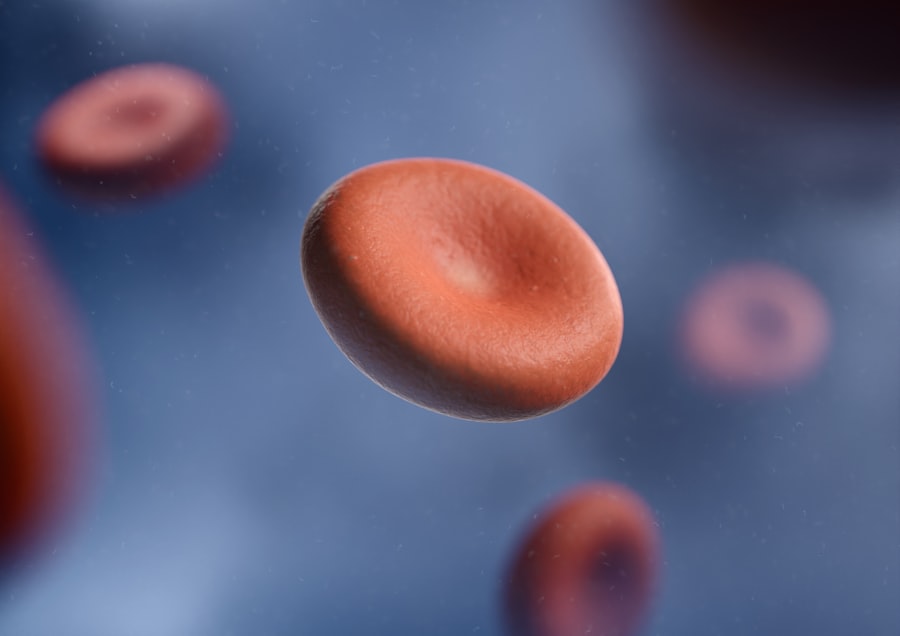
Genetic factors play a pivotal role in the development and progression of Chronic Myelogenous Leukemia. The hallmark genetic abnormality in CML is the presence of the Philadelphia chromosome, which results from a translocation between chromosome 9 and chromosome 22. This translocation leads to the formation of the BCR-ABL fusion gene, which encodes for a constitutively active tyrosine kinase protein that promotes cell proliferation and inhibits apoptosis in myeloid progenitor cells.
In addition to the BCR-ABL fusion gene, other genetic mutations may contribute to disease progression and treatment resistance. For instance, mutations in genes such as ASXL1, TET2, and SRSF2 have been identified in patients with advanced CML and are associated with poor prognostic outcomes. These mutations can lead to clonal evolution, where subpopulations of leukemic cells acquire additional genetic alterations that confer survival advantages in response to therapy.
Understanding these genetic underpinnings is crucial for developing targeted therapies and personalized treatment approaches for patients with CML.
Environmental Factors and CML
| Environmental Factors | Impact on CML |
|---|---|
| Air Pollution | May increase risk of CML development |
| Exposure to Radiation | Linked to higher incidence of CML |
| Chemical Exposure | Possible association with CML risk |
| Dietary Habits | Some studies suggest certain diets may impact CML progression |
Environmental factors have been recognized as potential contributors to the development of Chronic Myelogenous Leukemia. Exposure to certain chemicals and toxins has been studied extensively in relation to hematological malignancies. Benzene, a widely used industrial solvent found in gasoline and cigarette smoke, has been linked to an increased risk of developing various blood disorders, including CML.
Prolonged exposure to benzene can lead to bone marrow suppression and genetic mutations that predispose individuals to leukemia. Ionizing radiation is another significant environmental factor associated with an elevated risk of CML. Studies involving atomic bomb survivors have demonstrated a clear correlation between radiation exposure and the development of hematological malignancies.
Additionally, patients who have undergone radiation therapy for other cancers may also be at increased risk for secondary leukemias, including CML. While these environmental factors are important considerations in understanding the etiology of CML, it is essential to recognize that most cases occur sporadically without identifiable environmental triggers.
The Role of Stem Cells in CML
Stem cells play a crucial role in the pathophysiology of Chronic Myelogenous Leukemia. Hematopoietic stem cells (HSCs) are responsible for the continuous production of blood cells throughout an individual’s life. In CML, the malignant transformation occurs within these stem cells or their progenitors, leading to the overproduction of myeloid lineage cells.
The BCR-ABL fusion protein produced by the Philadelphia chromosome confers a growth advantage to these transformed stem cells, allowing them to proliferate uncontrollably. The presence of leukemic stem cells (LSCs) is particularly concerning in CML, as these cells are often resistant to conventional therapies and can lead to disease relapse after treatment. LSCs possess unique properties that allow them to evade apoptosis and maintain their self-renewal capacity.
Targeting these cells is critical for achieving long-term remission and preventing disease recurrence. Research into novel therapeutic strategies aimed at eradicating LSCs is ongoing and holds promise for improving outcomes in patients with CML.
Symptoms and Diagnosis of Chronic Myelogenous Leukemia

The clinical presentation of Chronic Myelogenous Leukemia can be insidious, with many patients remaining asymptomatic during the chronic phase of the disease. Common symptoms may include fatigue, night sweats, unexplained weight loss, and splenomegaly (enlargement of the spleen). Patients may also experience symptoms related to anemia or thrombocytopenia, such as pallor or easy bruising.
Diagnosis typically involves a combination of clinical evaluation, laboratory tests, and cytogenetic analysis. A complete blood count (CBC) often reveals leukocytosis (elevated white blood cell count) with a predominance of myeloid cells. Bone marrow aspiration and biopsy may be performed to assess cellularity and confirm the presence of the Philadelphia chromosome through fluorescence in situ hybridization (FISH) or polymerase chain reaction (PCR) techniques.
Early diagnosis is crucial for initiating appropriate treatment and improving patient outcomes.
Treatment Options for Chronic Myelogenous Leukemia
The management of Chronic Myelogenous Leukemia has evolved significantly over the past few decades, primarily due to advancements in targeted therapies. The primary goal of treatment is to achieve a deep molecular response (DMR), which correlates with improved survival rates and reduced risk of disease progression. First-line treatment typically involves tyrosine kinase inhibitors (TKIs), which specifically target the BCR-ABL fusion protein.
Imatinib was the first TKI approved for CML treatment and has revolutionized patient outcomes since its introduction in 2001. Other second-generation TKIs such as dasatinib and nilotinib have also demonstrated efficacy in patients who are resistant or intolerant to imatinib. In cases where patients do not respond adequately to TKI therapy or experience disease progression, alternative treatment options may include chemotherapy or stem cell transplantation.
Targeted Therapy for CML
Targeted therapy has become the cornerstone of treatment for Chronic Myelogenous Leukemia due to its ability to specifically inhibit the activity of the BCR-ABL tyrosine kinase while sparing normal hematopoietic cells. Imatinib remains the first-line agent for newly diagnosed patients due to its favorable safety profile and efficacy in achieving cytogenetic responses. Second-generation TKIs such as dasatinib and nilotinib offer alternative options for patients who exhibit resistance or intolerance to imatinib.
Dasatinib has shown superior efficacy compared to imatinib in some studies and can be administered once daily or twice daily depending on the clinical scenario. Nilotinib is another potent TKI that has demonstrated high rates of major molecular response (MMR) in patients with newly diagnosed CML. For patients who develop resistance due to mutations in the BCR-ABL gene, third-generation TKIs such as ponatinib may be considered as they have activity against many resistant mutations.
Continuous monitoring through molecular testing is essential for assessing treatment response and guiding therapeutic decisions.
Chemotherapy and Radiation Therapy for CML
While targeted therapies have largely supplanted traditional chemotherapy in the management of Chronic Myelogenous Leukemia, there are still scenarios where chemotherapy may be utilized—particularly during advanced phases or blast crisis when leukemic cells exhibit aggressive behavior. Agents such as hydroxyurea can be employed to rapidly reduce leukocyte counts in symptomatic patients. Radiation therapy may also be indicated in specific situations, such as palliative care for splenomegaly or localized leukemic infiltration causing complications.
However, its role is limited compared to targeted therapies due to potential long-term adverse effects on bone marrow function.
Stem Cell Transplantation for CML
Stem cell transplantation remains a curative option for select patients with Chronic Myelogenous Leukemia, particularly those who are young and have progressed to advanced phases or have failed multiple lines of therapy. Allogeneic stem cell transplantation involves infusing healthy stem cells from a matched donor into the patient’s bloodstream after intensive chemotherapy or radiation therapy aimed at eradicating leukemic cells. The success of transplantation depends on several factors including donor match quality, patient age, disease status at transplantation time, and pre-existing comorbidities.
While this approach can lead to long-term remission or cure in some patients, it carries significant risks including graft-versus-host disease (GVHD) and transplant-related complications.
Managing Chronic Myelogenous Leukemia: Lifestyle and Supportive Care
Managing Chronic Myelogenous Leukemia extends beyond pharmacological interventions; it encompasses lifestyle modifications and supportive care measures aimed at enhancing quality of life and minimizing treatment-related side effects. Patients are encouraged to maintain a balanced diet rich in nutrients to support overall health during treatment. Regular physical activity tailored to individual capabilities can help mitigate fatigue and improve emotional well-being.
Psychological support through counseling or support groups can also be beneficial in addressing mental health concerns associated with cancer diagnosis and treatment. Routine follow-up appointments are essential for monitoring disease progression and managing any adverse effects from therapies. Patients should be educated about potential symptoms indicating disease progression or complications so they can seek timely medical attention.
In conclusion, Chronic Myelogenous Leukemia represents a complex interplay between genetic predispositions and environmental factors leading to malignant transformation within hematopoietic stem cells. Advances in targeted therapies have significantly improved patient outcomes; however, ongoing research into novel treatment strategies remains critical for optimizing care in this patient population. Comprehensive management strategies encompassing lifestyle modifications and supportive care are essential components in enhancing quality of life for individuals living with CML.
**FAQ Section** 1. **What are the early signs of Chronic Myelogenous Leukemia?**
– Early signs may include fatigue, night sweats, unexplained weight loss, splenomegaly (enlarged spleen), fever, or frequent infections. 2.
**How is Chronic Myelogenous Leukemia diagnosed?**
– Diagnosis typically involves blood tests showing elevated white blood cell counts, bone marrow biopsy confirming leukemic cells, and cytogenetic analysis identifying the Philadelphia chromosome. 3. **What is the prognosis for patients with CML?**
– The prognosis varies based on several factors including age at diagnosis, phase of disease at presentation, response to therapy, and presence of additional genetic mutations.
4. **Can Chronic Myelogenous Leukemia be cured?**
– While there is no definitive cure for CML currently available outside stem cell transplantation in select cases, many patients achieve long-term remission with targeted therapies. 5.
**What lifestyle changes can help manage CML?
6. **Are there any clinical trials available for CML?**
– Yes, numerous clinical trials are ongoing investigating new therapies or combinations aimed at improving outcomes for patients with CML; discussing participation with your healthcare provider may provide additional options.
7. **What should I do if I experience side effects from treatment?**
– It’s crucial to communicate any side effects experienced during treatment with your healthcare team; they can provide supportive care measures or adjust medications as necessary.
**How often should I have follow-up appointments?**
– Follow-up appointments typically occur every 3-6 months during stable phases; however, frequency may increase based on individual circumstances or changes in disease status. 9. **What role does genetics play in my treatment options?**
– Genetic testing can identify specific mutations that may influence treatment decisions; understanding your genetic profile helps tailor therapy effectively.
10. **Is there support available for families affected by CML?**
– Yes! Many organizations offer resources such as counseling services, support groups for families affected by leukemia, educational materials about living with cancer, and financial assistance programs.
In summary, Chronic Myelogenous Leukemia is a complex hematological malignancy driven by genetic abnormalities primarily involving the BCR-ABL fusion gene. Understanding its causes—both genetic and environmental—alongside advancements in targeted therapies has transformed patient management significantly over recent years. Comprehensive care strategies focusing on lifestyle modifications alongside medical interventions are essential for optimizing patient outcomes while addressing quality-of-life concerns effectively.
Chronic myelogenous leukemia is a serious form of cancer that affects the blood and bone marrow. For more information on the importance of federal holidays in promoting equality and justice, check out this article on MLK Day: A Federal Holiday for Equality. This article discusses the significance of Martin Luther King Day as a day to honor the civil rights leader and his legacy of fighting for equality for all.
FAQs
What is chronic myelogenous leukemia (CML)?
Chronic myelogenous leukemia (CML) is a type of cancer that affects the blood and bone marrow. It is characterized by the uncontrolled growth of myeloid cells in the bone marrow, leading to an overproduction of white blood cells.
What are the symptoms of chronic myelogenous leukemia?
Common symptoms of chronic myelogenous leukemia include fatigue, weakness, weight loss, fever, night sweats, and pain or fullness below the ribs on the left side.
What causes chronic myelogenous leukemia?
Chronic myelogenous leukemia is caused by a genetic mutation in the bone marrow cells, specifically the Philadelphia chromosome, which leads to the uncontrolled growth of abnormal white blood cells.
How is chronic myelogenous leukemia diagnosed?
Chronic myelogenous leukemia is diagnosed through a combination of blood tests, bone marrow biopsy, and genetic testing to detect the presence of the Philadelphia chromosome.
What are the treatment options for chronic myelogenous leukemia?
Treatment for chronic myelogenous leukemia may include targeted therapy with tyrosine kinase inhibitors, chemotherapy, immunotherapy, and bone marrow transplant.
What is the prognosis for chronic myelogenous leukemia?
With advancements in treatment, the prognosis for chronic myelogenous leukemia has improved significantly. Many patients are able to achieve long-term remission and live a normal life with ongoing treatment. However, the prognosis can vary depending on the individual’s response to treatment and other factors.


