Now Reading: Understanding the Oropouche Virus: Symptoms and Prevention
-
01
Understanding the Oropouche Virus: Symptoms and Prevention
Understanding the Oropouche Virus: Symptoms and Prevention
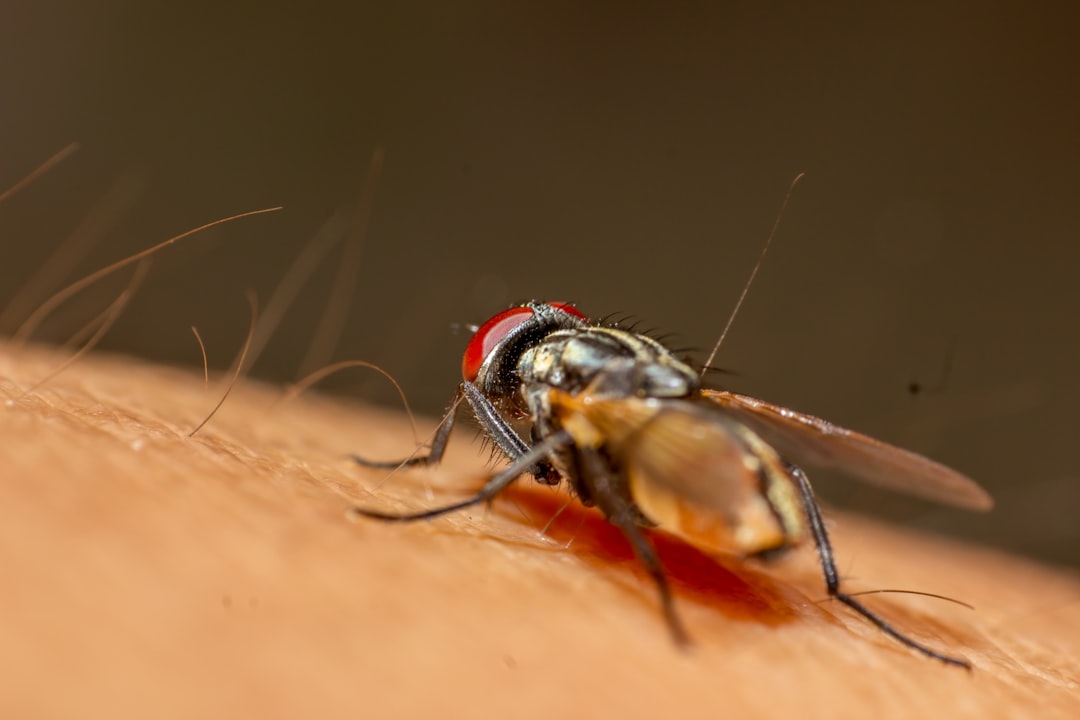
The Oropouche virus (OROV) is an arthropod-borne virus (arbovirus) belonging to the family Peribunyaviridae and the genus Orthobunyavirus. First identified in the 1950s, this virus has emerged as a significant public health concern in tropical and subtropical regions, particularly in South America. The Oropouche virus is primarily transmitted to humans through the bite of infected mosquitoes, particularly those of the genus Culicoides.
The clinical manifestations of Oropouche virus infection can range from mild febrile illness to severe neurological complications, making it essential for healthcare professionals to recognize and manage cases effectively. The increasing incidence of Oropouche virus infections highlights the need for comprehensive understanding and awareness of this pathogen. As urbanization and climate change continue to alter ecosystems, the potential for outbreaks may rise, necessitating robust public health strategies.
This article aims to provide an in-depth exploration of the Oropouche virus, including its history, symptoms, transmission dynamics, diagnostic methods, treatment options, and preventive measures.
Key Takeaways
- The Oropouche virus is an emerging arbovirus that causes febrile illness in humans, with potential for outbreaks in tropical regions.
- The virus was first isolated in Trinidad and Tobago in 1955 and has since been reported in several countries in South and Central America.
- Symptoms of Oropouche virus infection include fever, headache, muscle pain, and joint pain, which can progress to more severe complications in some cases.
- The virus is primarily transmitted to humans through the bite of infected midges, and can also be spread through blood transfusion and organ transplantation.
- Early detection and reporting of Oropouche virus cases is crucial for implementing effective public health response and control measures, including mosquito control and community education.
History and Background of the Oropouche Virus
The Oropouche virus was first isolated in 1955 from a pool of mosquitoes collected in the Oropouche River region of Trinidad. Since its initial discovery, the virus has been associated with several outbreaks across various countries in South America, including Brazil, Peru, and Colombia. The epidemiological patterns of Oropouche virus infections have evolved over time, with increasing reports of human cases and associated morbidity.
Research has indicated that the Oropouche virus is maintained in a sylvatic cycle involving non-human primates and mosquitoes. The zoonotic nature of this virus complicates its transmission dynamics, as it can spill over into human populations under favorable ecological conditions. The emergence of new strains and variants has also been documented, raising concerns about potential changes in virulence and transmissibility.
Symptoms of Oropouche Virus Infection

Infection with the Oropouche virus typically presents with a range of clinical symptoms that can vary in severity. The incubation period is generally between 3 to 7 days post-exposure. Common symptoms include fever, headache, myalgia, arthralgia, and rash.
Patients may also experience conjunctivitis and gastrointestinal disturbances such as nausea and vomiting. In some cases, particularly among immunocompromised individuals or those with underlying health conditions, the infection can progress to more severe manifestations. Neurological complications such as encephalitis or meningitis have been reported, although these are less common.
The clinical spectrum of Oropouche virus infection underscores the importance of differential diagnosis, as symptoms may overlap with other viral infections such as dengue or Zika.
Transmission and Spread of Oropouche Virus
| Transmission and Spread of Oropouche Virus | |
|---|---|
| Vector | Culicoides paraensis |
| Reservoir | Wild mammals and birds |
| Transmission | Primarily through mosquito bites |
| Spread | Occurs in rural and forested areas |
The primary mode of transmission for the Oropouche virus is through the bite of infected mosquitoes, particularly those belonging to the Culicoides genus. These mosquitoes are prevalent in tropical regions and are known for their ability to breed in various environments, including urban areas. Human-to-human transmission has not been documented; however, the potential for zoonotic spillover from animal reservoirs remains a concern.
Environmental factors play a crucial role in the spread of the Oropouche virus. Changes in land use, deforestation, and climate variability can influence mosquito populations and their habitats. Urbanization often leads to increased human-mosquito interactions, thereby enhancing transmission risk.
Understanding these dynamics is essential for predicting outbreaks and implementing effective control measures.
Diagnosis and Treatment of Oropouche Virus
Diagnosis of Oropouche virus infection is primarily based on clinical presentation and epidemiological history. Laboratory confirmation can be achieved through serological assays that detect specific antibodies or through molecular techniques such as reverse transcription-polymerase chain reaction (RT-PCR) to identify viral RNA in blood samples. Currently, there is no specific antiviral treatment available for Oropouche virus infection.
Management is largely supportive, focusing on alleviating symptoms and preventing complications.
In severe cases where neurological involvement occurs, hospitalization may be necessary for close monitoring and supportive care.
Prevention and Control Measures for Oropouche Virus

Preventive strategies for controlling Oropouche virus transmission primarily focus on reducing mosquito populations and minimizing human exposure to bites. Effective vector control measures include environmental management practices such as eliminating standing water where mosquitoes breed, using insecticides, and promoting community awareness about mosquito control. Personal protective measures are equally important.
Individuals are encouraged to wear long-sleeved clothing, use insect repellent containing DEET or picaridin, and utilize bed nets when sleeping in areas where mosquito activity is high. Public health campaigns aimed at educating communities about the risks associated with Oropouche virus infection can significantly enhance prevention efforts.
Importance of Early Detection and Reporting of Oropouche Virus Cases
Early detection of Oropouche virus cases is critical for effective outbreak management and control. Rapid identification allows for timely intervention measures to be implemented, reducing the risk of further transmission within communities. Healthcare providers should maintain a high index of suspicion for Oropouche virus infection in patients presenting with compatible symptoms, especially during peak transmission seasons.
Reporting suspected cases to public health authorities facilitates surveillance efforts and helps track epidemiological trends. This information is vital for understanding the dynamics of transmission and guiding resource allocation for vector control initiatives. Enhanced laboratory capacity for diagnosing arboviral infections is essential for improving response times during outbreaks.
The Role of Mosquito Control in Preventing Oropouche Virus Transmission
Mosquito control plays a pivotal role in preventing the transmission of the Oropouche virus. Integrated vector management strategies that combine biological control methods with chemical interventions have shown promise in reducing mosquito populations effectively. These strategies may include introducing natural predators into mosquito breeding sites or utilizing larvicides to target immature stages.
Community engagement is crucial for successful mosquito control programs. Educating residents about the importance of maintaining clean environments and participating in vector control initiatives can lead to sustained reductions in mosquito populations. Collaboration between public health agencies, local governments, and community organizations is essential for implementing comprehensive mosquito control measures.
Public Health Response to Oropouche Virus Outbreaks
Public health responses to Oropouche virus outbreaks require coordinated efforts at local, national, and international levels. Surveillance systems must be established to monitor mosquito populations and human cases actively. Rapid response teams should be trained to investigate outbreaks promptly and implement control measures as needed.
Vaccination remains a critical area of research for preventing Oropouche virus infections. While no vaccine is currently available, ongoing studies aim to develop safe and effective immunization strategies against this arbovirus. Public health authorities must prioritize funding for research initiatives that focus on vaccine development and innovative vector control technologies.
Global Impact and Distribution of Oropouche Virus
The global impact of the Oropouche virus is significant, particularly in regions where it is endemic. The increasing frequency of outbreaks poses challenges for healthcare systems already burdened by other infectious diseases. The geographical distribution of the virus has expanded beyond its original confines in South America, raising concerns about potential spread to new areas due to globalization and climate change.
Sharing data on epidemiological trends, vector control strategies, and research findings can enhance global preparedness efforts against future outbreaks.
Conclusion and Future Outlook for Oropouche Virus Research and Control
In conclusion, the Oropouche virus represents a growing public health challenge that necessitates ongoing research and proactive management strategies. Understanding its transmission dynamics, clinical manifestations, and effective prevention measures is crucial for mitigating its impact on affected populations. Continued investment in vaccine development and innovative vector control methods will be vital for reducing the burden of this arboviral disease.
As we move forward, fostering collaboration among researchers, healthcare providers, public health officials, and communities will be essential for enhancing our collective response to the Oropouche virus threat. By prioritizing early detection, robust surveillance systems, and community engagement initiatives, we can work towards a future where the risks associated with this virus are significantly diminished. ### FAQ Section 1.
**What is the Oropouche virus?**
– The Oropouche virus is an arbovirus transmitted primarily by mosquitoes that can cause febrile illness and neurological complications in humans. 2. **How is the Oropouche virus transmitted?**
– It is mainly transmitted through bites from infected mosquitoes belonging to the Culicoides genus.
3. **What are the common symptoms of an Oropouche virus infection?**
– Symptoms include fever, headache, myalgia, arthralgia, rash, conjunctivitis, nausea, and vomiting. 4.
**Is there a specific treatment for Oropouche virus infection?**
– There is no specific antiviral treatment; management focuses on supportive care to alleviate symptoms. 5. **How can I prevent infection with the Oropouche virus?**
– Preventive measures include using insect repellent, wearing protective clothing, eliminating standing water around homes, and participating in community vector control programs.
6. **What should I do if I suspect I have an Oropouche virus infection?**
– Seek medical attention promptly for evaluation and possible laboratory testing. 7.
**Are there any vaccines available for the Oropouche virus?**
– Currently, no vaccines are available; however, research efforts are ongoing to develop effective immunization strategies. 8. **What role does climate change play in the spread of the Oropouche virus?**
– Climate change can alter mosquito habitats and breeding patterns, potentially increasing transmission risk in new areas.
9. **How important is early detection in managing outbreaks?**
– Early detection allows for timely intervention measures that can significantly reduce transmission rates within communities. 10.
**What are public health authorities doing to address outbreaks?**
– They implement surveillance systems, rapid response teams for outbreak investigation, vector control initiatives, and research funding for vaccine development. ### Summary The Oropouche virus poses a significant public health threat due to its potential for causing febrile illness and neurological complications following mosquito-borne transmission. Understanding its history, symptoms, transmission dynamics, diagnostic methods, treatment options, prevention strategies, and public health responses is crucial for managing outbreaks effectively.
Continued research into vaccine development and innovative vector control methods will be essential for reducing the burden associated with this emerging infectious disease.
The Oropouche virus, a mosquito-borne disease that has been causing concern in recent years, has been linked to a rise in cases during holiday celebrations. According to a recent article on Boogger.com, the virus has been spreading rapidly during festive gatherings, leading to an increase in infections. This serves as a reminder to take necessary precautions and stay informed about the risks associated with the Oropouche virus during holidays such as Labor Day and Columbus Day.
FAQs
What is the Oropouche virus?
The Oropouche virus is an arbovirus belonging to the family Peribunyaviridae. It is transmitted to humans primarily through the bites of infected midges of the Culicoides species.
What are the symptoms of Oropouche virus infection?
Symptoms of Oropouche virus infection include fever, headache, joint pain, muscle pain, and rash. In some cases, individuals may also experience vomiting and diarrhea.
Where is the Oropouche virus found?
The Oropouche virus is primarily found in South and Central America, particularly in countries such as Brazil, Peru, Panama, Trinidad and Tobago, and Venezuela. However, cases of Oropouche virus infection have also been reported in other parts of the Americas.
How is the Oropouche virus diagnosed?
Diagnosis of Oropouche virus infection is typically confirmed through laboratory testing of blood or other bodily fluids. This may involve techniques such as polymerase chain reaction (PCR) or serological testing to detect the presence of the virus or antibodies produced in response to the infection.
Is there a vaccine for the Oropouche virus?
Currently, there is no specific vaccine available for the prevention of Oropouche virus infection. Prevention primarily involves avoiding mosquito bites in areas where the virus is known to be present.
What is the treatment for Oropouche virus infection?
There is no specific antiviral treatment for Oropouche virus infection. Supportive care, such as rest, hydration, and medication to alleviate symptoms, is typically recommended for individuals with the infection. In severe cases, hospitalization may be necessary.